

We are visiting a country where you do not need to eat something sweet to be happy because you have a ministry of happiness, 🙂 No, this is not a joke. In this small Asian country, they measure not their prosperity with GDP, but their gross national happiness. GNH is measured by the happiness of the people, their approval of the government, their connection with nature, their sense of cultural and national belonging and their satisfaction with the pace of development of the country. These criteria of happiness are directly related to the four principles that the Bhutanese king inherited from his father: environmental protection, environmentally friendly development, preservation of authentic culture and wise management.
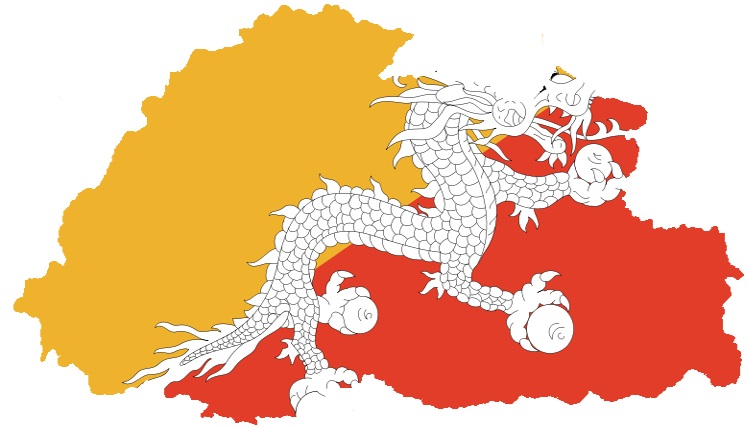
Thanks to wise management, the country was able to cope with poverty, and 75% of its territory remained afforested. 1/4 of them are protected national parks and territories. There is no other country to boast of such numbers. Nature conservation is of utmost importance to all. That is why a bunch of bans have been introduced that are being followed. The production and sale of tobacco , as well as smoking in public places, are prohibited. Fishing in the rivers and hunting in the forests are forbidden. Tree felling is also prohibited. But afforestation goes full force – for example, 108,000 trees (the number is not accidental) were planted in the country to commemorate the birth of the new prince. A tree is planted in the country for a newborn, for a wedding and at any event significant to the Bhutanese (1,3,7,21,108 ……… number of trees as appropriate). Bhutan is the only country whose constitution has an obligation to protect forests and biodiversity, and that at least 60% of its territory must be covered by forests. No pesticides and fertilizers are used in the country and agriculture is entirely organic. Almost all electricity comes from hydropower and Bhutanese even profit from exports to neighboring countries. This is how the planet is kept in practice – with simple but efficient things. Bhutan removes three times as much carbon dioxide as it creates.
About half of Bhutan’s population is under 18 years of age and the average age is 27.2 years. The total number of Bhutanese less than1 million. Men go to work dressed in long slaves. On the facades of their houses, the locals paint huge phalluses, which are protective symbols according to their culture. The state is a sacred land of Buddhism. In order to preserve their culture and lifestyle, Bhutanese practically restrict tourists. It is one of the most expensive destinations in the world. The government of the country has set a not small amount for everyone wishing to reside in the territory of the Tibetan Kingdom. The fee varies depending on the season (from $ 200 to $ 250) and is paid per day. And when we add to this sum the cost of airline tickets, visas, and last but not least, personal ones, the number becomes serious. You can’t just buy a plane ticket because it won’t come in handy if you didn’t get all the necessary documents and permits the Bhutanese government requires to get on their land. It is also not easy to get them – visa, accommodation, transport, guide, food, entrance fees and last but not least a previously arranged tour. They are all required and must be arranged and paid for before boarding the aircraft. And all this in order to refuse us to visit them. And maybe they’re right.
Paro Airport is the only international airport in Bhutan. It is located in a deep valley and is surrounded by mountain peaks reaching up to 5500 m above sea level. The airport is considered one of the most challenging airports in the world. Only eight pilots are qualified to land planes there, and flights to and from Paro are only permissible under good weather conditions and only in the light part of the day from sunrise to sunset. There are only five countries from which can be flown to Bhutan (India, Singapore, Bangladesh, Thailand and Nepal).
In Bhutan, marijuana grows freely and is more common than ordinary grass, but almost no one smokes it. They give it to pigs because it makes them hungry and eat more feed. 🙂 Until 1999, they didn’t even know it was a drug. They understand it when television is first allowed in the kingdom then. When someone offers you food, it is appropriate to refuse him or her at least once and be brought up to say “mesh mesh”, covering your mouth with your hands in denial before accepting it. It’s part of their customs. They are fed mainly with red rice as it can be grown at high altitude. It has a pronounced thick and walnut taste. The food is spicy because of the widespread use of hot peppers, garlic, ginger and other spices. The menu also includes meat from yak, dried beef, pork, lard, mutton, poultry, vegetables and cheese. For tourists they offer Chinese, Indian and continental food. Only the bravest ones experiment with the local food. A favorite dish for Bhutanese is “Ema Datshi” – a mix of hot peppers and cheese. Almost every meal contains a generous serving of rice – white or red. Many ingredients are put into the dishes, some of which even sound strange to us – like orchids and fern leaves. 😮 In addition to rice, Bhutanese cuisine also contains buckwheat and corn. Cheese made from cow’s milk is called “datshi” and is never consumed raw but used to make sauces. Zodou is another type of cheese that is added to soups and is usually greenish in color and has a strong odor. It doesn’t sound delicious. Dairy foods, especially butter, cow’s cheese and yogurt cheese are also popular, and in reality most milk is converted to butter and cheese. After a long search, I could not find any recipe for Bhutan sweets. So I adapted an Italian recipe for the needs of my blog and my idea, as it contains products specific to this country.
Here are the necessary products for two small cake pans:
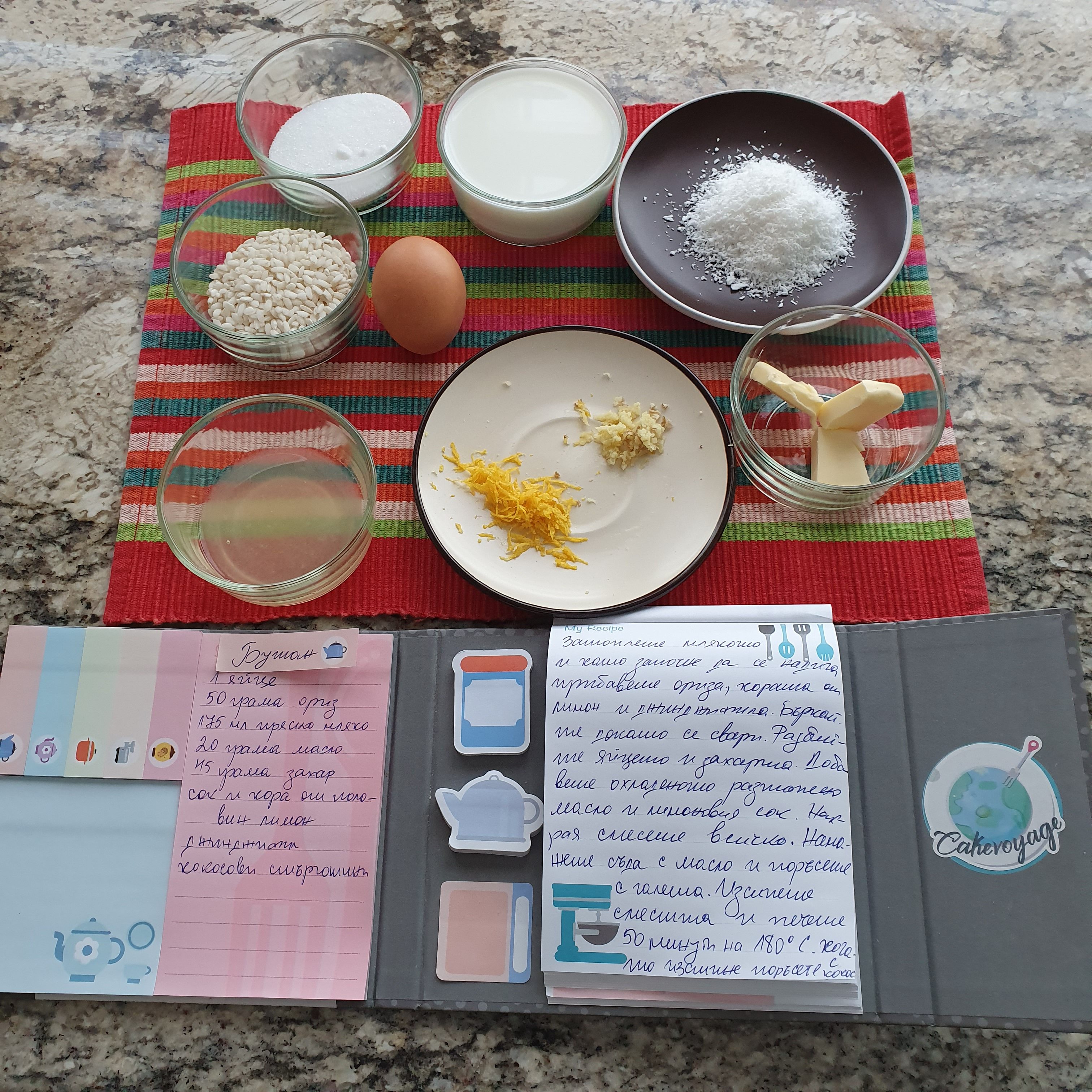
1 egg
50 grams of rice
175 ml of milk
20 grams of buter
45 grams of sugar
the juice and peel of half a lemon
ginger
coconut shavings for decoration
Steps of preparation:
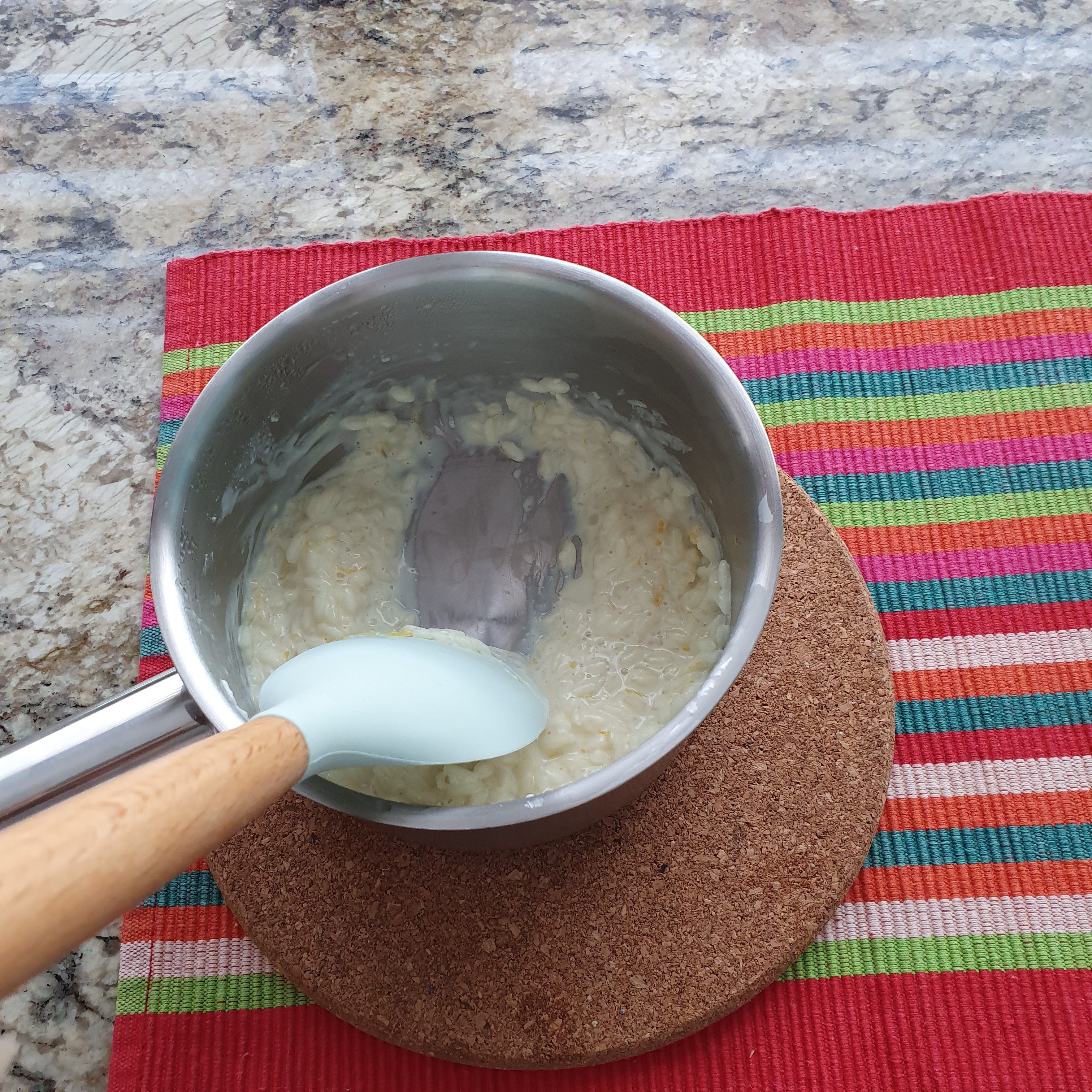
Preheat oven to 180 degrees. In a small saucepan, warm the milk. When it starts to boils, add the rice and reduce the stove to medium-low temperature. Stir almost constantly until the rice absorbs the liquid. Add the lemon peel and ginger peel. Stir the rice until it thickens so that when you make a “path” with the stirrer at the bottom of the pan, it will remain and the rice will no longer flow down.
Melt the butter and let it cool. Beat the egg and sugar very well and add the cooled butter so you don’t cook the eggs. Add the rice, lemon juice and mix well.
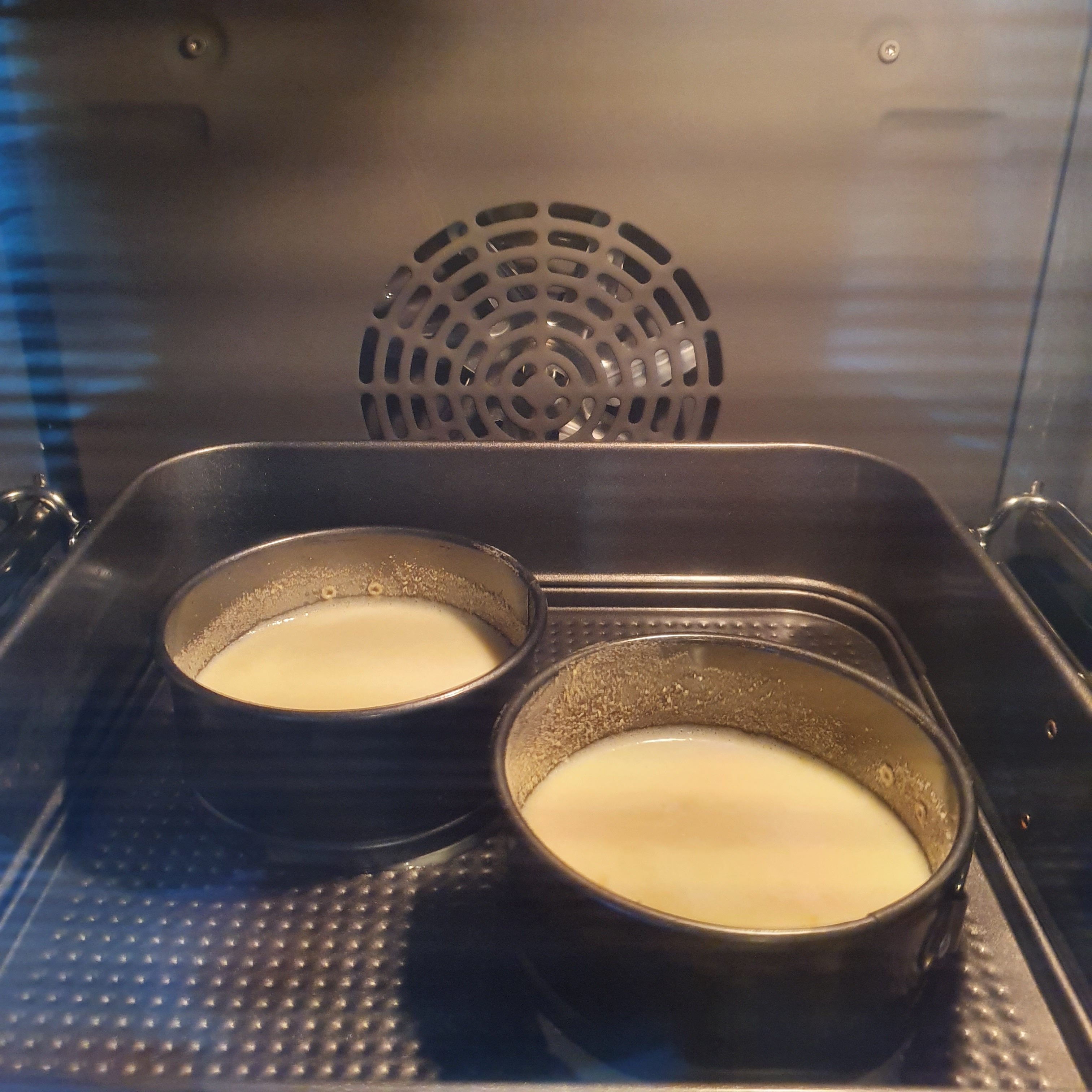
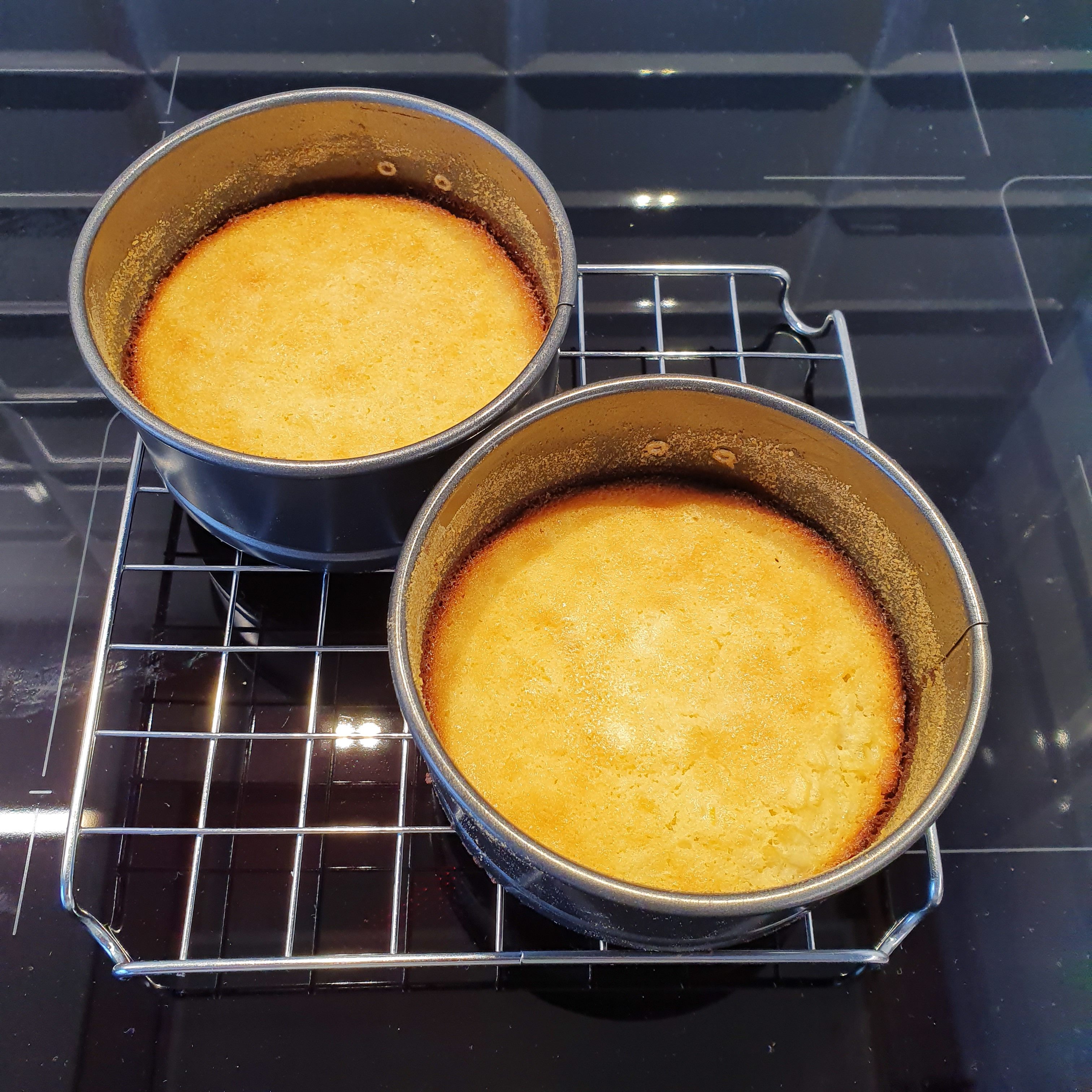
Grease the molds with butter and sprinkle with flour or breadcrumbs. Pour the mixture and bake it for about 50 minutes to an hour. It’s done when the cakes turn dark golden in color.
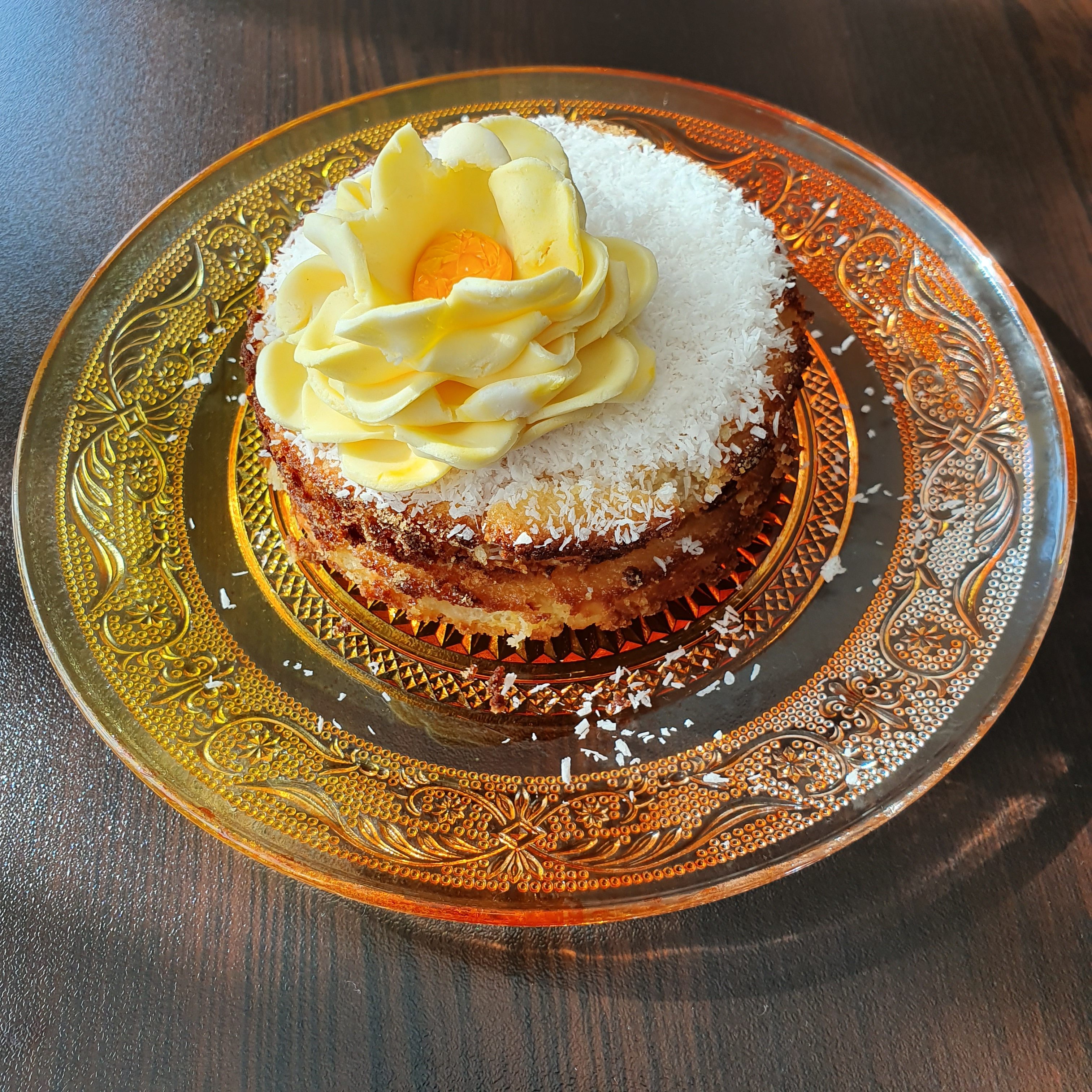
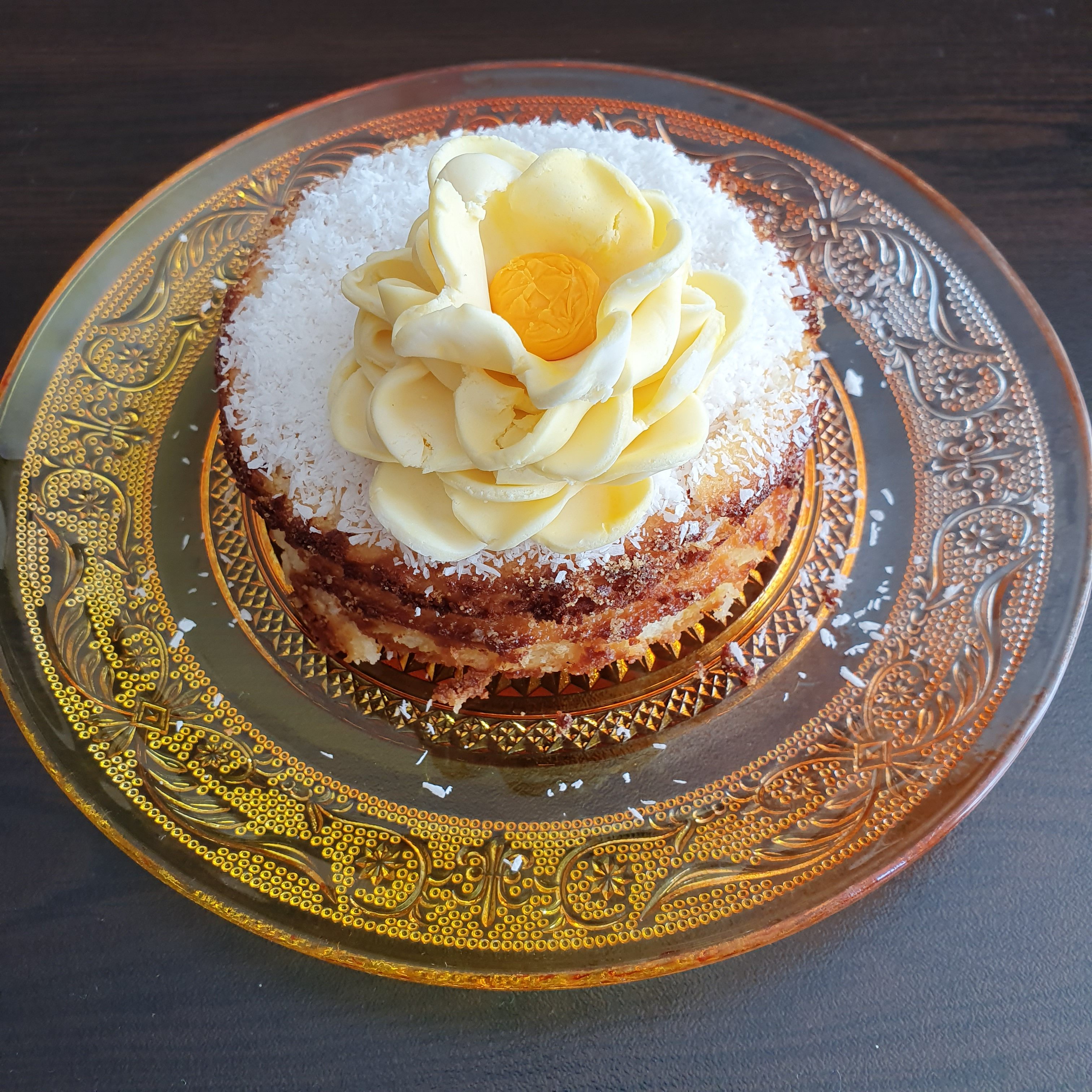
Remove, wait to cool, sprinkle with coconut and serve. You can decorate with flowers, fruits (fresh or dried) or nuts. Whatever you think is appropriate for the rice taste. I emphasized the decoration with fondant flowers because I did not want to change the simple taste of the dessert with additives.

This from me and “The Land of the Raging Dragon.” I was captivated by the reading for this isolated nook from our planet. I’ve added it to my ToDo travel list for a long time, but I’m a little scared of landing there. 🙂 I don’t like this dangerous runway. Most likely I will overcome it and still go because the east is interesting to me. For all my trips there, I have come back more peaceful and much happier. The energy that is in humans and nature is unique. And as for the cake today … it’s one of the simplest I’ve made. But it is also delicious and very appropriate for our daily life – like a breakfast with morning cappuccino, or served in the afternoon with tea / coffee, when a neighbor just went for a woman’s talk. 🙂
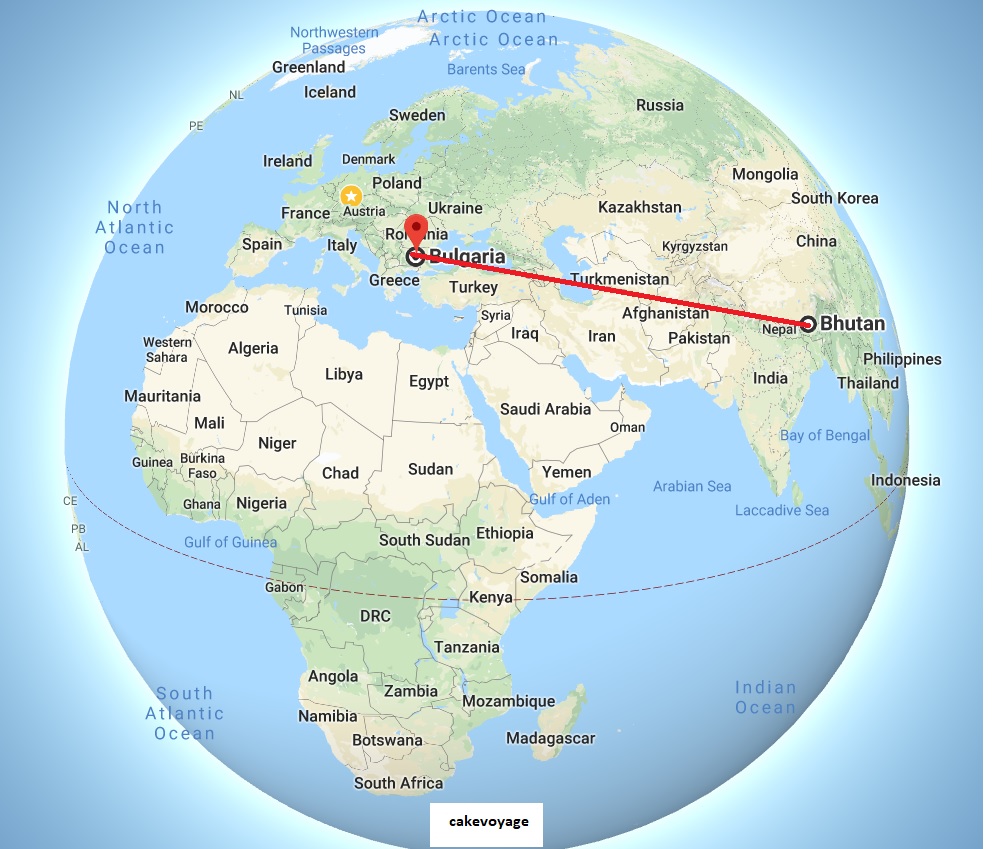
Next destination – Bulgaria.

I like reading through an article that can make people think. Also, many thanks for allowing me to comment!