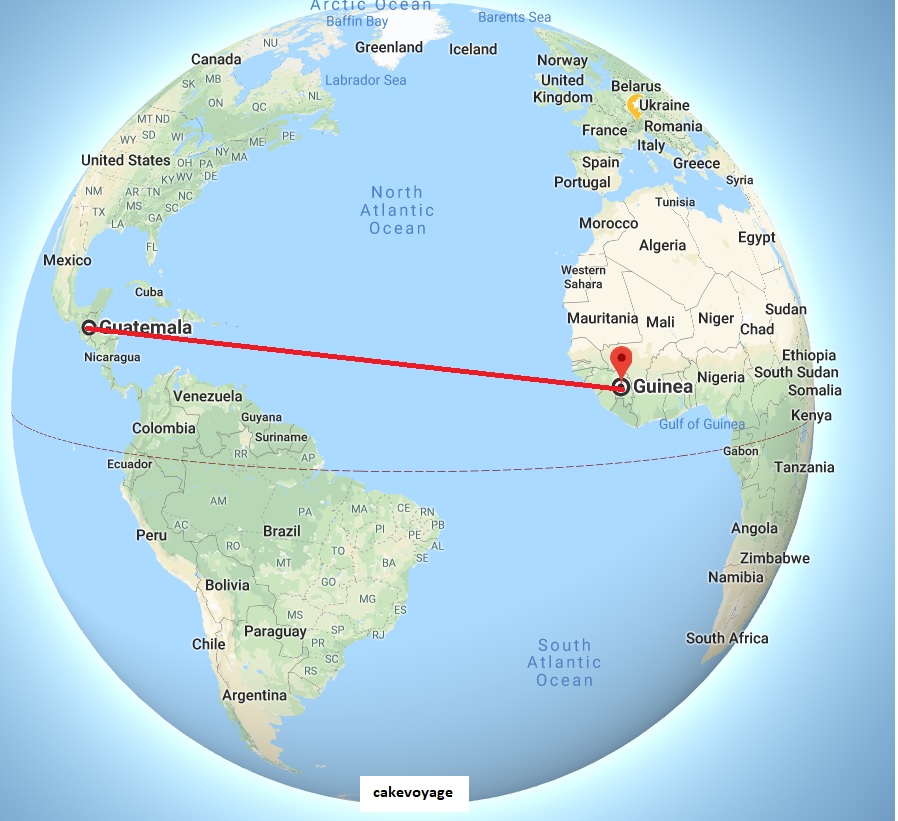
The Republic of Guatemala is a country in Central America. Its name comes from the Nahuatl language and means “place with many trees” (Cuauhtēmallān). Before it was conquered by the conquistadors, the Mayan Indian tribes lived on its territory. The Mayan civilization, one of the great cultures of the New World, inhabited villages and towns scattered throughout the lowlands of Guatemala, Belize, Honduras, and southern Mexico. Early settlements such as Queo in Belize were discovered in the area and date back to 1000 BC. Large early cities such as Mirador and Nakbe in Guatemala began to develop around 400 BC. This development led to the creation and use of a complex calendar system, complete writing (which is still deciphered) and sculptural stonework describing rulers and their families. Around 800 – 850, the classical Mayan world faced obscure and mysterious problems that led to the collapse and decline of their society. It is not due to the migration of large groups of Indians to the north, nor to an epidemic. It is not due to earthquakes or hurricanes. The collapse, still much debated by archaeologists, was most likely the result of the social, political and economic decay of their ancient society. In the 16th century, the Spanish conquistador Pedro de Alvarado, the right hand of Hernando Cortes, marched with 3,000 troops from present-day Mexico to conquer Guatemala. He was known for his cruelty to the Aztecs in Tenochtitlan for the first time. Their march was facilitated by the fact that at that time in these lands lived 4 peoples who were at war with each other – Kiche, Kaqchikel, Q’eqchi, and Mam. Alvarado first conquered the Kiche tribe and allied with them to conquer the others. Thus, with cunning and cruelty, the whole territory of the four tribes fell into his possession. They did not find gold or silver because the Maya did not value these metals, but found large amounts of the sacred stone jade. It is one of the hardest stones and has a special religious value for the locals and the priests. Alvarado received the title of Governor of Guatemala from the King of Spain. Established in the newly built Santiago de los Cabayeros, the conquistador sent troops to conquer the territories of present-day Belize, Honduras and El Salvador. During the War of Independence of the Spanish colonies in America, Guatemala gained independence.
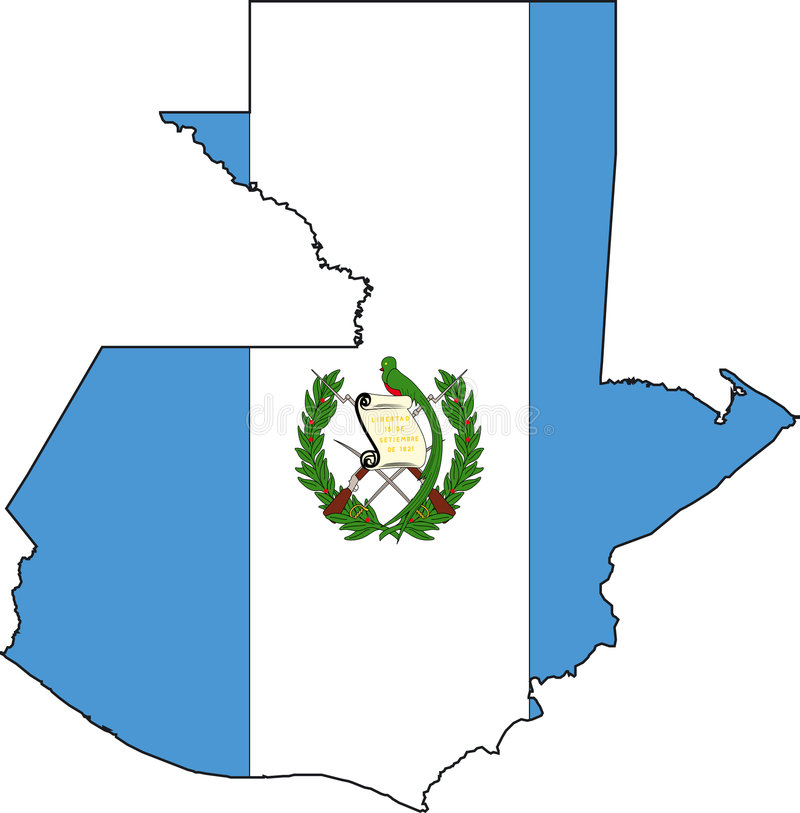
The local currency – quetzal, let me tell you where this name comes from. Quetzal is actually a bird. It looks a lot like a parrot with beautiful green, red and blue feathers. It was a sacred bird to the Maya, and its feathers were used as a currency thousands of years ago. The Central Bank of Guatemala was founded in 1925 and the existing currency, the Guatemalan Peso, was replaced by the Quetzal, the currency of the ancient Maya.
As a territory, Guatemala is almost as big as Bulgaria, but as a population, the diversity of ethnicities and colors is significantly ahead of us.The Caribbean coast of the country is inhabited by black heirs of slaves who were once brought to Central America from Africa by the British to work on sugarcane plantations. They are called garifuna and are mostly in the city of Livingston. Locals love to sit in front of their home, shop or cafe and discuss strangers, who probably rarely pass by. They behave like one big family. You will often see them playing Garifuna music and dancing a kind of dance of African origin. Millions of Mayan red man still live in Mexico, Guatemala, Belize and Honduras. Their people did not disappear during the decline of the cities. The Mayans continue to be an important part of the population of Central America today.
Guatemalan cuisine does not have a typical national dish, but it has gathered influences from many cuisines – starting with the legendary Mayan nationality, going through the Spanish influence and adding a little flavor of modern international cuisines such as Chinese, American and Central American countries. Both in Mayan times and today, corn continues to be a very important food for the locals. It is most often consumed in the form of Mexican cornbread – tortilla. Black beans, rice, eggs and cheese are very widely used in Guatemalan cuisine. Of the meats, the most popular are chicken, turkey and beef, which are prepared roasted, fried or grilled and are usually served with a garnish of beans and rice. Meats are also often cooked in stew or in hot chili sauce. Pepián (stewed meat with vegetables) is most common in the Antigua region, and seafood, which is prepared with various species, is consumed mostly on the coast of the country. Other popular dishes are bistec – roasted or fried beef, guacamole – mashed avocado and onion, flavored with various spices and chiles rellenos – peppers stuffed with meat and vegetables. Guatemala has a rich abundance of fresh fruits and vegetables, and the most frequently exported local coffee is one of the best in the world.
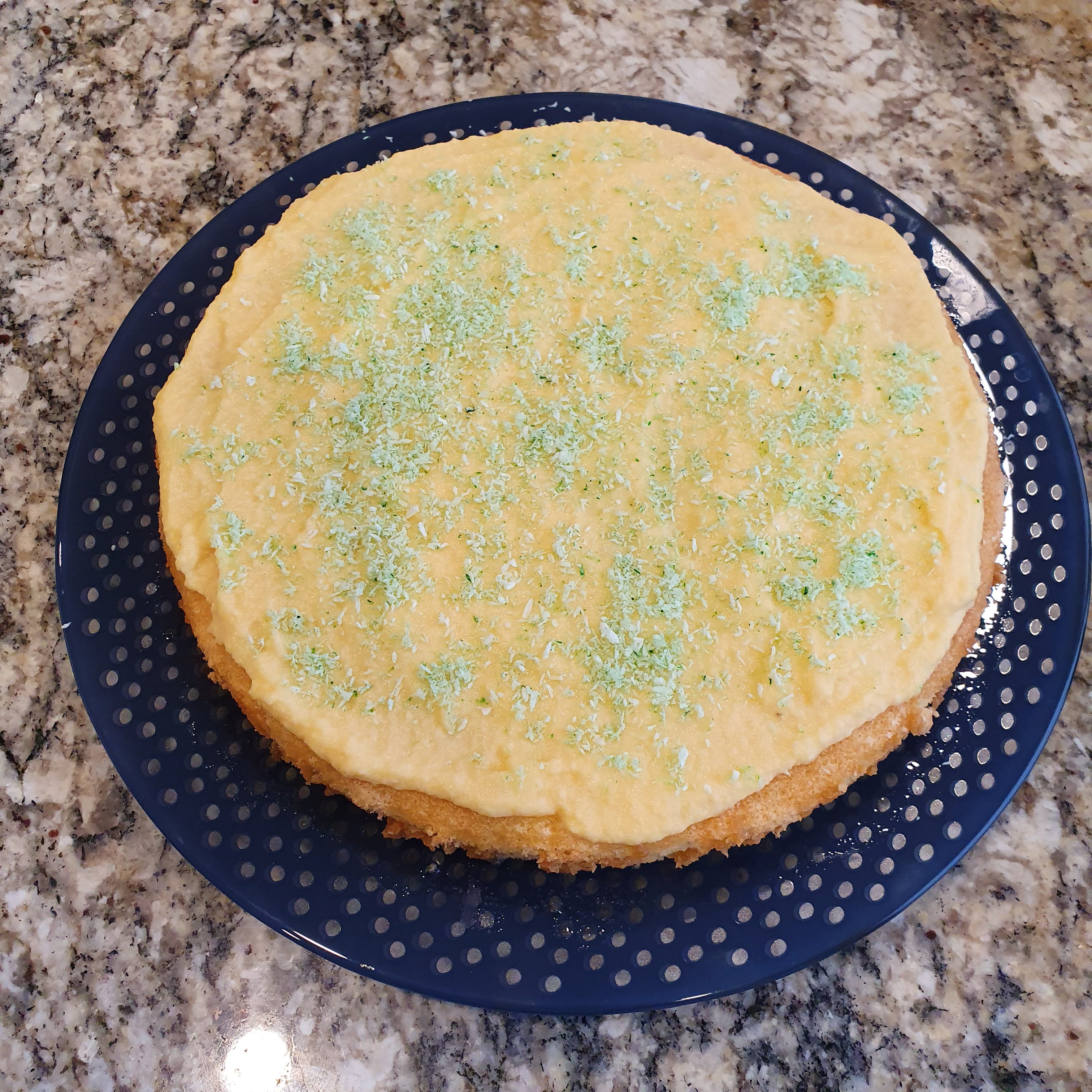
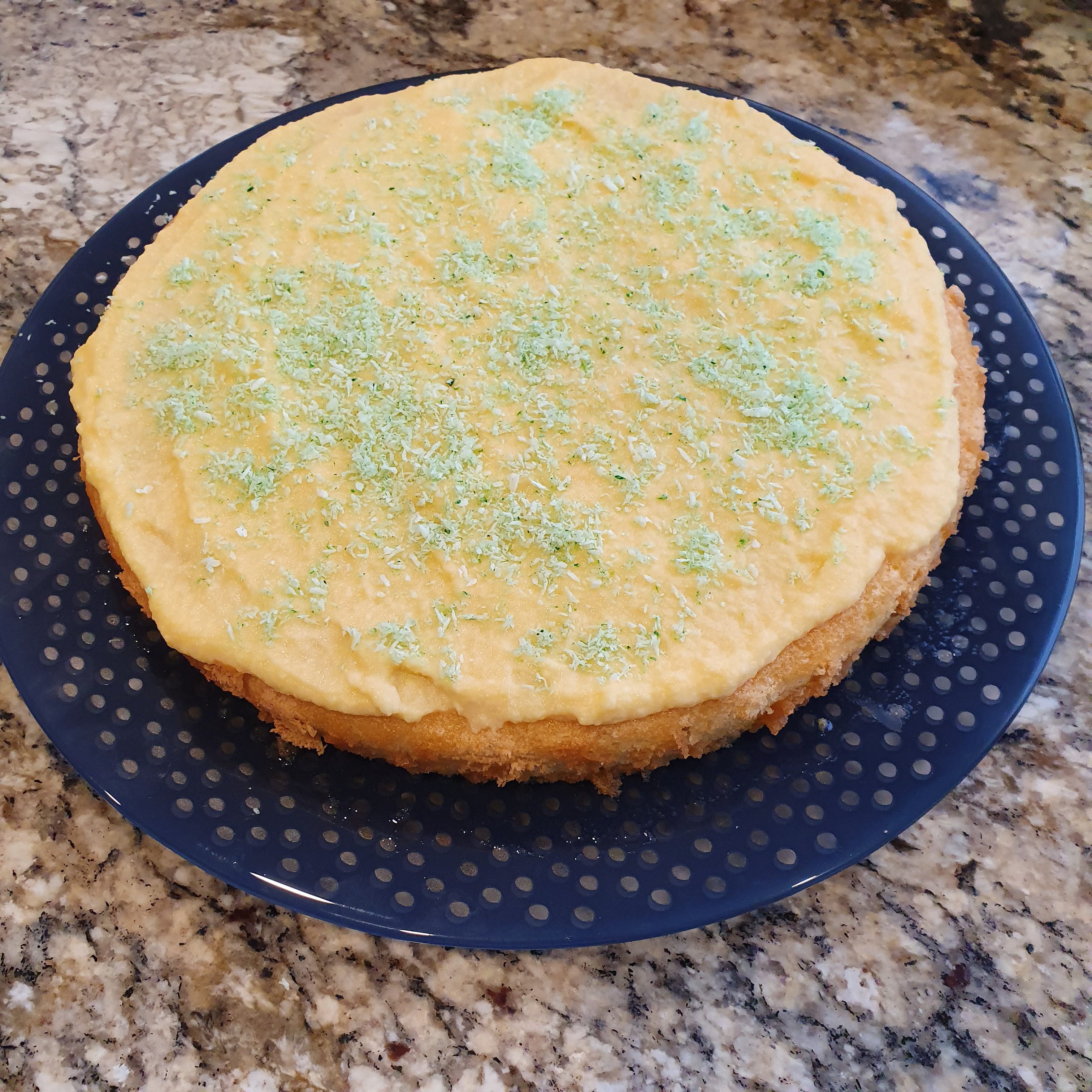
Let’s talk about cakes. There was not much choice, almost none. 🙁 The cake is called “Borracho” and is quite simple in ingredients and taste.I like to say on such cakes “cakes for Saturday afternoon” – something sweet without pretension to present at your table on special occasions. Here are the necessary products:
For the cake:
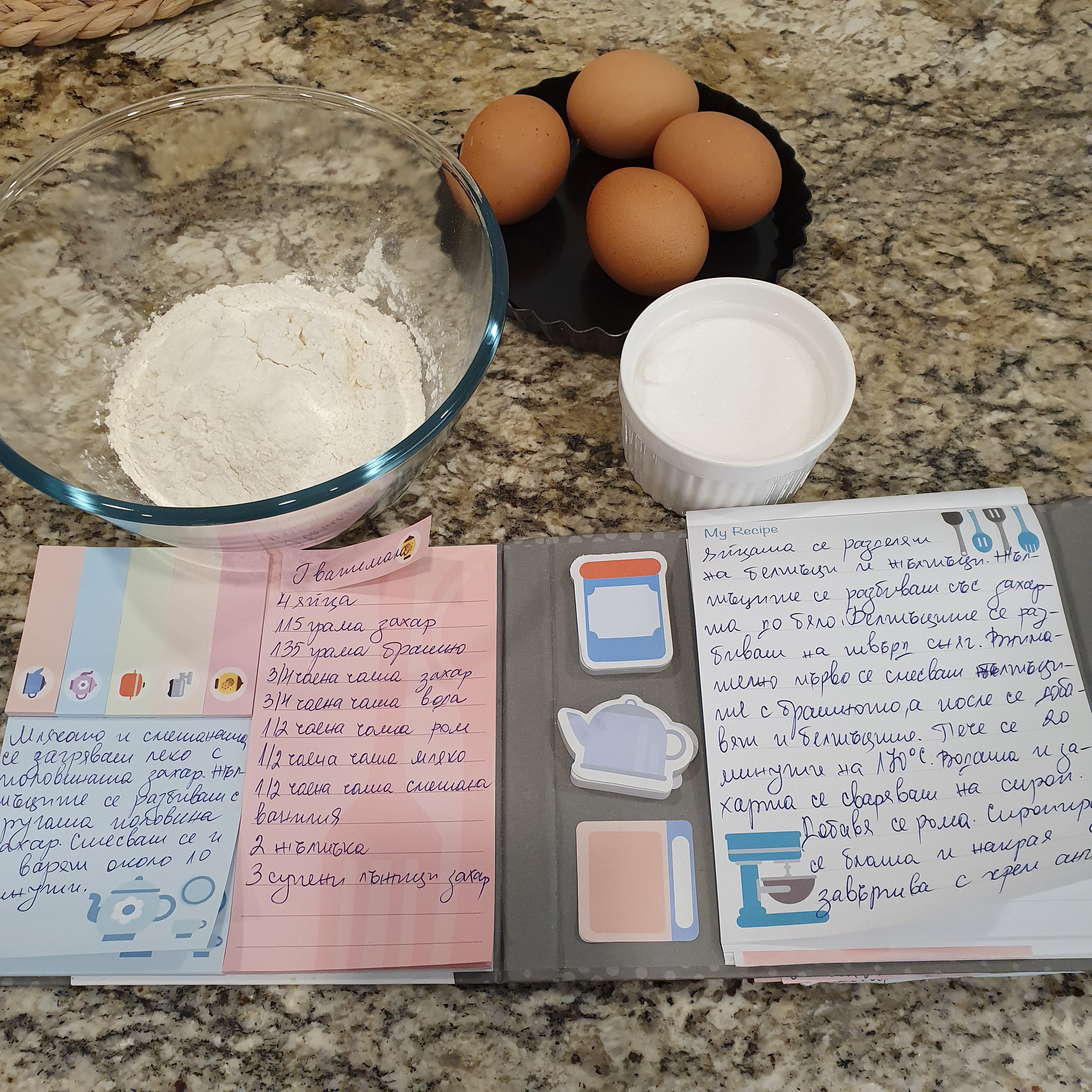
4 eggs
115 grams of sugar
135 grams of flour
For the syrup:
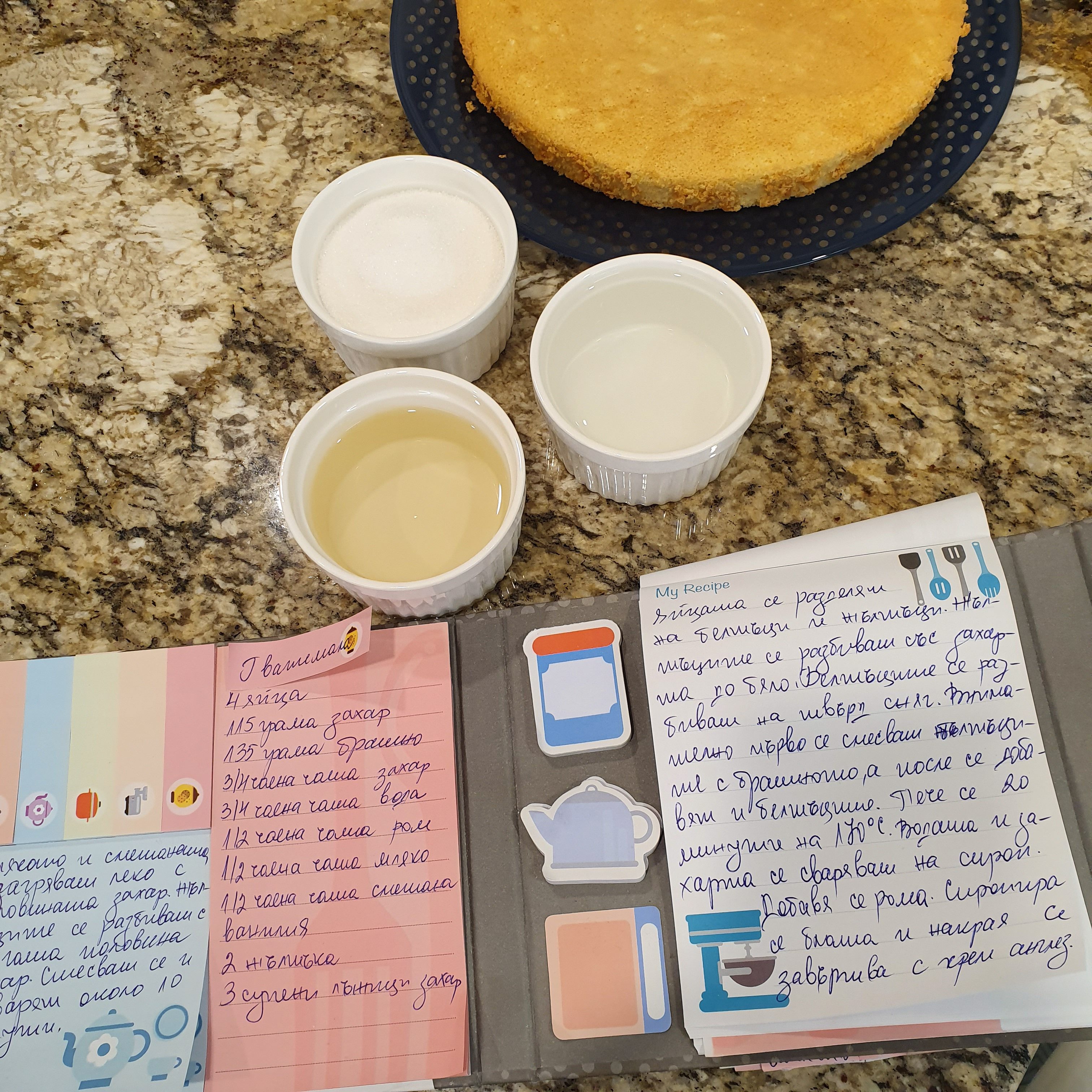
3/4 tea cup of sugar
3/4 tea cup of water
1/2 cup of rum
For cream “Anglaise”:
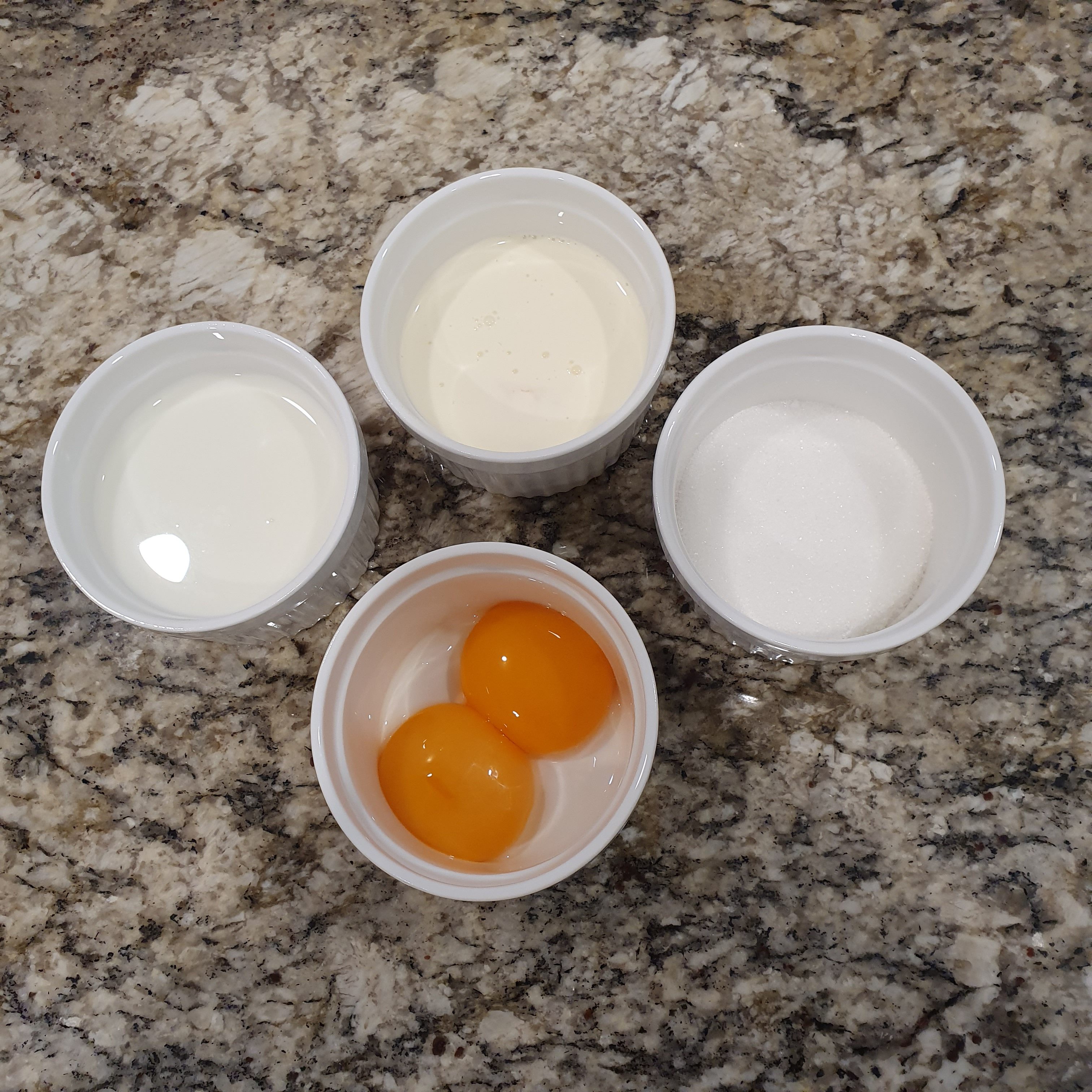
1/2 tea cup fresh milk
1/2 tea cup sour cream
vanilla
2 egg yolks
3 tablespoons sugar
Steps of preparation:
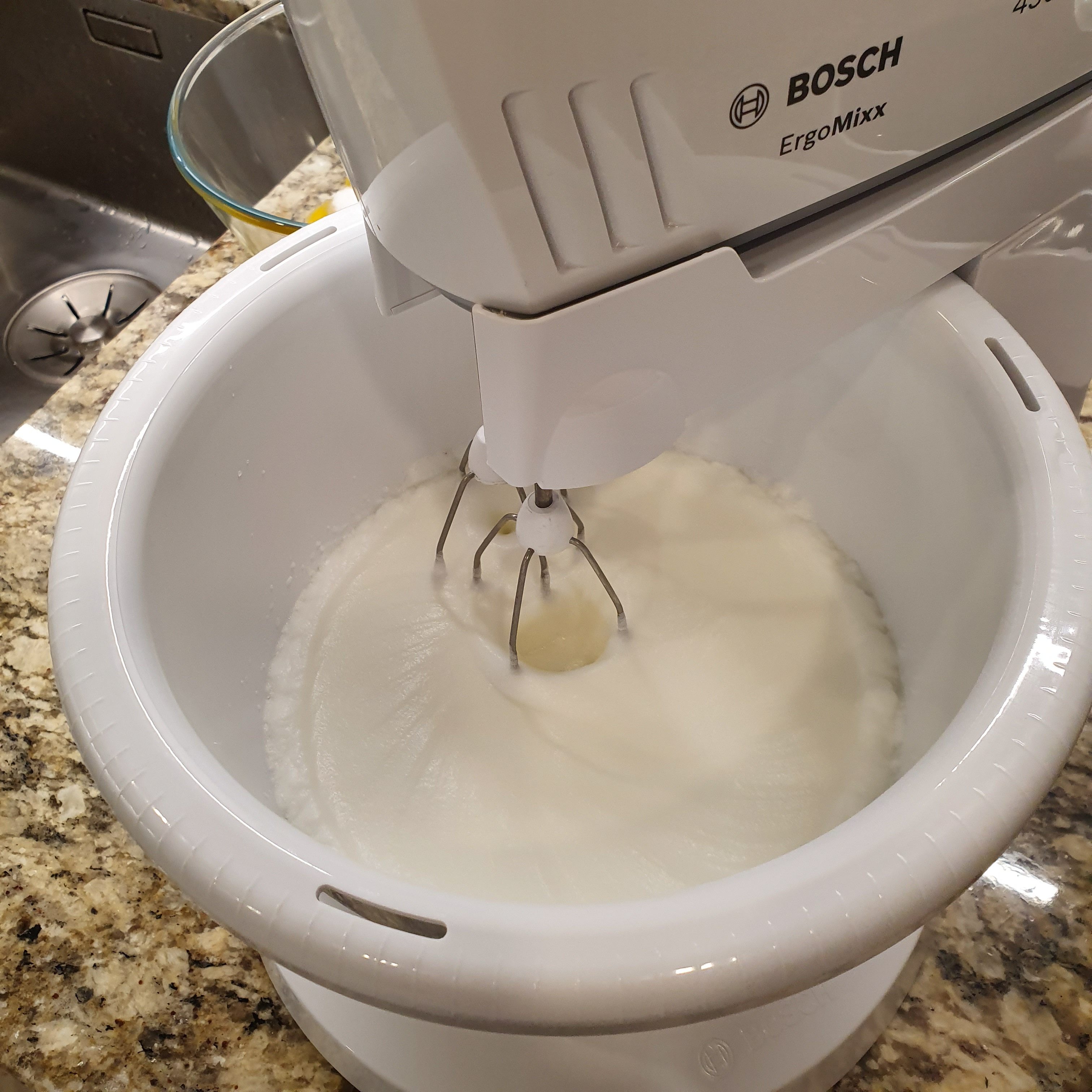
Beat the egg yolks with the sugar until white. Carefully mix the yolk mixture with the flour, stirring from the bottom up in the bowl with a stirrer. Separately beat the egg whites on hard snow. (Because I was obedient Santa brought me a mixer to make it easier to break anything. 🙂) Add them in portions to the main mixture, stirring gently to keep the air in the mixture. Bake at 170 degrees for about 20 minutes in a pan lined with baking paper.
Remove from oven. Allow to cool for 5 minutes and remove the cake from the pan on a wire rack.
For the syrup, bring the water and sugar to a boil. When the mixture thickens, add the rum and remove from the heat.
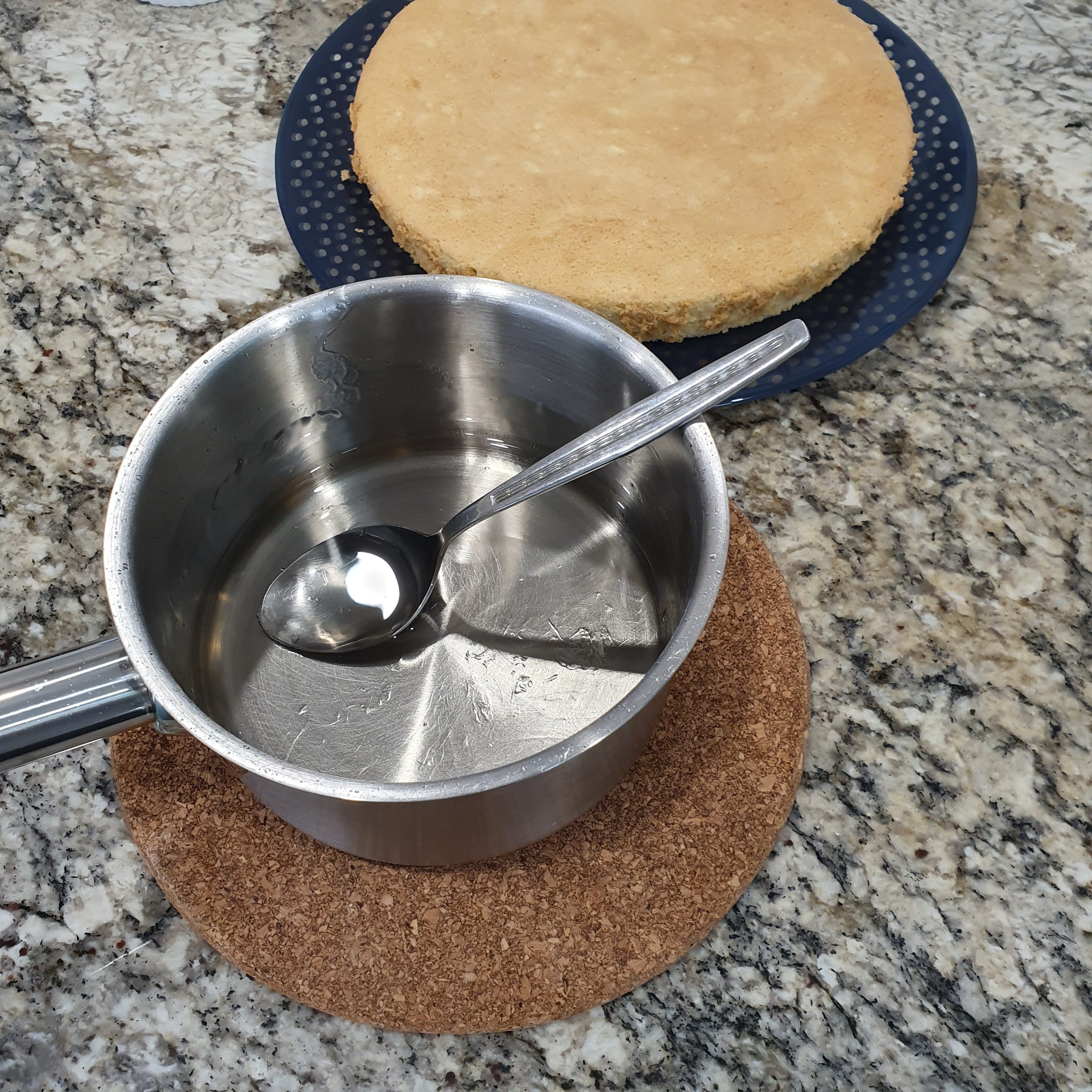
There is a basic rule in syruping – cakes and syrup to have different temperatures, one cold, the other warm. However, I prefer both chilled. To be sure. 😉
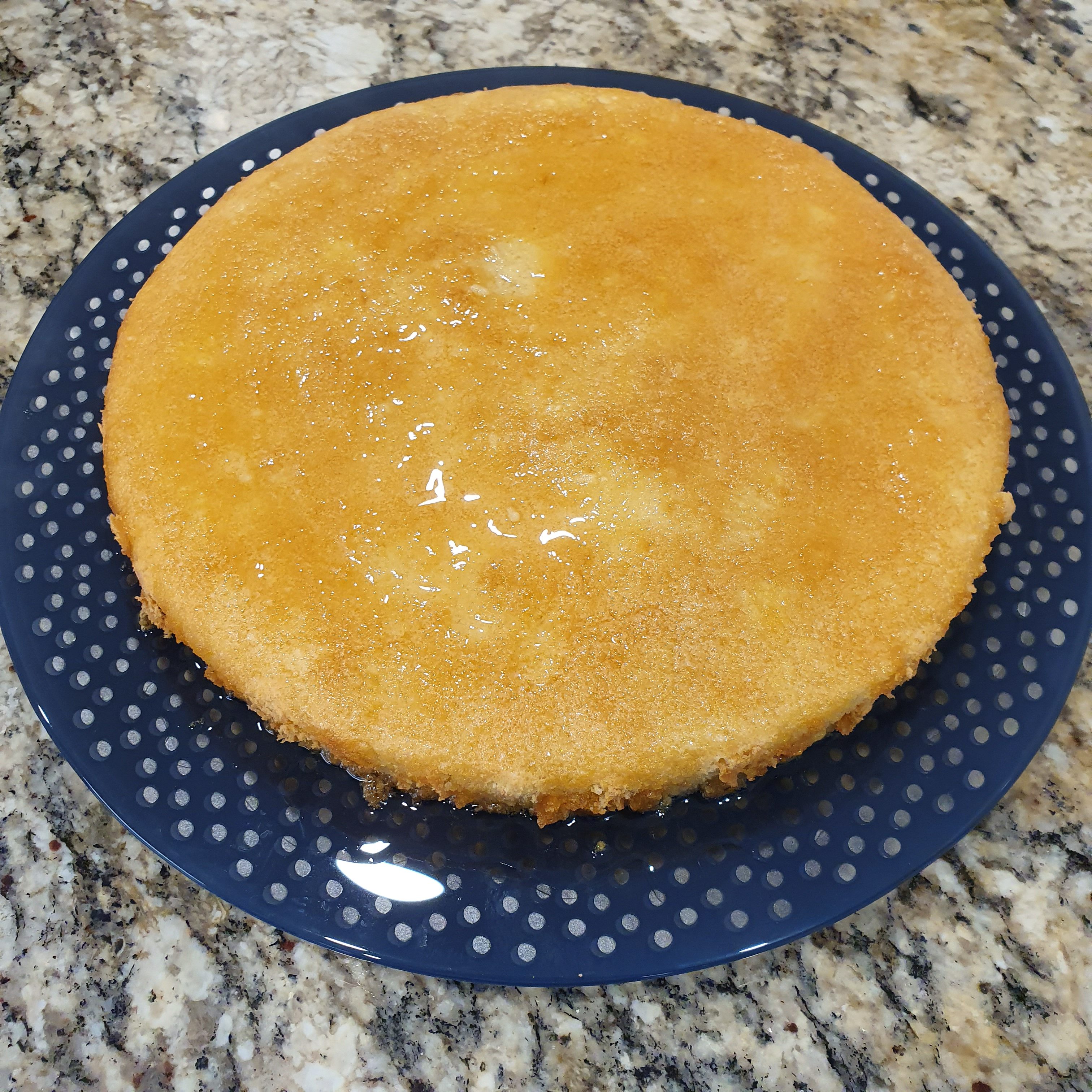
Syrup the cake and leave to make cream “Anglaise”. It’s pretty easy. Heat the milk, cream and half the sugar on the hob. Beat the other half of the sugar with the yolks. Pour a thin stream of part of the milk mixture into the yolks and then mix everything in the pan on the stove. Cook over medium heat for 10 minutes, stirring constantly. Cool the cream for a while and lightly spread on the top of cake.
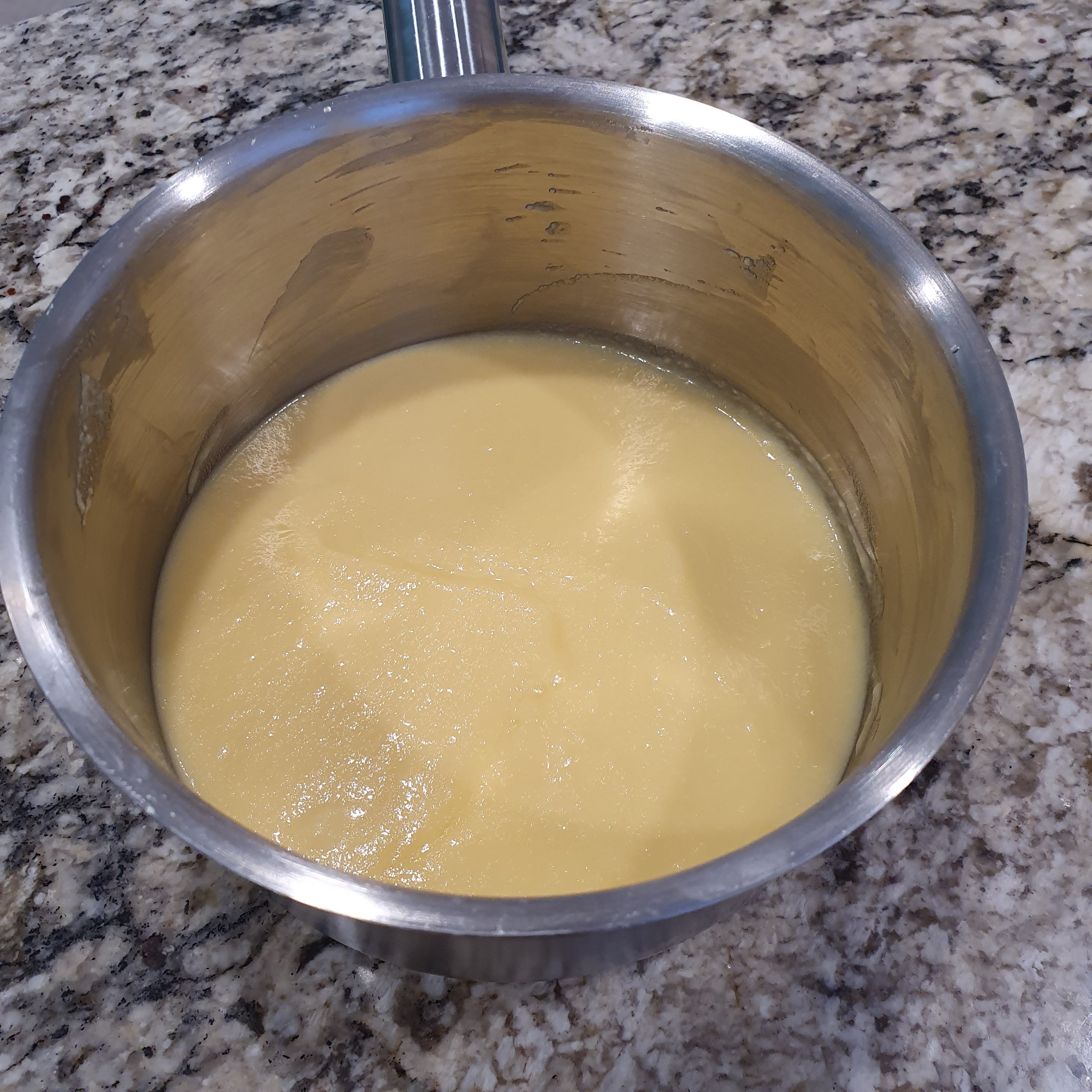
That’s it. As I promised – very simple. Looking at the countries with the letter G, there may soon be nothing like this 🙁. Maybe for Germany we will be lucky for a rich cake. Until then, don’t stop dreaming and enjoying the food and the sweet part of life. 🙂
Next destination – Guinea.