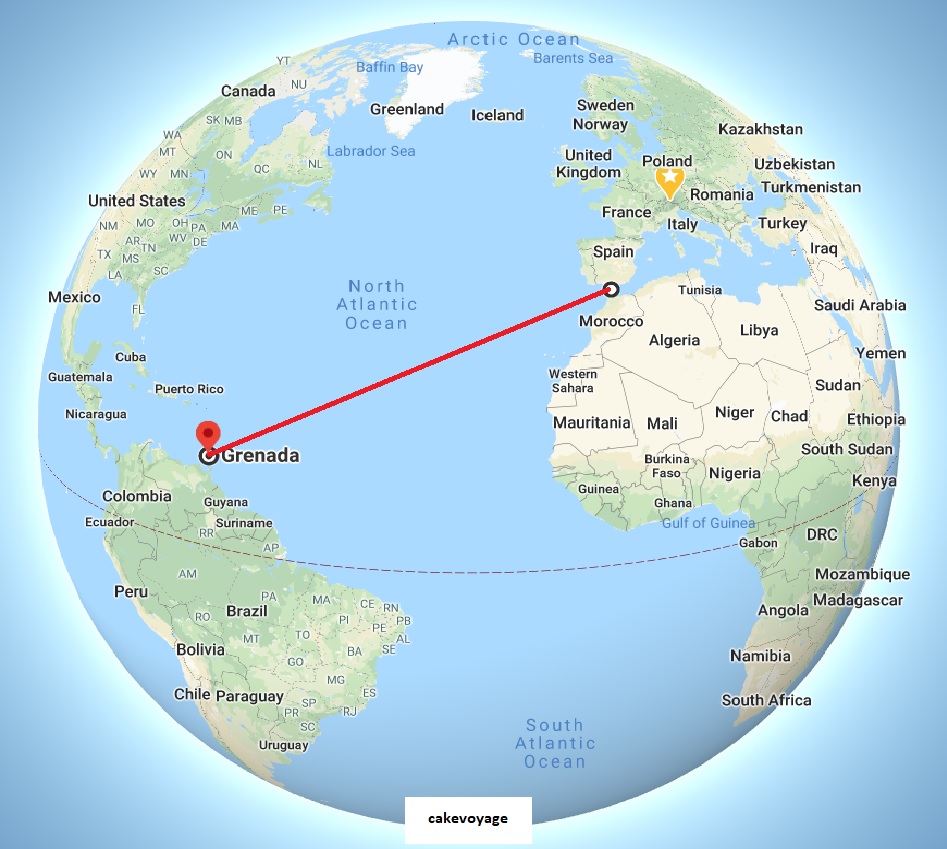

Today we are guests in the southernmost point of the Iberian Peninsula. In a country that does not have 7 sq. Km. – the overseas territory of Great Britain Gibraltar. Literally a rock, a city and a sandy isthmus that connects it with the Pyrenees. The Strait of Gibraltar has a strategic position and connects the Mediterranean with the Atlantic Ocean and separates Europe from North Africa. So it is no wonder that this piece of land is so appetizing for conquest – first here were the Moors, then for a century the Spaniards and finally the British. The Spaniards tried several times to regain their territory, but to no avail. In 1967, a referendum was held in which 99% of the population voted for Gibraltar to remain in British possession. This worsened relations with Spain and for 16 years the border between the two countries was closed. In the 2016 referendum on Britain’s exit from the European Union, 96% of Gibraltarians voted to stay in the EU. In general, Gibraltar is not covered by the EU’s common agricultural policy, the Schengen agreements, nor is it a common EU customs territory, as there is no VAT there.
One of the most dangerous airports in the world is located here, on this strip of land. It was built during the Second World War and the track starts and ends literally in the sea. It has a length of 1680 meters, which is too short (for comparison, the runway at Sofia Airport is 3600 meters). There is no way to cross Gibraltar on foot or by car and not step on the runway, and when a plane takes off or lands, the road crossing it closes. Almost like a railway crossing. 😀

Impressive are the tunnels of Gibraltar, which were built by the British army for more than 200 years and form a kind of network of passages inside the rock. These tunnels are actually a huge secret city that has been able to house up to 17,000 military personnel with enough water and food for the next two years! There were dormitories, kitchens, a hospital, weapons, water, food, fuel depots, and even a fully functioning theater for entertainment of military. Within a land area of less than 7 square kilometers, Gibraltar has about 52 kilometers of tunnels – almost twice the size of its entire road network!
At the end of the 19th century, four huge hundred-ton cannons were built in Britain. Two of them were intended for the defense of Gibraltar and the other two for Malta. One of the two Gibraltar monsters is preserved to this day. The purpose of the cannon was to defend the west coast of Gibraltar, and its size is truly impressive. It has a barrel over ten meters long and can fire a projectile at a distance of nearly 13 km. It takes nearly three hours to prepare for work, and it takes 35 people to charge it. One projectile for the cannon weighs about 900 kilograms and is fired at a speed of 300 meters per second.
Another major attraction of this place are the Berber macaque monkeys. This is the only place in Europe where wild monkeys of this species live. It is believed that Gibraltar will remain under the British flag as long as there is at least one live monkey in that place. Currently, the population numbers about 300 animals. The state takes care not to reduce the number, but also not to increase it excessively. The Magots were brought from Africa in the time of the Moors. It is said that after World War II there were only 7 left and Winston Churchill made sure to import more from Africa.
There are legends associated with this place. One of them is the legend of the pillars and is associated with the tenth of the twelve feats of Hercules. The task before him was to steal the red cows of the giant Gerion. On the way to the island where the giant lived, Hercules had to cross the Atlas Mountains. But instead of climbing them, he simply used his superhuman strength and made his way directly through the mountain, dividing it into two parts. He thus created the Strait of Gibraltar and connected the Mediterranean Sea with the Atlantic Ocean. The two parts of the mountain became known as the Pillars of Hercules. The northern pillar is the Rock of Gibraltar, and the southern one is on the opposite African coast and is believed to be either Monte Hacho in Ceuta or Jebel Musa (Moses’ Mountain) in Morocco. In ancient times, the Pillars of Hercules marked the western border of the known world, and Plato claims that between them is the mythical sunken island of Atlantis.
Given that Gibraltar is a mixture of races, ethnicities and cultures, it is no surprise that the local cuisine is so diverse. In this multi-cultural environment are reflected traditional dishes from the national cuisines of Morocco, Israel, France, Italy and Spain. Of course, there are also traditional British dishes such as fish and chips, for example. They say that the seafood here is the best in the world. A famous dish here is Rosto – pasta penne in tomato sauce with beef (rare pork) in combination with carrots and mushrooms, sprinkled with queso bola cheese. The name of this dish comes from the Italian arrosto (fried), as fried pork was often used in the recipe. Traditional local baking is Calentita – bread similar to the Italian Farinat. Chickpea flour, water, olive oil, salt and pepper are used for its preparation. A popular meat dish is Rolitos – thin slices of beef sprinkled with breadcrumbs, which are wrapped in bacon, eggs, olives, vegetables and herbs. They can be baked, fried or stewed in wine. Rolitos is a dish of Maltese origin. In England it is also known as beef olives, although many families prefer to cook it from pork or even chicken. The word rolito comes from the Spanish rollo, which means “roll”, as all the ingredients are wrapped in meat. A typical dessert is Japonesa – donuts filled with cream, which are served with tea.
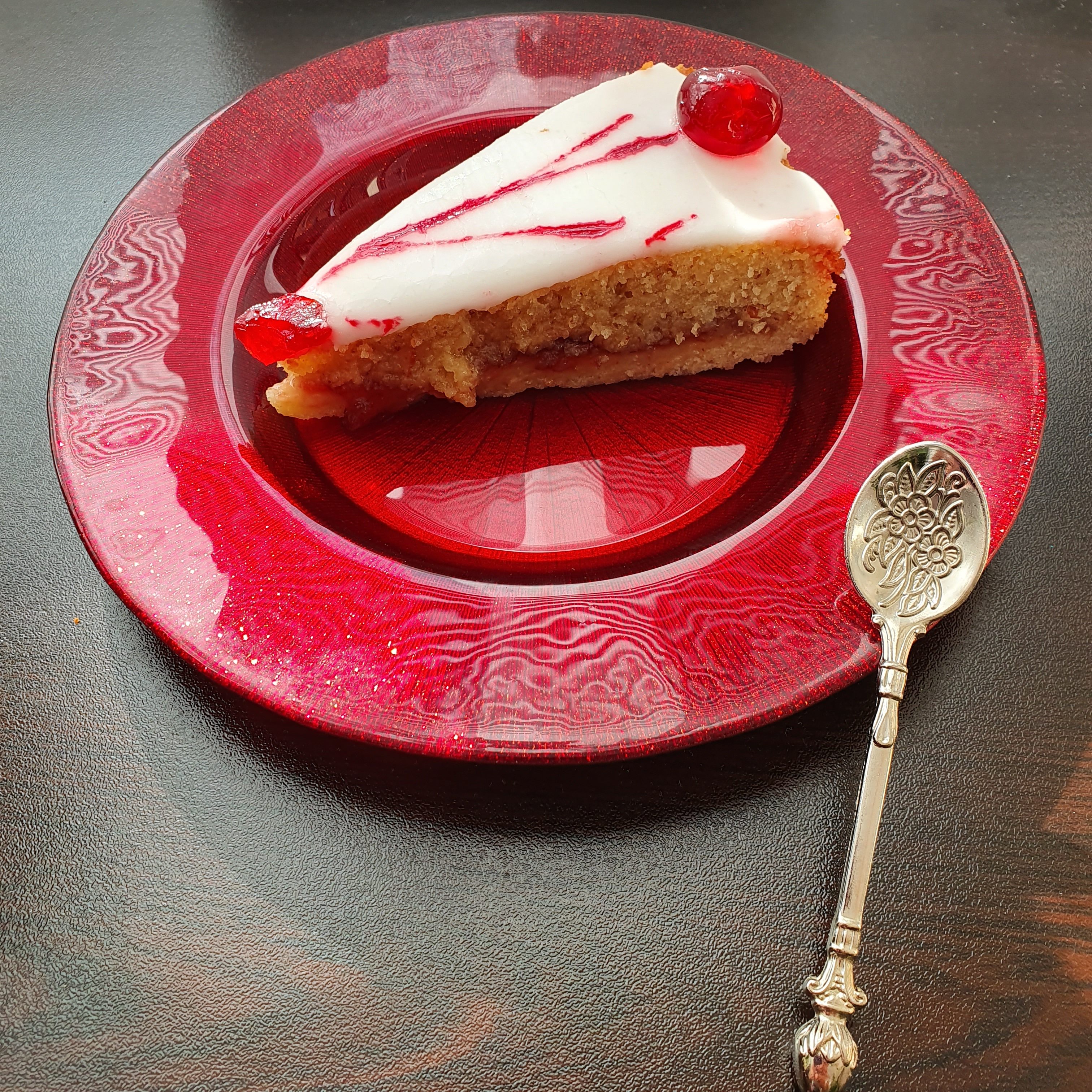
They don’t have a typical cake in Gibraltar, but since they are part of the British community, I chose to make something British for this destination – Iced Bakewell tart tray bake. Here are the necessary products:
For butter base of the cake:
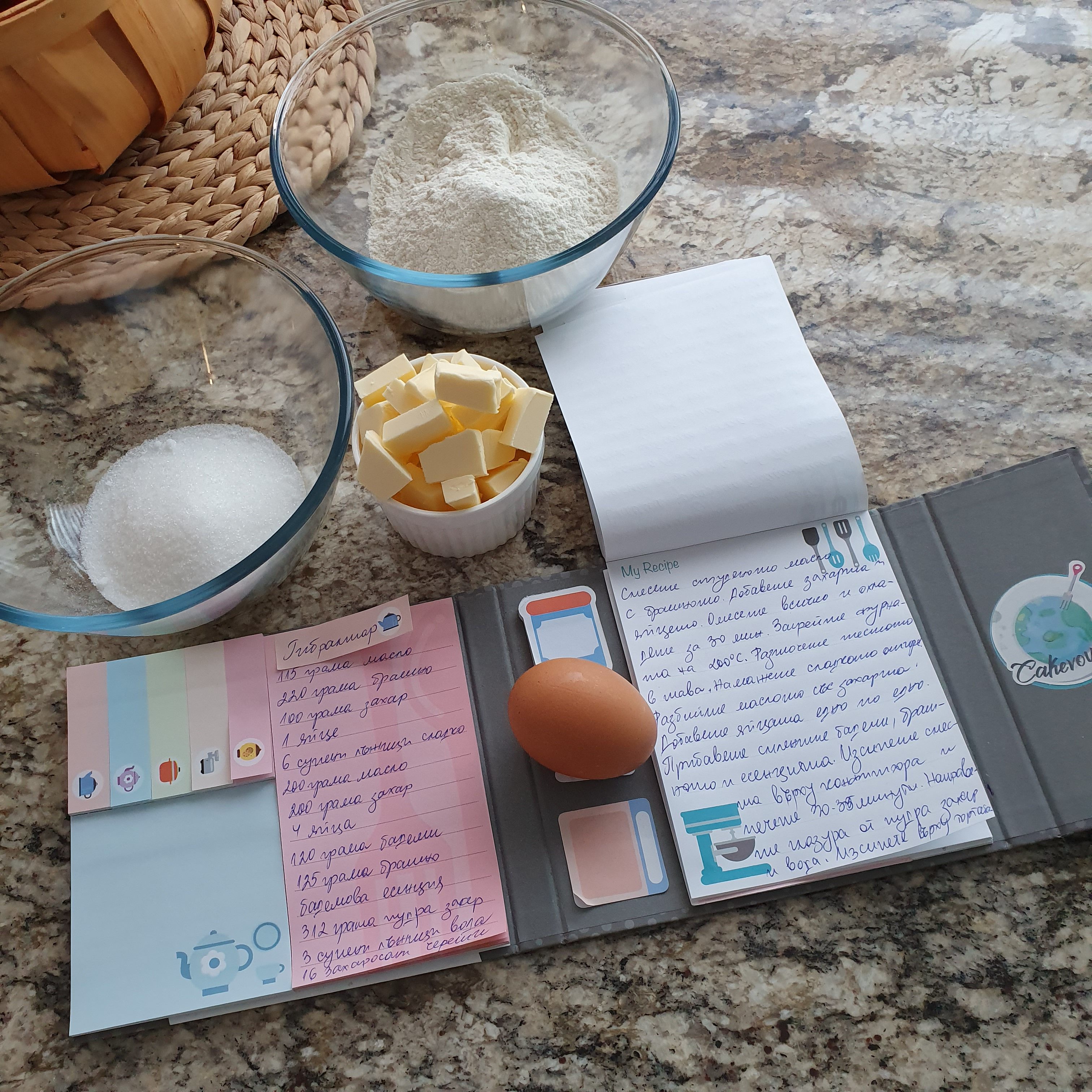
115 grams of cold butter cubes
220 grams of flour
100 grams of sugar
1 egg
For the stuffing:
6 tablespoons strawberry jam
For cake base:
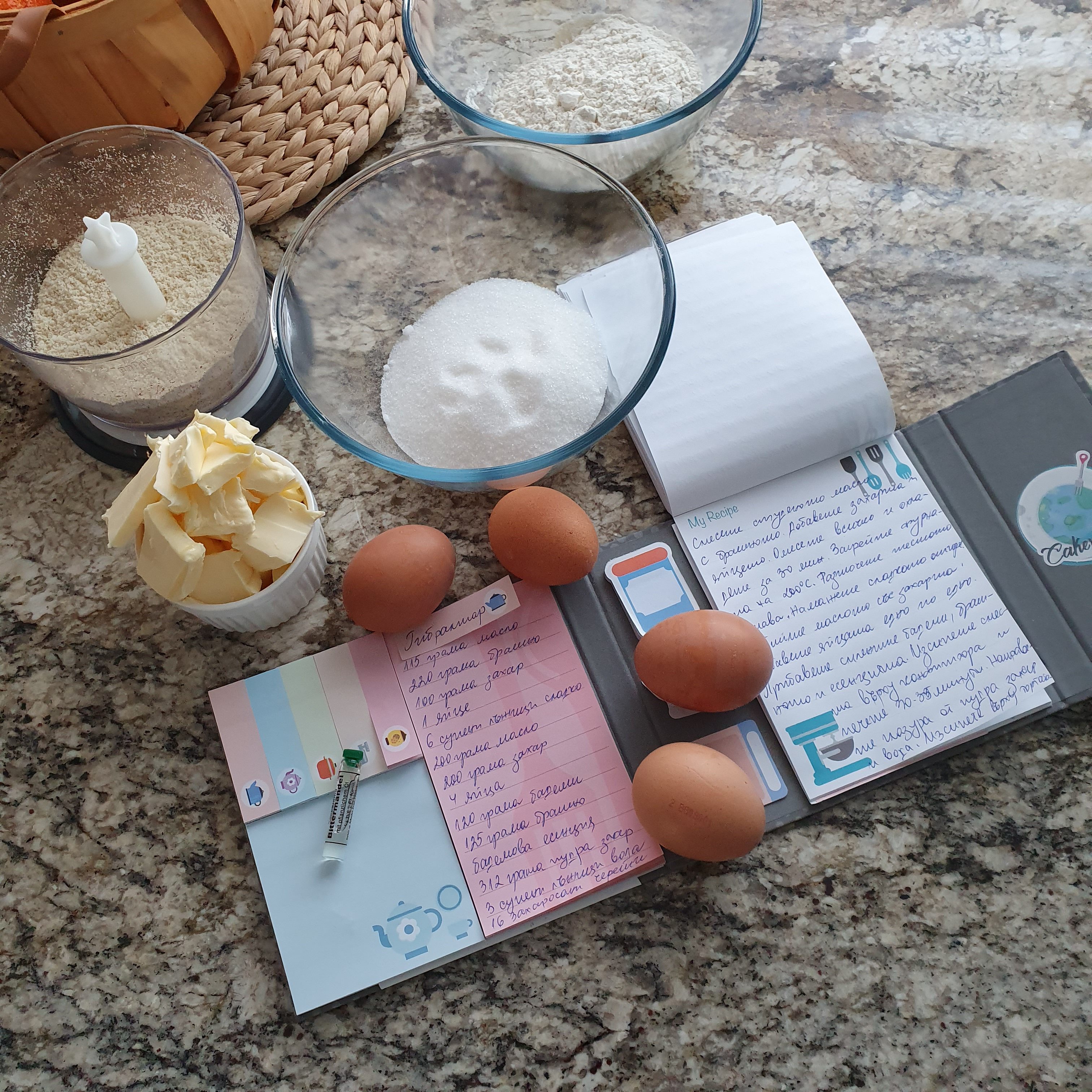
200 grams of butter at room temperature
200 grams of sugar
4 eggs
120 grams of almond flour
125 grams of flour
almond essence – about 1 teaspoon
For the glaze and decoration:
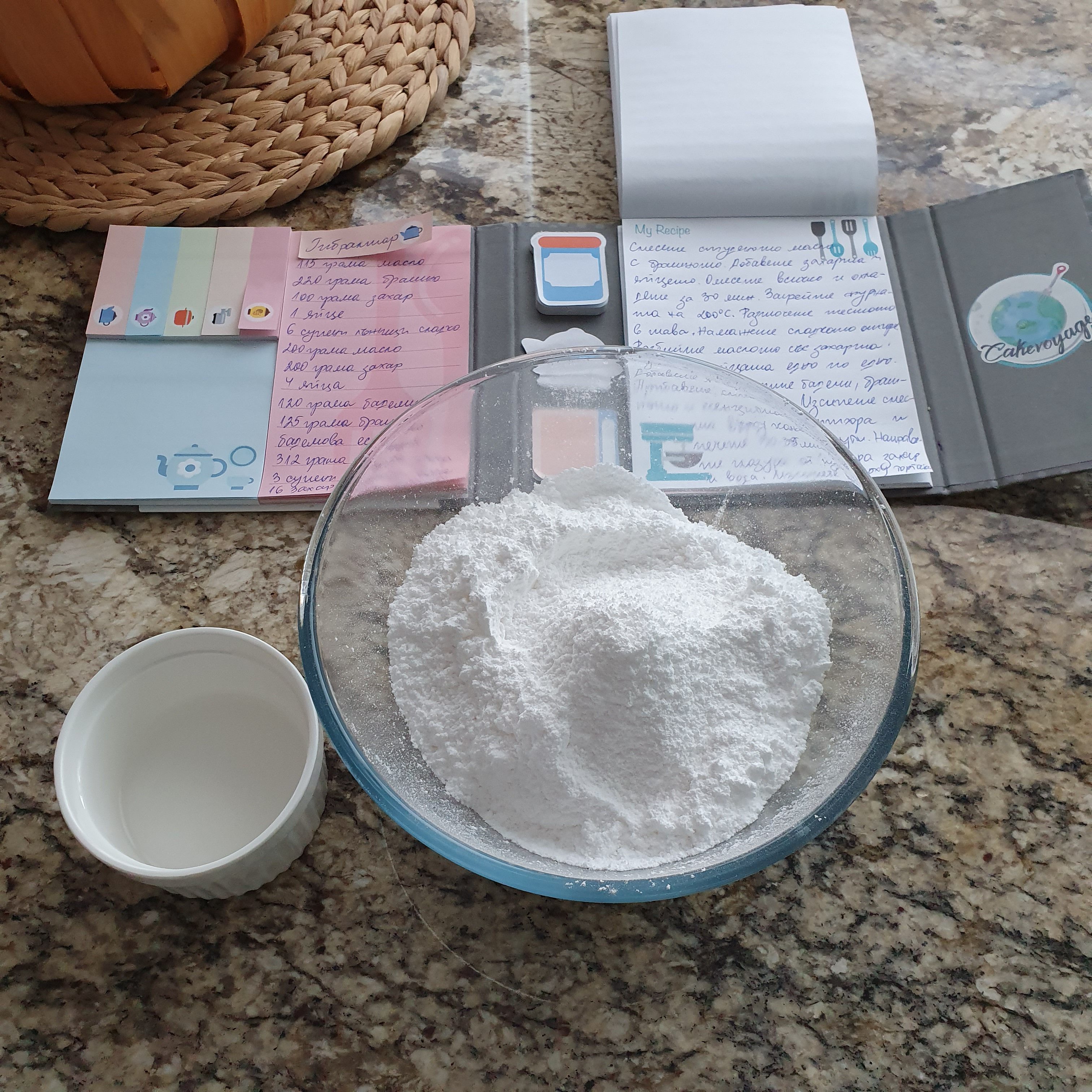
312 grams of powdered sugar
3 tablespoons water
16 candied cherries
Steps of preparation:
Mix the cold butter with the flour until everything is friable. Add sugar and egg. Do not mix much, just enough to collect the dough. Wrap it in foil for fresh storage and leave in the refrigerator for 30 minutes.
Preheat oven to 200 degrees. Beat the butter with the sugar into a fluffy cream. Add the eggs one by one, beating until homogeneous. Mix the flour with the ground almonds. Add it to the egg-butter mixture. Finally add the almond essence.
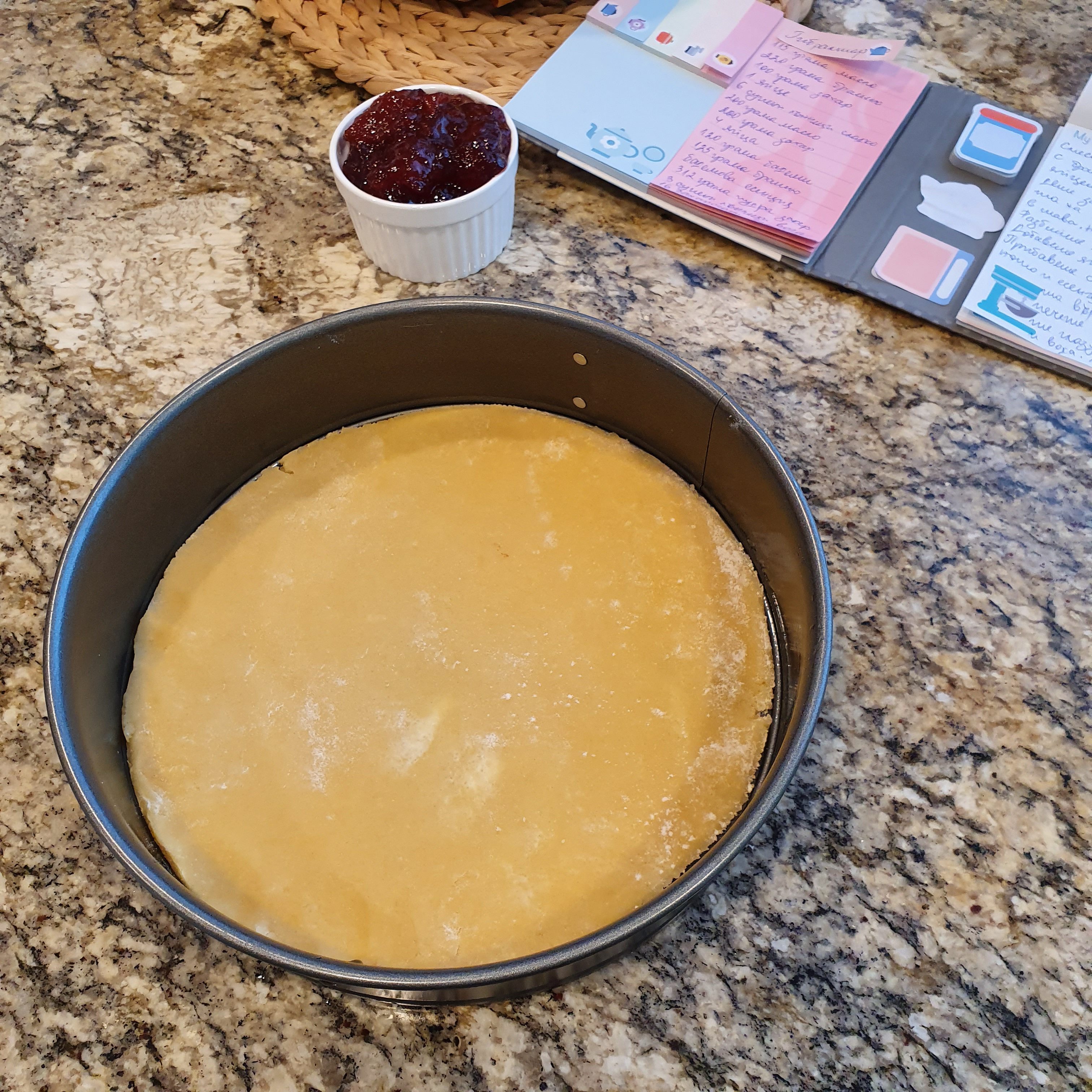
Roll out the dough on the crust from the refrigerator and spread it on the greased pan. Cut the excess as I did, unless you can roll the dough into a perfect circle with the required diameter.
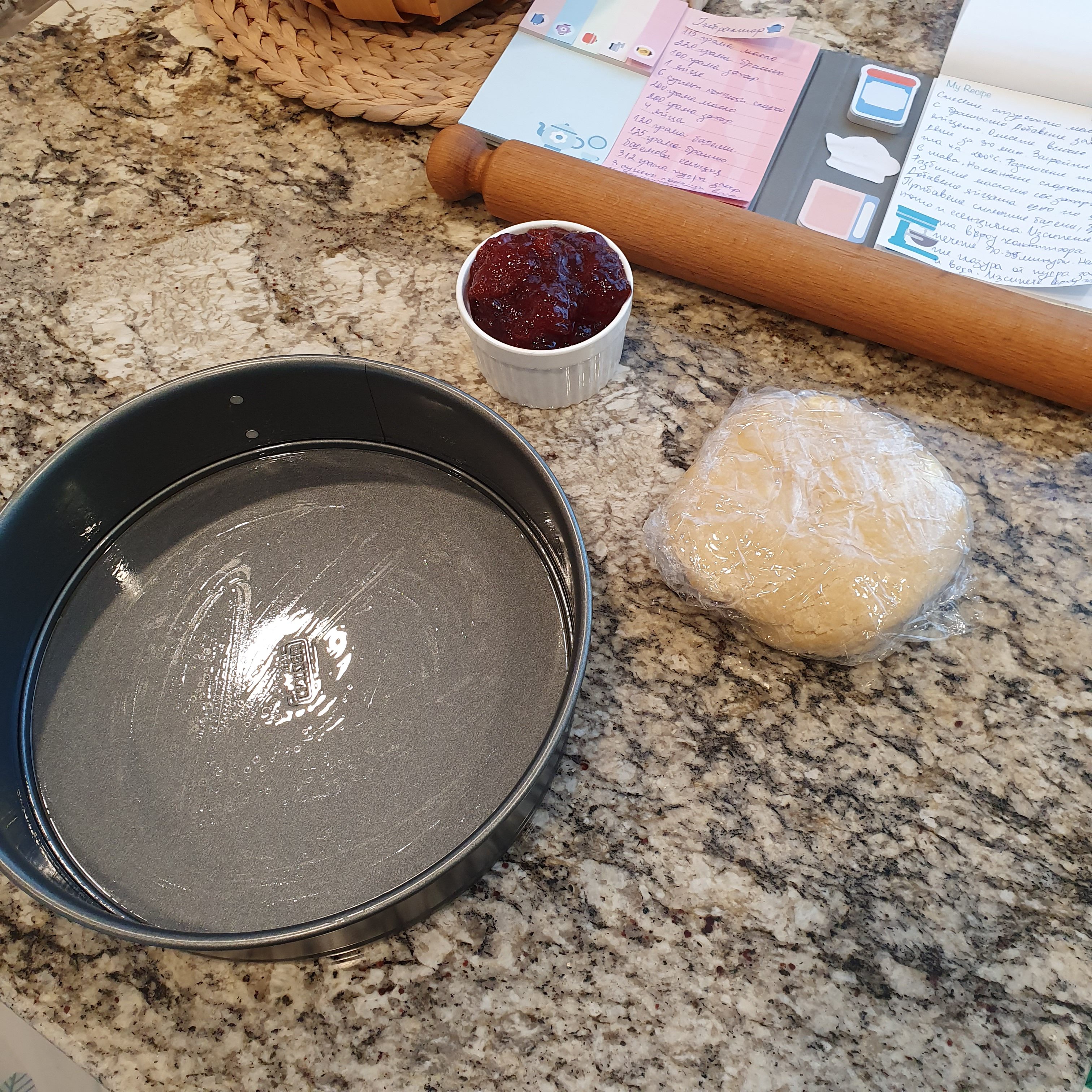
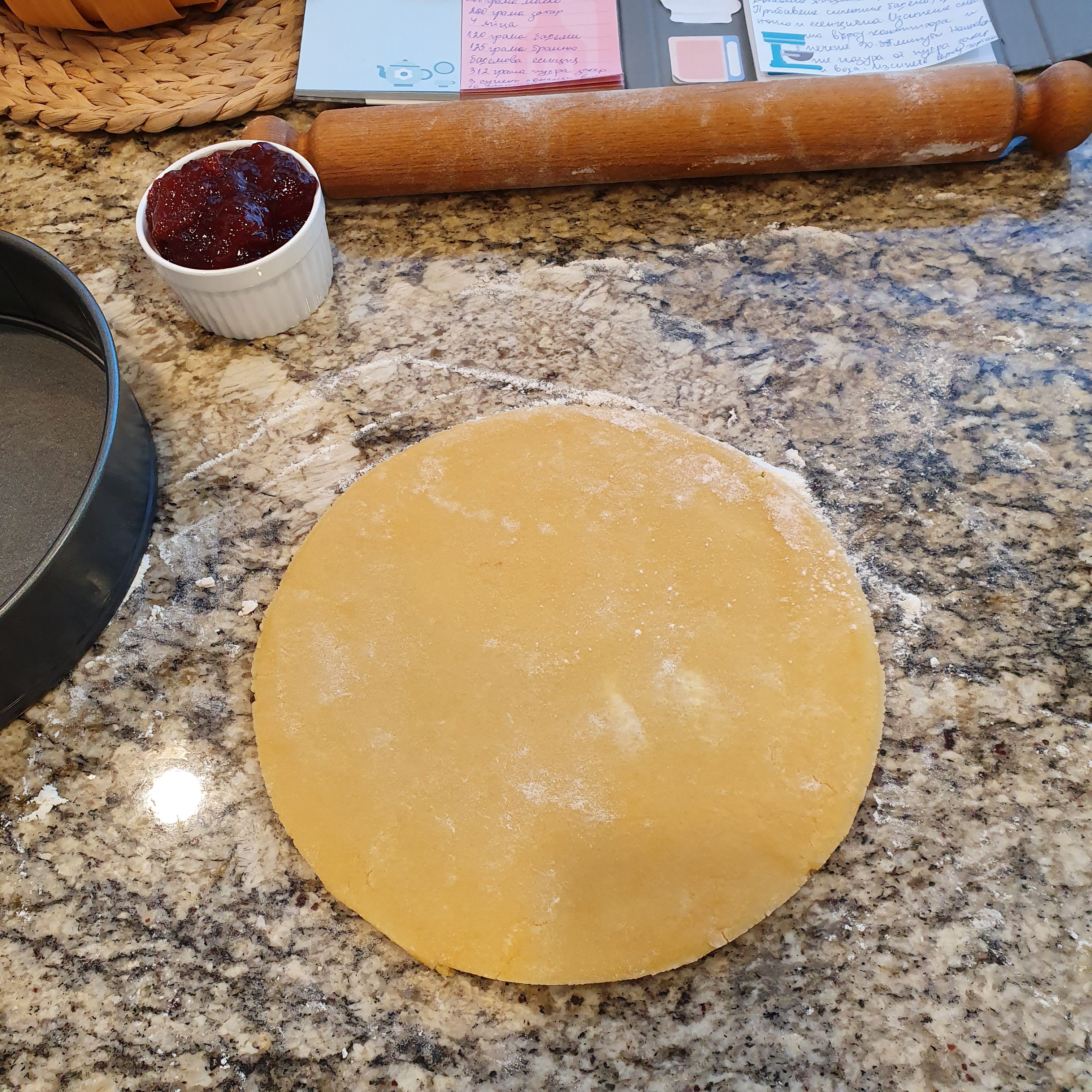
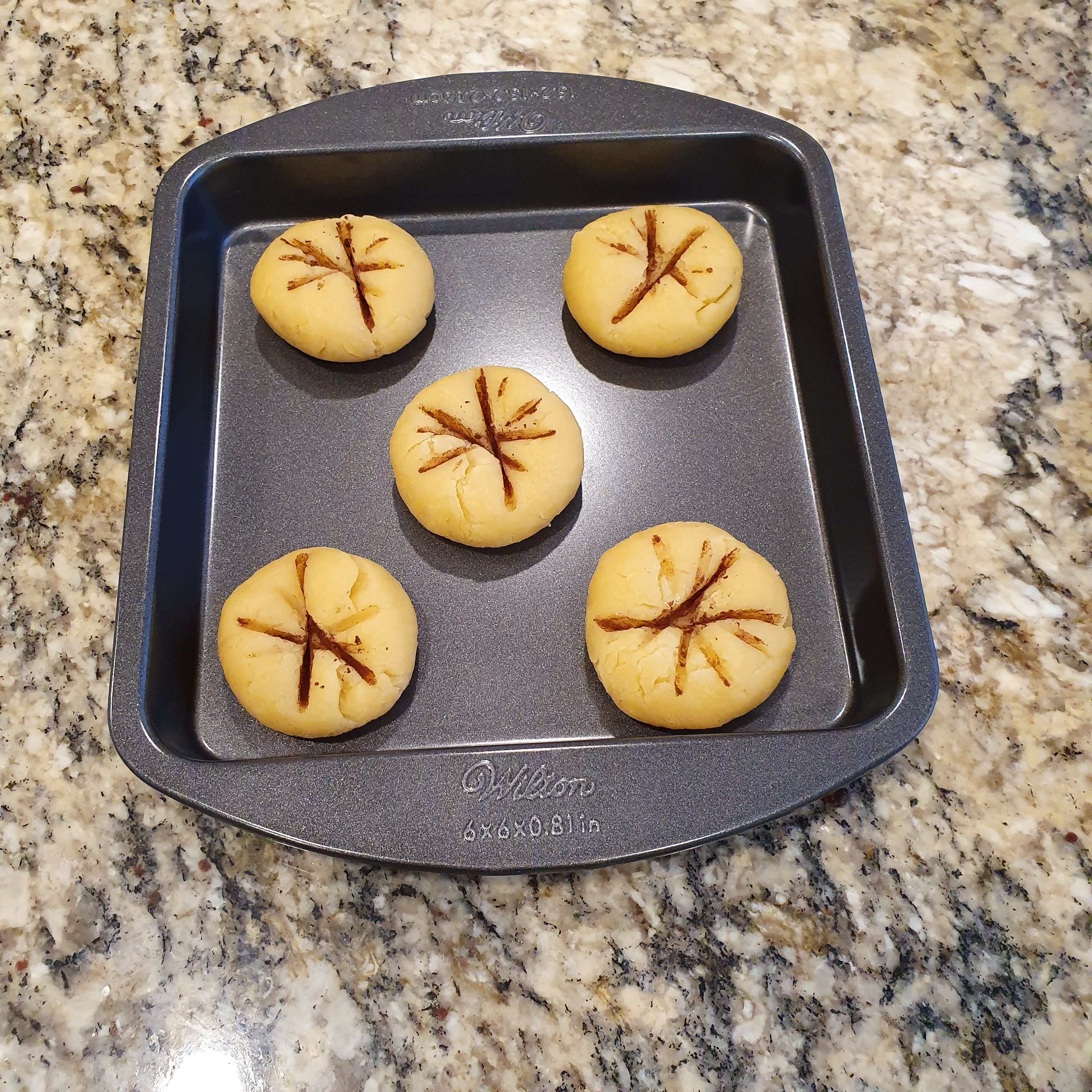
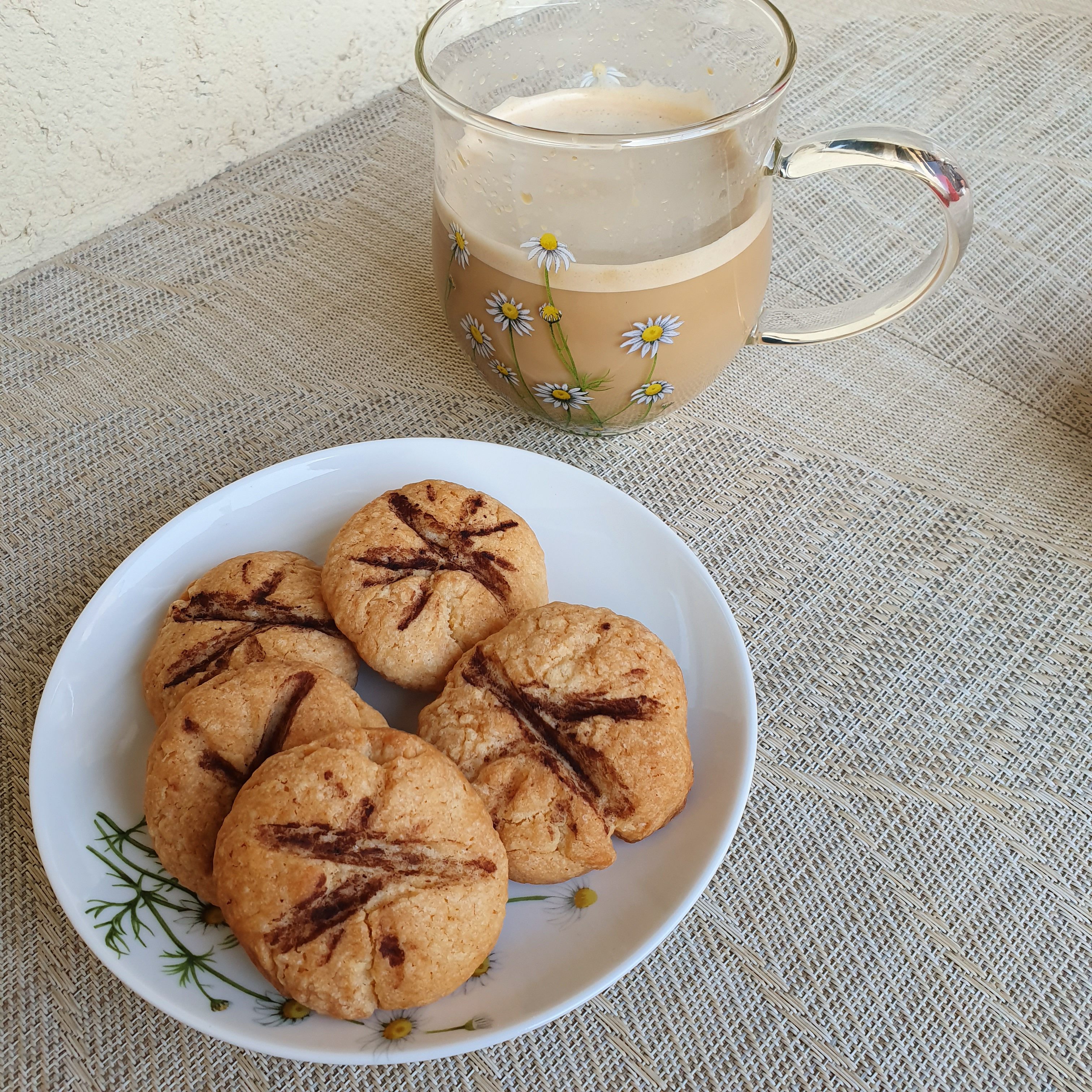
I made some biscuits for the afternoon coffee from the leftovers. 😉
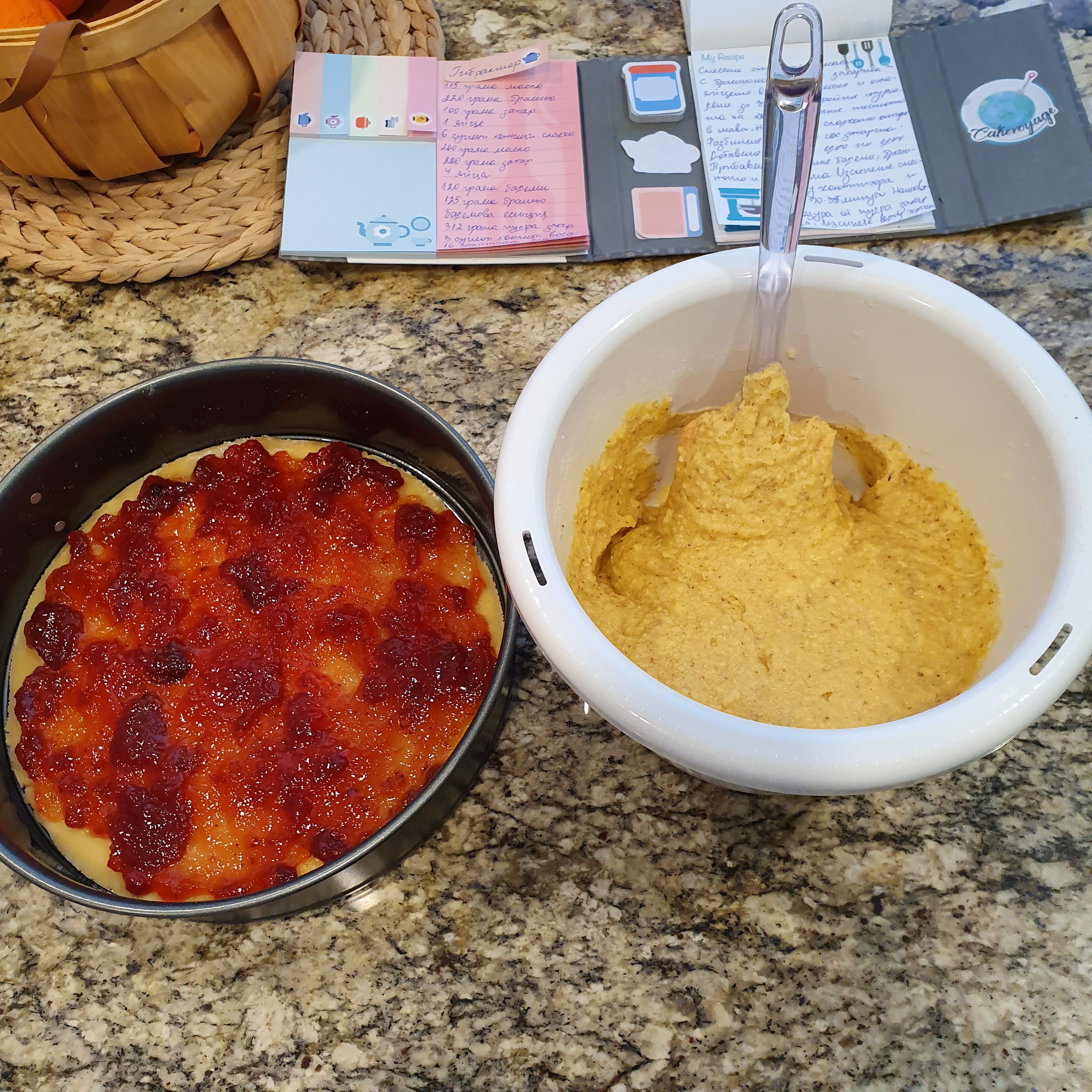
Spread strawberry jam all over the crust. Pour the cake base mixture on top.
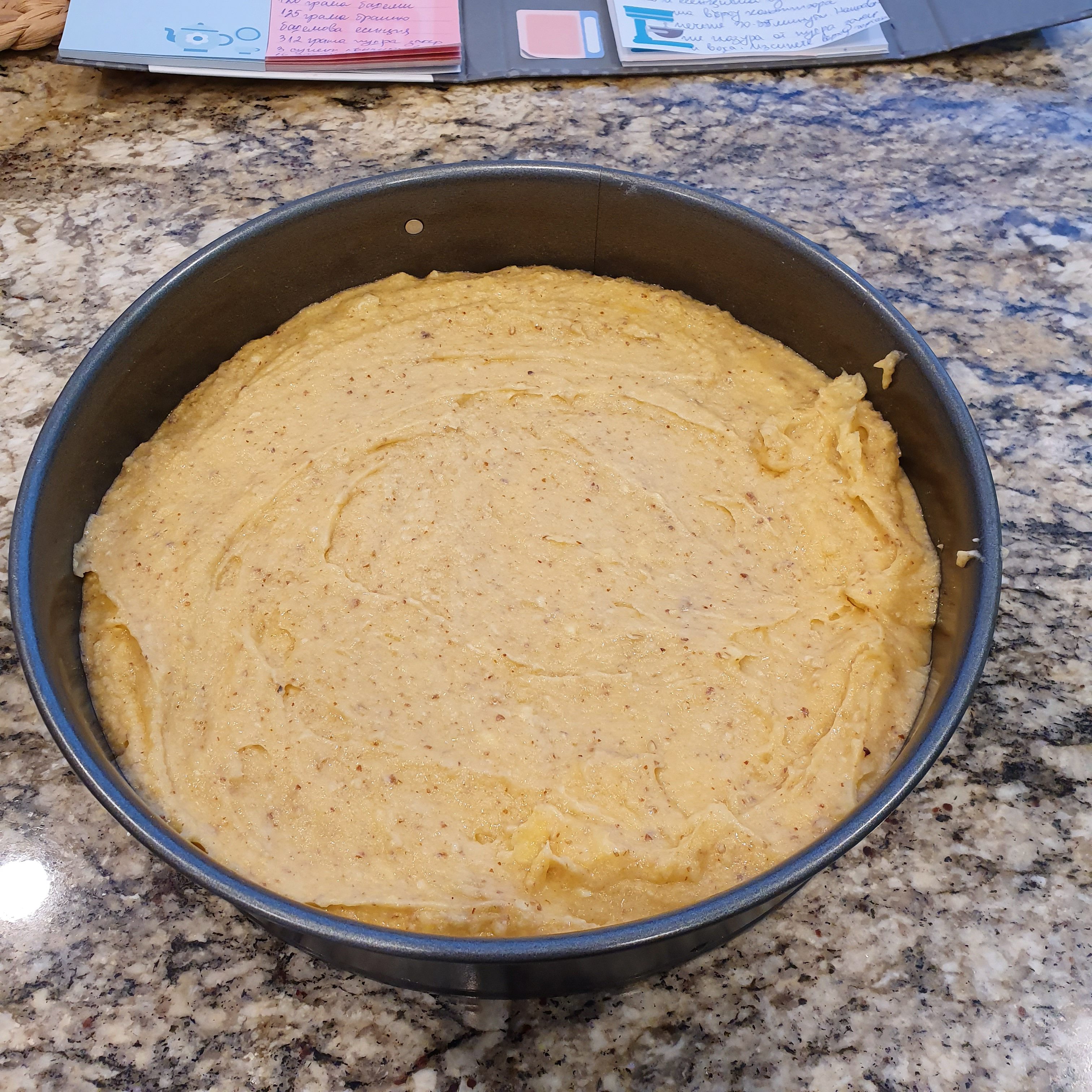
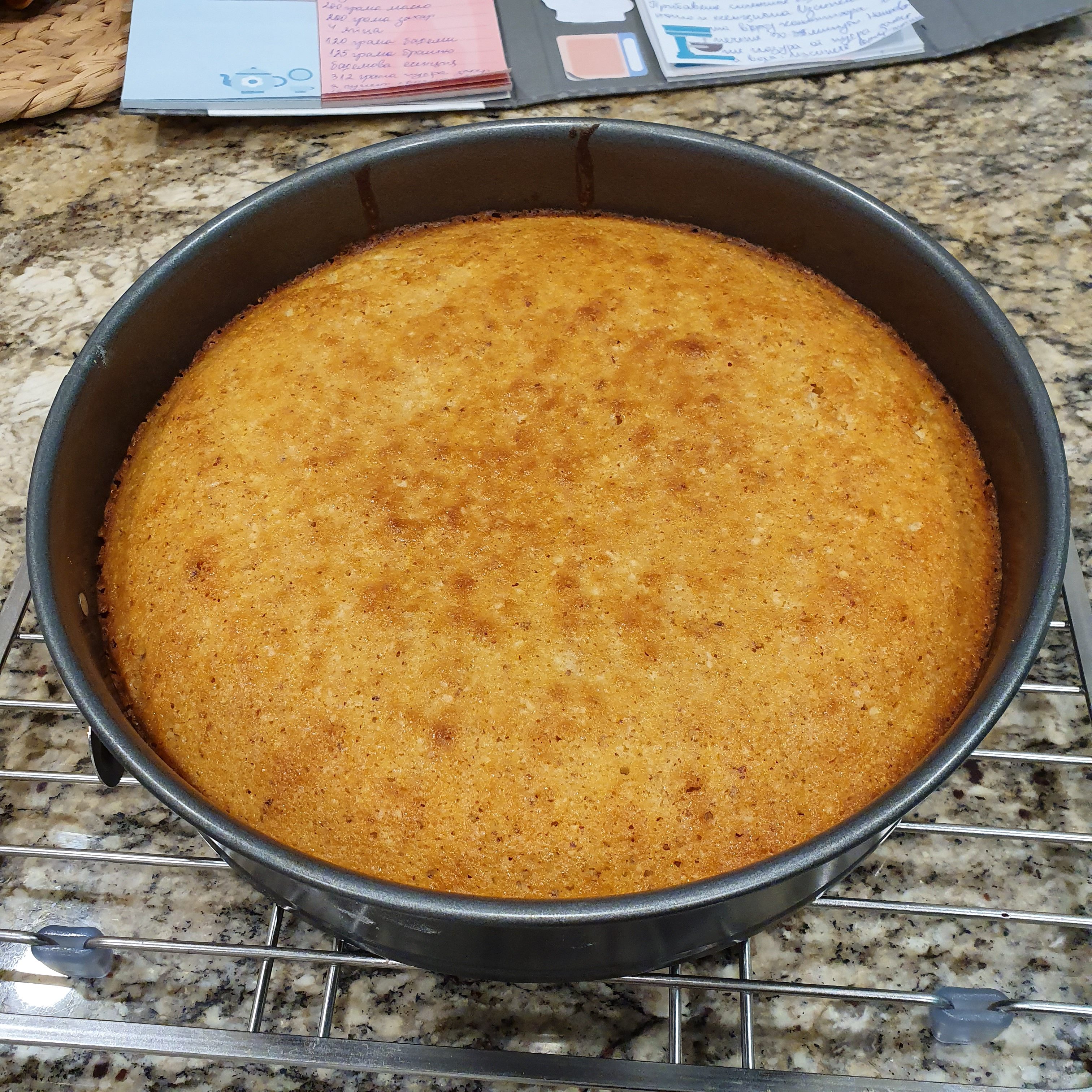
Bake for 30-35 minutes. Remove from the oven and allow to cool completely.
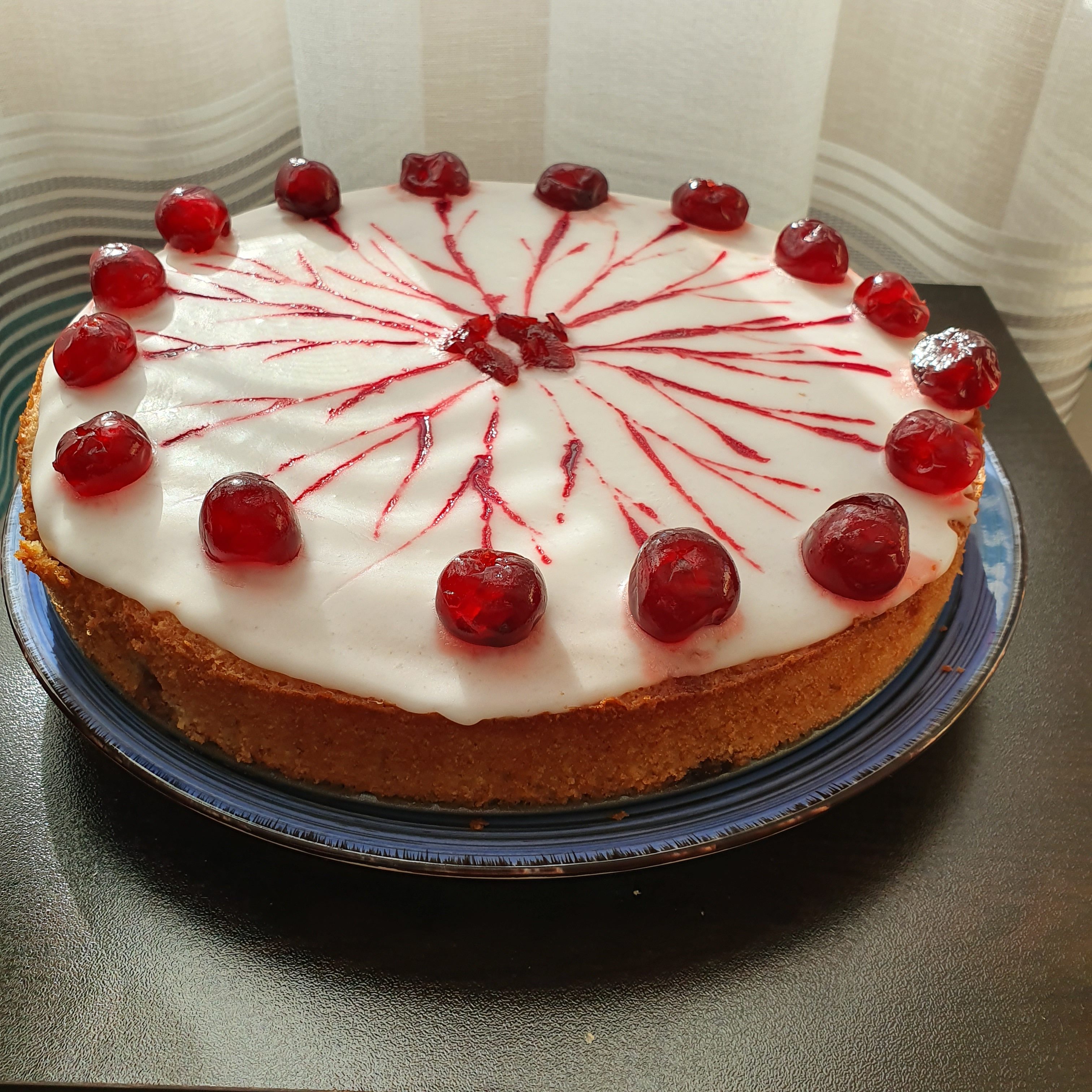
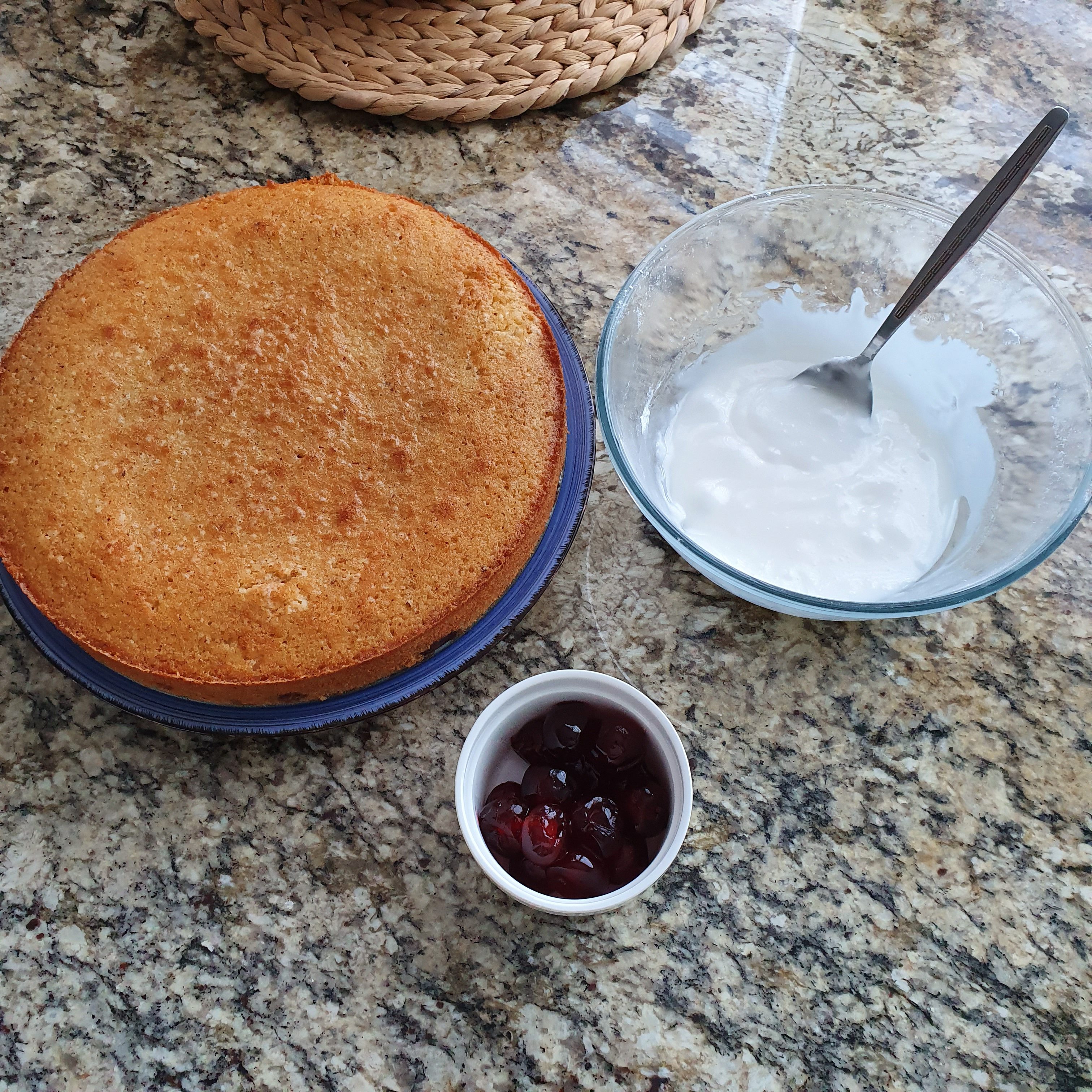
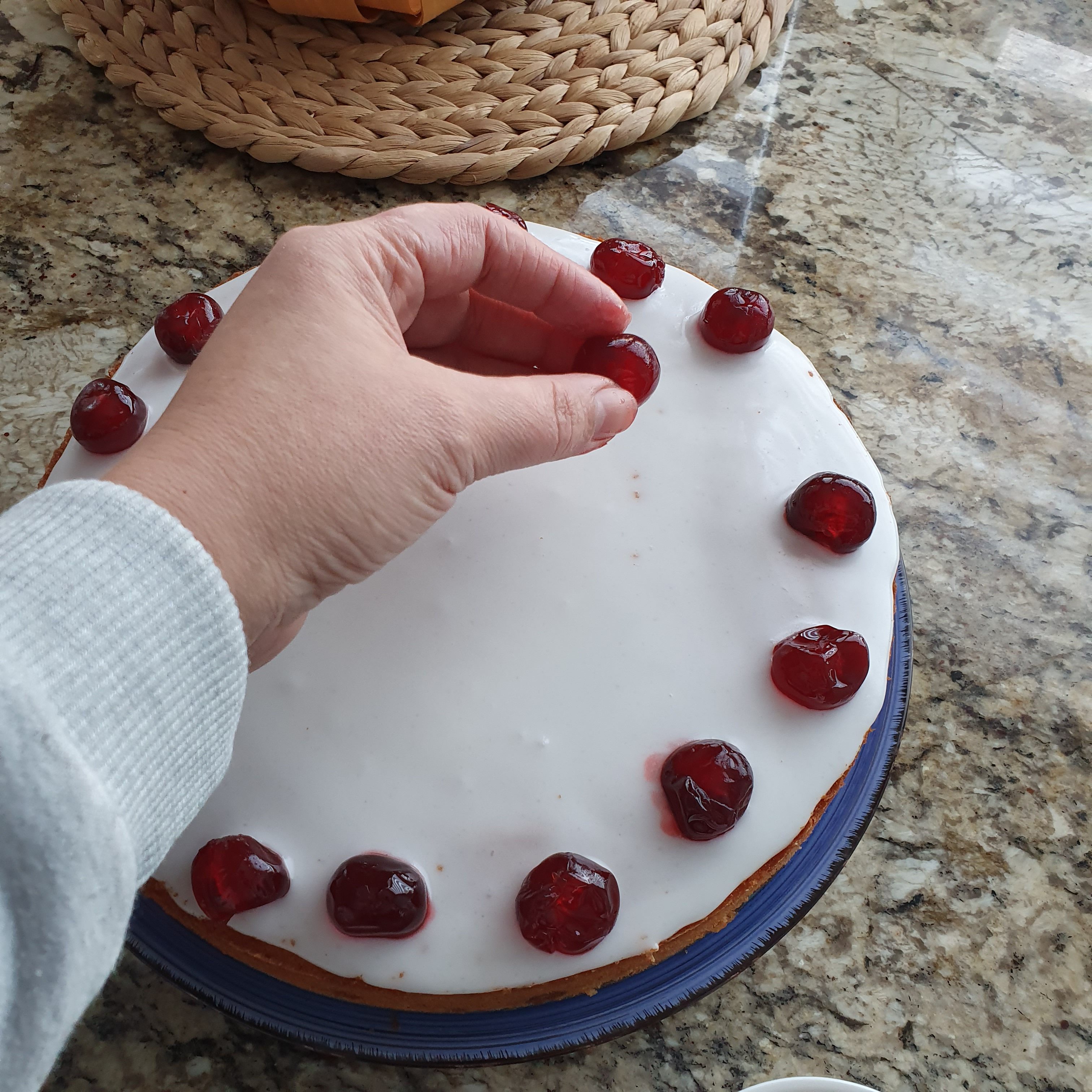
Make the glaze by mixing the water with the powdered sugar. I added another spoon plus what was written in the recipe because it seemed too thick a mixture. Spread the icing on top of the cake and decorate with cherries.
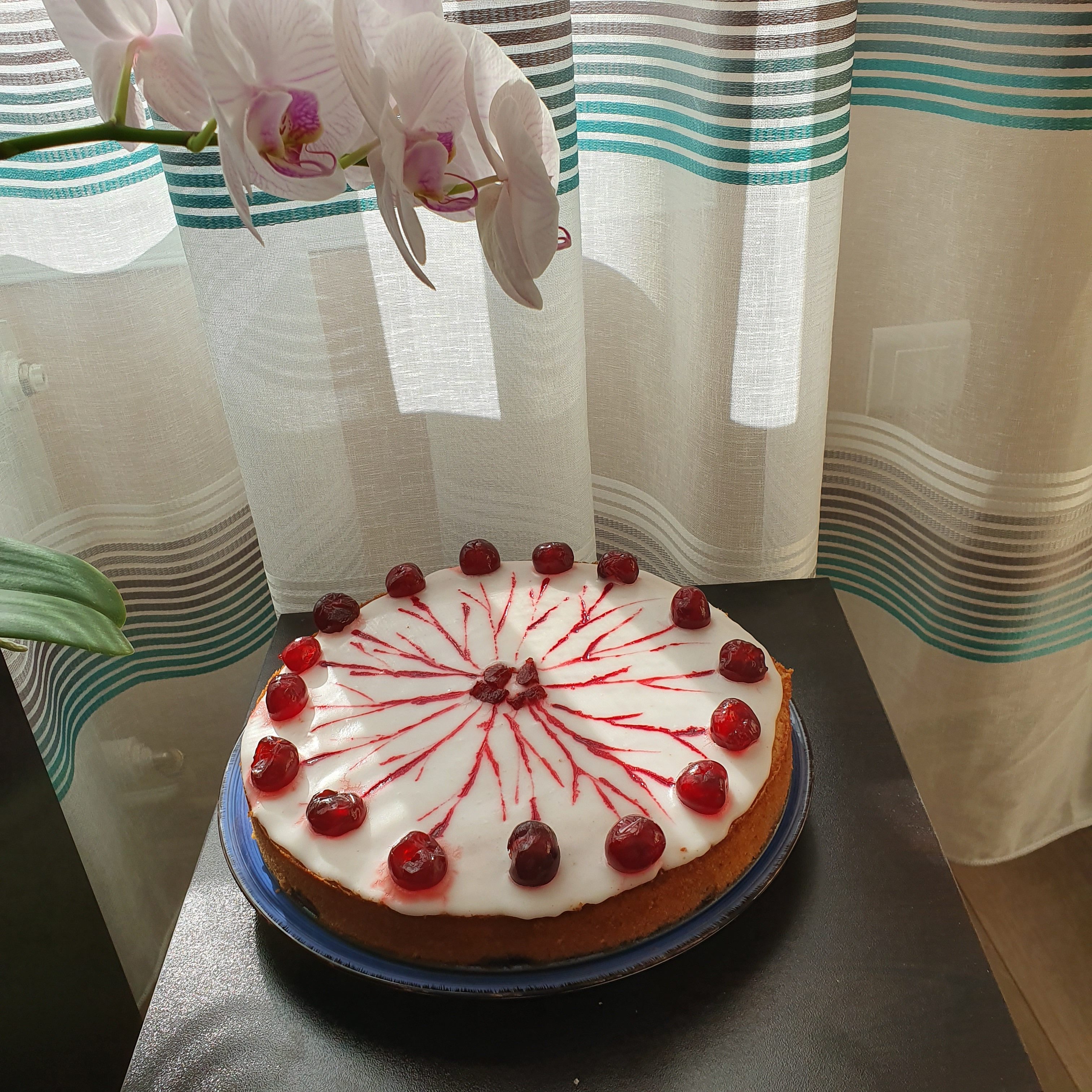
Well, that’s it. Nothing complicated, and finally something tasty. Perfect for coffee and tea. Without being pretentious, the cake is very tasty. Quite a few classic ingredients that one can hardly go wrong with.
If you’re wondering what happened to the cookies, they’ve become a great addition to my afternoon coffee. Great butter cookies from unnecessary dough. 🙂 One must use everything you have in his kitchen. I don’t like throwing food. And not for savings or financial reasons. I don’t think it’s right to do that, given that people around the world are starving.
Next destination – Grenada.