
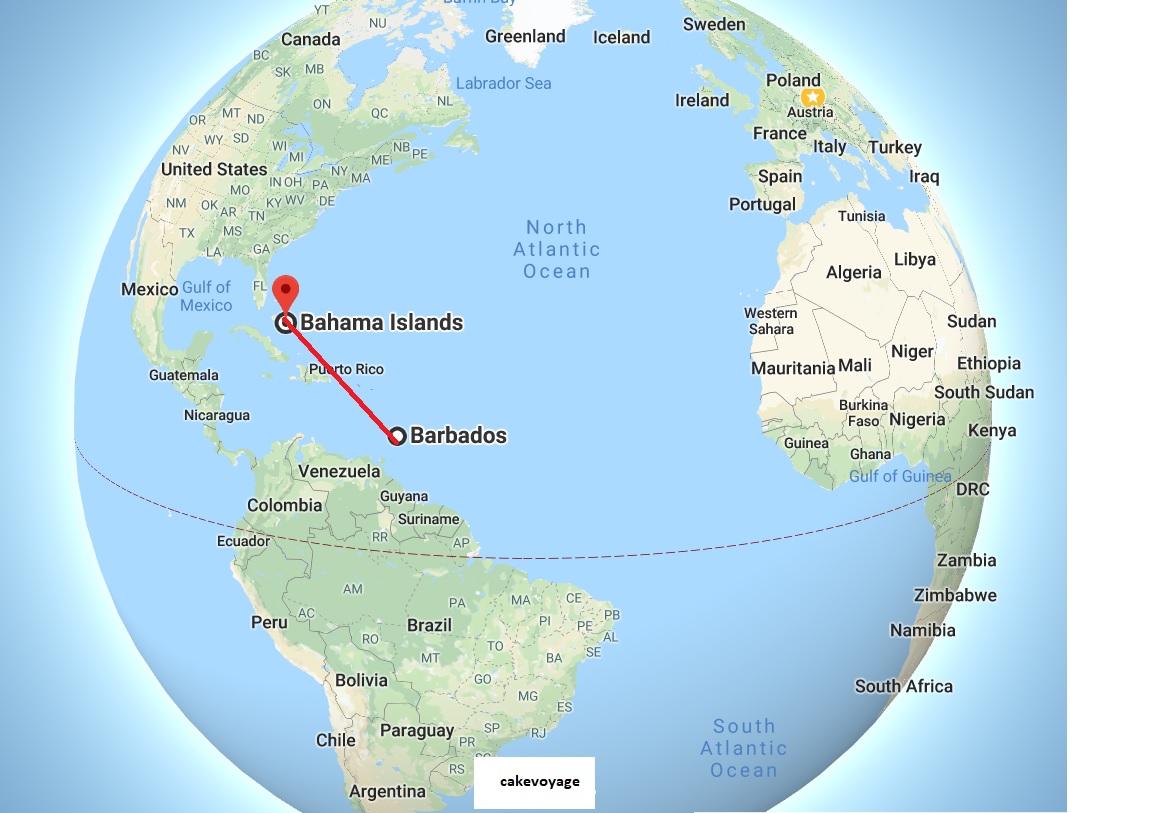
Summer is. 🙂 In my head are only beaches and sea. Not that I would give up at the other time of the year, but now somehow in the air lurks the desire for such a destination. And against the backdrop of my dreams, it comes to Barbados, the easternmost island of the Caribbean arc of the Small Antilles. About 400 km north of Venezuela awaits the golden beaches, the crystal clear waters of the Caribbean, the rum cocktails and the rhythm of Rihanna’s music.
When in the XVI century the Spanish conquistadors approached their ships with an unknown island still a few miles away from the Arc de Triomphe in the Caribbean, they were struck by the shoreline – beautiful sandy stripes surrounded by dates – windy trees dense air roots. The place was deserted because of its remoteness from the rest of the Caribbean islands, and the earlier tribes of Indian origin (coming mainly from the Brazilian jungles) had small canoes unsuitable for long treks. The Spaniards did not like it and did not even go down on it, but gave it a name – Barbados – because of the bearded coastal dates (from the word “beard” ). Such a type, with the impression of beard, also gave the sea foam, which spread over the coral reefs of the shores.
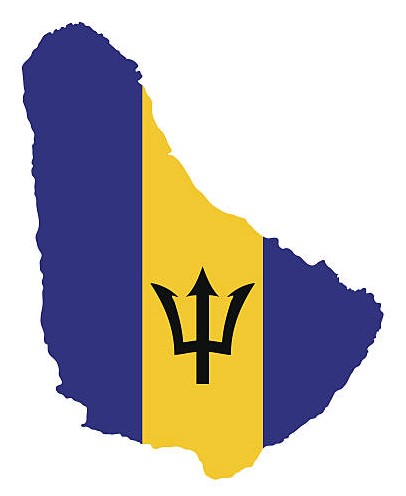
A century later – in 1627, the shores of the o. Barbados accepted their first settlers – the English. The European colonization of the Caribbean remains a rich architectural, economic, religious and cultural heritage. Of all English-speaking Caribbean islands, Barbados has best preserved the old Victorian buildings. It is called Little England, because in the center of its capital Bridgetown was erected the local parliament, a copy of the one in London, but in a tiny form. Here is the statue of Admiral Nelson, a symbol of the English colonial system. For the preserved construction from antiquity, the natural building materials available – the coral limestone rocks covering a large part of the island and the mahogany forests, have also had tremendous influence. Trees were a great natural source of furniture for interior design, decorations and artwork.
20 years after the establishment of the first English settlers, Barbados has wealth and gains importance extremely quickly. Sugar cane for the first time planted here Colonel James Drax and other planters in 1638, and by the middle of 1640, this branch already bears a powerful commercial success on the island. When the capital was destroyed by a fiery fire in 1666, and then by a powerful hurricane in 1675, the island has enough wealth to recover very quickly and in good style.
For the first time, rum was distilled in the middle of the 17th century. Produced from the first yields of sugar cane, it was first accepted as a drink for the poorer. Today Barbados rum is made from syrup in the processing of sugar cane – molasses. During distillation, the alcohol obtained is colorless. The brown color comes from the addition of caramel. The rum matures in white oak barrels. Some manufacturers burn their barrels to achieve a little “smoky” hint of taste. By acting on the blend of the drink and varying with the duration of the aging, a great variety is created.
For the Caribbean, rum is what is the whiskey of the mountainous part of Scotland or the wine for France. If slaves on o. Barbados, who first manufactured the Roma more than 300 years ago, knew that this drink would conquer the world, would have long demanded its own freedom. The name of the first one who has decided to distill the molasses is unknown, and so he has discovered the rum for the rest of the world.
Seafood is a major food, and local fishermen provide a wide variety of regional fish including dolphin fish, barracuda, wahoo fish, marlin, yellow tuna and many mussels. Flying Fish is present in most of the island’s menus, and is prepared in a variety of ways. More adventurous tourists will surely want to taste “sea eggs”, which are a strip of sea urchin, and those who are more cautious about what they consume should try fish cupcakes. They are prepared from salted fish fever, seasoned with different herbs and peppers, dipped in flour and fried.
When it comes to spices, you can not help thinking about the mixture called Bajan Seasoning. It is a mixture of fresh herbs and spices, including thyme, oregano, parsley, basil, cloves, pepper, red pepper, salt and onions, garlic and spring onions. The locals eat a very popular sandwich with flying fish, served in a coucou dish made of corn flour with okra, garnished with a spicy mixture of tomatoes, onions and peppers.
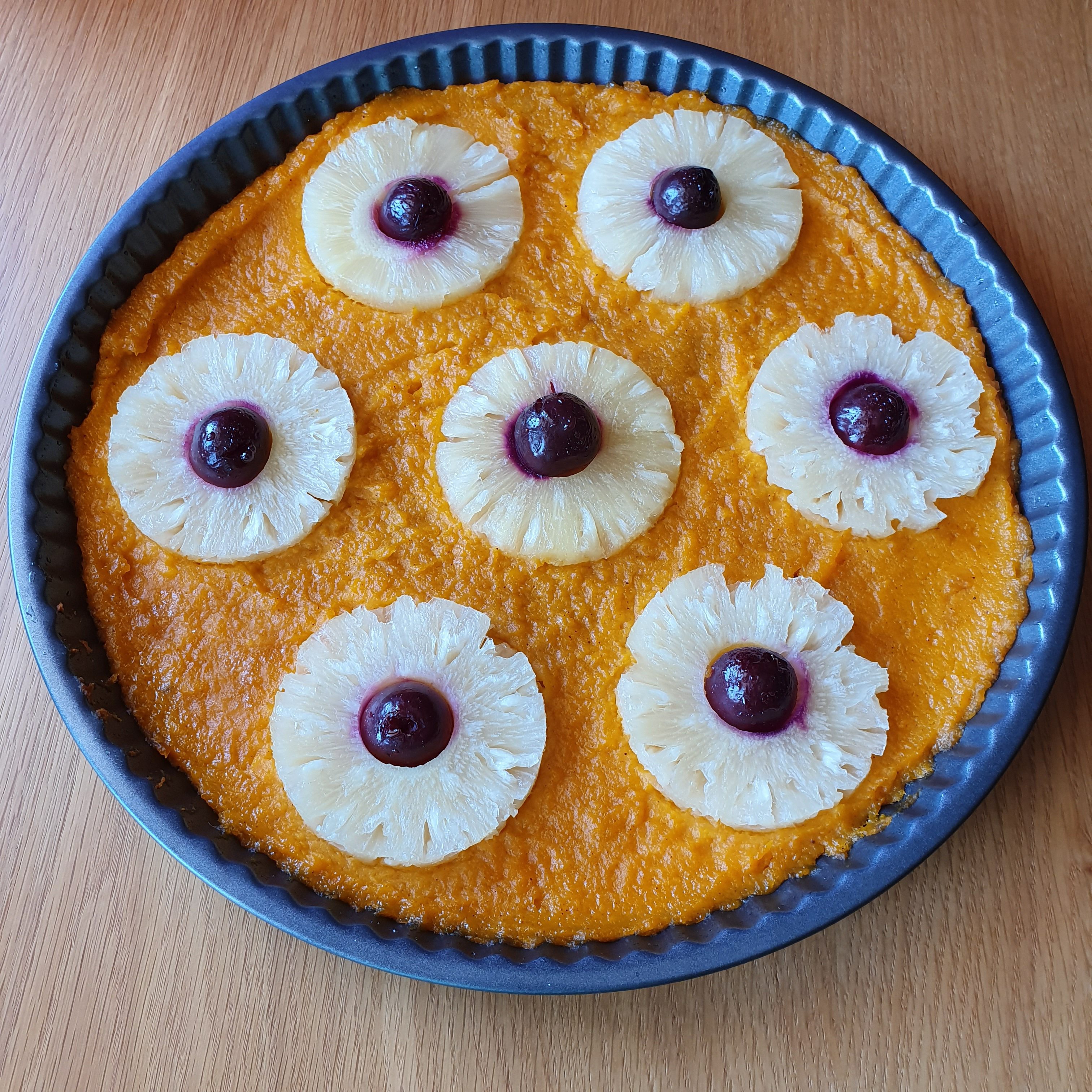
I chose to do something for you who I can hardly call a cake, but it’s the only thing I ever found. Honestly, I was with a lot of reservations, but it turned out to be a fresh and different dessert, and in combination with a local ice cream recipe it was very well list in the hot days. This sweet potato dish / dessert is traditionally served on Sundays or on special occasions.
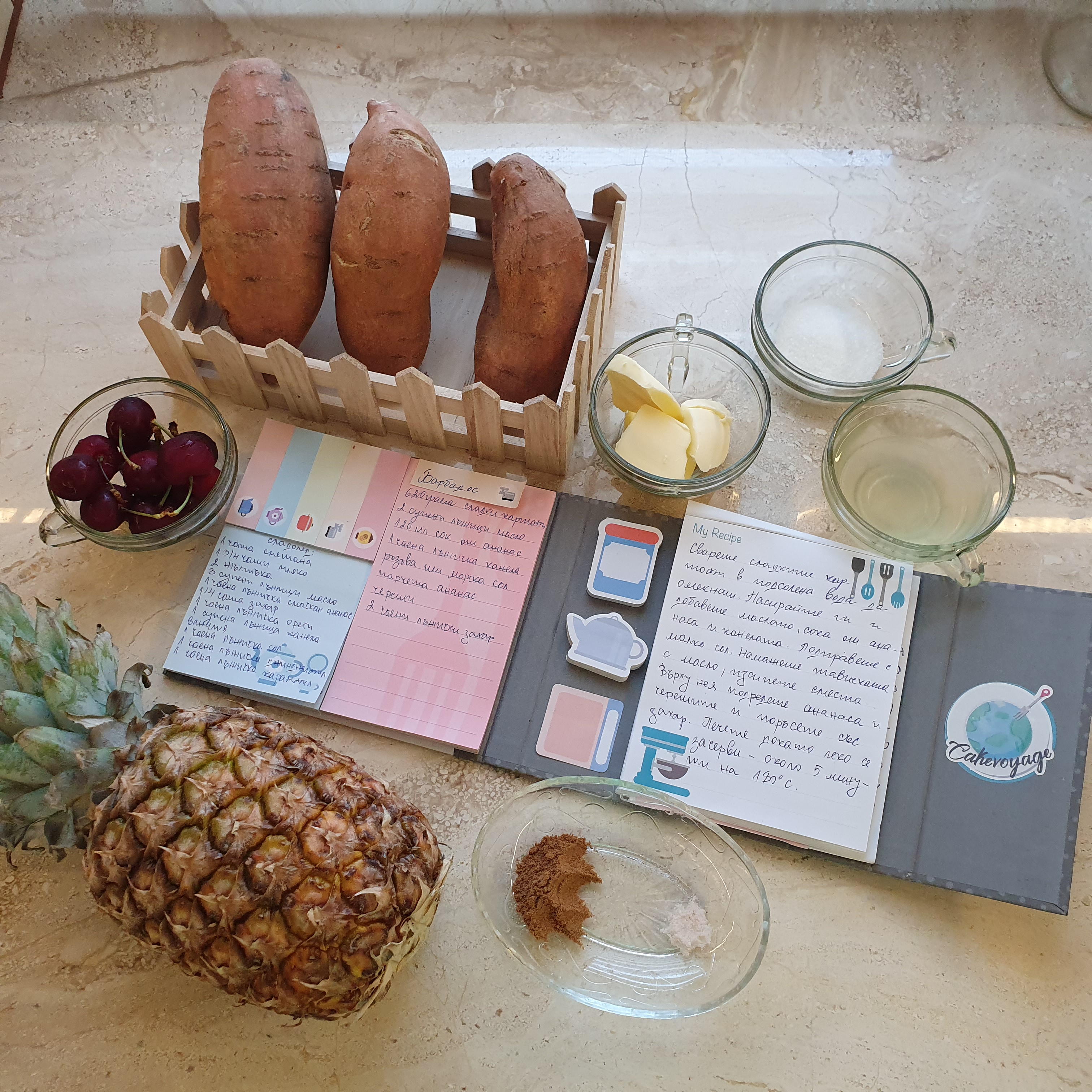
Ingredients:
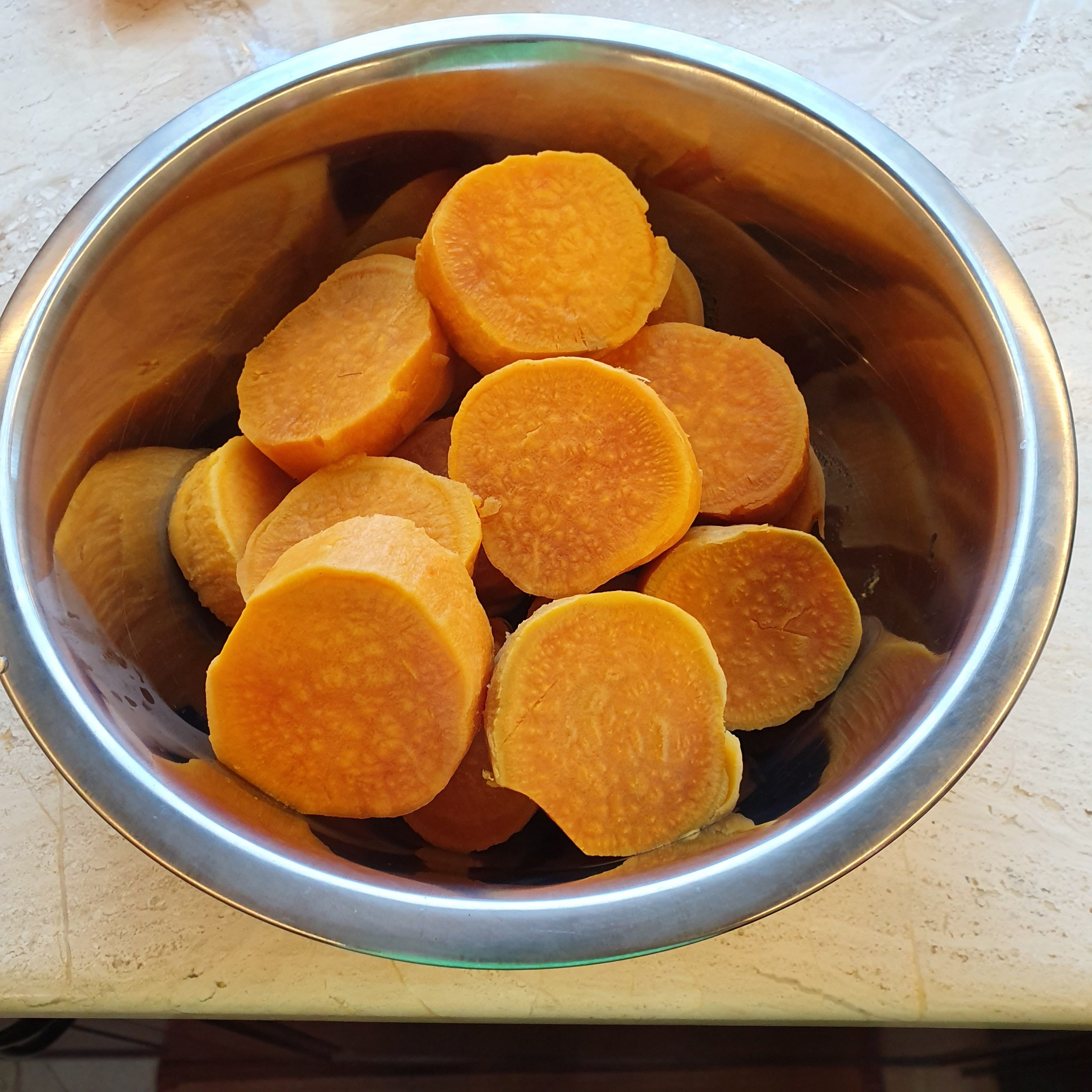
620 grams of sweet potatoes
2 tablespoons of butter
120 milliliters of pineapple juice
1 teaspoon of cinnamon or cassia
Pink or sea salt
a few pieces of pineapple
cherries
2 teaspoons of sugar
Steps of preparation:
Boil sweet potatoes in boiling salty water until softening. Heat the oven to 180 degrees. Drain the sweet potatoes, add the oil, pineapple juice and cinnamon, and grind to smoothness.
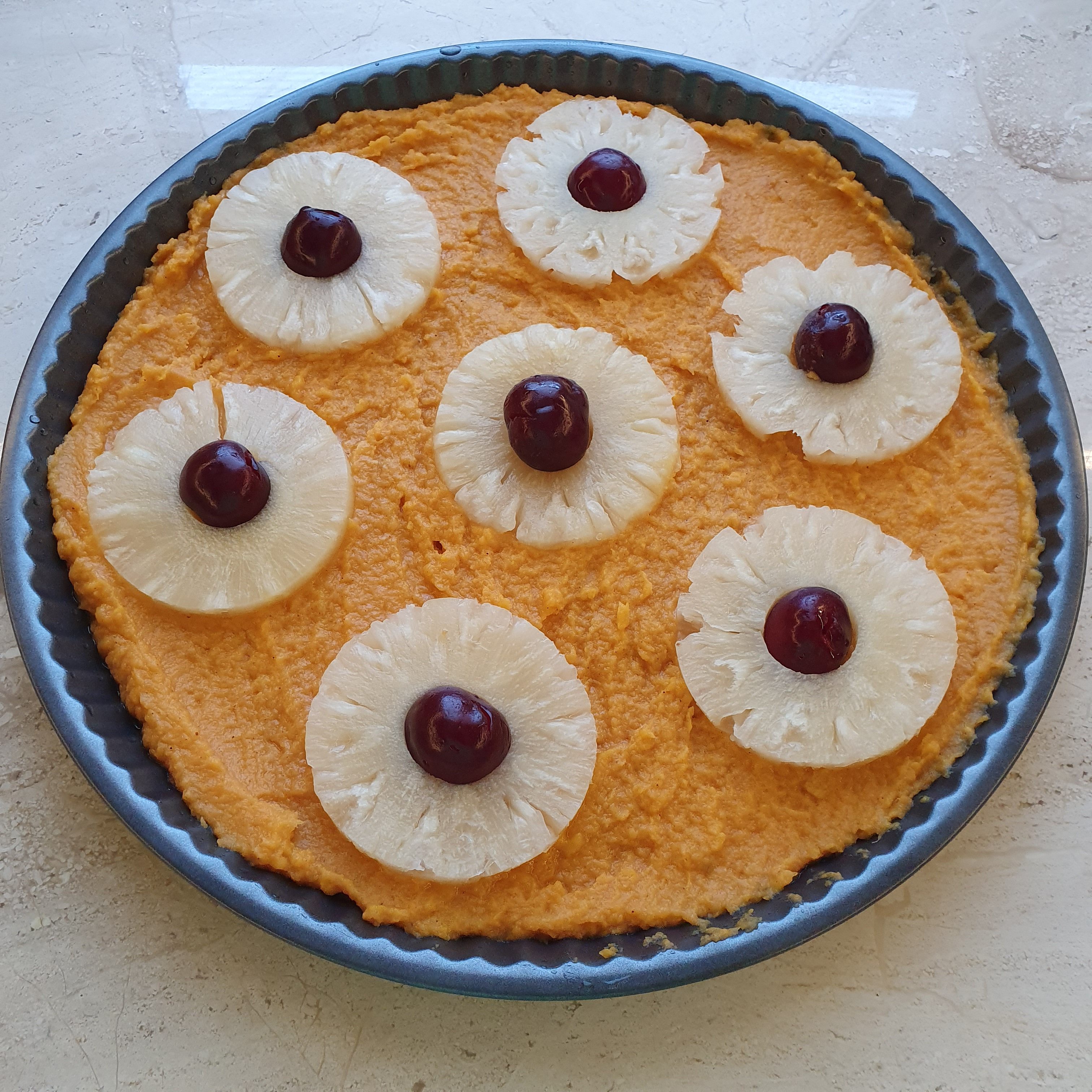
Season with a little salt to taste. Transfer to the prepared baking pan that has previously been smeared with butter. Arrange pieces of pineapple and cherry on the pie and sprinkle with sugar. Bake for about 5 minutes while slightly browning. Serve warm.
Ice Cream:
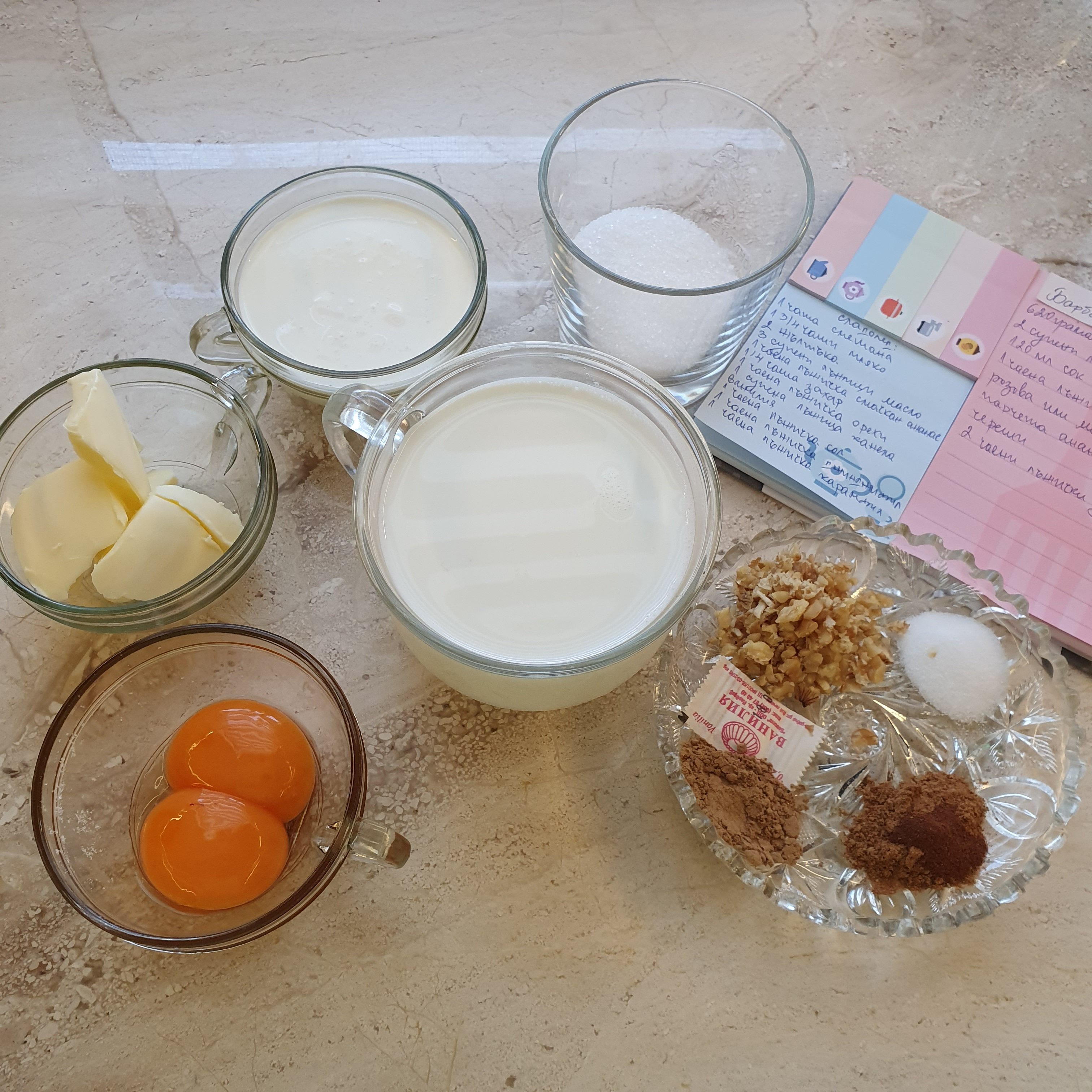
1 cup of cream
1 1/2 cup of milk
2 yolks
3 tablespoons of butter
1 teaspoon of crushed pineapple
1/4 cup of sugar
1 tsp. ground walnut
1 tablespoon cinnamon
vanilla
1 teaspoon of salt
1 flat teaspoon of ginger
1 flat teaspoon of cloves
1/4 cup milk plus 1 teaspoon arrowroot (a type of starch derived from the roots of tropical plants such as cassava or Maranta arundinacea) optional
Steps of preparation:
Mix the cream with the milk and butter and cook on medium heat until it starts making bubbles. Add the sugar and reduce the heat. Stir well. Add nutmeg, cinnamon, ginger, vanilla and salt. Add the milk with or without arrowroo (as I did). Remove from the hob and mix. Add the pineapple cream to the cream and mix. Cool for several hours (about 8) in the freezer by stirring the mixture several times to avoid crystallization, or put it in an ice cream machine and wait for it to make its magic.
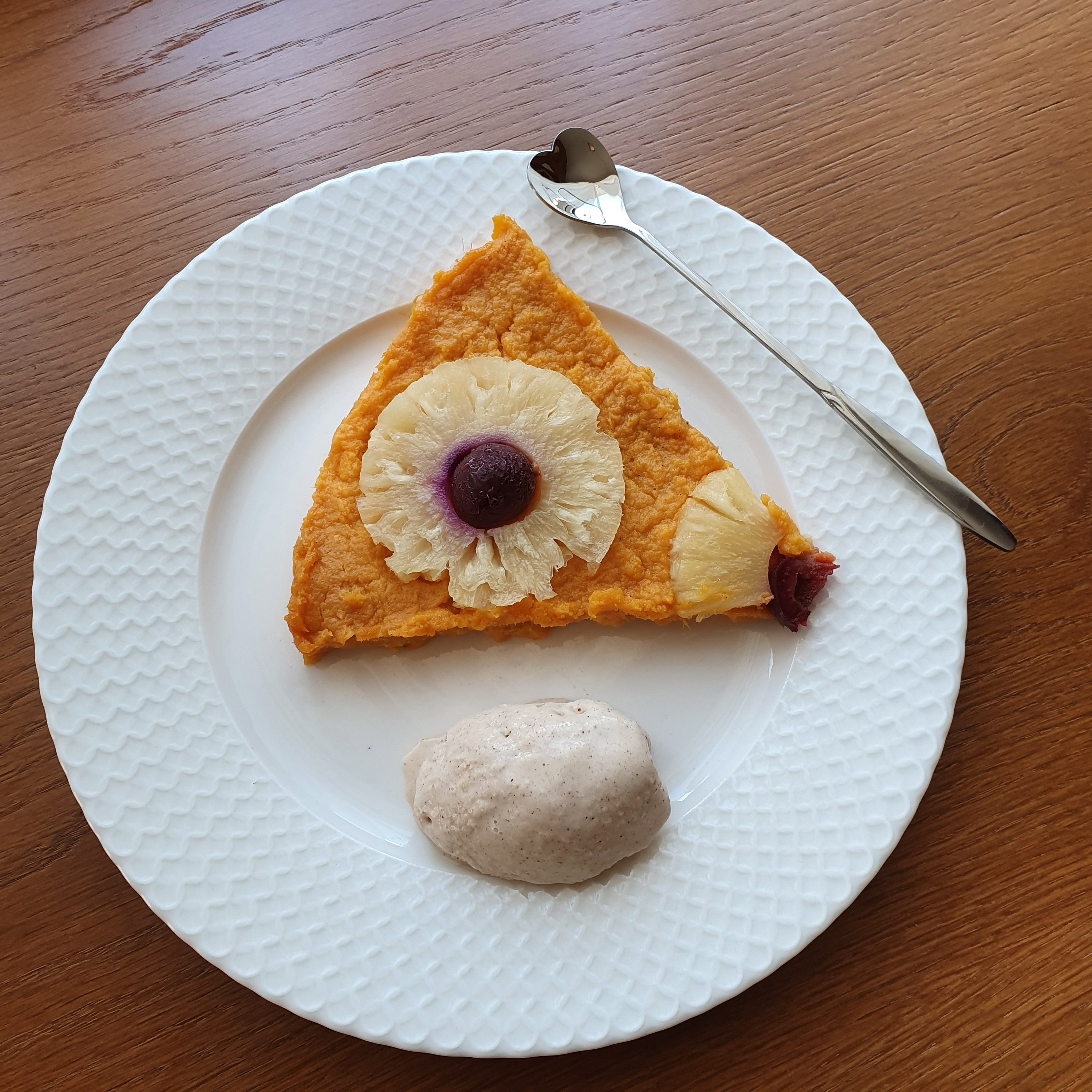
Well, it was. The pie had a taste similar to its pumpkin fellow. In combination with the spicy ice cream, weekend shade afternoon under the trees become more idyllic summer. I first time cook sweet potatoes and I liked the result. Since I stayed one I decided to cook it for a garnish. I made it spicy with chili, curry and some butter in the oven. I will repeat again 😉 From Barbados so much.
Next destination – Bahama Islands.

Hey, thanks for the blog article.Much thanks again. Really Great.