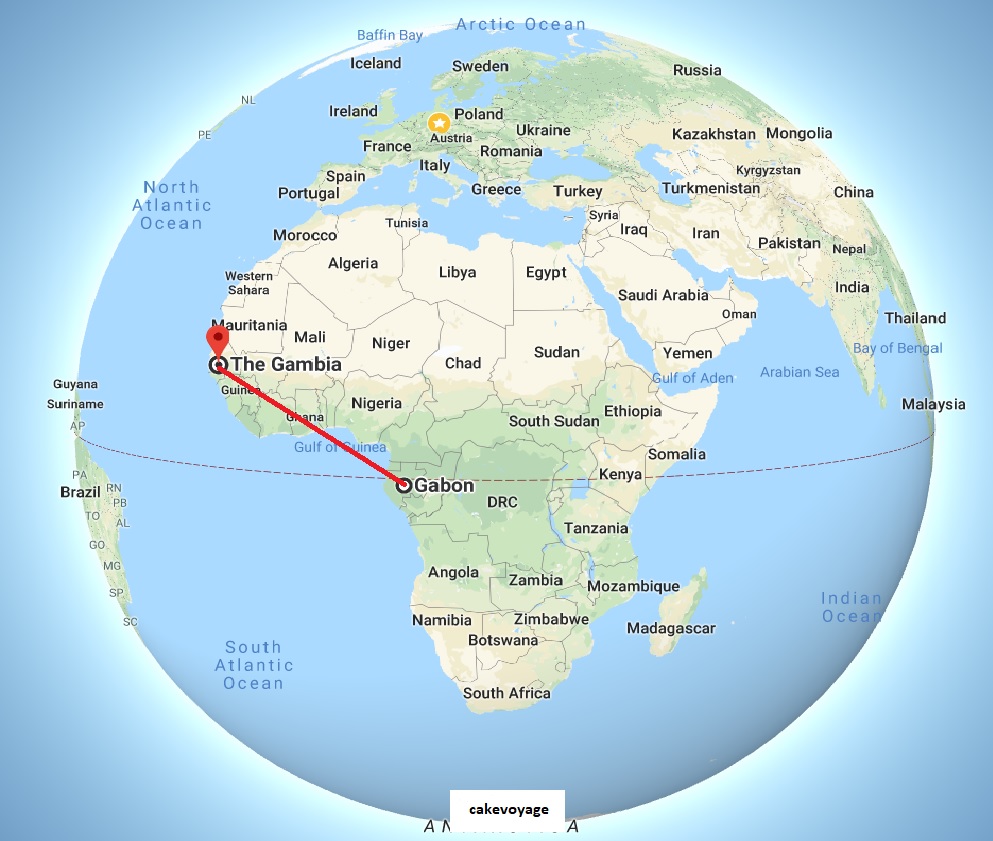

Gabon is a country in West Central Africa. It is a semi-presidential republic – the president is also the prime minister. The earliest settlers in these lands were the Pygmies, who were quickly displaced by the Bantu tribes. Today’s population are almost entirely descendants of the Bantu. The country is much more economically developed than its neighbors. The small population, rich natural resources and private foreign investors are helping Gabon to be one of the most prosperous countries in the region. There is petrol, uranium, magnesium and enough water for everyone.
80% of the country is covered by dense equatorial forest. The second largest after the Amazon. 20% of the plant species living there are not found anywhere else on earth. Equatorial forests are a refuge for lowland gorillas, chimpanzees, forest elephants and many other endangered species. Gabon’s national parks have made the country a remarkable guardian of Africa’s biodiversity.

Loango National Park is one of the most remarkable places in Africa where wildlife can be observed. In the park are preserves miles of pristine beaches bordered by freshwater lagoons and dense equatorial forests. But what makes the shores of Loango unique are the animals that walk along the shore – hippos, forest elephants, African buffaloes, leopards and gorillas. Along the white sandy beaches of Loango there are pastures where hippos and African buffaloes can graze freely. Most importantly, no one is bothering the locals. The only traces on the sand are of the animals that live in the park. Leather turtles choose these secluded shores to lay their eggs. Pink bee-eaters live in colonies and nest directly in the sand, just a few meters from where the tide reaches. During the summer, more than a thousand humpback whales gather for their mating games in the calm waters of Loango. Two vast lagoons separate the shores of Loango from the equatorial forest and are an ideal home for crocodiles and hippos. African griffon vultures and fishermen eagles circle over the lagoons because the waters there are teeming with fish. Elephants can often be seen swimming in the lagoons to reach the Palmyra palm trees, whose fruits are a great temptation and delicacy for them. Inside the equatorial forests is the kingdom of monkeys and fruit bats, and on the periphery you can see the beautiful and colorful plumage of nectar birds, which drink nectar from the flowers of trees and shrubs.
Another famous national park is Lope. This place with its pristine rainforests is a great place to live for gorillas, chimpanzees and mandrills. In five thousand sq. km. live from three to five thousand gorillas! Other inhabitants of Lope are the sun-tailed sea cats (a species of monkey that was discovered recently and which is found only in a certain area of Gabon). Large, brightly colored forest birds such as the turaco, or rhinoceros bird, have also found a home in Lope. About 400 species of birds are listed in this place, which makes it attractive and desirable for those who like to watch them.
French cuisine has a significant influence on Gabonese cuisine. Foods such as cassava, rice and yams are commonly used in rural areas. The meat when it is on the table is chicken or fish. Antelope, wild boar and monkey meat are also consumed in the country. Sauces are often used, the most popular being that of hot red pepper and a mixture of Berber spices. Gabon eats bananas, papaya, guava, mango, pineapple, coconuts, avocados and peanuts. Plantain, tomatoes, corn and eggplant are used for cooking. Some of the famous dishes are Nyembwe – chicken with pine nuts, Fufu – a dish of crushed cassava, mustard chicken with garlic, onion and lemon juice, dried meat, all kinds of stews, seafood, smoked fish, Gari – cassava porridge, fried bananas covered with breadcrumbs, which are served with sour cream and brown sugar.
Palm wine is made in Gabon. It is mixed with a hallucinogenic root called eboga during death, healing or initiation ceremonies. In small doses, eboga acts as a stimulant, making it useful for ceremonies that last all night. In larger quantities, it is hallucinogenic, allowing participants to “see their ancestors.” Food and wine are offered to the ancestors during the ceremonies. Men and women participate in these rituals, which are filled with beating drums, singing and dancing.
As you know, Africa is not my favorite continent when it comes to making cakes for my blog. Apparently on this continent they are not fans of sweets or just have not yet discovered how delicious they are. 😉 I still found a recipe this time. I will make Congo bars. It’s not a cake by our European standards, but it’s quite similar. 😀 Here are the necessary products:

1 tea cup butter
2 tea cups brown sugar
2 large eggs
vanilla
2 tea cups flour
2 teaspoons baking powder
1/2 teaspoon salt
1 tea cup coconut
1 tea cup of chocolate chips
1 tea cup pecans
Steps of preparation:
Melt the butter and add the sugar. Allow the mixture to cool to room temperature. Beat the eggs, add the vanilla and the cooled butter mixture.
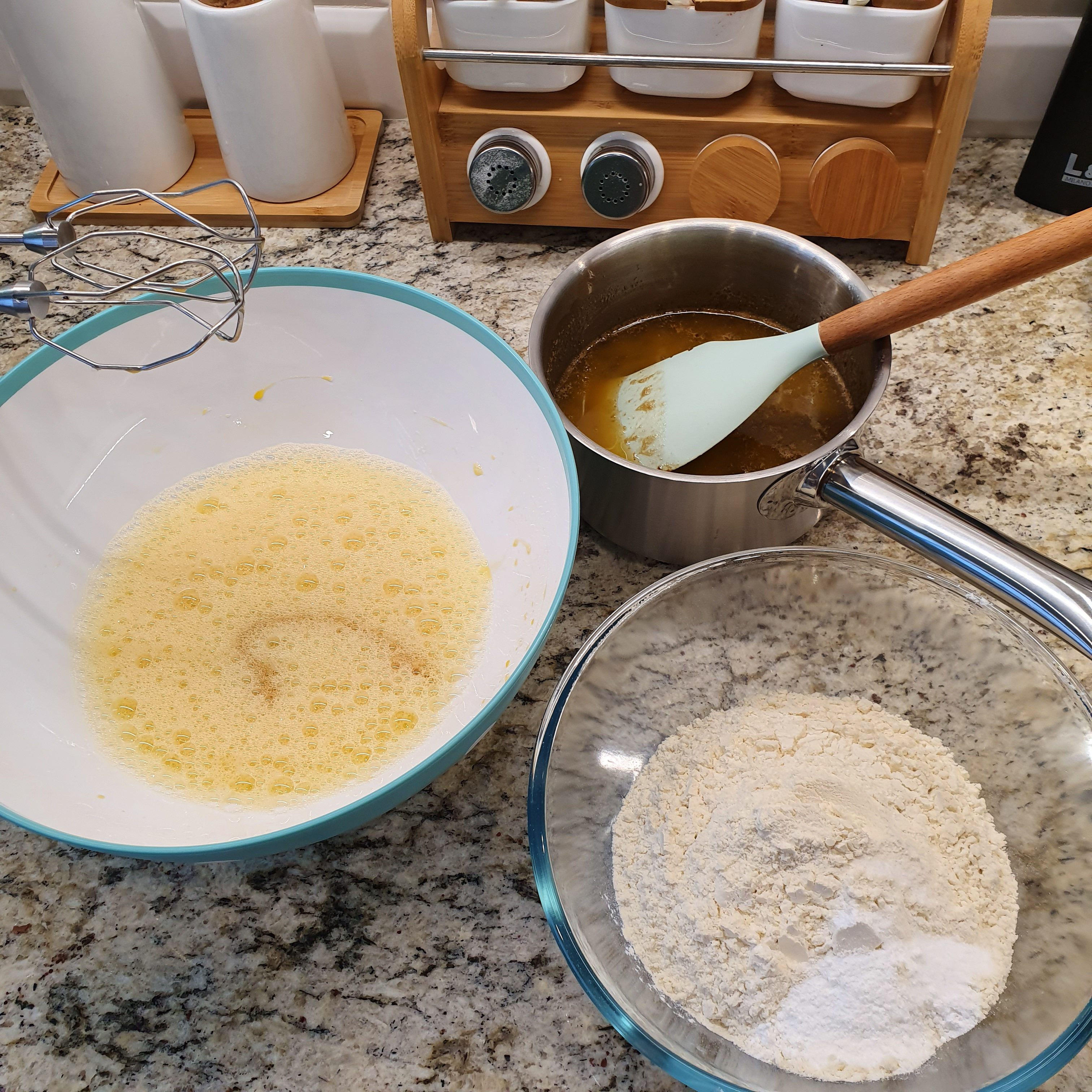
Mix the sifted flour with the baking powder and salt and add it to the liquid ingredients.
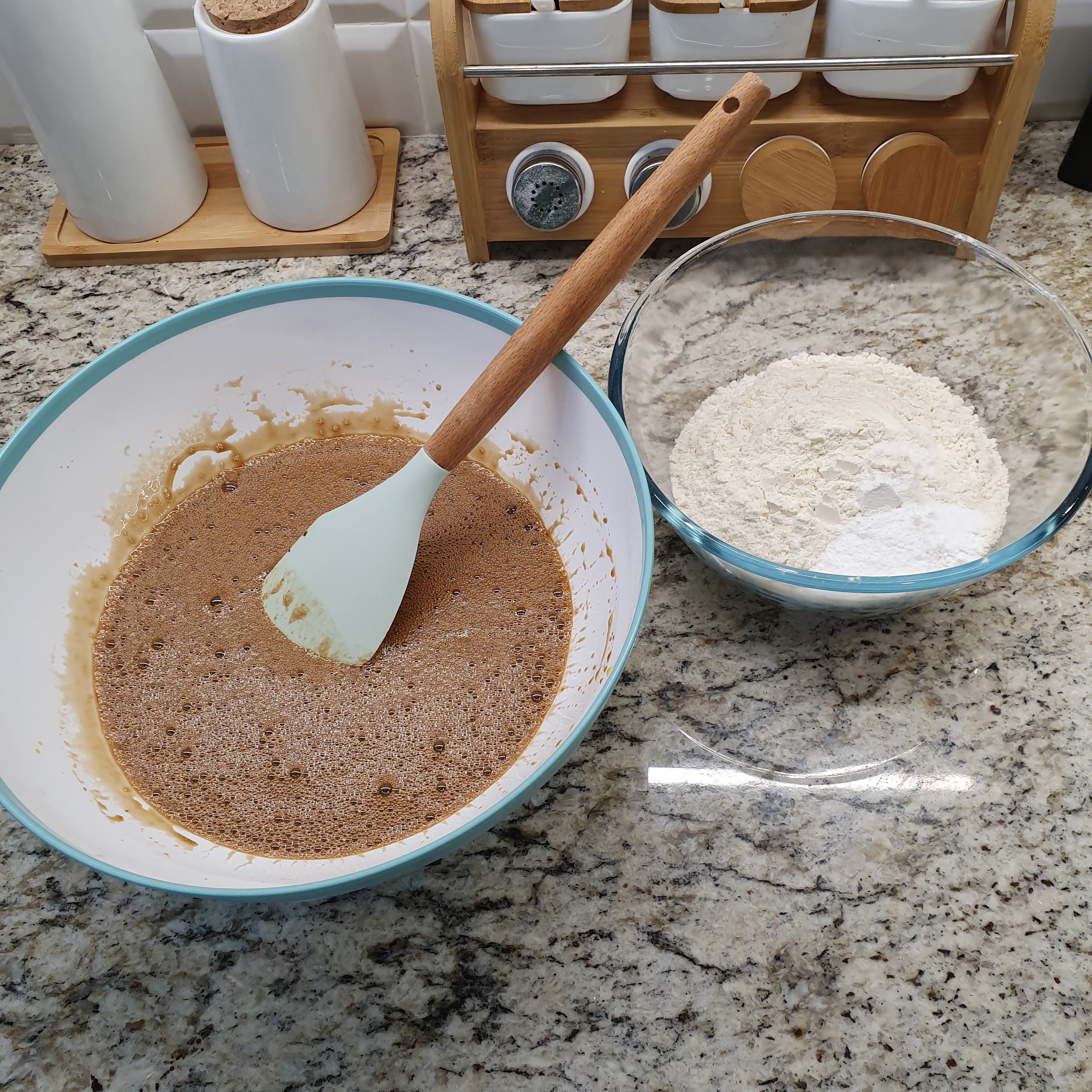
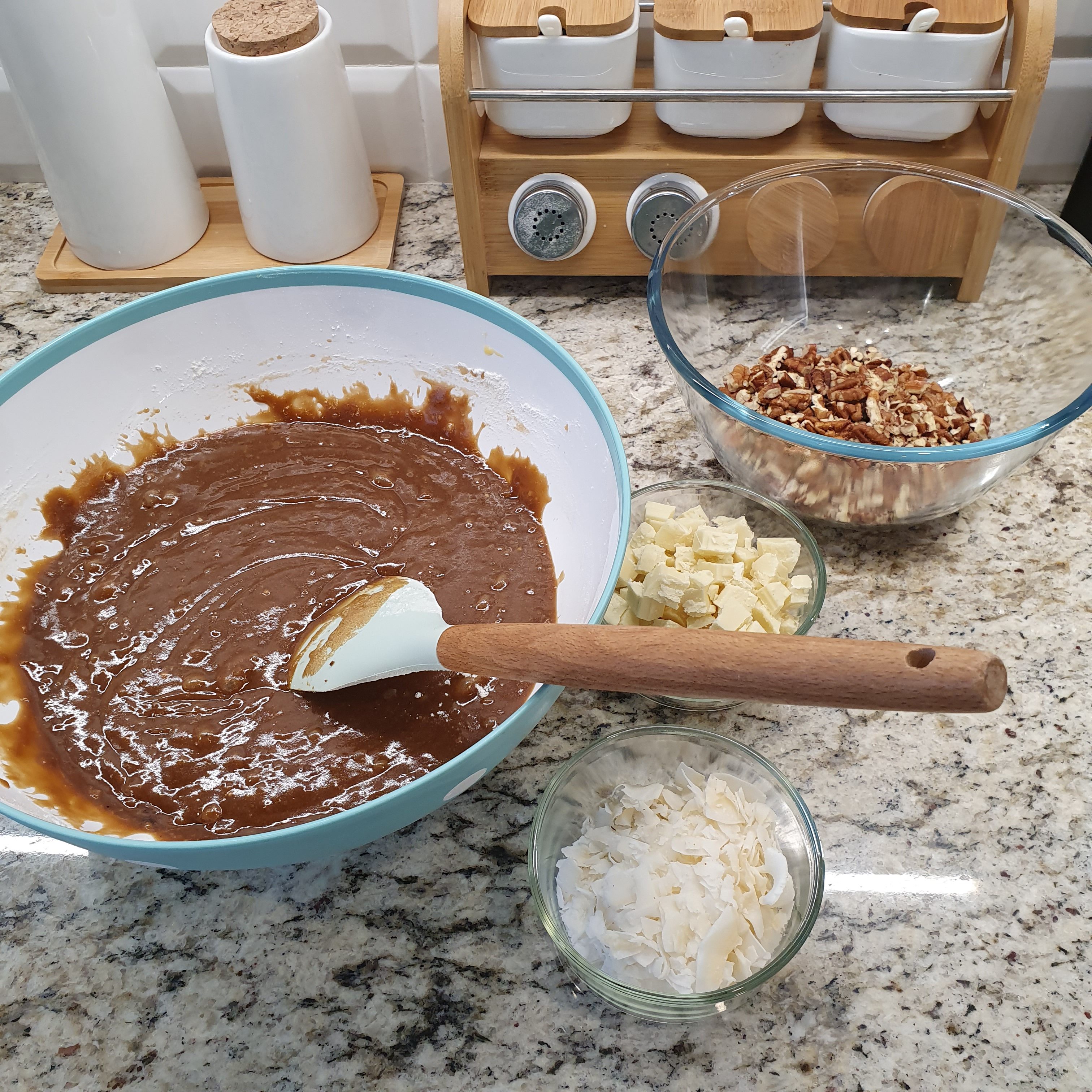
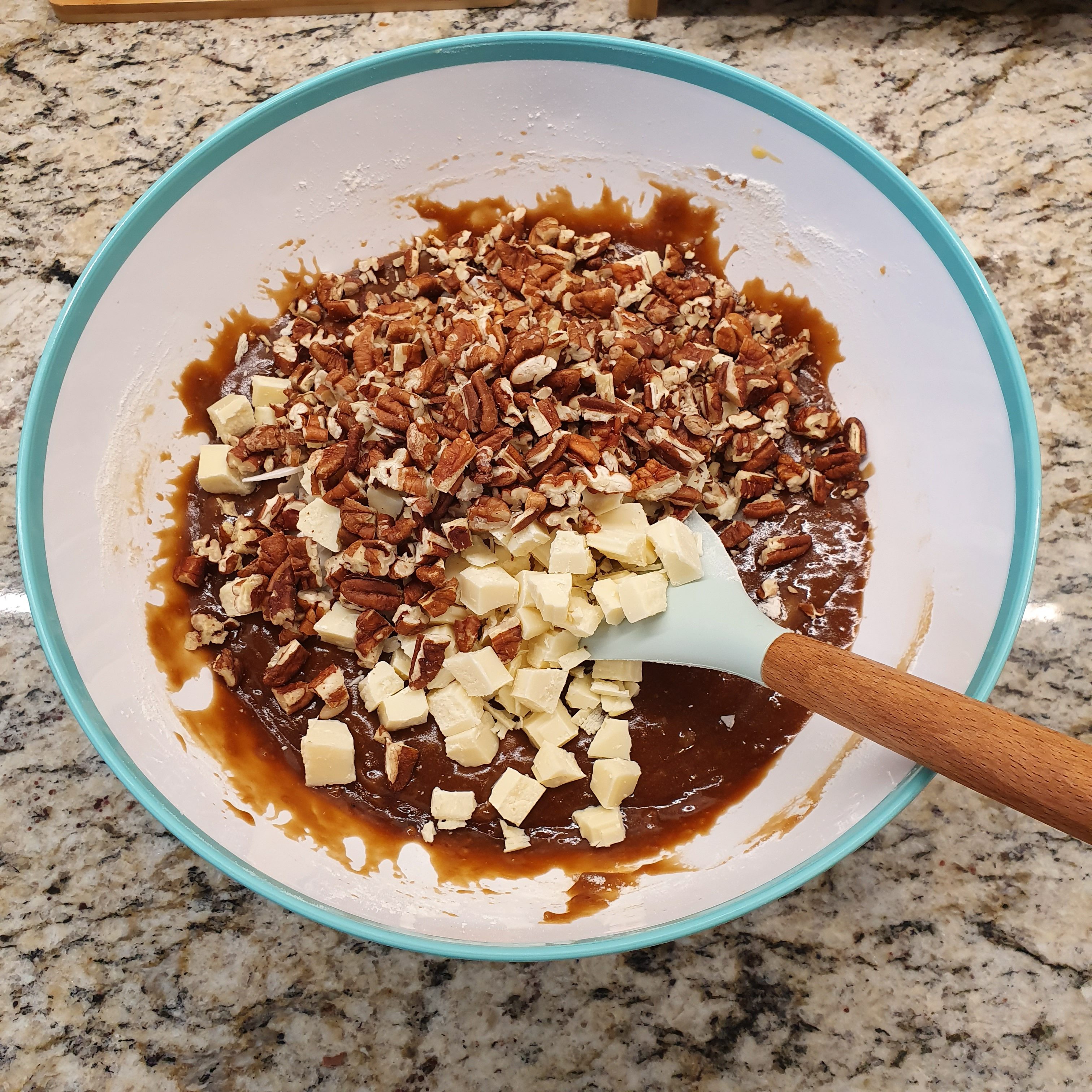
Finally add the coconut, chocolate and nuts. Stir lightly with a spatula.
Grease a rectangular or square pan with oil and sprinkle with flour. Use tapping motions on the walls of the pan and remove excess flour.
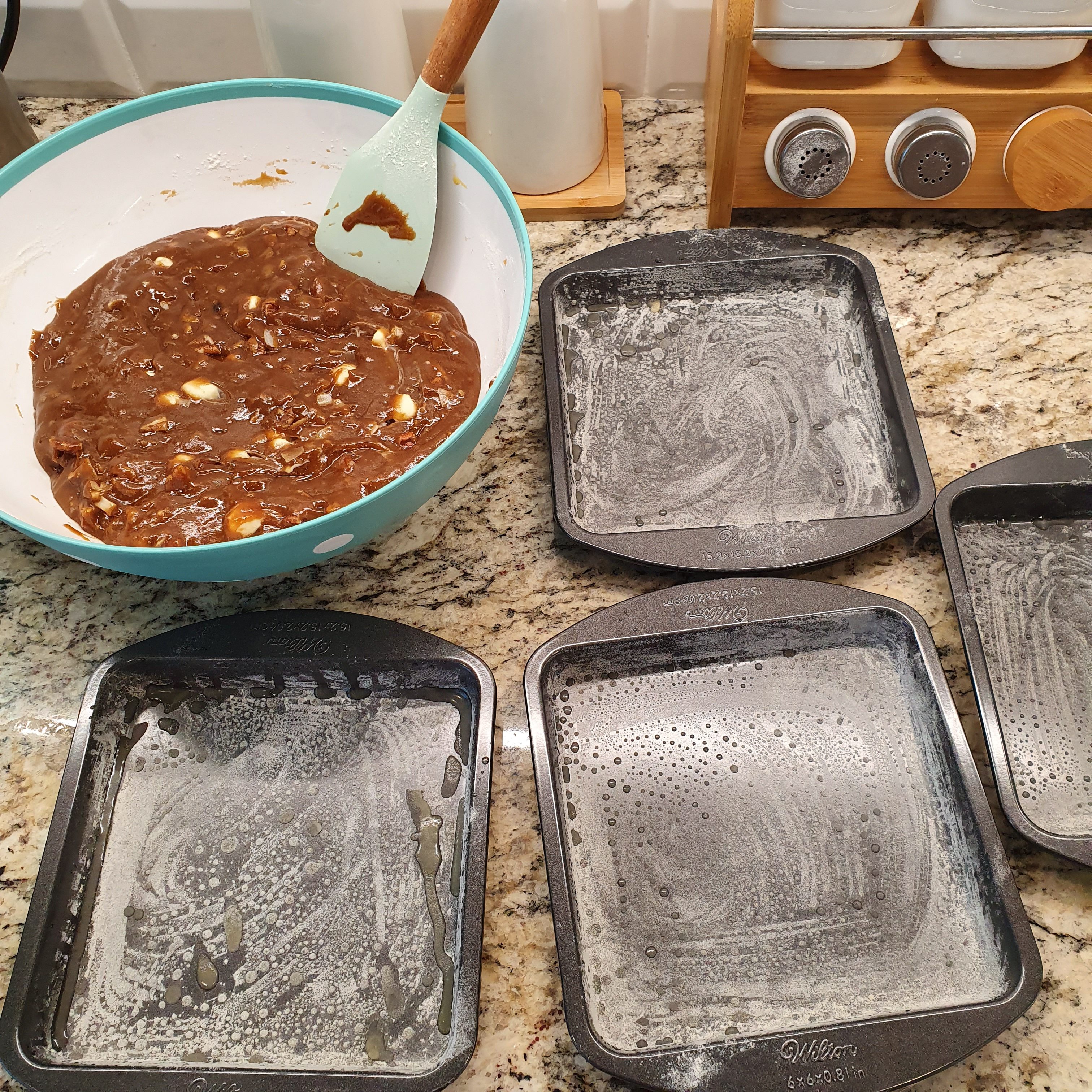
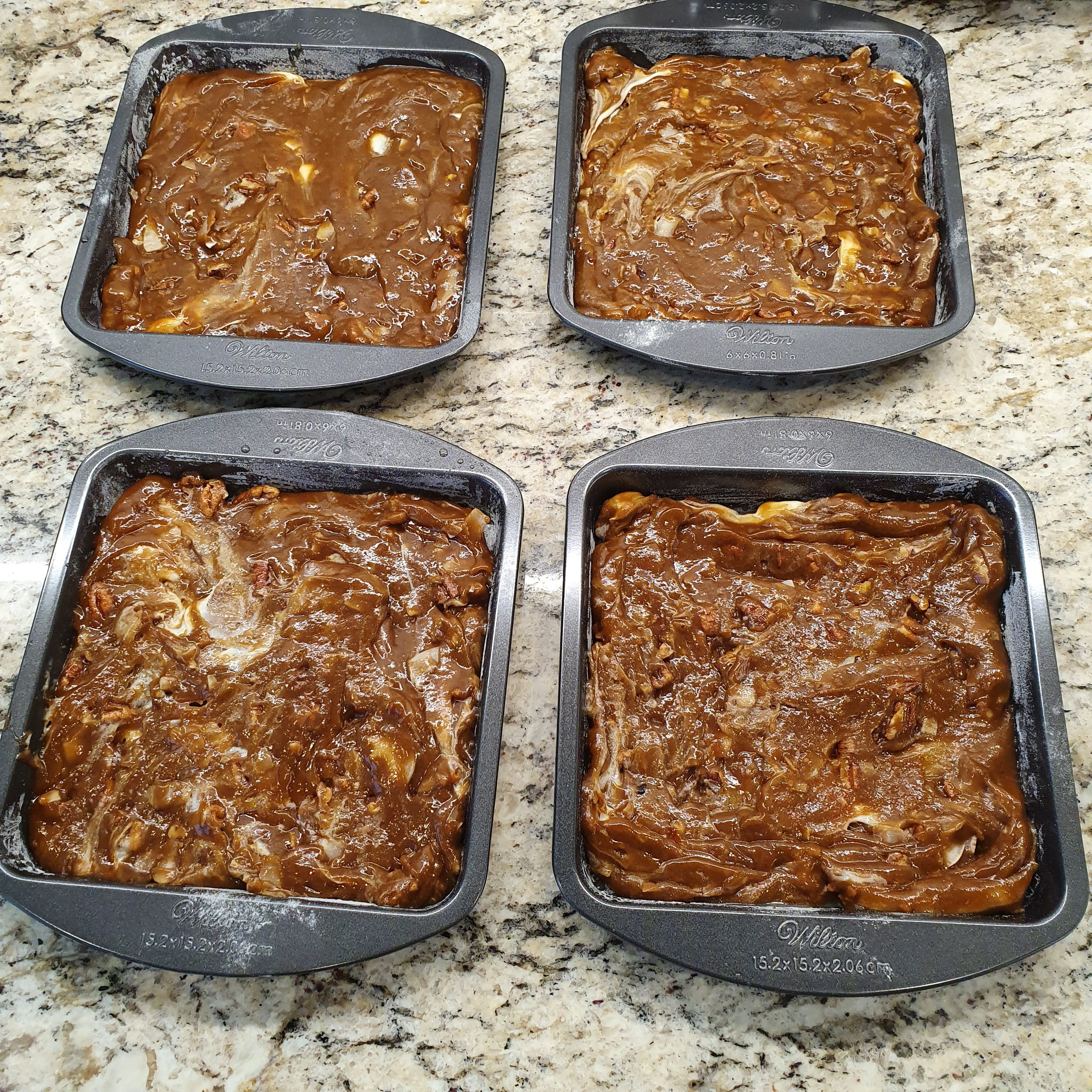
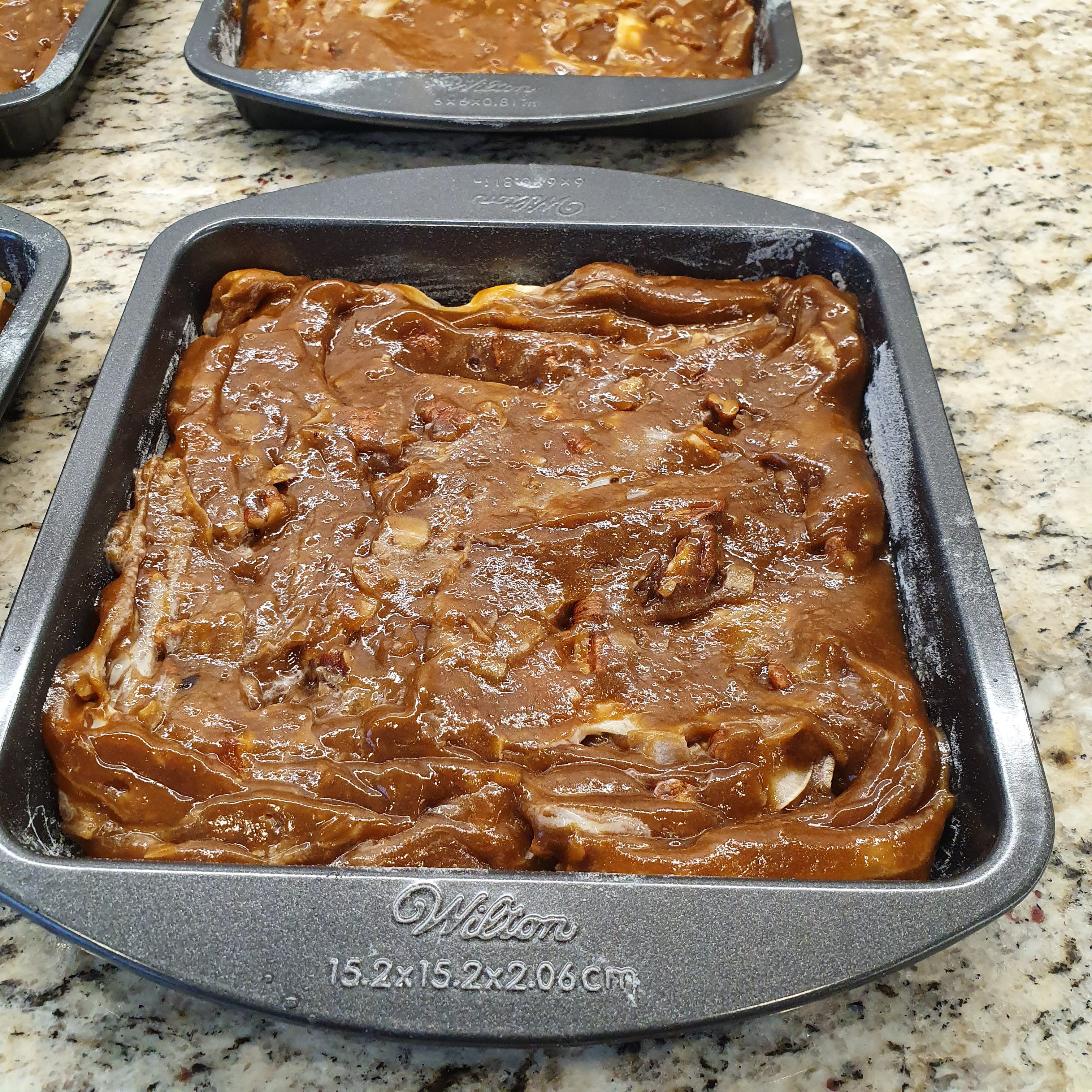
Pour the mixture and bake in a preheated oven at 180 degrees for about 35 minutes.
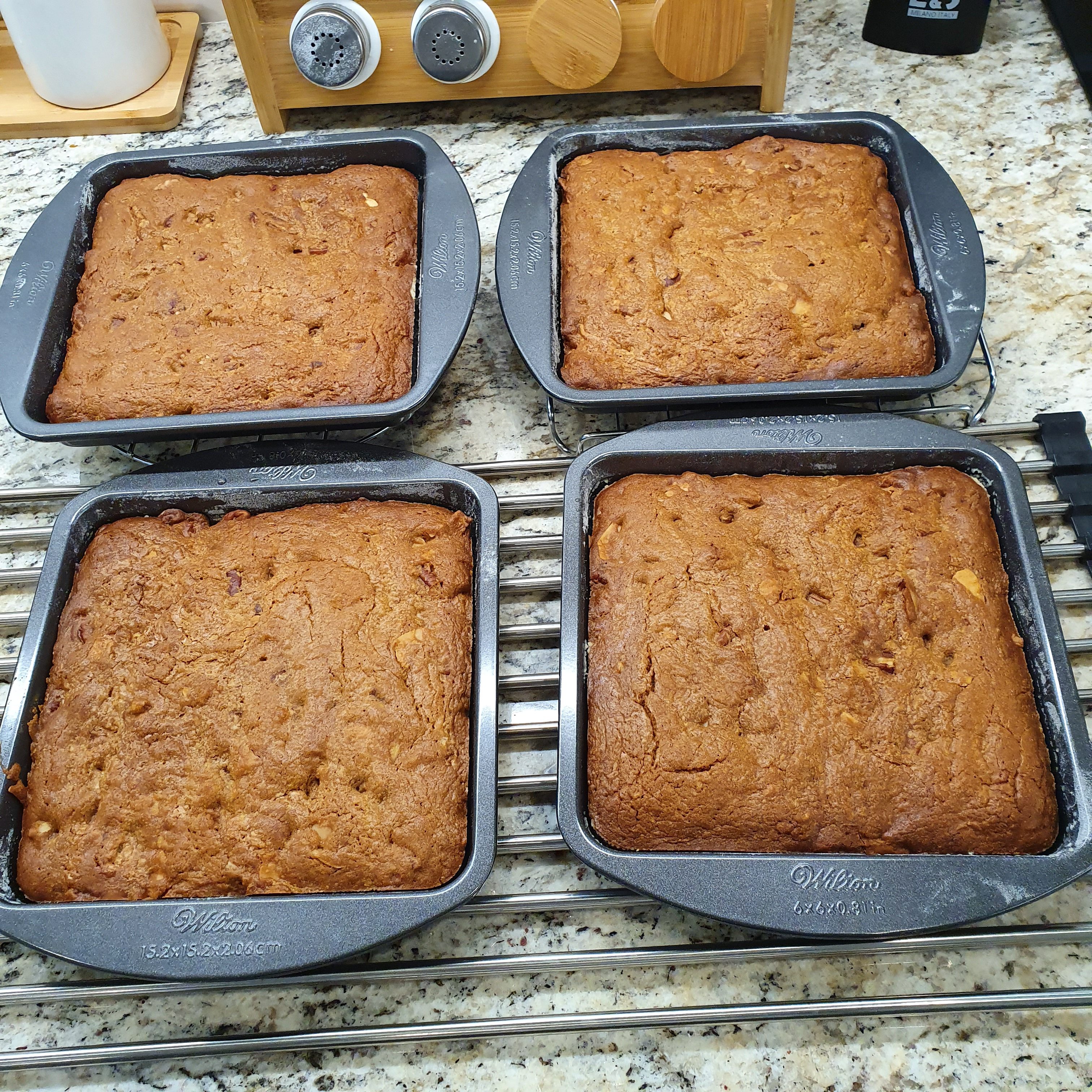
Allow it to cool for about 5 minutes and then remove it from the pan on a wire rack to cool completely.
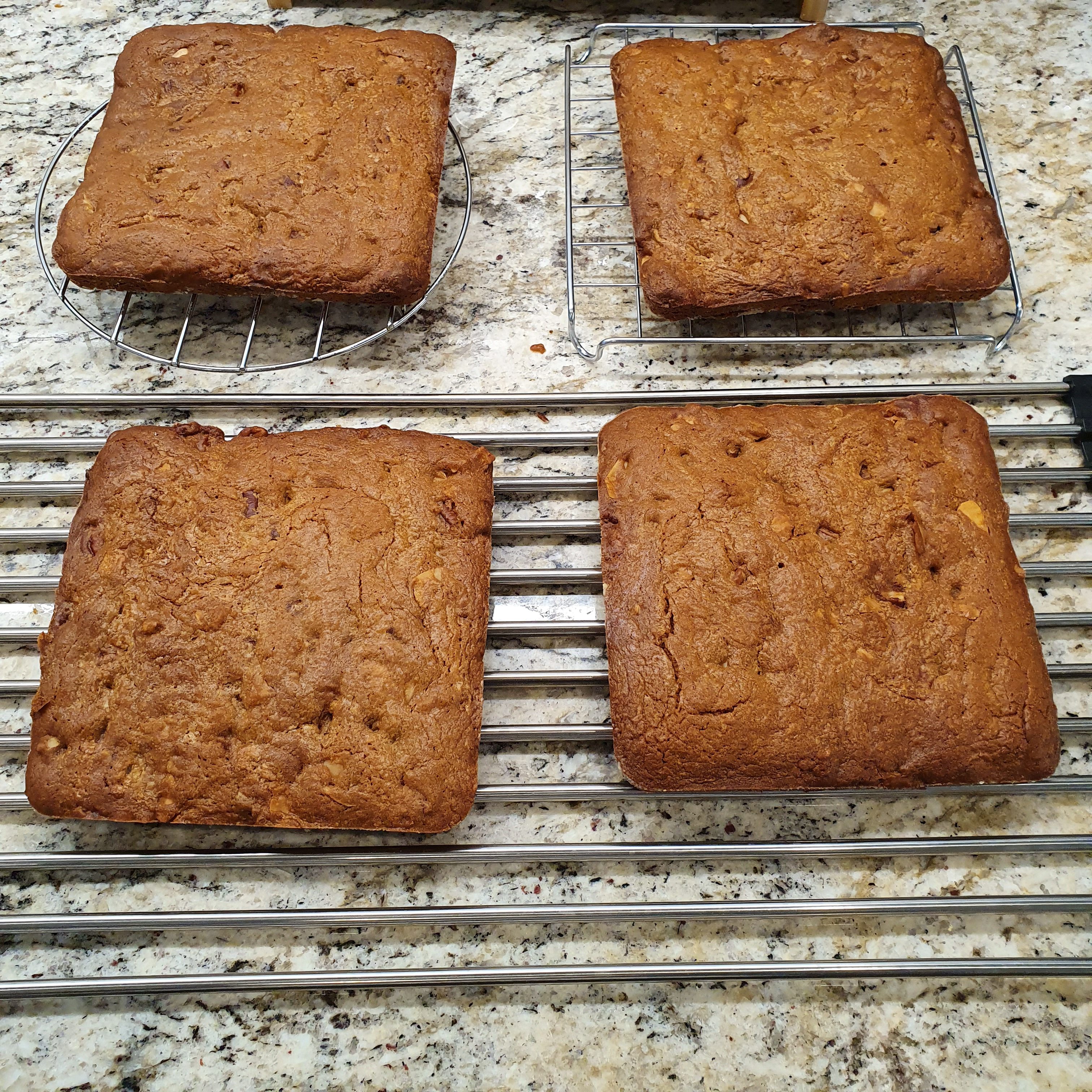
Cut square pieces measuring 5×5 cm.
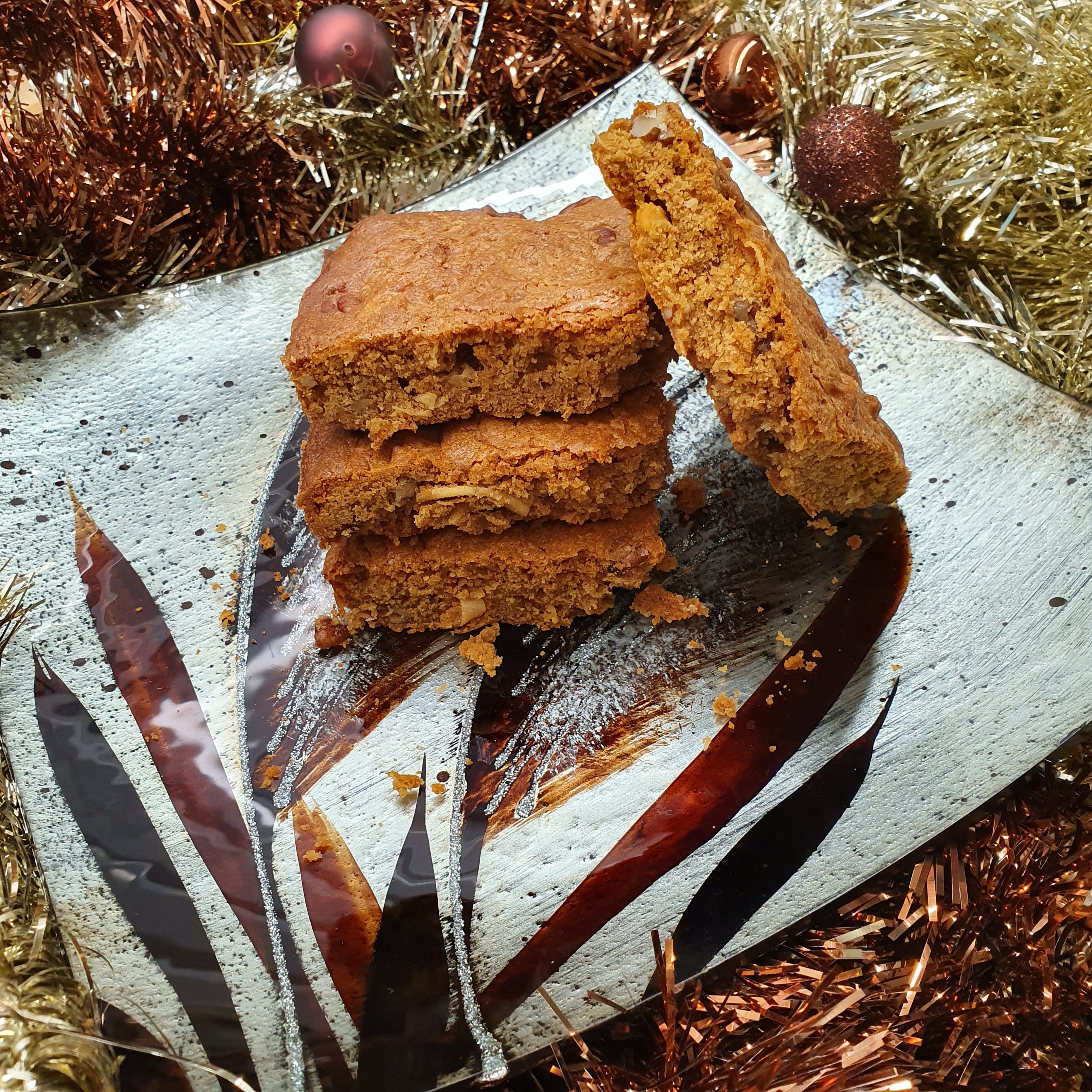
Gabonese cake is more like a Gabonese biscuit 😀 Noooo, as I said above, Africa is not very rich in cake recipes. The taste of Congo bars is great, and while baking in the oven, the kitchen smelled divinely of nuts, chocolate and roasted brown sugar. Try it yourself. Quick, easy and delicious. 🙂
Next destination – Gambia.