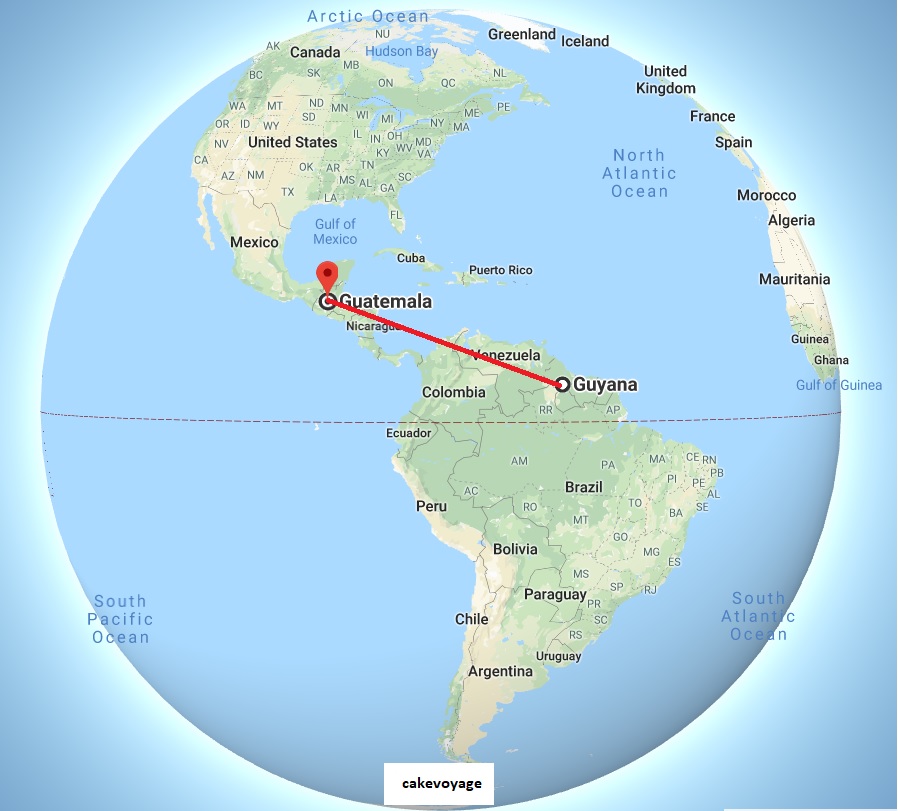

One of the best preserved rainforests in one of the most uninhabited areas on the planet. Wildlife with exceptional biodiversity – the world as it was a million years ago. Welcome to Guyana, the only English-speaking country in South America. However, English is not spoken by its ancient inhabitants – jaguars, caimans, tapirs and all other animals inhabiting its forests. 🙂
Kaieteur Waterfall is one of the main attractions in the country. It is 225 meters high and is little visited by tourists because of the difficult terrain of the jungle and the distance from the capital Georgetown. Kaieteur is 5 times higher than Niagara Falls and 2 times abounding in water. At certain times of the year it even reaches 1260 cubic meters per second of water. In general, international tourism is poorly developed, there are no large resorts along the coast. The reason for this is the low coast, high tides and unfavorable sandy beaches. Investments in the resorts are small, as the competition in the Caribbean is very high, the infrastructure is poorly developed, there are almost no minerals. Guyana is poor in fresh water and 80% of the territory is a protected area.
The first Europeans arrived in the area around 1500 and found a local population of American Indians from the Arawak and Caribbean tribes. At the beginning of the 17th century, the Dutch established European settlements by founding three colonies. In the second half of the 18th century, control passed to the British and the Dutch officially withdrew. The three colonies became the official possession of the British Crown under the name of British Guiana. The country gained independence from the United Kingdom in 1966 and was declared a Cooperative Republic in 1970, remaining within the British Commonwealth.
As in the rest of the Caribbean, in Guyana, sugar was the main reason for the colonization of the territory. The production of sweet crystals and their delivery to Europe have made many people extremely rich in the past. Guyana is especially famous for the so-called Demerara sugar, which is not fully refined sugar, with a residual amount (two to three percent) of molasses. Nowadays, Demerara sugar is produced mainly by adding a small amount of molasses to refined sugar. In the 17th century, almost every sugar plantation had its own distillery attached to the property or had a partnership with a nearby distillery producing molasses from rum, a by – product of sugar production. At the height of the sugar boom in the 17th century, there were between 200 and 380 (according to various authors) rum distilleries in Guyana. After the cultivation of sugar beet, in temperate latitudes, the export of sugar from sugar cane to Europe gradually decreased. As a result, count of distilleries in Guyana and the rest of the Caribbean are reduced. At the beginning of the 20th century, their number shrank to 64. The rums who called Demerara Rum (Demerara Rum) refer to those produced in Guyana. A trademark or rather a geographical indication “Demerara” expires at some point, but soon after that the application is renewed. During the time when the label was unprotected, many rum producers around the world began to use the word “Demerara” as a “seal” for the quality of their products. To protect its name, Demerara Distillers has stopped selling bulk rum to be bottled by commercial companies such as Demerara. Today, every bottle of rum bottled with the name “Demerara Rum” must come from Demerara Distillers in Guyana.
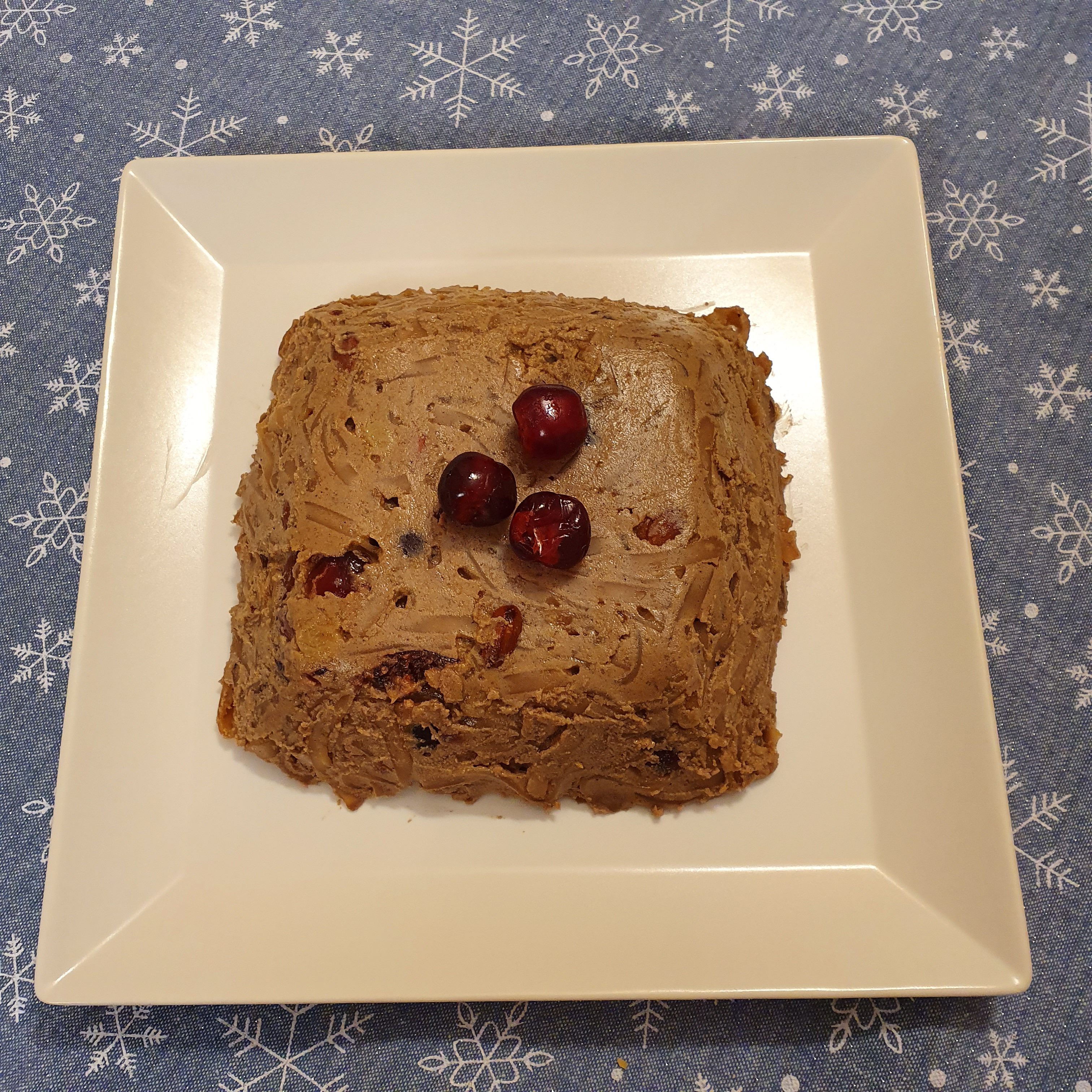
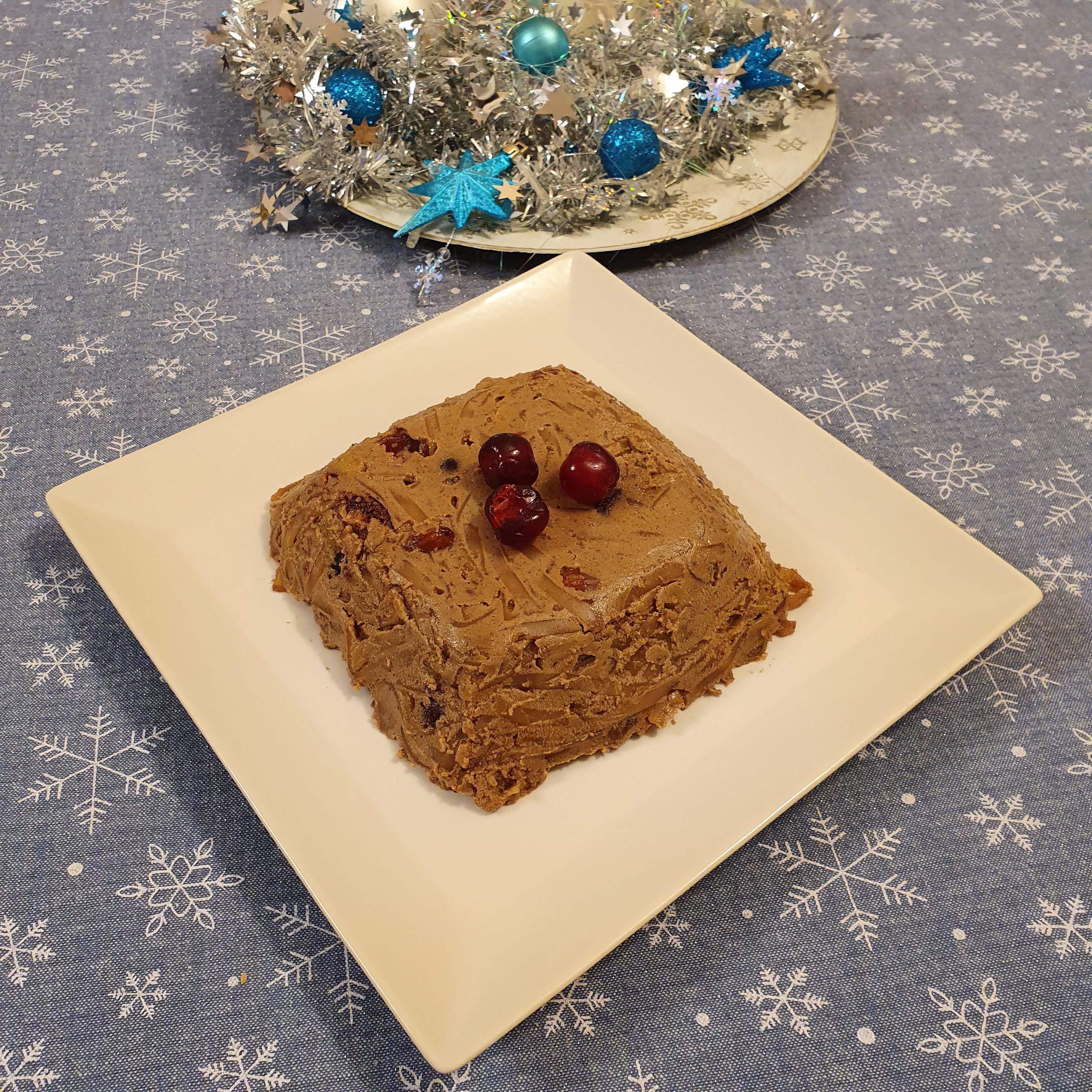
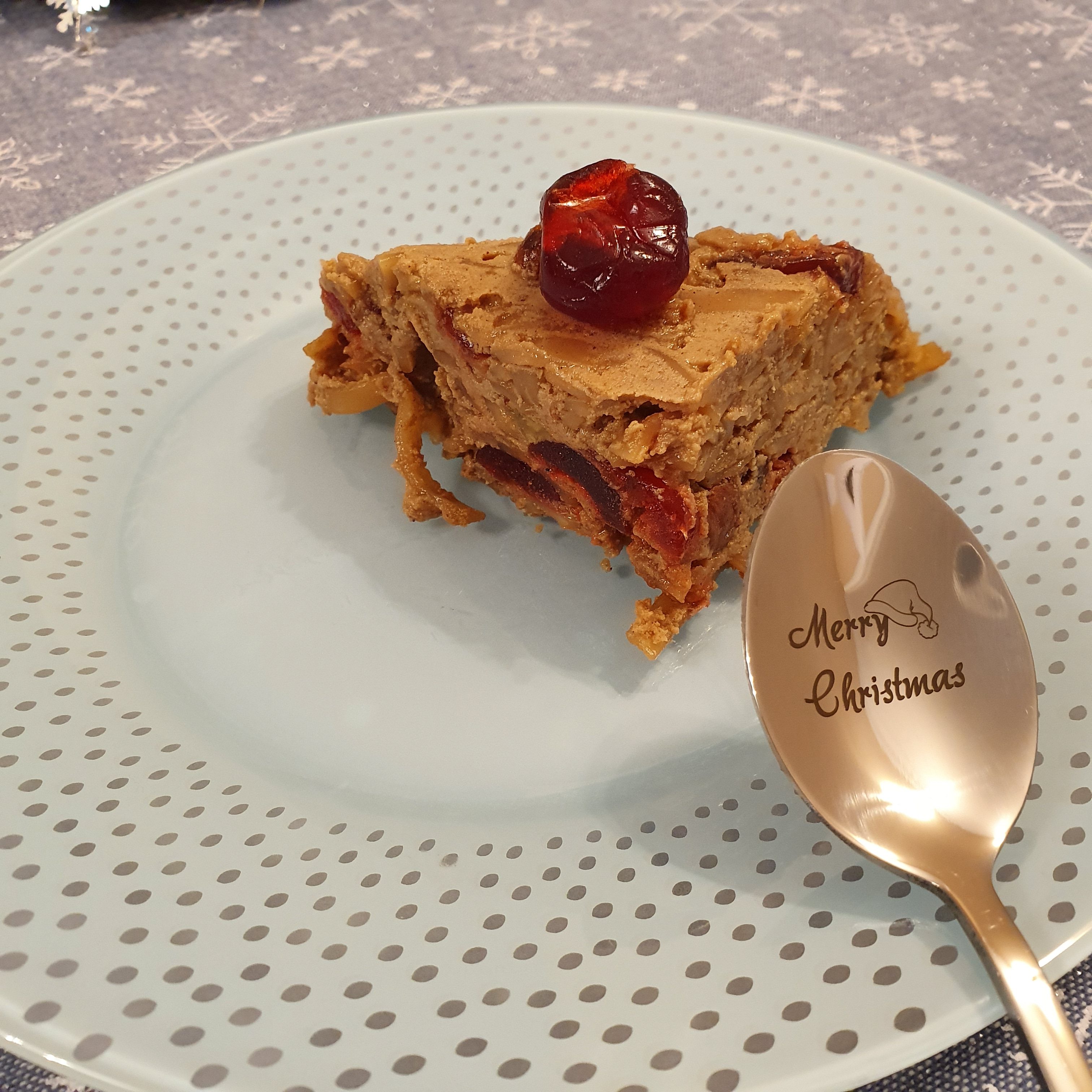
So far, I’ve been making a cake from dates, sweet potatoes and all sorts of products, but I hadn’t made a cake in a pot with rice noodles as the main ingredient. 😮 But as the cliché says: “There is always a first time”… Today’s recipe is for Sawine (vermicelli cake). Here are the necessary products:

200 grams of rice noodles
1 tea cup brown sugar (preferably Demerara)
2 tablespoons butter
400 ml condensed milk
3 tea cups milk
2 tea cups water
3 tablespoons raisins
2 tablespoons cherries
4 tablespoons almonds
1/2 teaspoon cinnamon
1/4 teaspoon nutmeg
1/2 teaspoon almond essence
1 cardamom pod
1/2 teaspoon grated ginger root
Method of preparation:
Fry the noodles in the butter until golden.
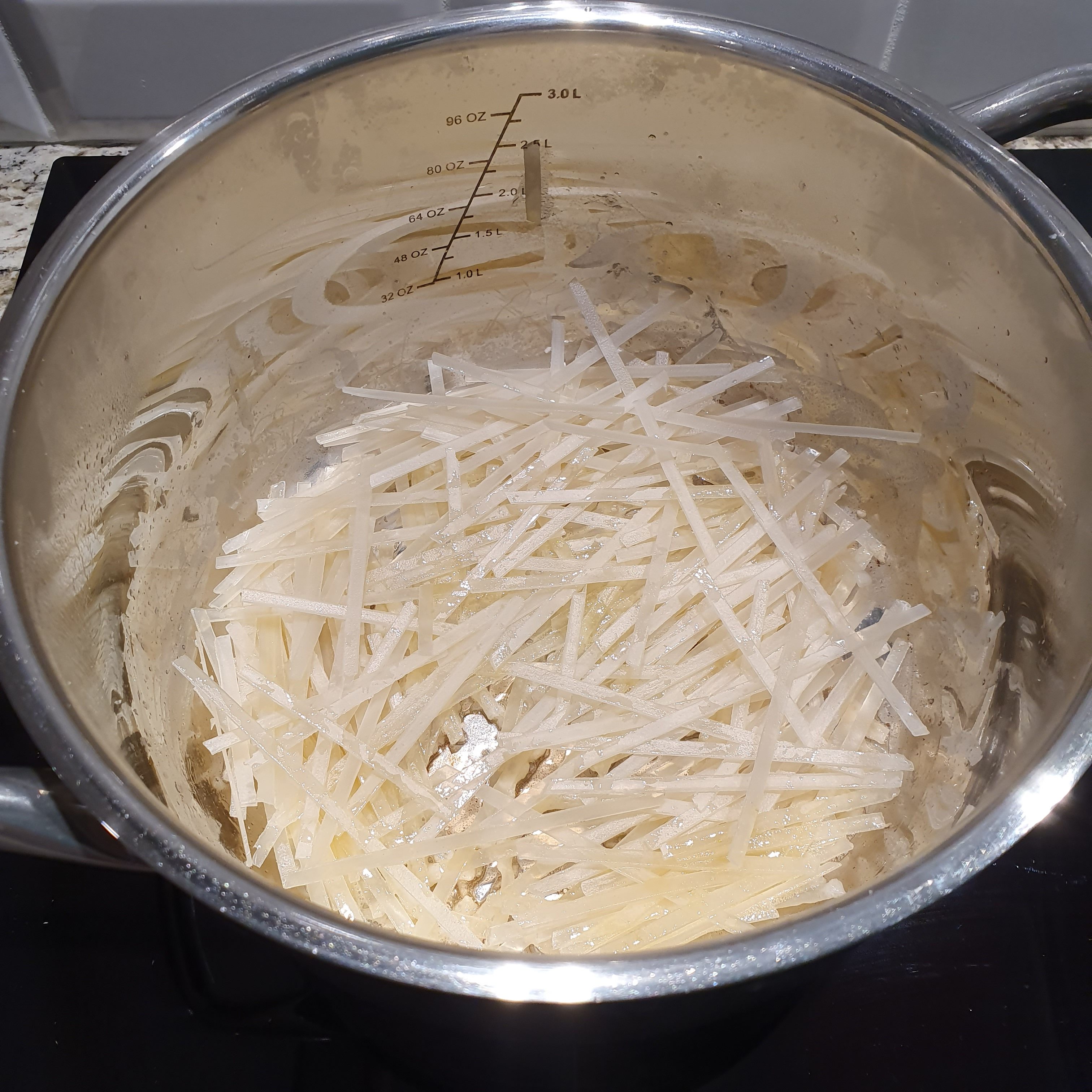
Then add the milk, condensed milk and water. Bring the mixture to the boil. Reduce heat to medium and add sugar, spices, fruits and nuts to the mixture.
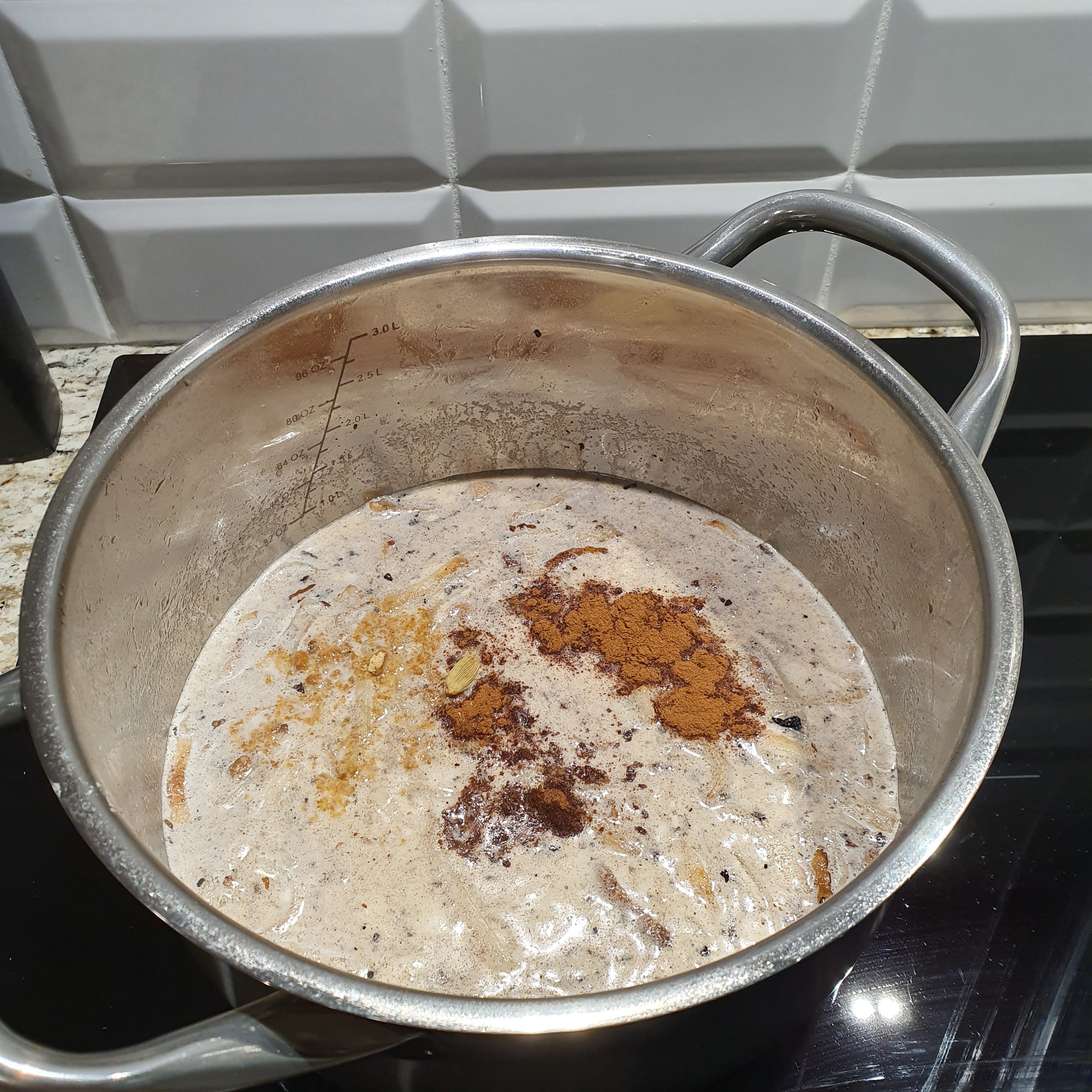
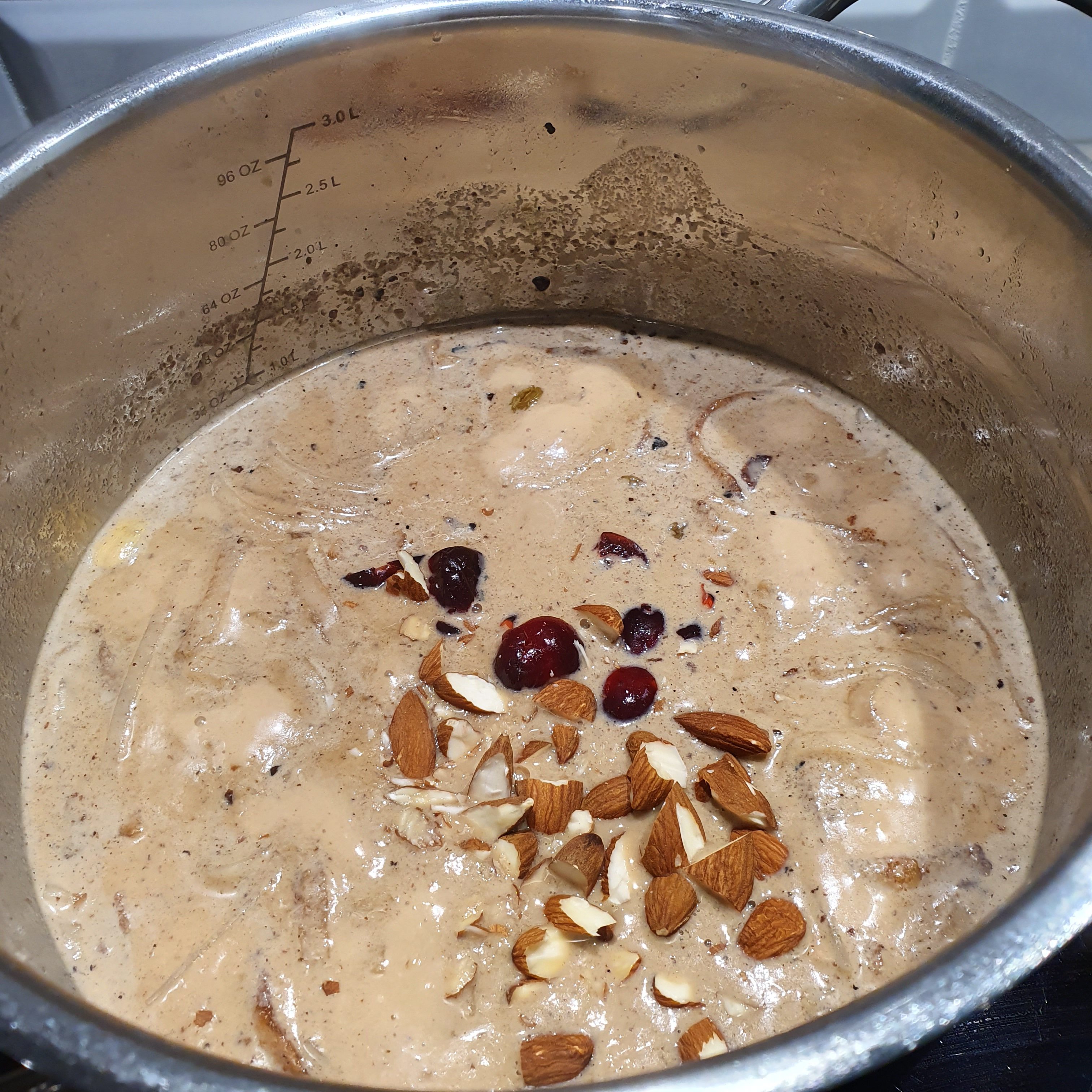
Stir the mixture often so that it does not burn until the amount is reduced by 2/3 of the original volume.
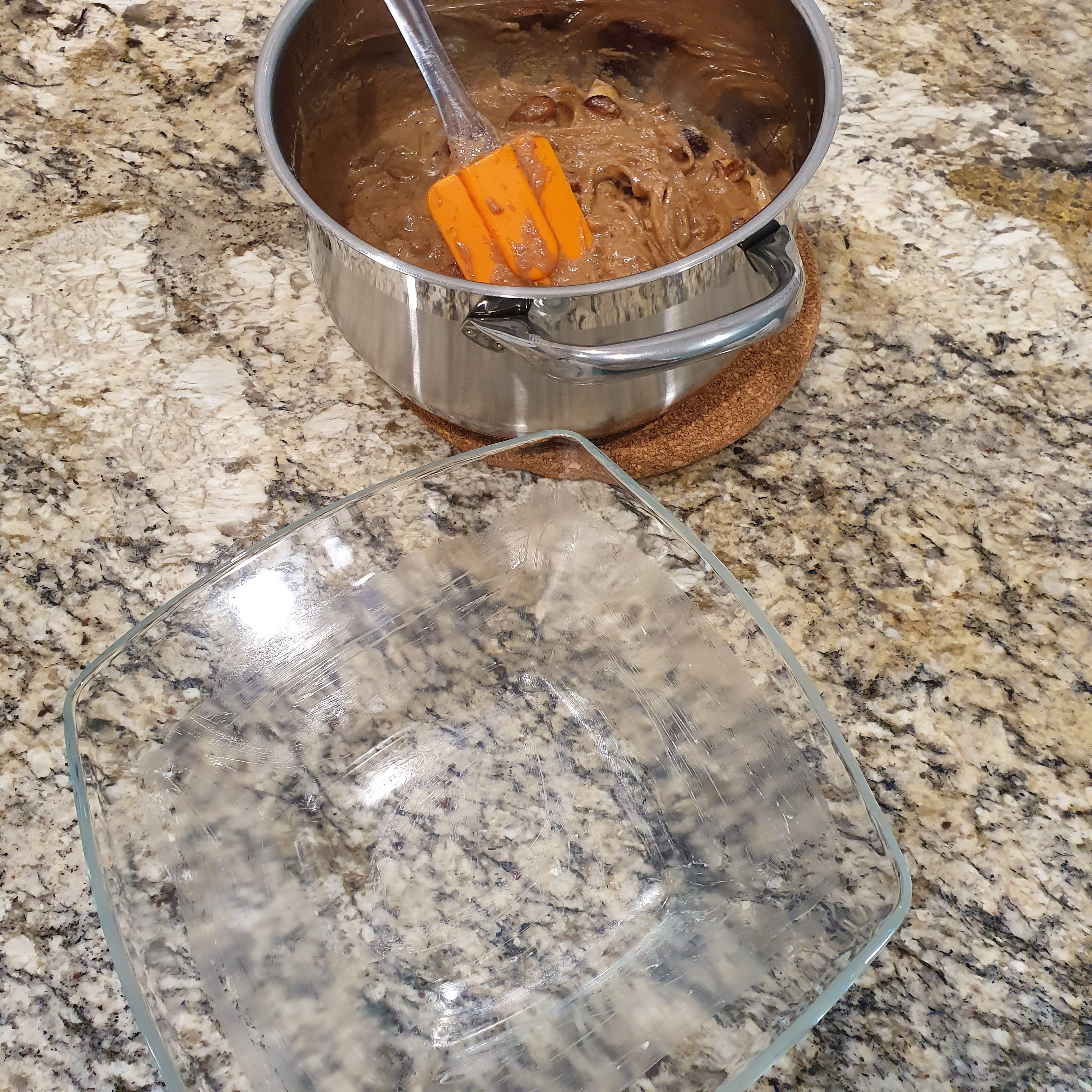
Grease a bowl with oil and pour the mixture into it. Leave in the refrigerator to cool. And that’s all. Enjoy.
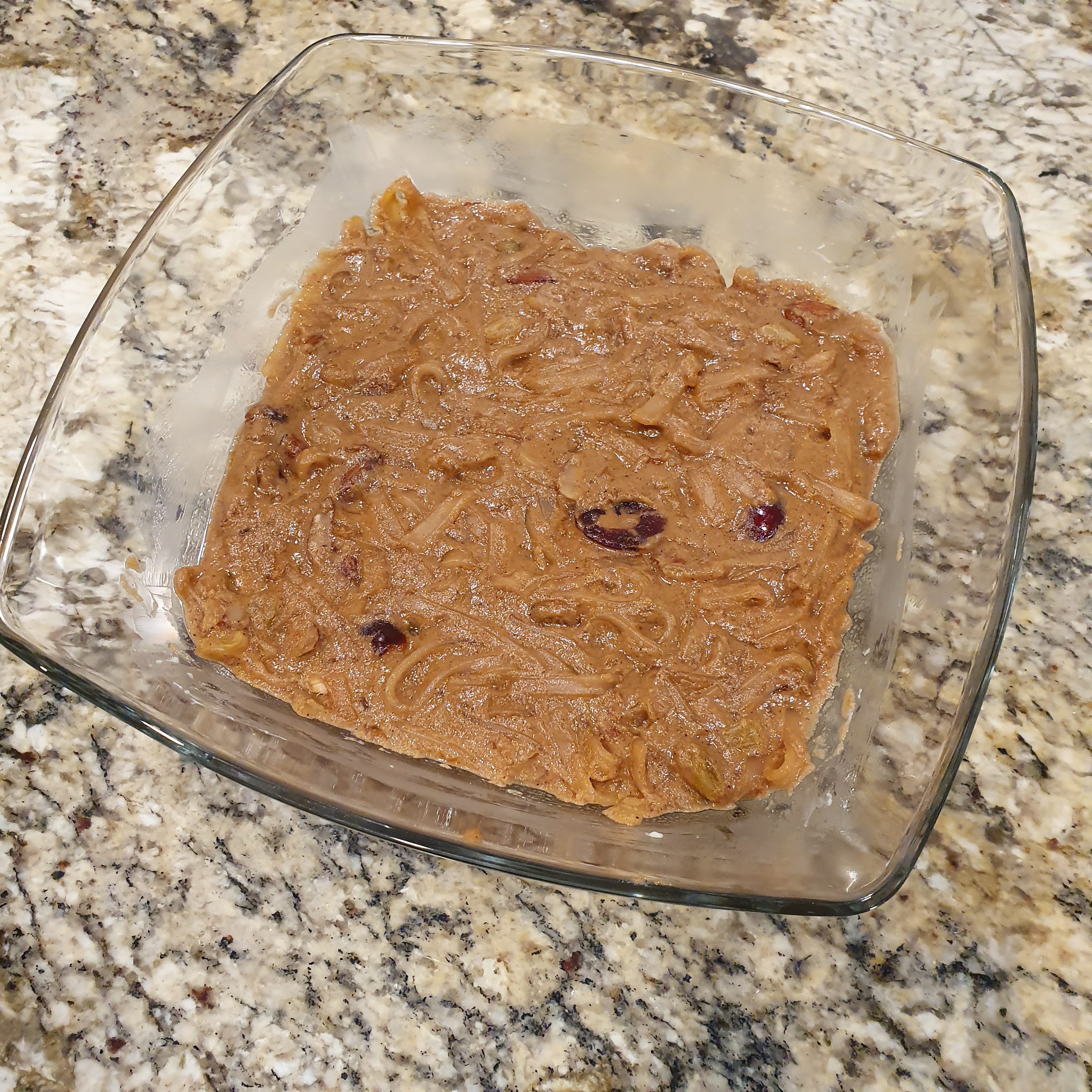
The cake is acceptable. It’s weird. It’s not one of the things I’d do again. That’s because of the idea. But no matter what we talk about with everything prepared in this blog, I gain experience and knowledge about the sweet side of life, and this is actually the important thing. Sometimes cakes are unique, sometimes modest, and sometimes not cakes at all. 🙂 Like this now. But, if you found it exotic and intrigued, try to prepare it yourself.
Next destination – Guatemala.