
The State of Guinea should not be confused with Guinea-Bissau and Equatorial Guinea. It is located in West Africa and until recently was a forgotten tourist destination. First because of the civil wars, and then because of the Ebola epidemic. In 2015, this disease was defeated in this part of the world and now one can think of a walk to its picturesque hills, to feel the contrast of the dry northern parts and the jungle to the south, to see elephants and primates. In Africa, this is where a leopard can still be found. Three major rivers in West Africa spring from Guinea, from the Futa Jallon-Niger region, the Gambia and Senegal.

The word “guinea” is of Berber origin and means a community of black Sudanese. In the 15th century, Guinea was part of Ghana and Mali. At the end of the 19th century, French troops occupied the territory and at the beginning of the 20th century the country became part of French West Africa. It has been an independent state since 1958 following a referendum.
Almost half of the population is below the poverty line. About two-thirds are employed in agriculture, but their daily wages rarely exceed $ 2-3. Rice, coffee, palm nuts, cassava, pineapple, manioca . About 1/3 of the world’s bauxite reserves are located in Guinea. Its exports are the main item in the budget revenues, somewhere around 80% of them. The country has some iron ore and diamonds, which it also profits from, but due to poor infrastructure, investors are reluctant to do business in Guinea.
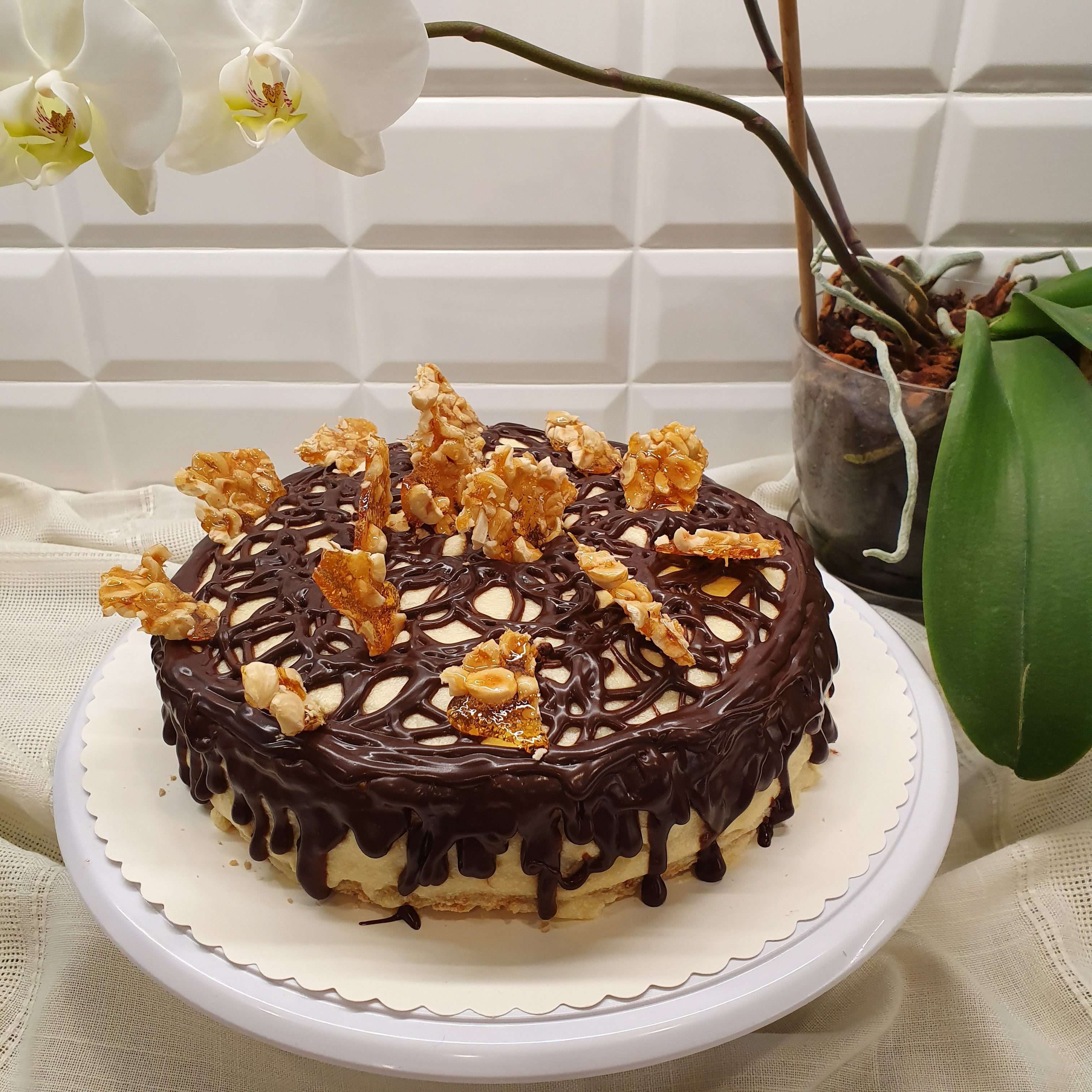
Rice is a key ingredient in every meal. Its preparation varies depending on the region. Cassava roots, fish and seafood, corn and fruit are also on the table. As you can guess, recipes for desserts are almost non-existent. In big cities, one can eat a variety of French desserts in pastry shops. There is nothing strange in this, given the common history of the two countries for about 60 years. I searched for a long time to find an authentic dessert – from rice, from cassava 😀, but all my searches ended in total failure. It is good that the French confectionery school provides an extremely wide selection of desserts. 😉 My French choice for a cake from African Guinea is “Dacquoise”. I have the feeling that I haven’t made a real cake on the blog for a long time. By real I mean a sweet temptation, which is a sequence of cakes and cream. I think Vietnam was the last one. So now I’m enthusiastic about describing what you need for dessert.
For cake bases:
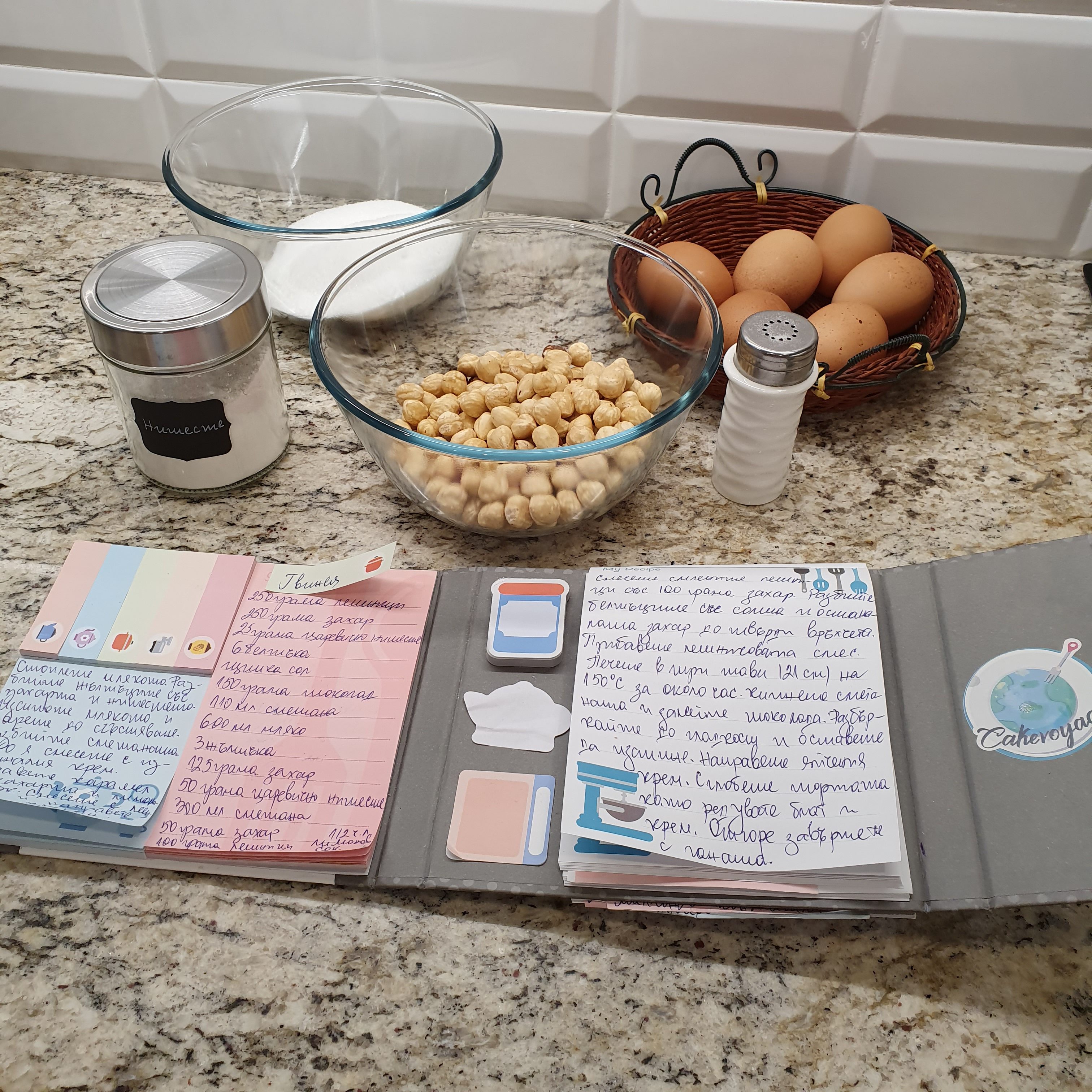
250 grams of hazelnuts
250 grams of sugar
25 grams of cornstarch
6 egg whites
pinch of salt
For ganache:
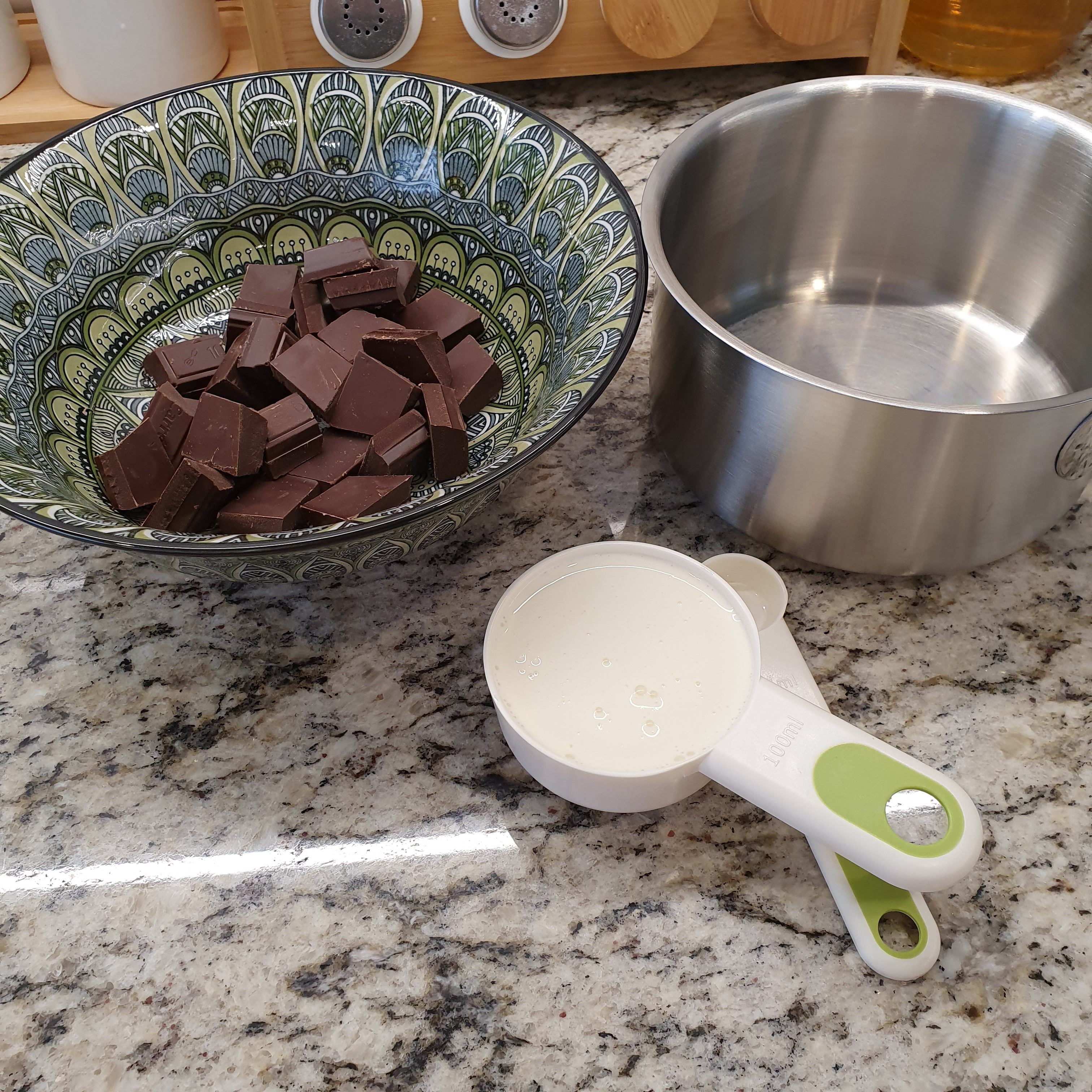
150 grams of dark chocolate
110 ml cream
For the cream:
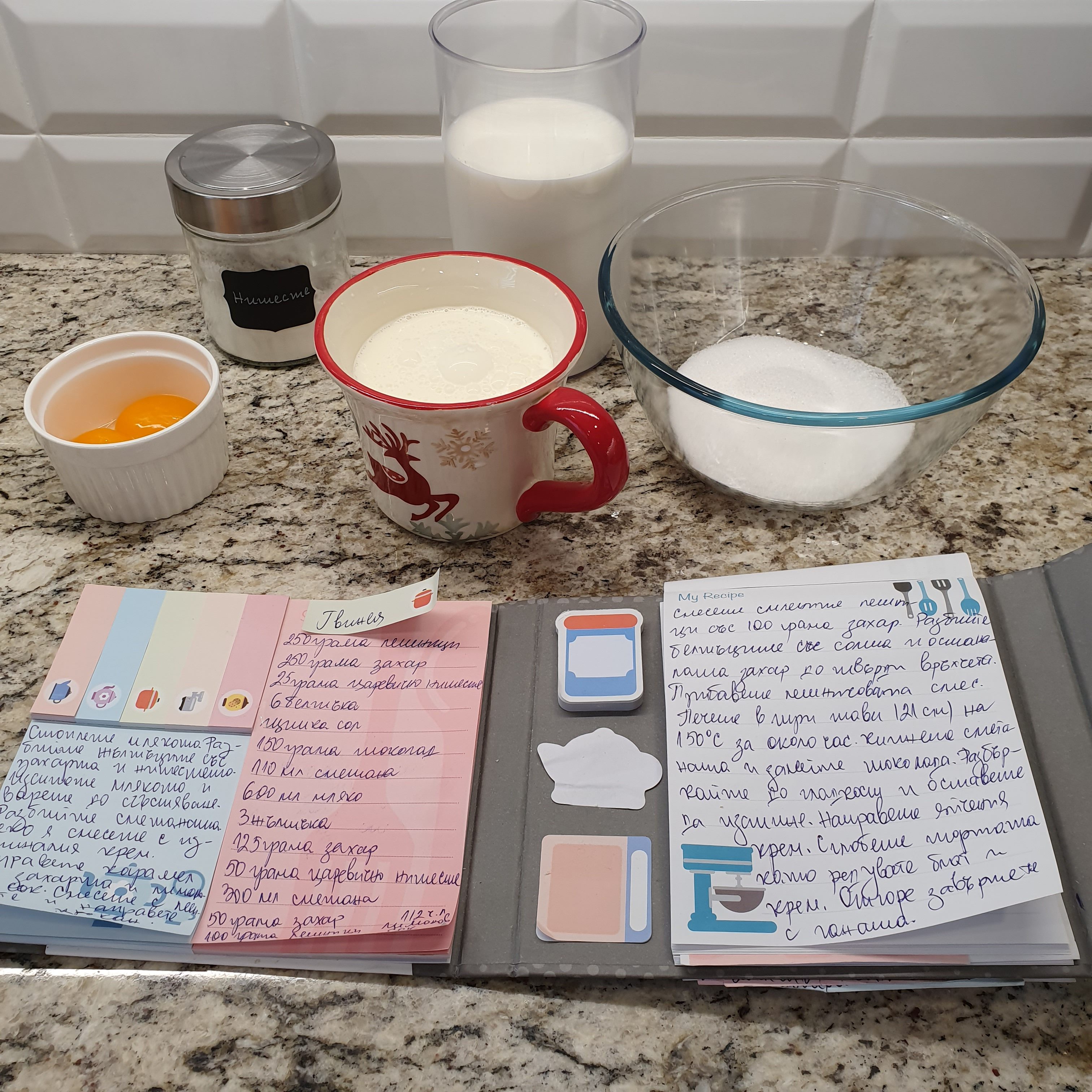
600 ml of fresh milk
3 egg yolks
125 grams of sugar
50 grams of cornstarch
300 ml cream coffee-flavored essence; if you don’t have vanilla it’s always a good idea
For the crocan:
50 grams of sugar
100 grams of hazelnuts
1/2 teaspoon lemon juice
Steps of preparation:
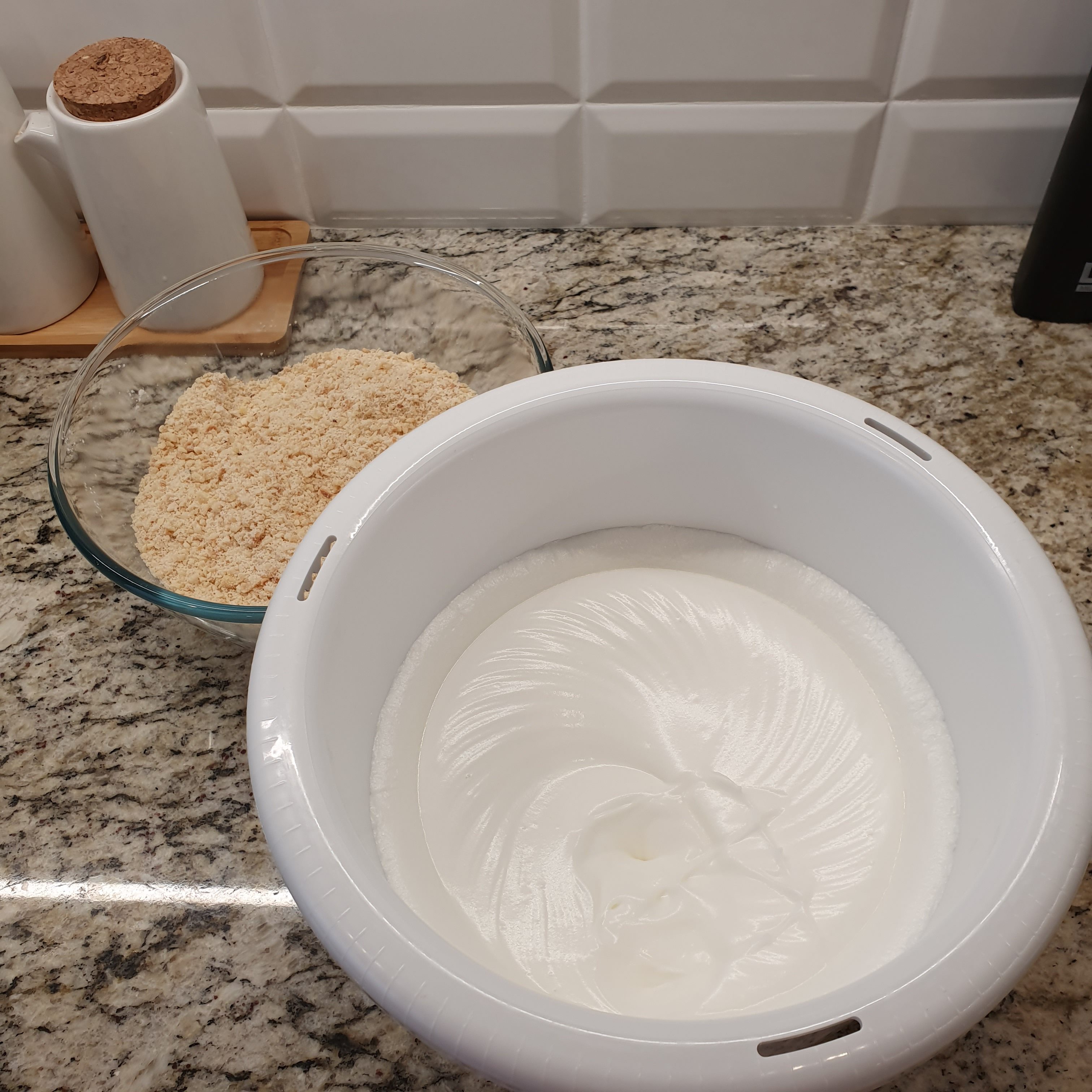
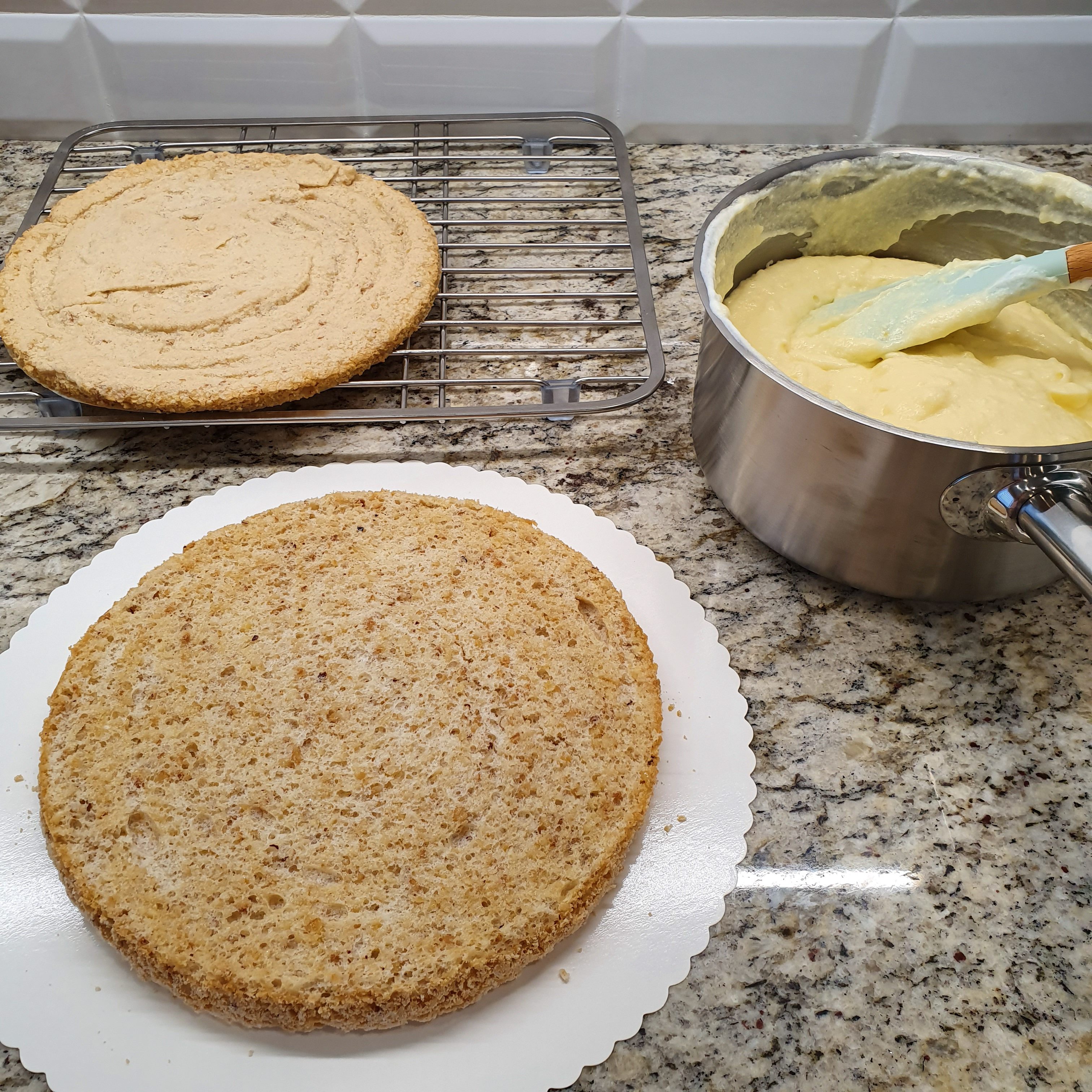
Grind the hazelnuts with a blender. I prefer them to be slightly coarsely ground, because this way the cakes hold the air more easily. You decide how you like it better. Mix them with 100 grams of sugar and cornstarch. Beat the egg whites with a pinch of salt for about 2 minutes on medium speed of the mixer. Add the rest of the sugar and turn on the mixer at maximum speed until the mixture becomes with firm peaks. Carefully add the nuts, sugar and flour and stir with a wooden spoon from bottom to top very slowly until everything is mixed.
Prepare three trays by covering them with baking paper. Preheat the oven to 150 degrees and put the cake bases to bake. Bake for about an hour.
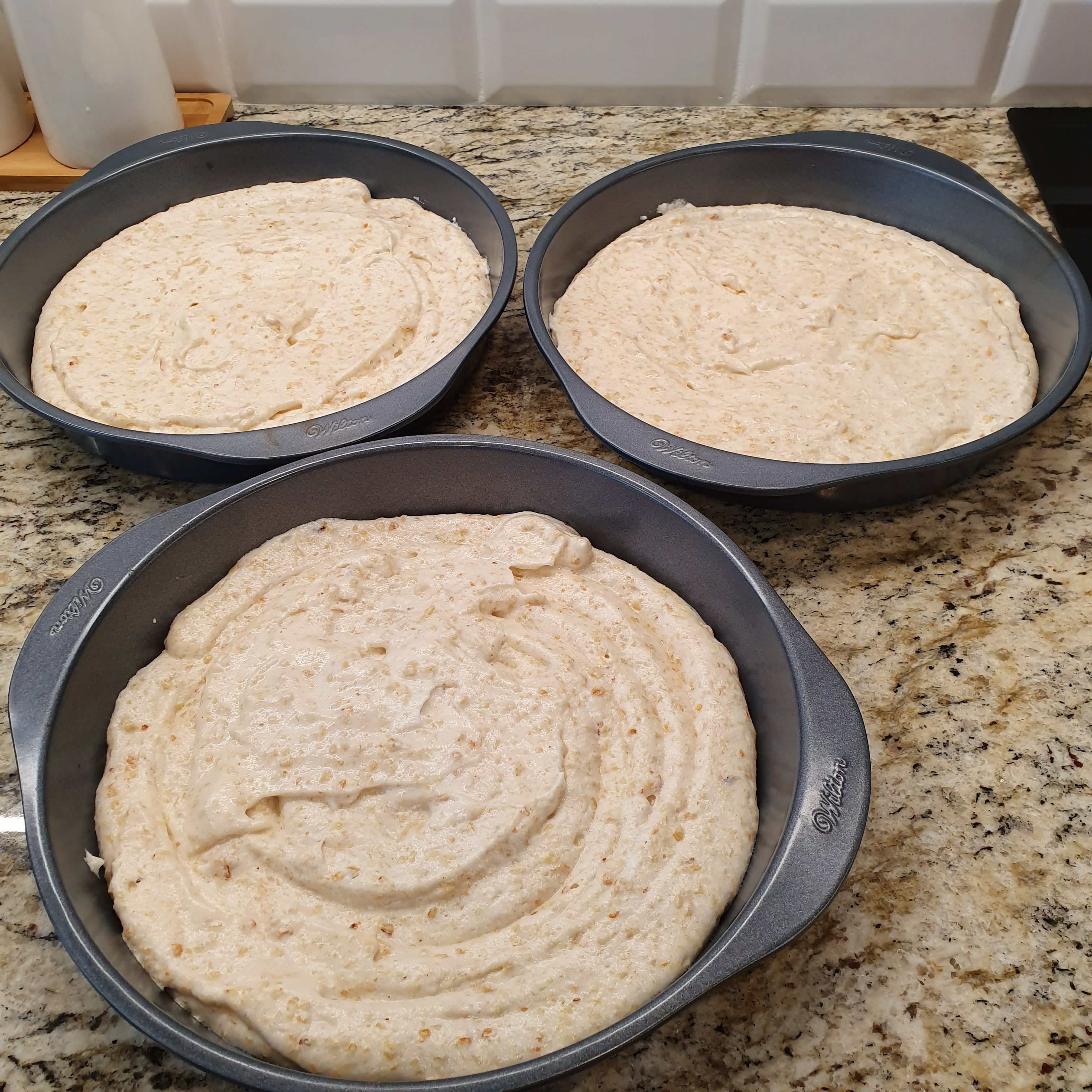
Then slightly open the oven door and leave the cake bases inside to cool. Remove them on a wire rack until completely cooled.
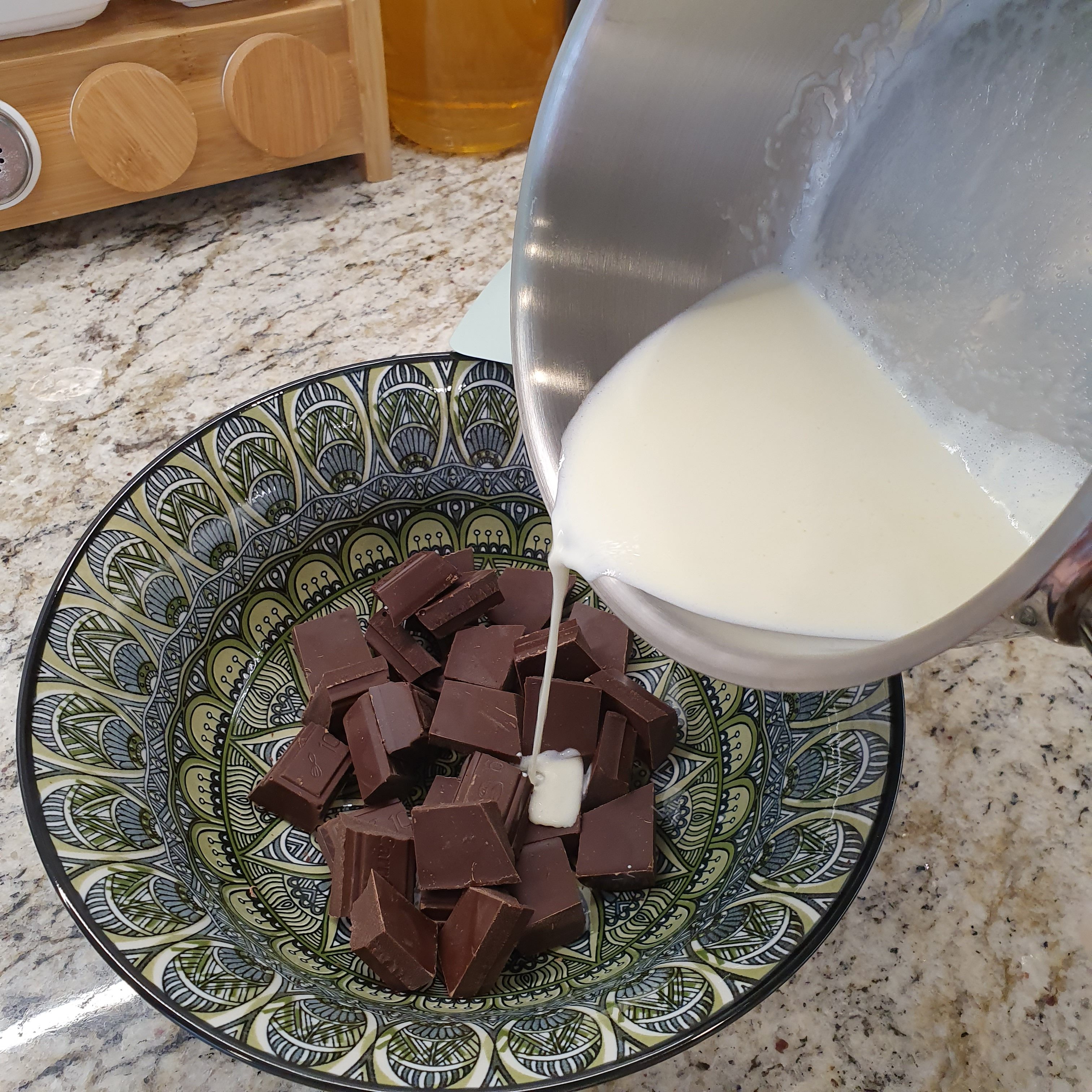
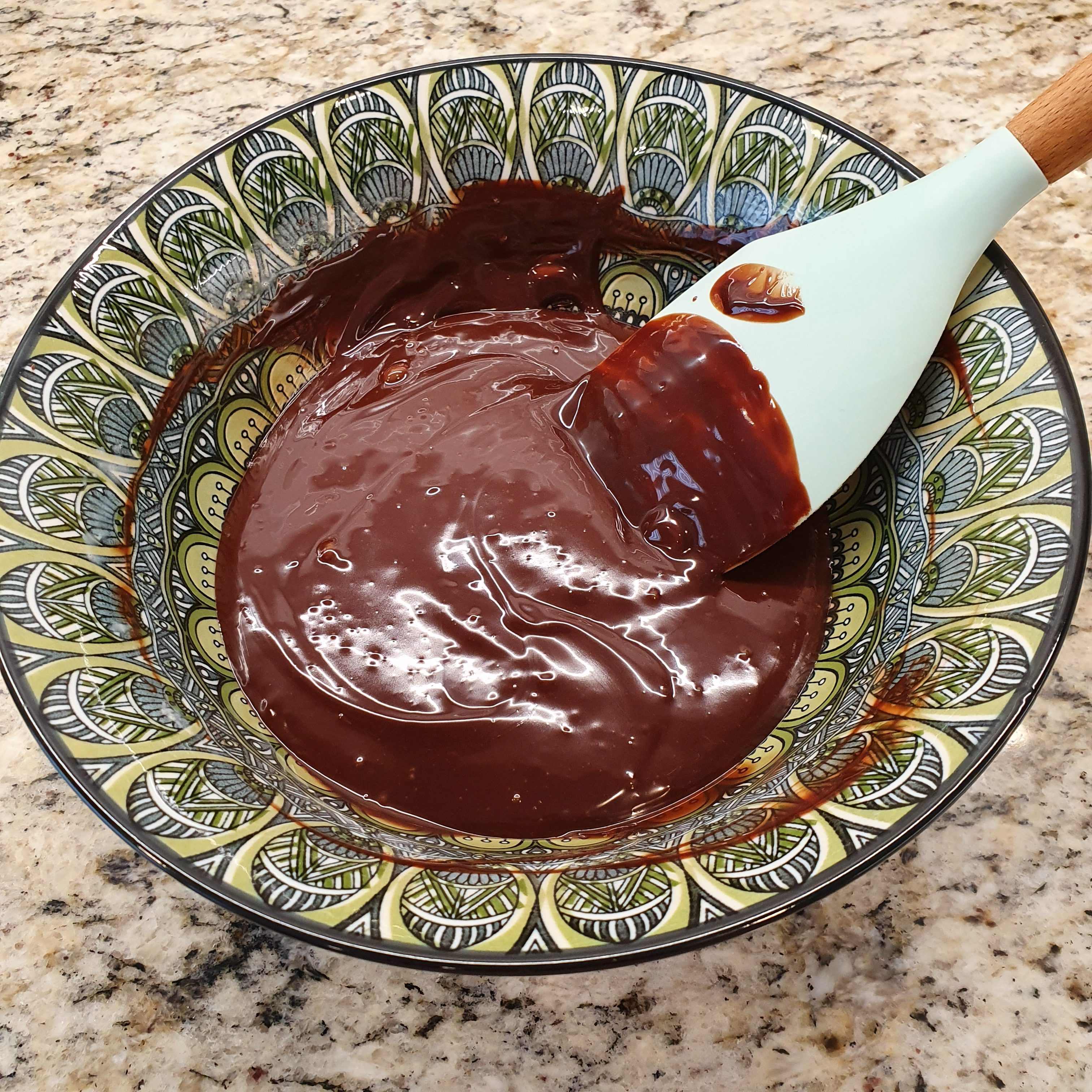
Prepare the ganache by putting the cream on the stove almost to a boil. Then pour it on the pieces of dark chocolate. Wait 2 minutes and stir until smooth. Cool off.
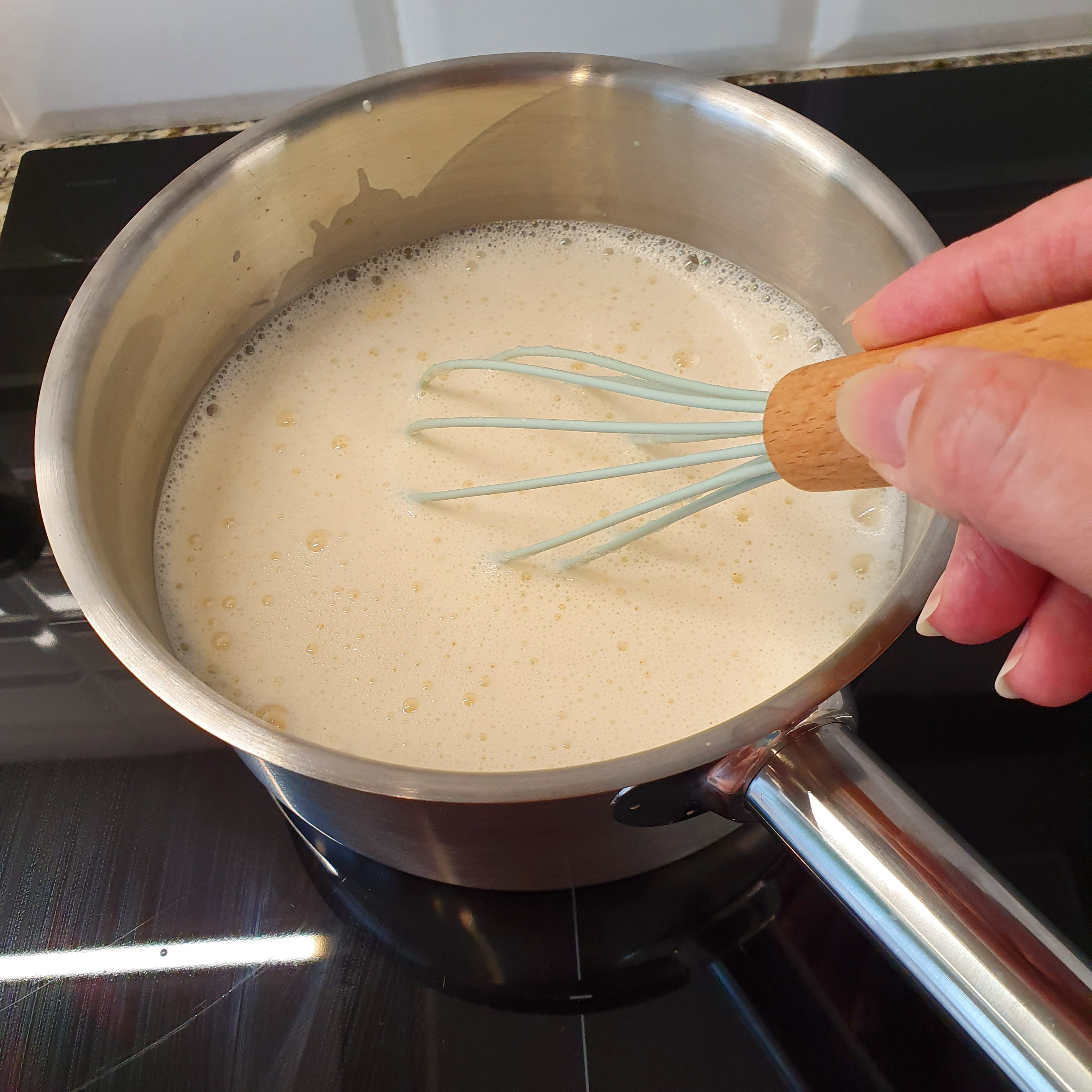
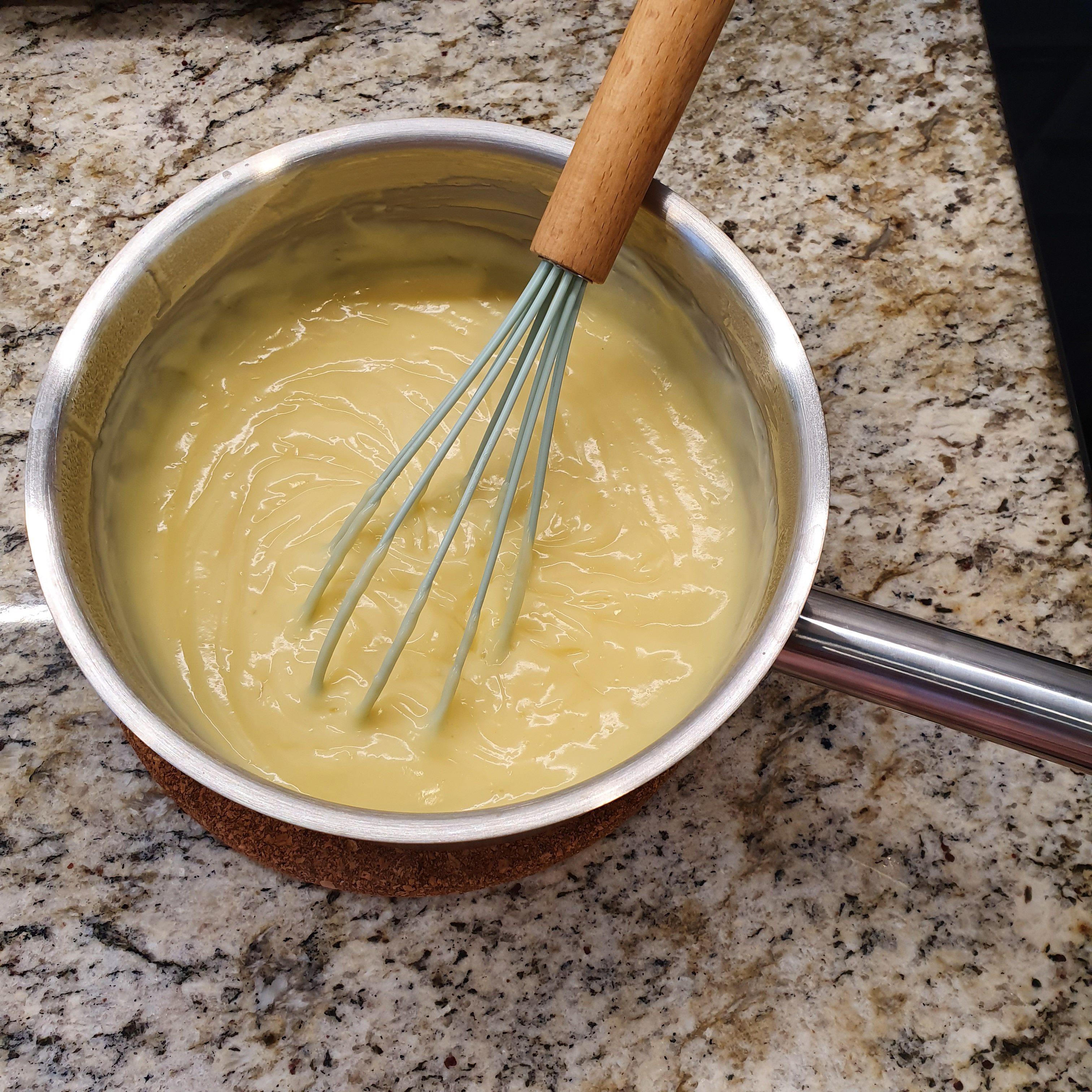
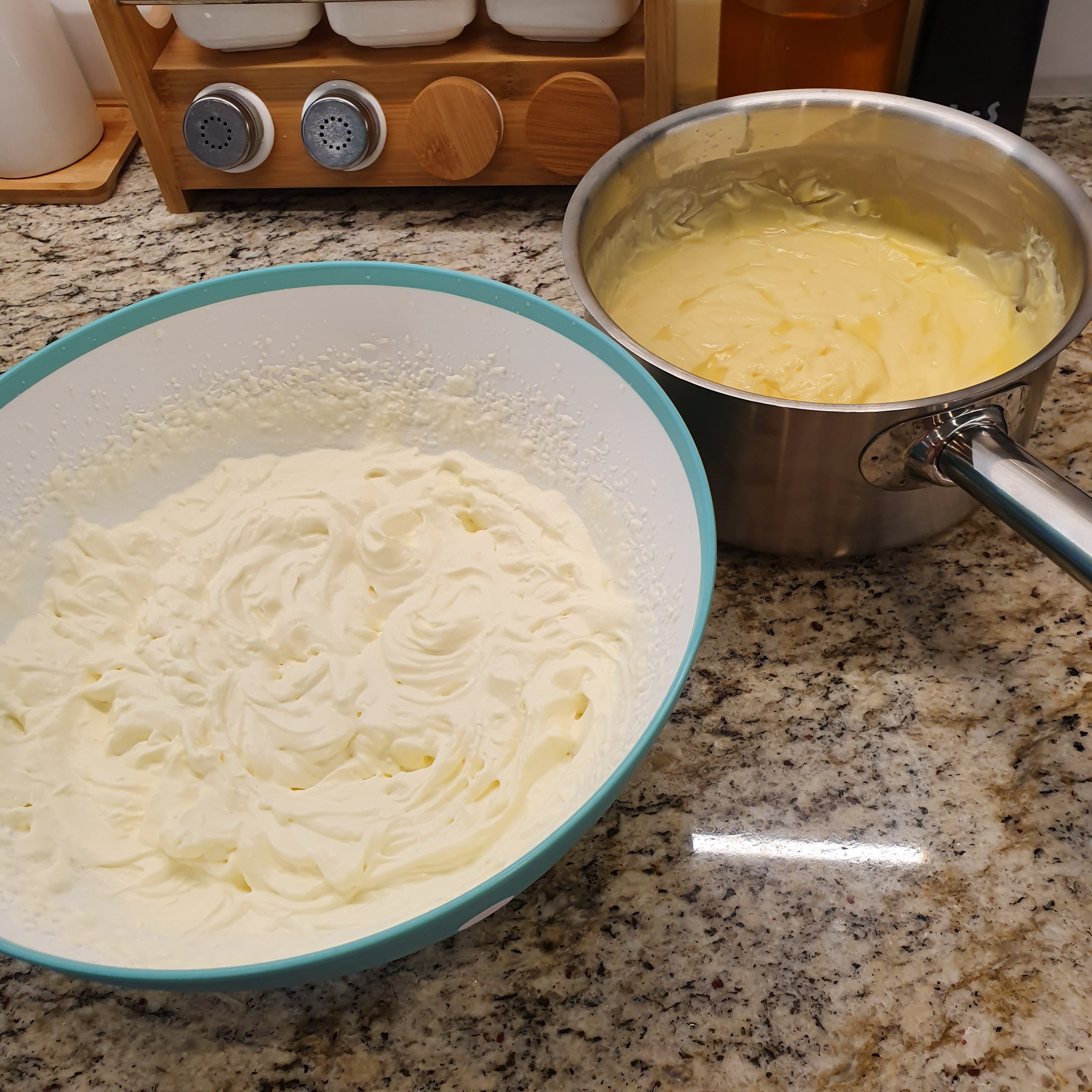
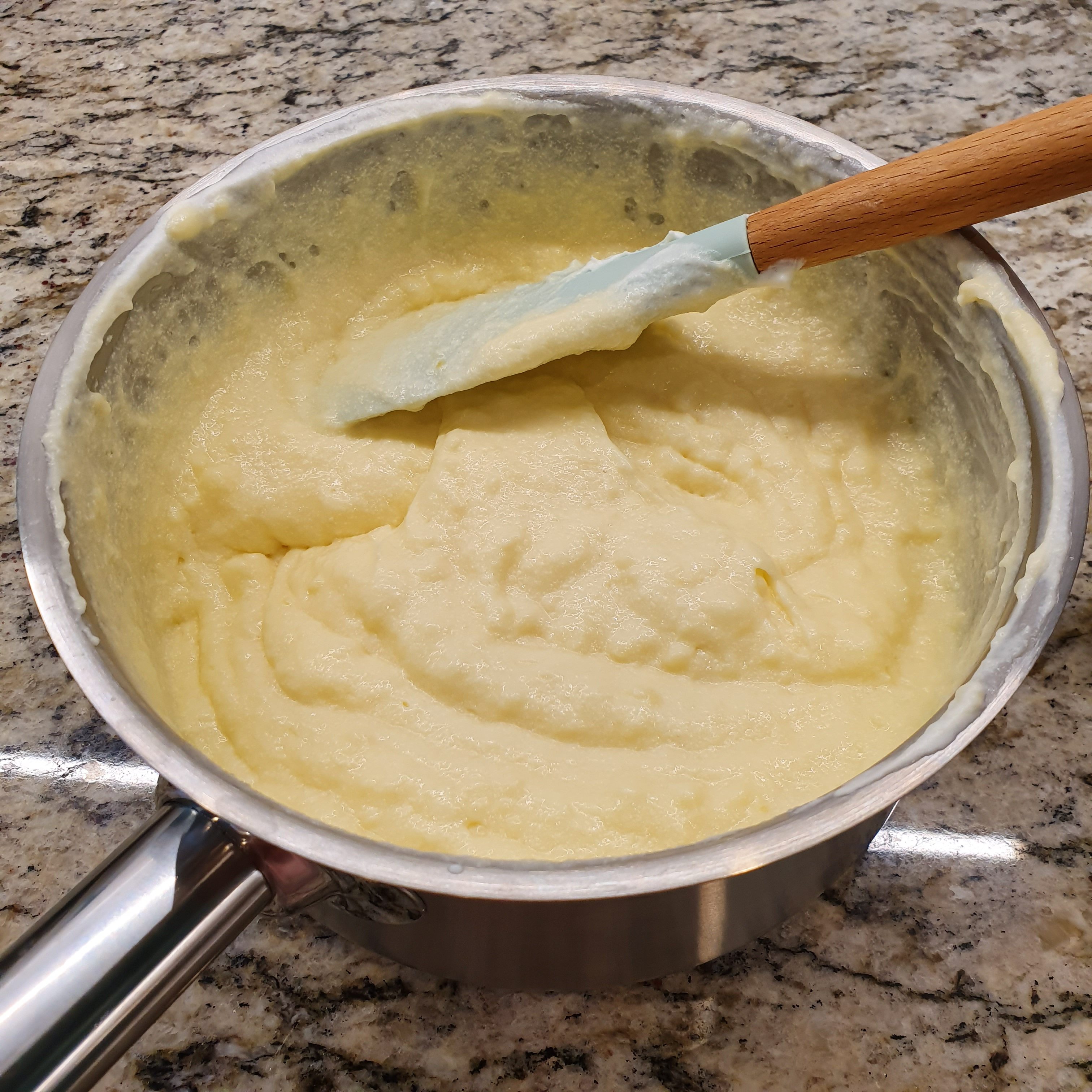
It’s time to make a cream. Heat the milk on the stove. Meanwhile, beat the yolks with the sugar and starch. Add the milk in a thin stream and then return to the stove. At medium temperature, boil the cream, stirring constantly, until it thickens enough. Whip the cold cream until soft peaks. Allow the egg cream to cool by covering it with foil for fresh storage so that it does not catch a crust. We mix the two parts and get a fluffy and rich-tasting cream. 🙂
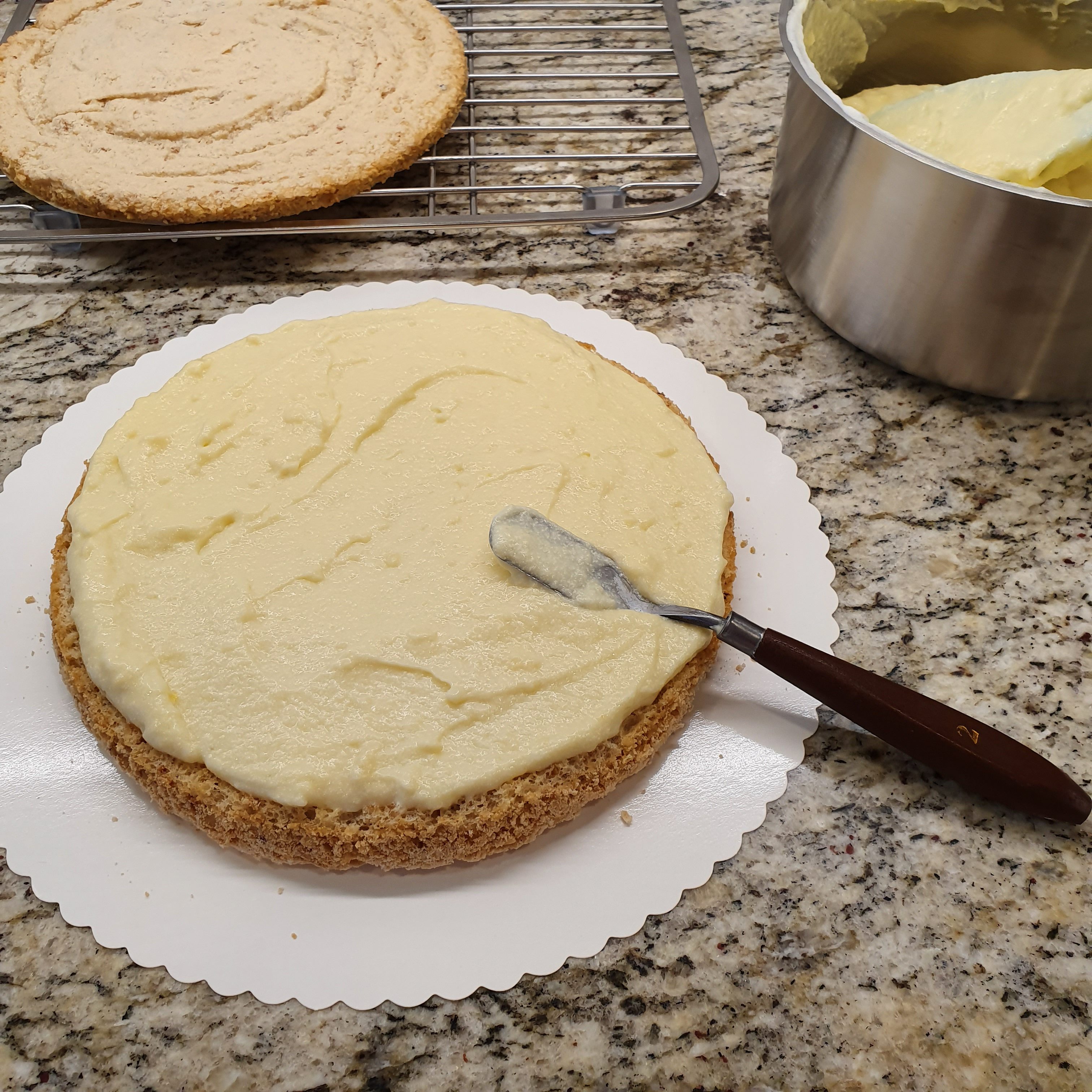
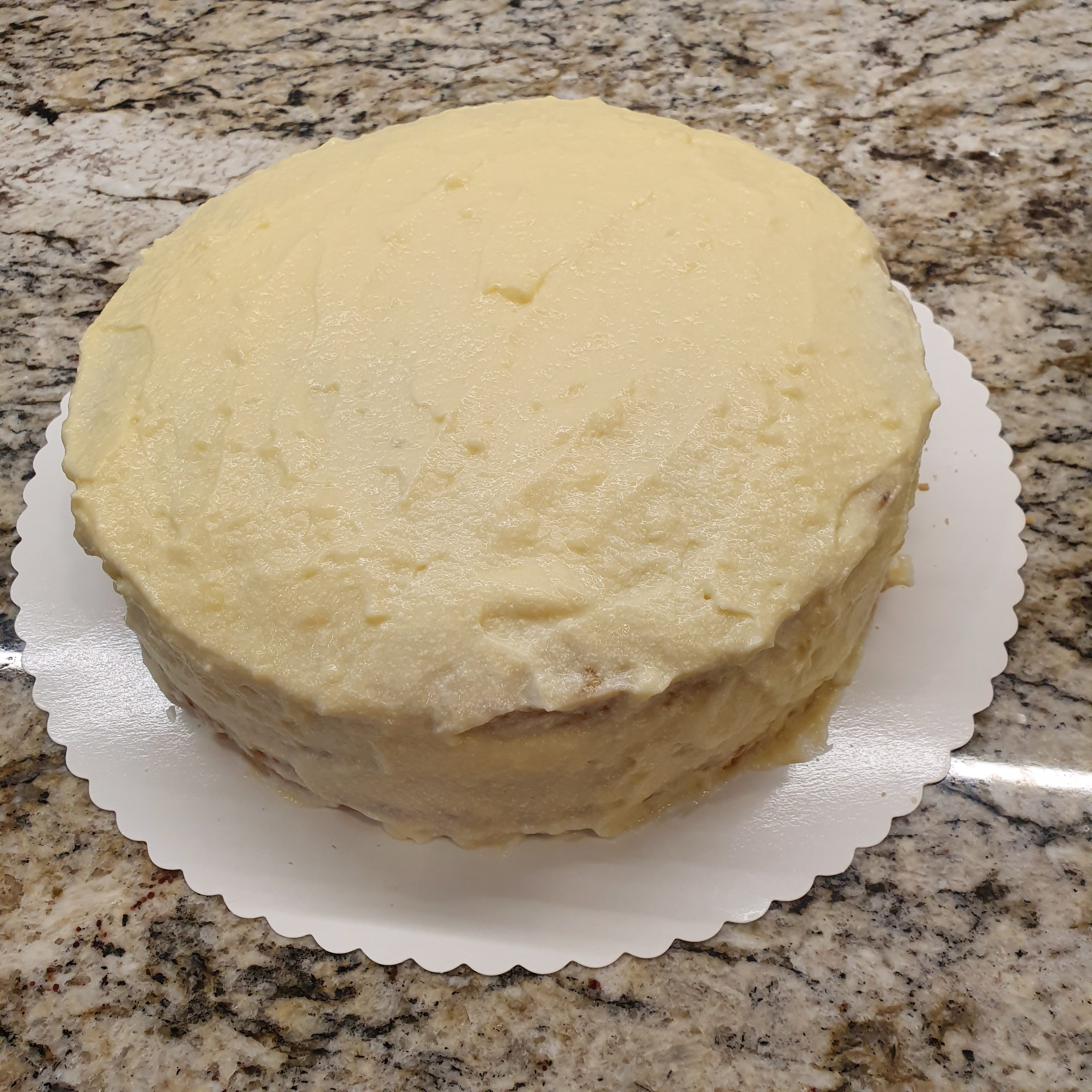
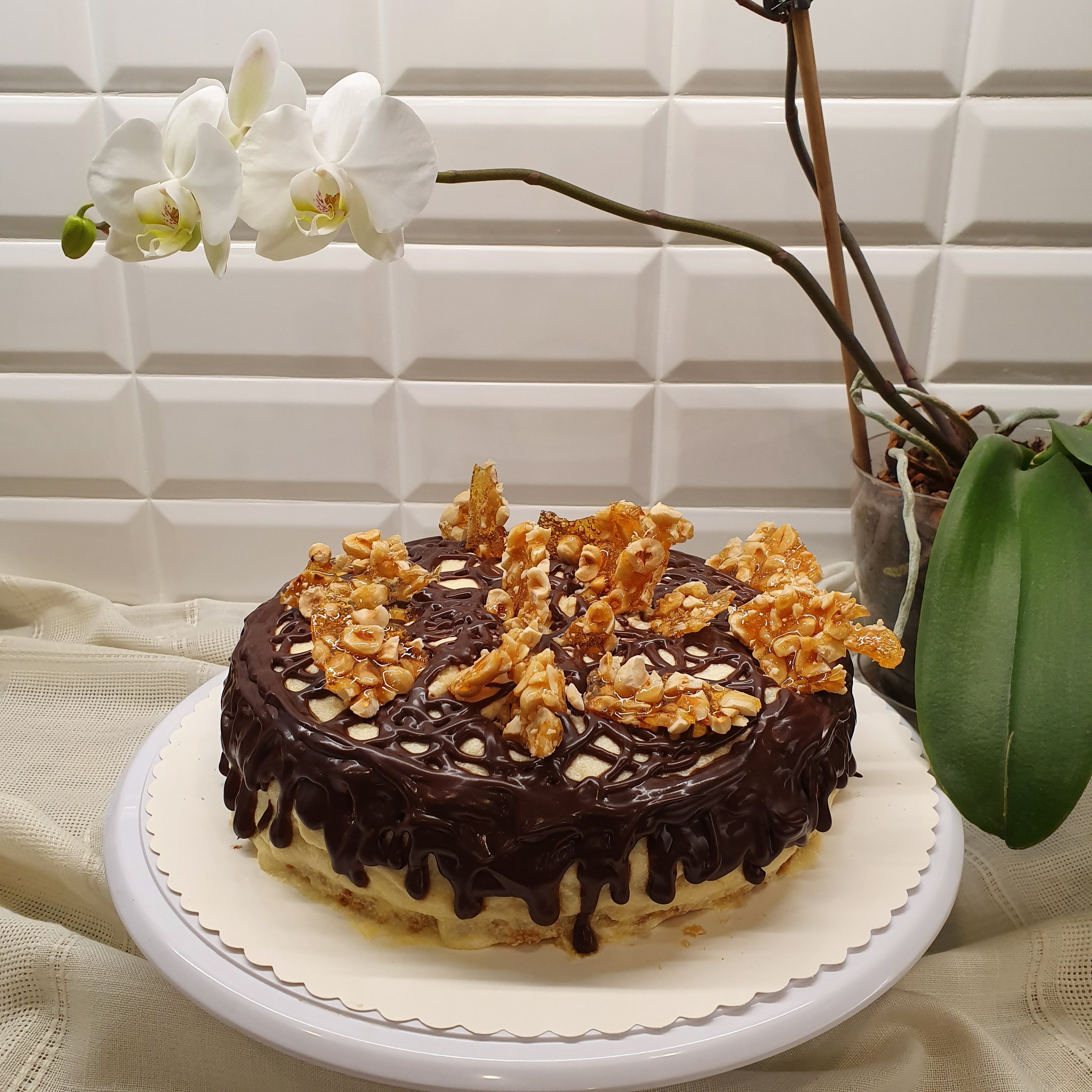
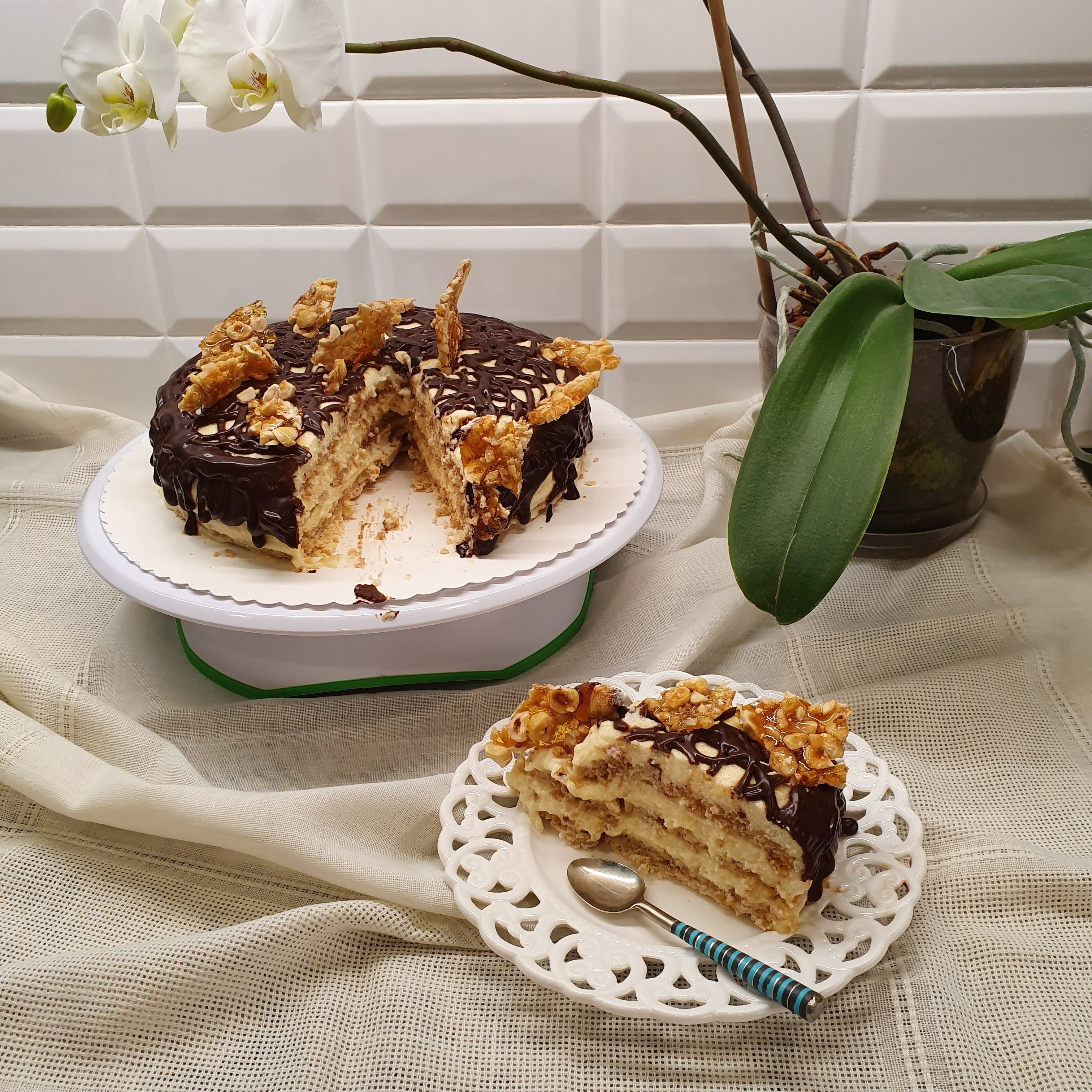
We assemble the cake by alternating cake bases and cream, and at the top we artistically finish with the chocolate ganache.
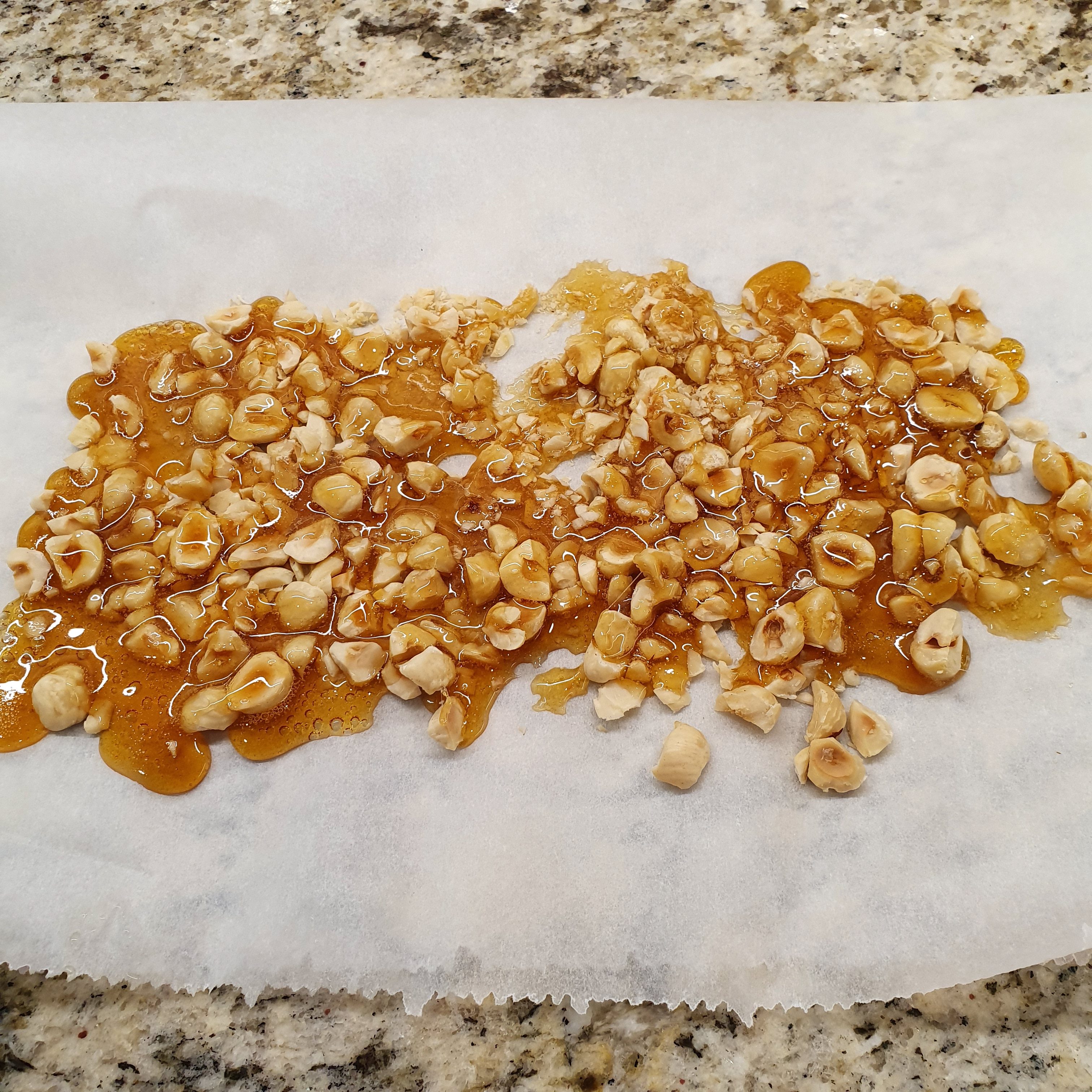
For decoration we use caramel crocan, which we make by caramelizing the sugar with a little lemon juice. Carefully break the hazelnuts and pour caramel on baking paper or silicone pad. Then we break uneven pieces and decorate with them. I made them bigger, and the original recipe said to stick the board of the cake with them. Since the people I will share this jewel with are not many fans of the caramel crocan, I decided to put it on top so they can remove it if they want.
Although the cake is not traditional Guinean, it tastes divine. I love such cakes with cake bases of nuts. I have done such dozens of times and all liked them . The secret is in baking. Or rather sun drying as I call it. You have to be patient, because at a higher temperature in the oven the egg whites will burn and the cake base will be raw in the middle. There is nothing else complicated in the recipe. It is generally of medium difficulty. But with a high level of taste. 😉 Try to do it for your loved ones, for your friends. For a birthday or just because it’s Sunday.
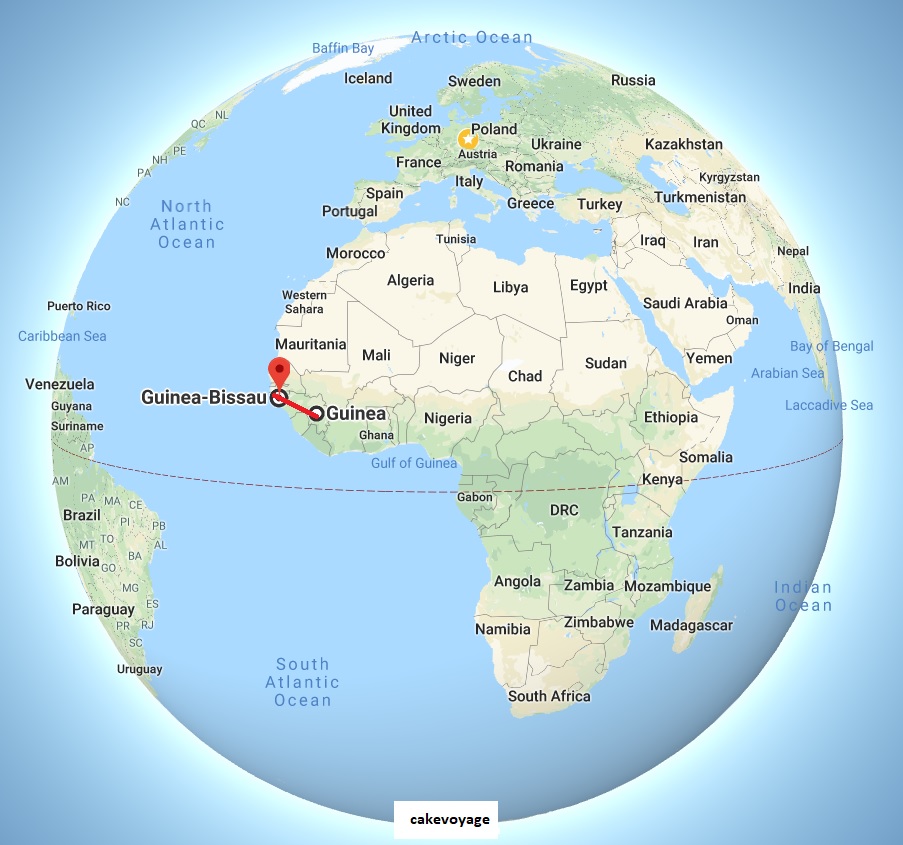
Next destination – Guinea-Bissau.

Really enjoyed this post. Keep writing.