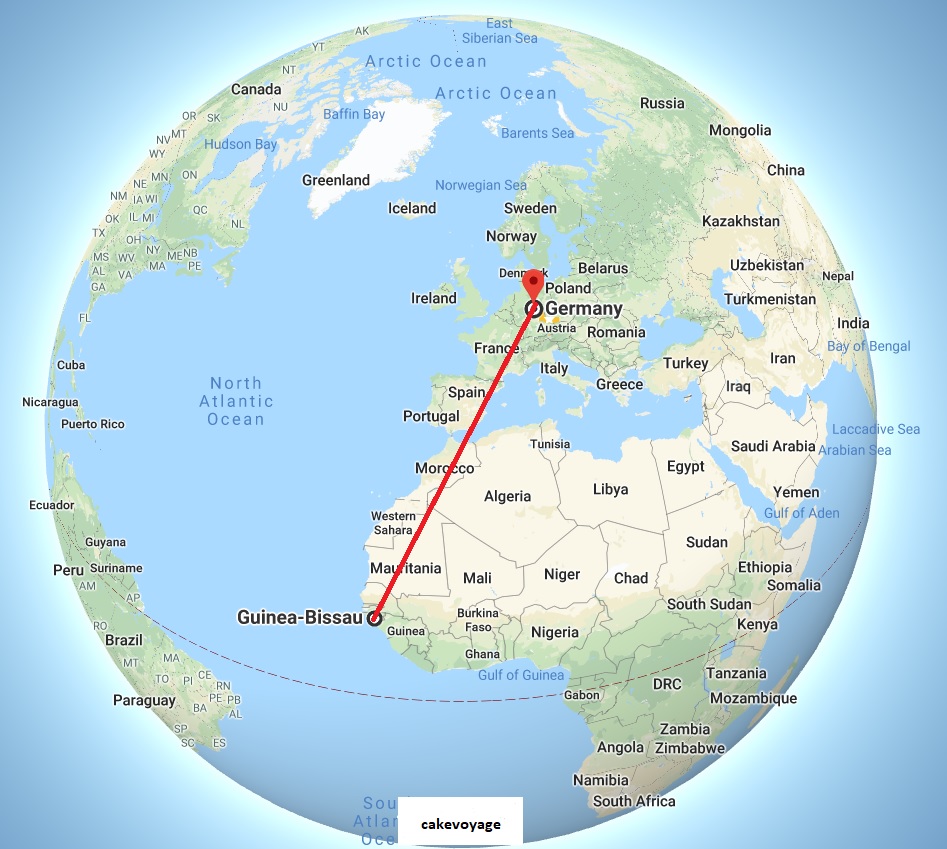

We are still in West Africa. This time in Guinea-Bissau. One of the smallest and poorest countries on the African continent. A year before I was born, she gained independence from Portugal. It continued to be part of Portuguese Guinea for almost a century before gaining its freedom. As early as the 15th century it was conquered by the Portuguese and the slave trade flourished on its territory.

Guinea-Bissau has a highly indented coastline and scattered over 60 small islands. The coast is heavily swampy and covered with mangrove vegetation, and the interior is occupied by a low plateau through which several rivers pass. Only 11% of the country’s territory is arable and suitable for agriculture. The climate is hot subequatorial and there is abundant summer rainfall. Most of the islands are covered with equatorial and mangrove forests, and the interior is occupied by savannas. There are many trees in the forests with valuable hardwood. Peanuts, oil and coconut palms, rice, which is the main food of the population, cotton, cocoa, cashews and sugar cane are grown on the arable land. There are large oil fields in the country, but due to lack of fresh money and investment, production is low. There are deposits of gold and diamonds, but they are not currently mined. The country’s economy relies mainly on agriculture. The country mainly exports cashews, peanuts, shrimp, palm nuts and timber.
About 10% of the population is HIV positive. And the same percentage of children do not reach adulthood. The average age in the country is currently under 20 years, and the average life expectancy is under 50 years.
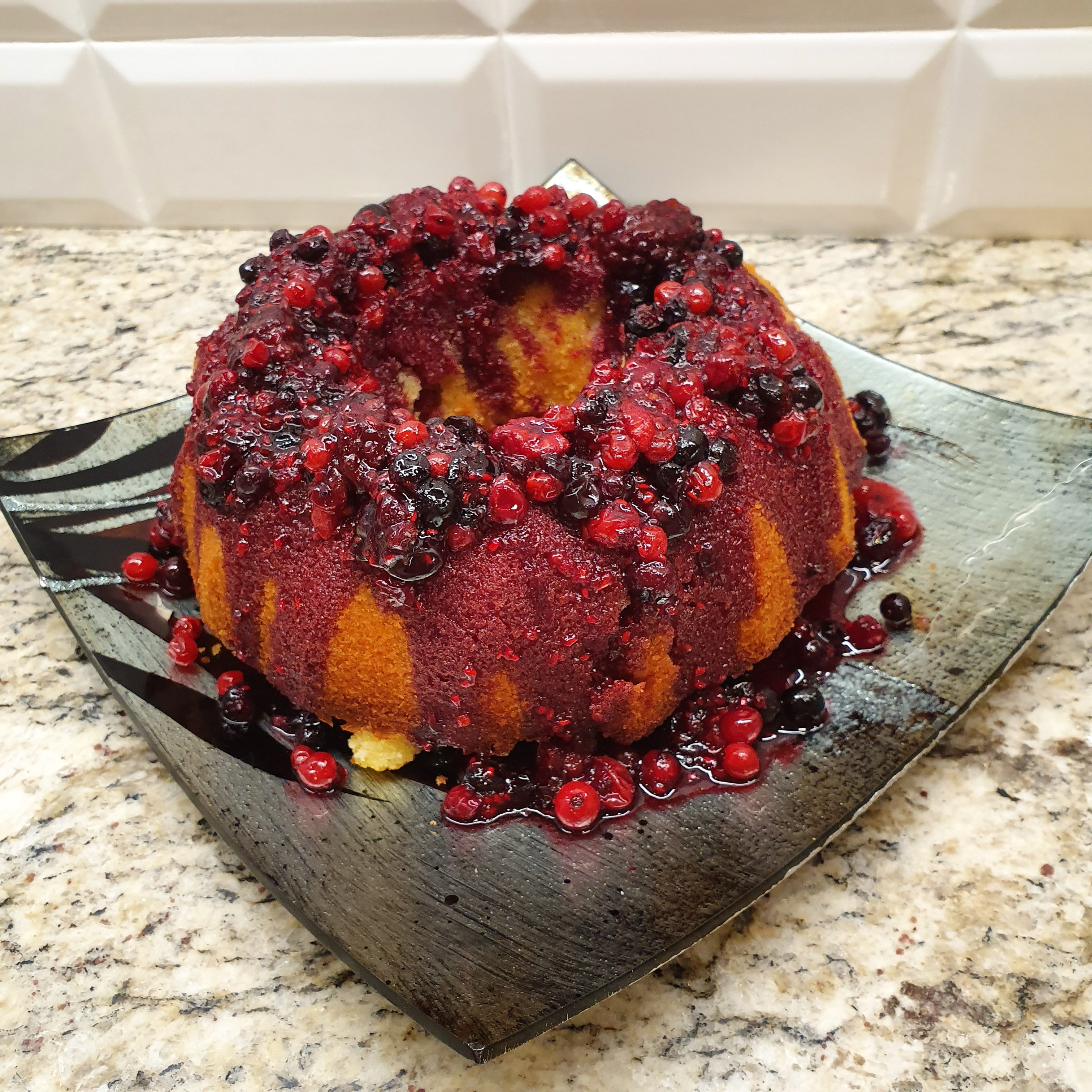
The main food on the table is rice, and in the inside of country and millet. Most of the rice is imported into the country. Meat is rarely present in dishes, and protein is mainly obtained from the consumption of fish and mussels. Egusi soup is a traditional African soup with leafy vegetables and palm oil, thickened with ground pumpkin seeds and can be tasted in Guinea-Bissau. Traditionally for the country is the appetizer Abacate recheado com atum – a mixture of avocado, coconut and tuna. The main drink is green tea. The country makes cashew rum and wine from palm nut juice. These two drinks are consumed during family ceremonies at birth, death, circumcision or marriage. Desserts, as you might guess, are not many. The only thing that looks like a cake and is made there is Bolo à moda da Guiné (Guiné-Bissau). In our country we call it a cake, but since there are no cakes, the cake is also a cake. 🙂 Here are the modest products for it:
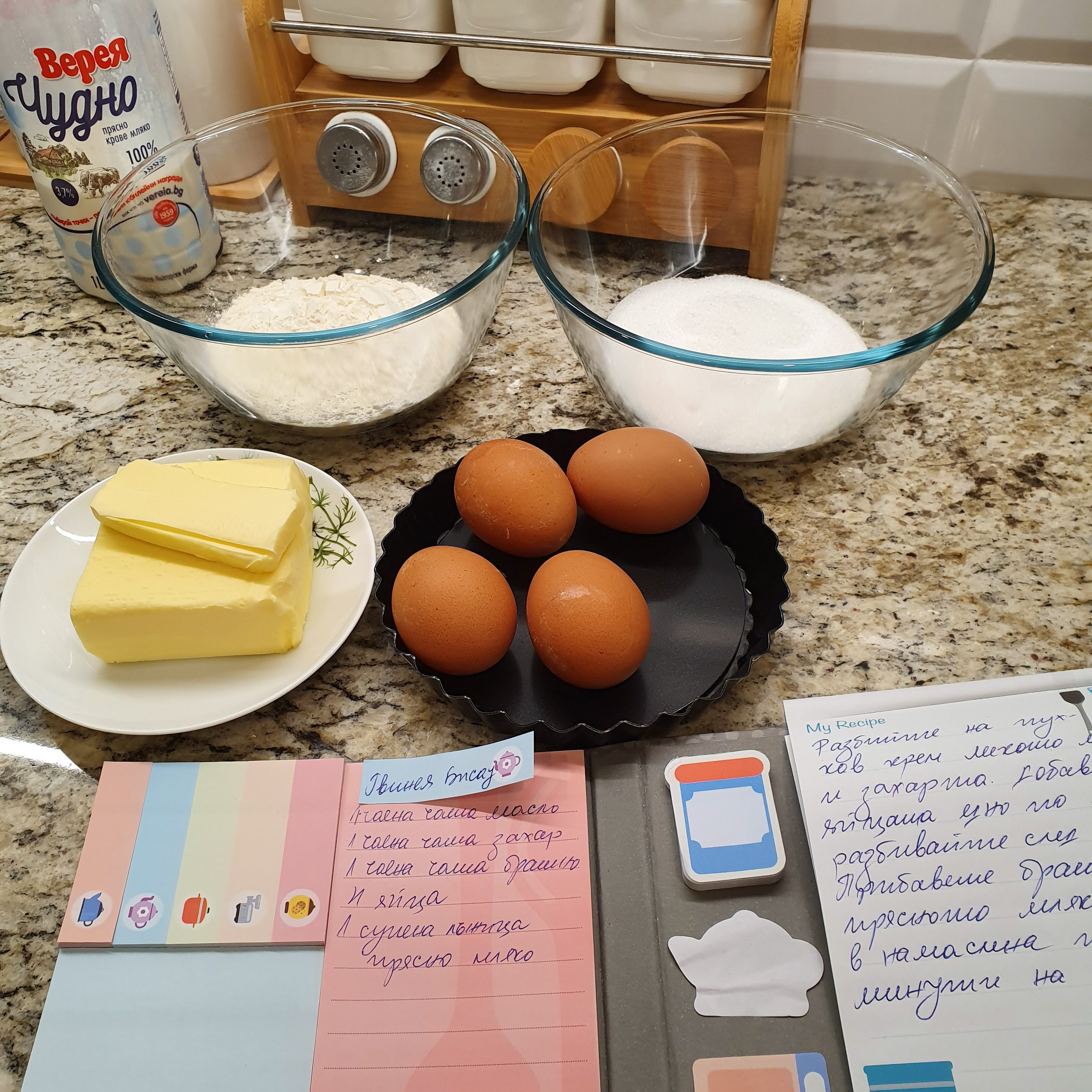
1 tea cup flour
1 tea cup sugar
1 tea cup butter
4 eggs
1 tablespoon fresh milk
Steps of preparation:
Allow the butter to soften at room temperature. Then beat it into a fluffy cream together with the sugar. Add the eggs one by one and after each beat until mixed. Finally, add the sifted flour and milk. In a preheated 180 degree oven, place it in a greased pan to bake for about half an hour or until done.
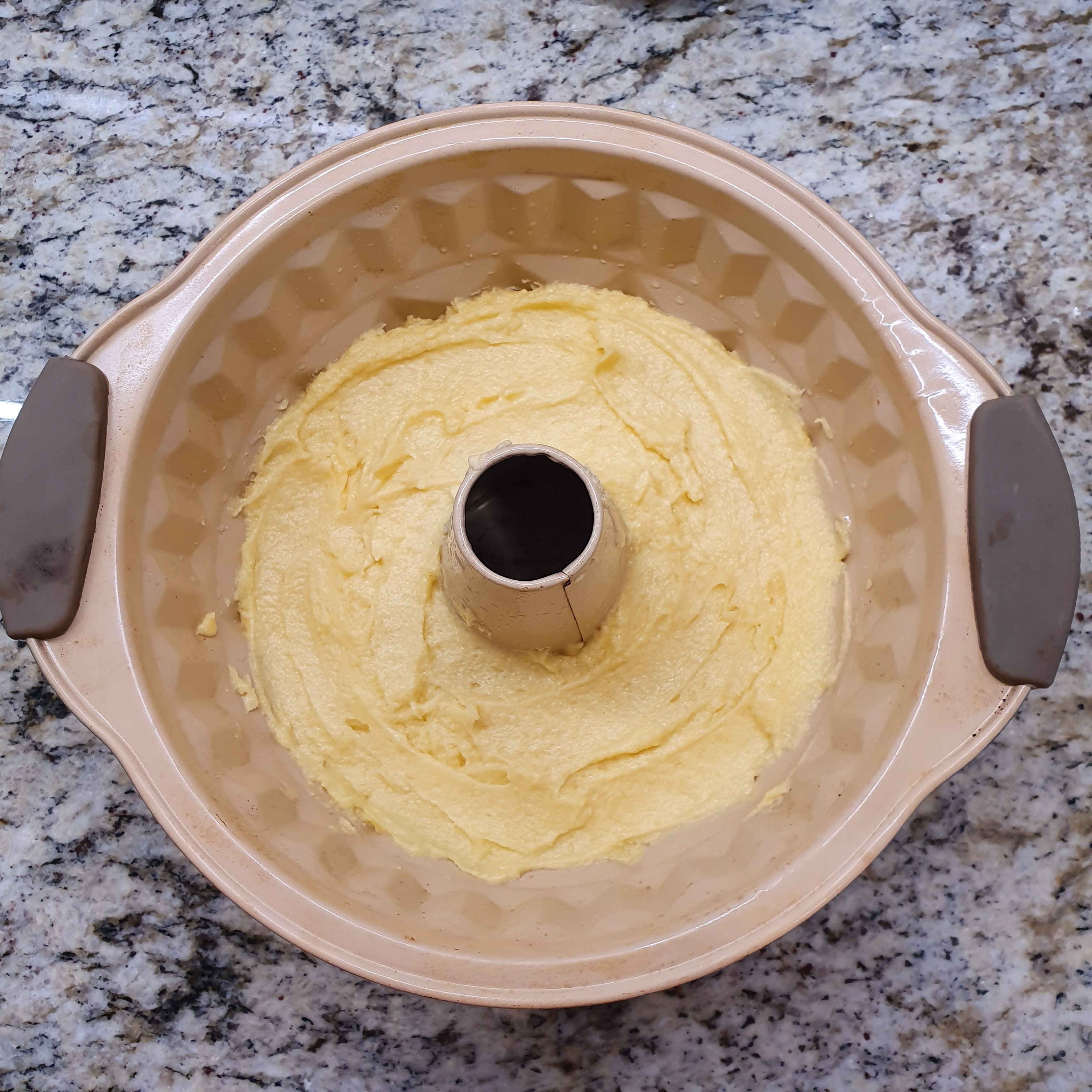
Remove from the oven on a wire rack and then remove from the pan.
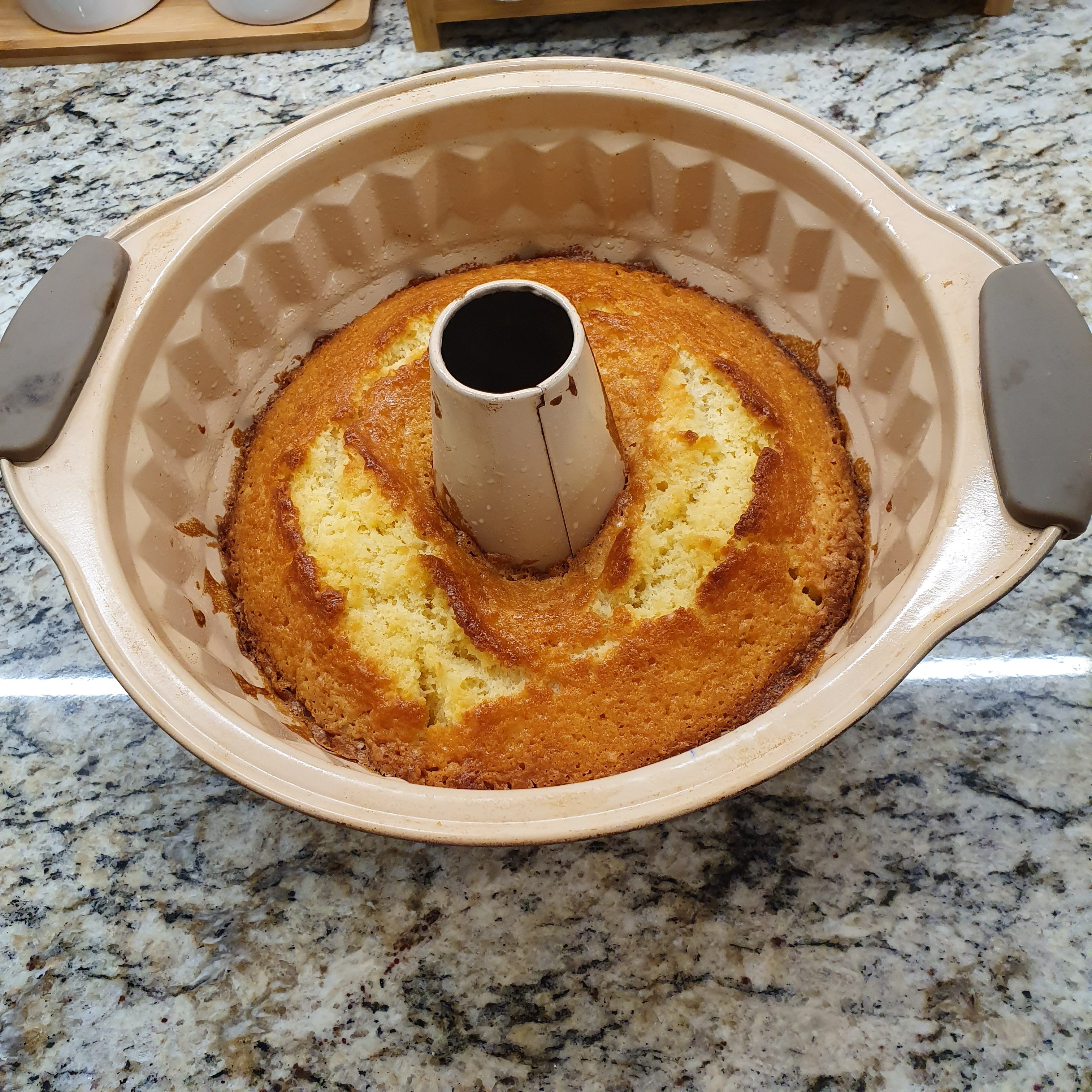
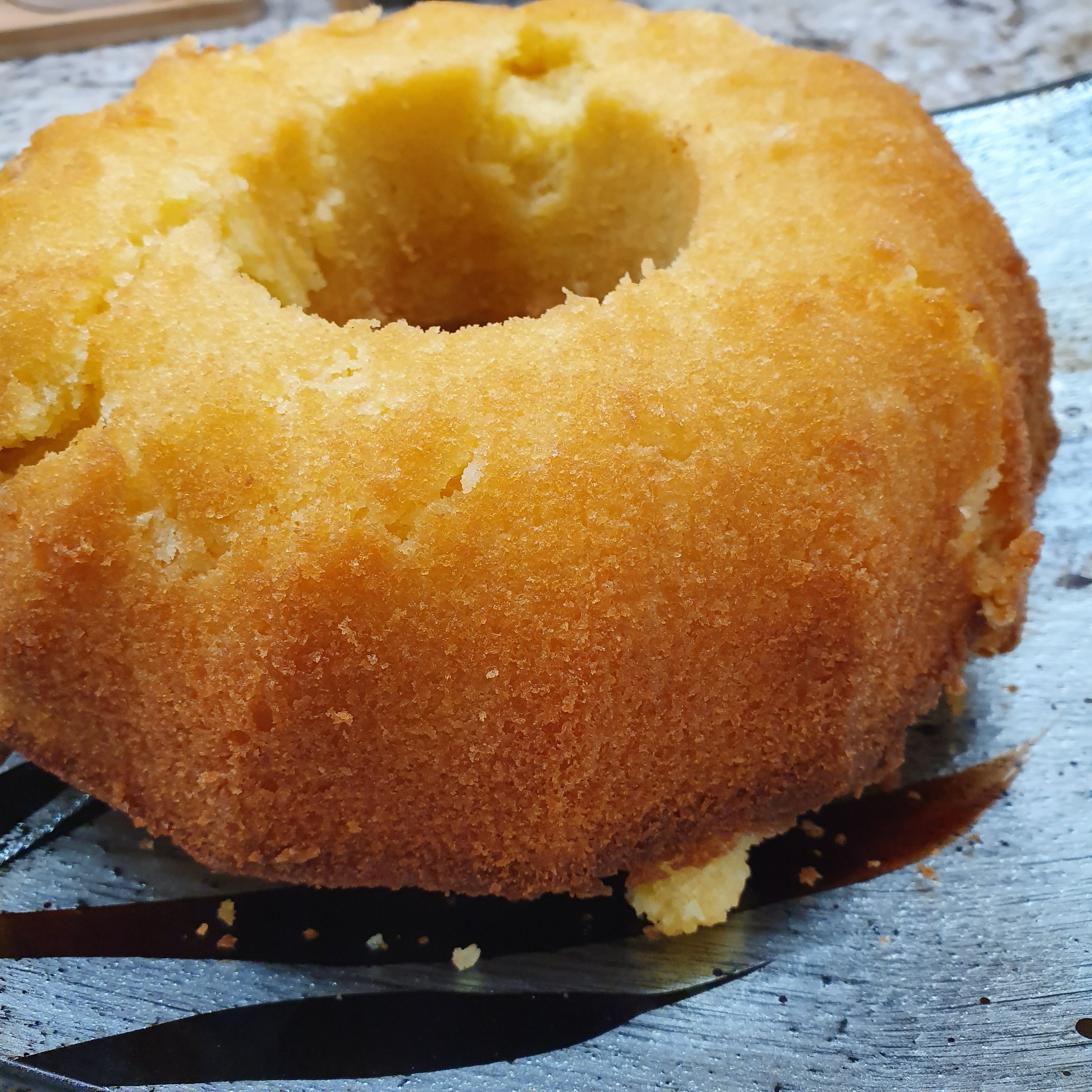
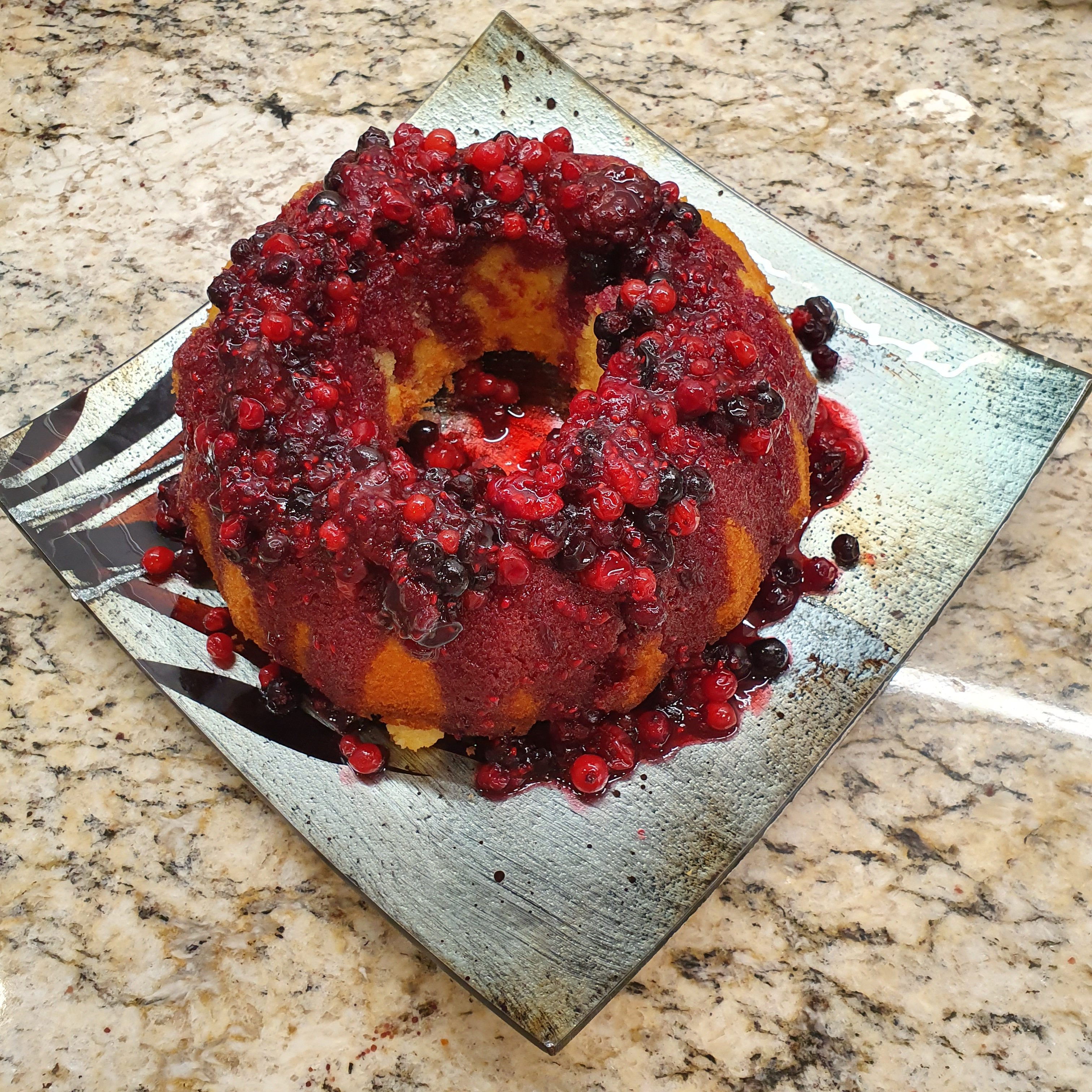
You can make a topping to your liking – chocolate, cream cheese with a little powdered sugar, butter cream (although it would aggravate the dessert), berry topping and whatever you think is appropriate. I chose to make a berry sauce to lighten the dessert and add more juiciness. And it happened. 😉
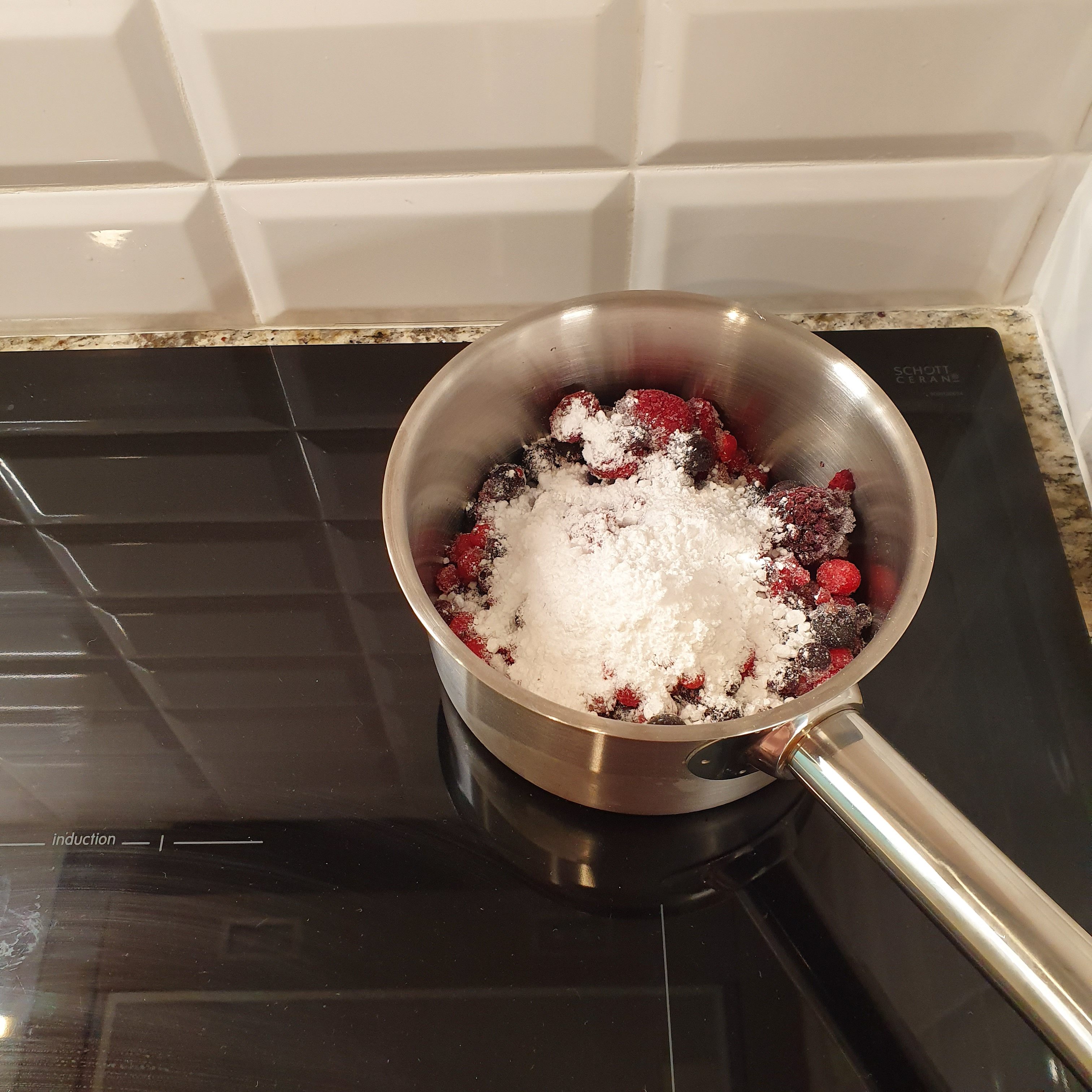
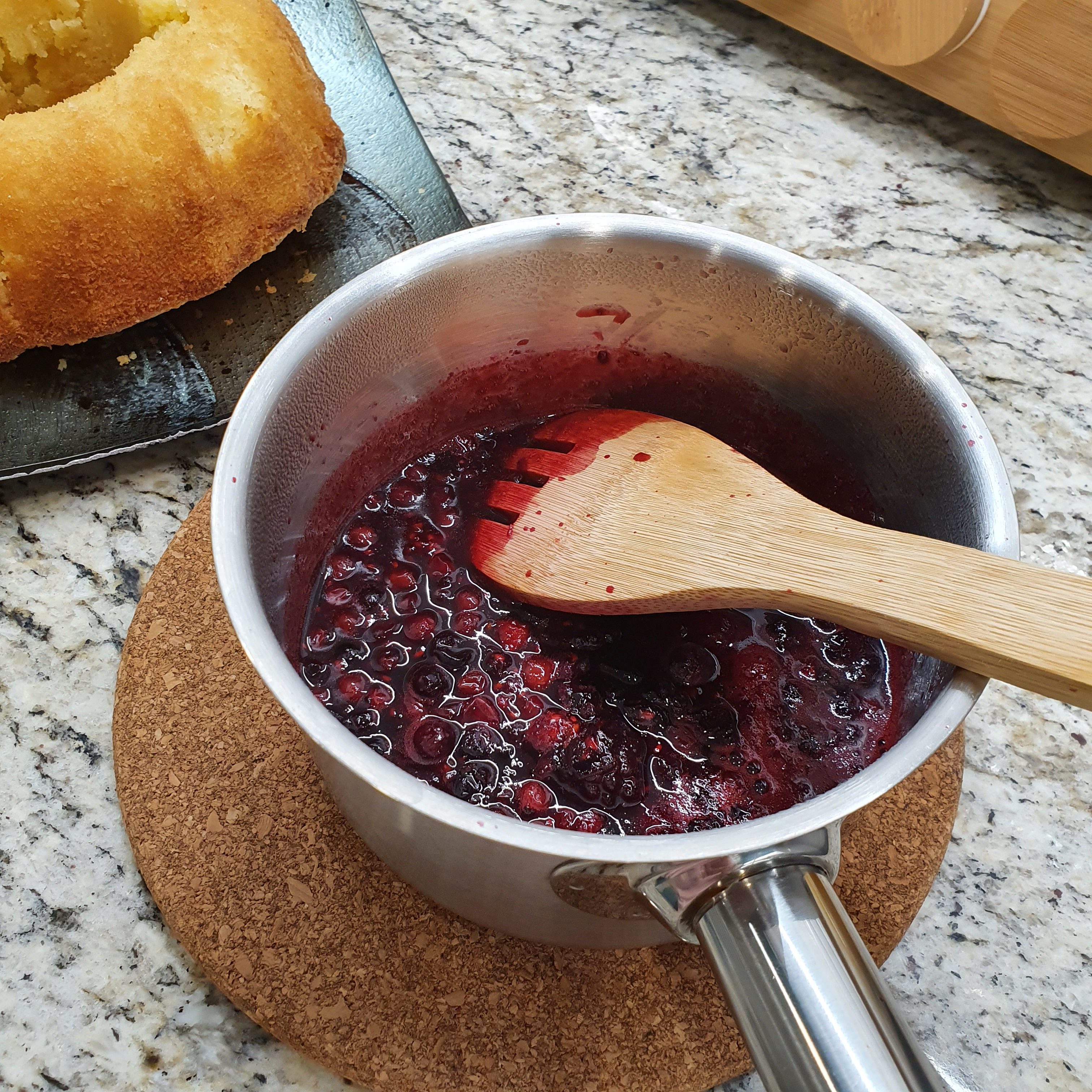
The cake has a rich buttery taste and is juicy. It is simple, but it is easy to make and is suitable even for beginner confectioners. At home they are already dissatisfied with the recipes of countries with the letter G. It is good that is following Germany, which is in Europe and has cakes. Mostly chocolate, which my people mainly like. Indeed, Africa is a very poor continent. People are starving and the search for cake recipes is doomed to failure. And in Africa, many countries start with the letter G…
Next destination – Germany.