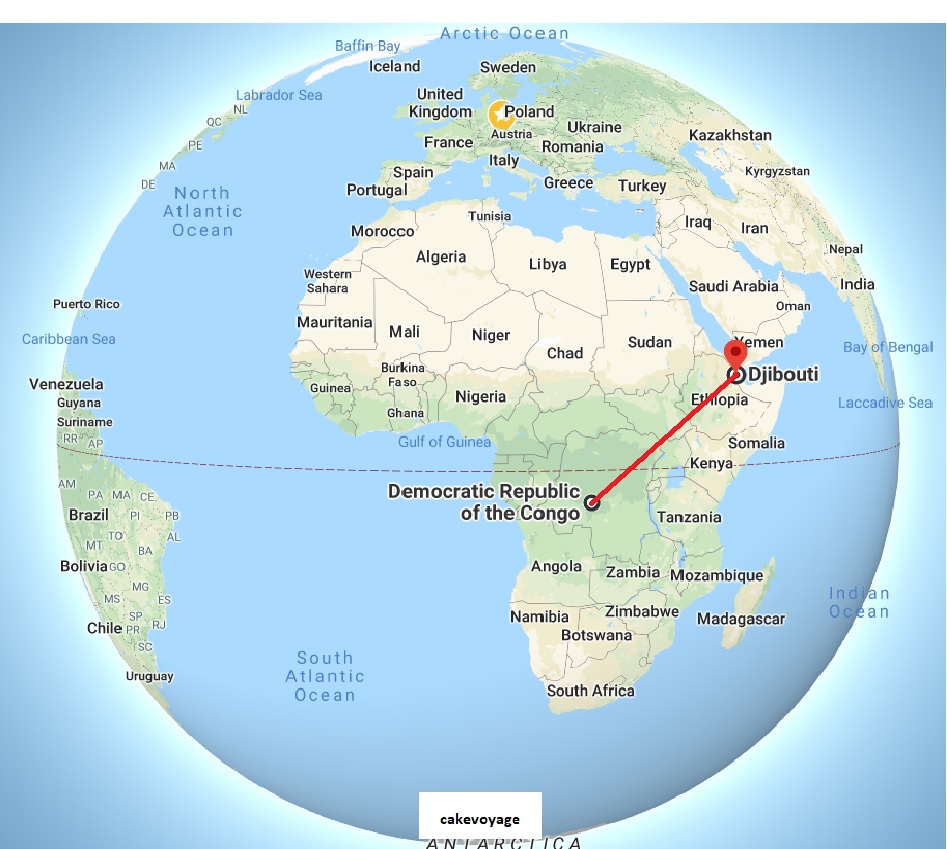
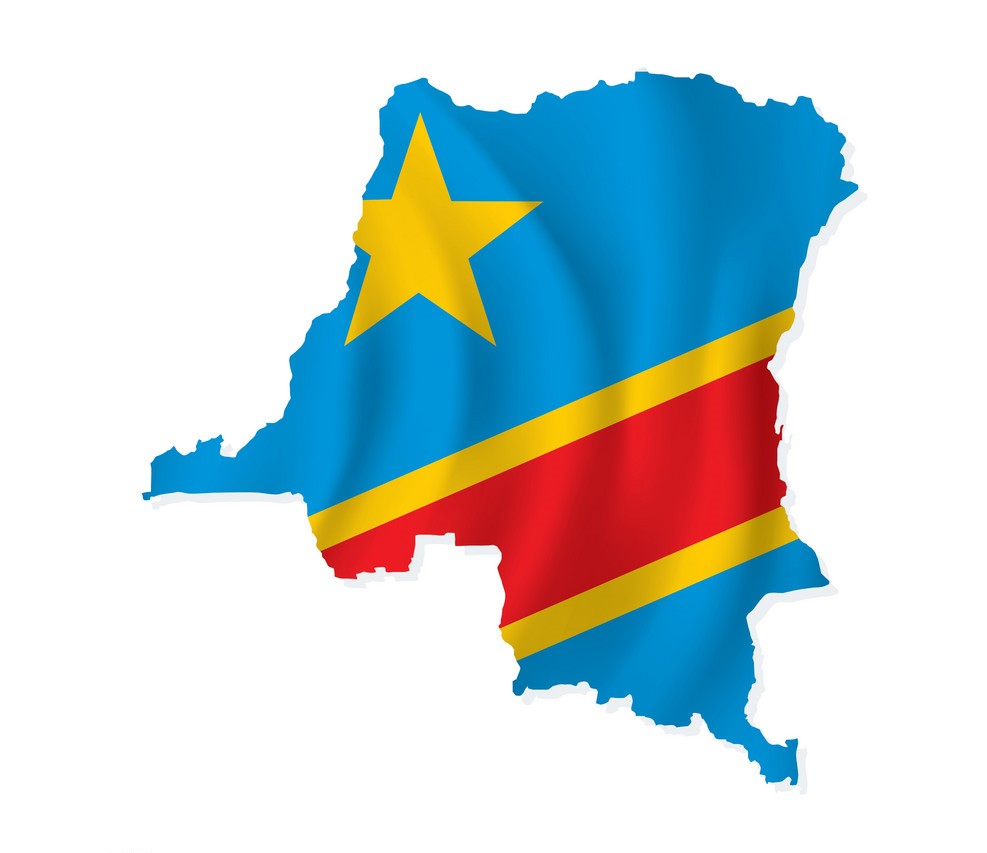
At the heart of Africa is the Democratic Republic of the Congo. From 1971 to 1997, it was called Zaire, and you may know it anyway. It is the second largest country in Africa and the fourth largest in terms of population. The Democratic Republic of the Congo is considered one of the poorest countries. In the news, she is present in most cases on unpleasant occasions – crime, the spread of HIV and Ebola, and even cannibalism. 😮 Nevertheless, it is an African country that attracts with its nature – first of all with the Congo River, which is the second largest on the continent, Virunga National Park is the oldest in Africa, and the impressive waterfalls of Livingstone amaze with their scale and power . On the border with Rwanda is Lake Kivu – one of the largest African lakes. The country is rich in cobalt, germanium, tantalum, diamonds, uranium, copper, zinc, tin, gold, silver.
But let’s go back to the time when today’s Congo was the personal property of Leopold II. Yes, you read that right – not a colony of Belgium, but personal property of the Belgian king. Leopold was one of the wealthiest people in Europe – and one of the most cruel. It is estimated to have killed 10 million people in the Congo. If anyone still doubts what kind of man was King Leopold II – a great ruler or one of the greatest criminals in human history, let him read this: if we poured into buckets of innocent blood shed next to each other, these buckets would form straight with a length of 2 thousand miles; if the corpses of the ten million victims killed by gunfire or starvation could stand up and demonstrate one after the other, it would take them 7 months and 4 days for everyone to pass the rostrum.
As Crown Prince, Leopold became interested in world politics and watched in displeasure as other European countries profited from their foreign colonies, unlike the young state of Belgium, which at the time was locked between the two powers, France and Britain. “Small country, small people,” complained Leopold. When he took the throne from his father in 1865, Leopold II was convinced that Belgium needed colonies to become powerful. However, at that time the great powers had already divided the world, so the young Belgian king was forced to settle for a white spot on the map – Central Africa. Terra incognita – unknown land. He knows full well that Europe and America will not allow him to acquire a colony that is almost as large as the whole of Western Europe, and so he presents himself as a philanthropist who aims to civilize Africa, to fight the slave trade, and to turn the Congo into a free trade area. With this plan, he managed to win America over to his side, as well as Bismarck. Thus, at the Conference for Congo of 1884-85 in Berlin, the free state of Congo was founded, directly subordinate to the Belgian king.
Leopold gathered an army of mercenaries, opened trade missions, built roads, railways and cities. Initially, the Belgian king was mostly interested in ivory. But after Dunlop invented the pneumatic tire in 1888, the demand for rubber suddenly increased. The king’s troops, the notorious Force Publique, consisting of mercenaries, began to attack villages and enslave the local population – while women were brutally raped, men collected rubber in the woods. Anyone who does not hand over enough rubber is brutally tortured or executed. At one point, Leopold came up with the idea of banning Force Publique from killing animals. The mercenaries now have to prove that every bullet was fired at a man. To make sure that they actually killed the right number of people, the soldiers must present the severed hand to the dead man. But as the slaughter of animals continued, the mercenaries began to cut off the hands of the living. There are preserved photographs showing children without limbs and huge baskets filled with severed human hands. Other photos from that time document brutal executions, with severed heads beaten on stakes.
The real scale of the crimes became apparent only after an employee of the Belgian shipping company, which holds the trade monopoly with the Congo, founded the first human rights movement. He is impressed that ships leaving for Africa are loaded only with weapons and ammunition. In 1900, his publication was published, backed by a wealth of photographs of the atrocities in the Congo. By 1908, international pressure was so strong that King Leopold was forced to relinquish his colony. The Congo was sold to the Belgian state for 50 million francs. A year later, Leopold died. In history, he remains one of the most hated rulers in Europe.
Nowadays the country is very poor, but the capital is quite an expensive city. Although 4 out of 5 people are unemployed, the prices are high even for tourists. Locals often starve because much of the food is imported and expensive. Less than two percent of the land is cultivated in agriculture. Agricultural land in the Congo is a source of a wide variety of crops. These include corn, rice, cassava, sweet potatoes, yams, taro, tomatoes, pumpkin and varieties of peas and nuts. These ingredients are present in foods throughout the country. The most important crops for export are coffee and palm oil. Fish are abundant along the Congo River, its tributaries and various lakes; bake it, boil it or fry it for immediate consumption; or smoke it or salt it when canning it. Markets often sell ready-to-eat fish baked in banana leaves. Goat meat is the most commonly consumed. A common recipe is that of chicken with peanut sauce and palm oil. Insects such as locusts and caterpillars, whose taste resembles the taste of nuts, are also consumed.
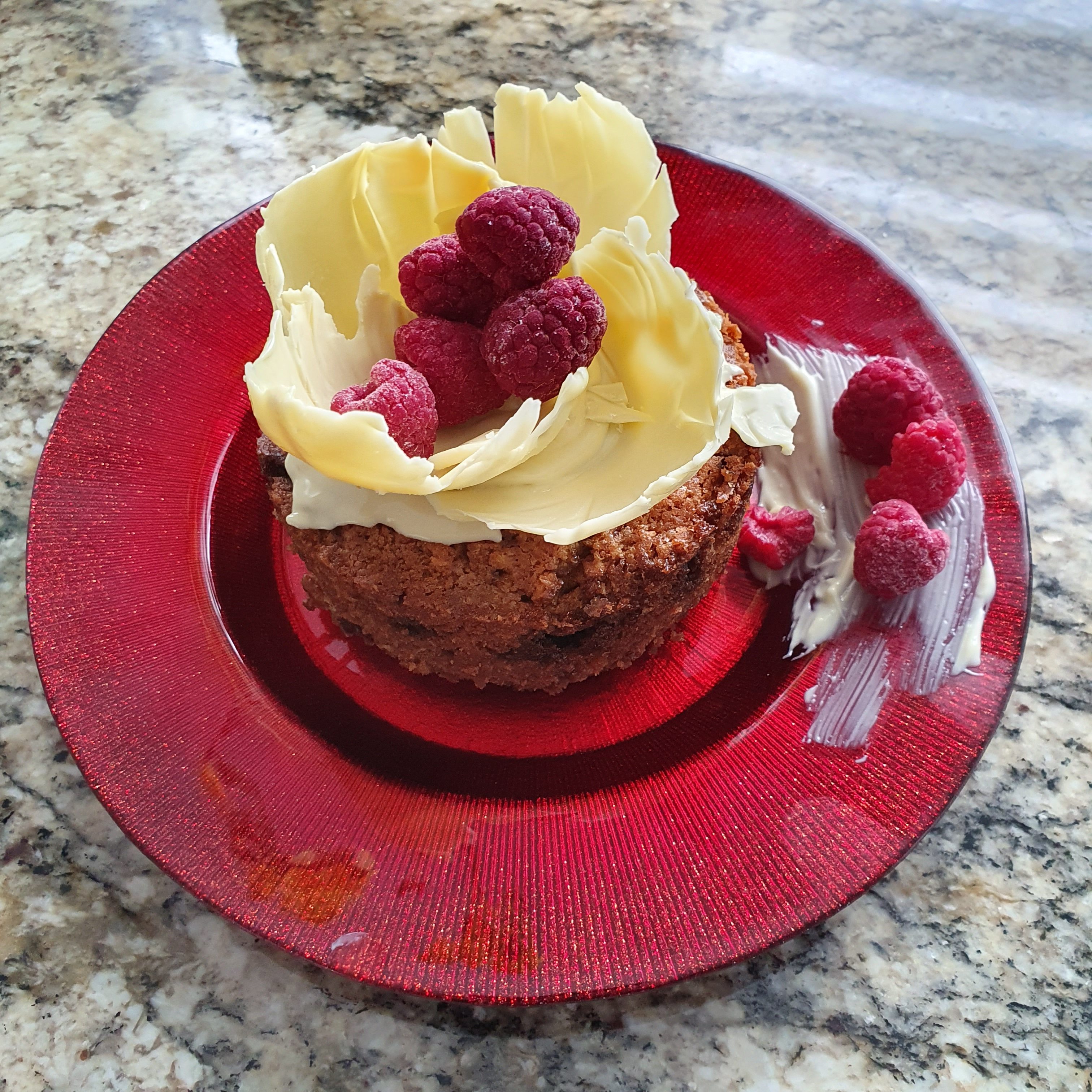
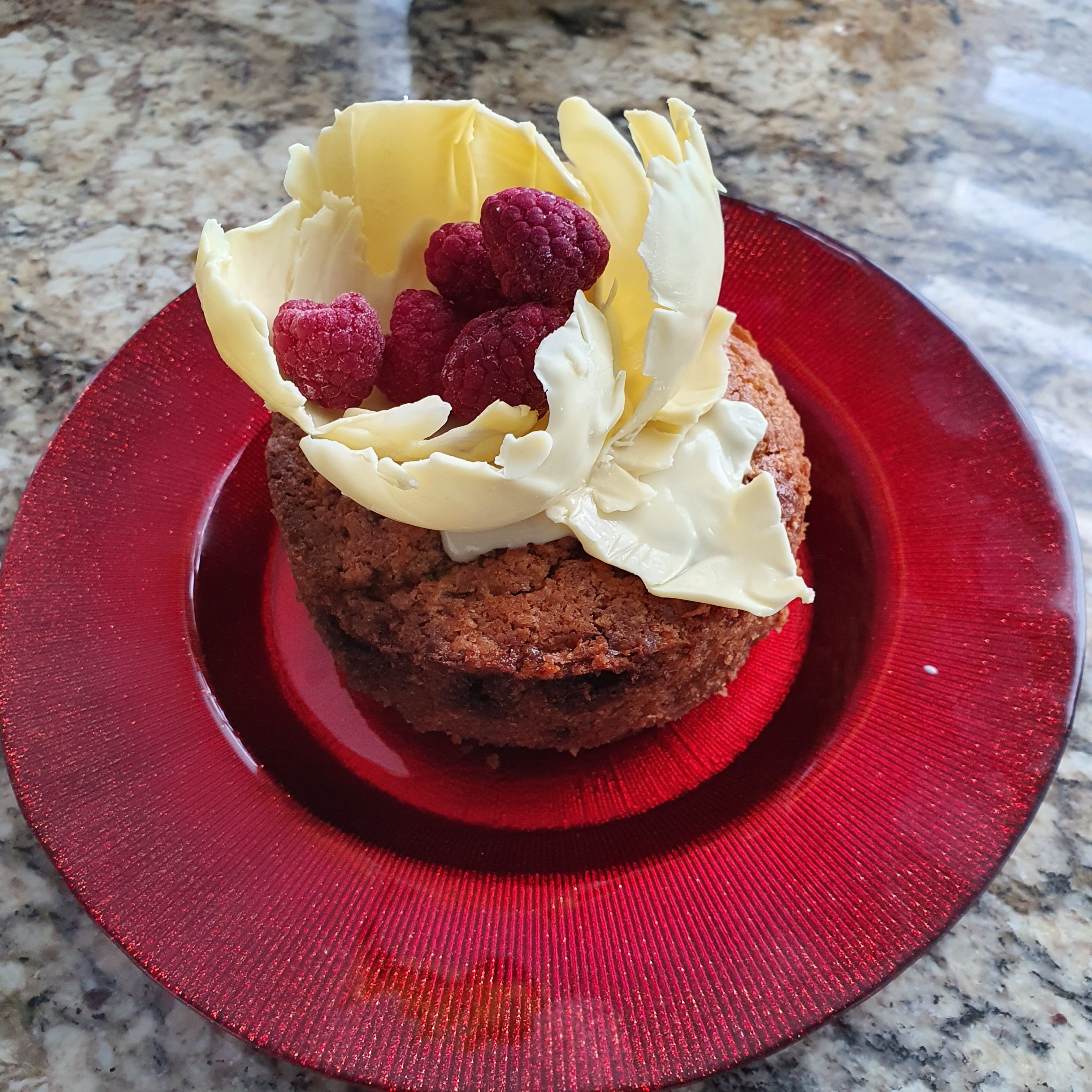
For you I decided to prepare some Congo bars, which I slightly enriched. Here’s to the color 😉
Here are the necessary products:
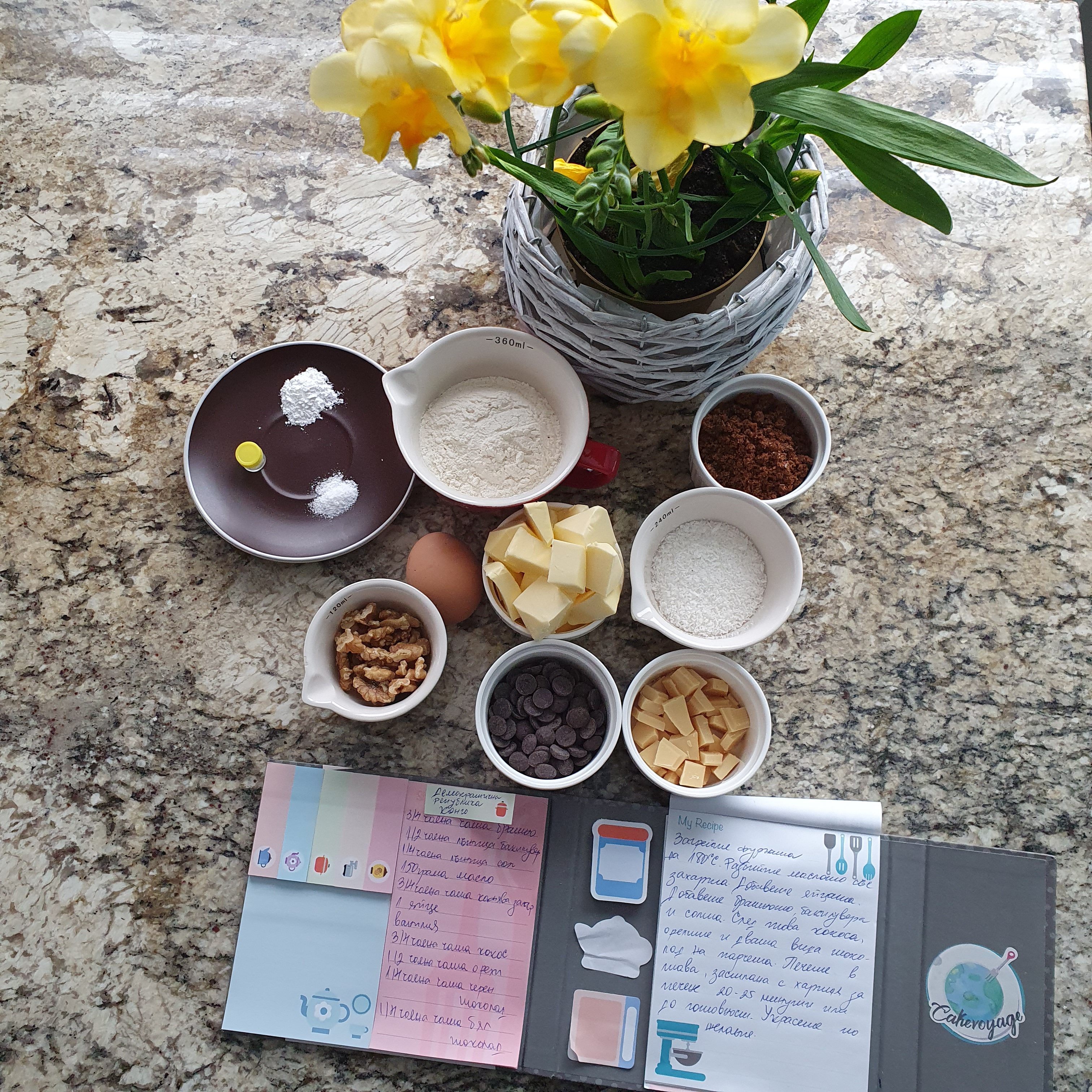
3/4 tea cup flour
1/2 teaspoon baking powder
1/4 teaspoon salt
150 grams of butter at room temperature
3/4 tea cup brown sugar
1 egg vanilla
3/4 tea cup coconut
1/2 tea cup walnuts / pecans
1/4 tea cup dark chocolate
1/4 tea cup white chocolate
Steps of preparation:
Beat the soft butter and brown sugar into a cream. Add the egg and beat until smooth. Add the mixture of flour, salt and baking powder and mix with a spatula. Then successively add the coconut, chopped walnuts and pieces of chocolate.
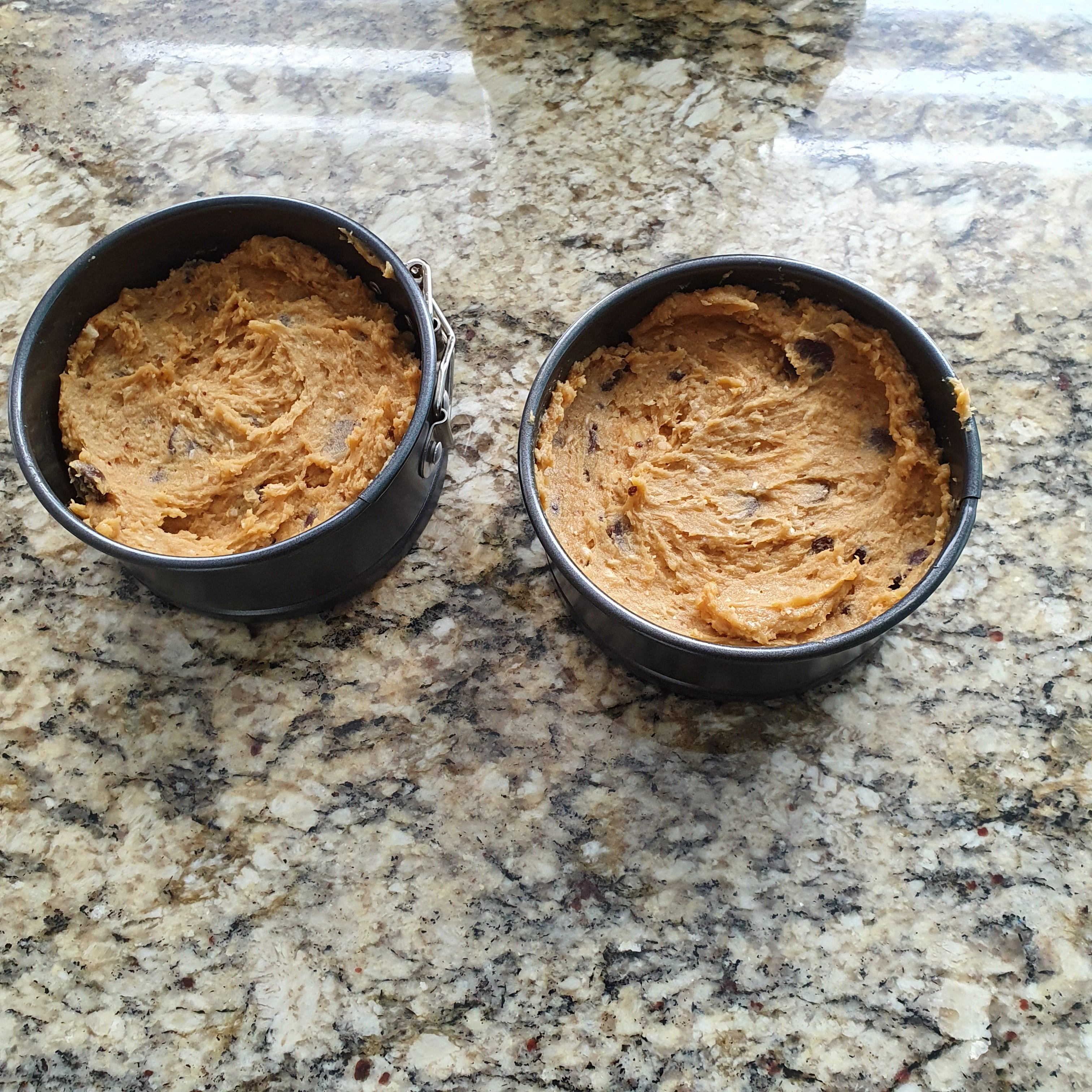
Bake in a pan greased with oil and lined with baking paper in a preheated oven at 180 degrees for 20-25 minutes.
So far with the original recipe. I decided to make some decorations for more festivity and to improve my mood after reading about Congo. I had some chocolate mousse left over from another cake.
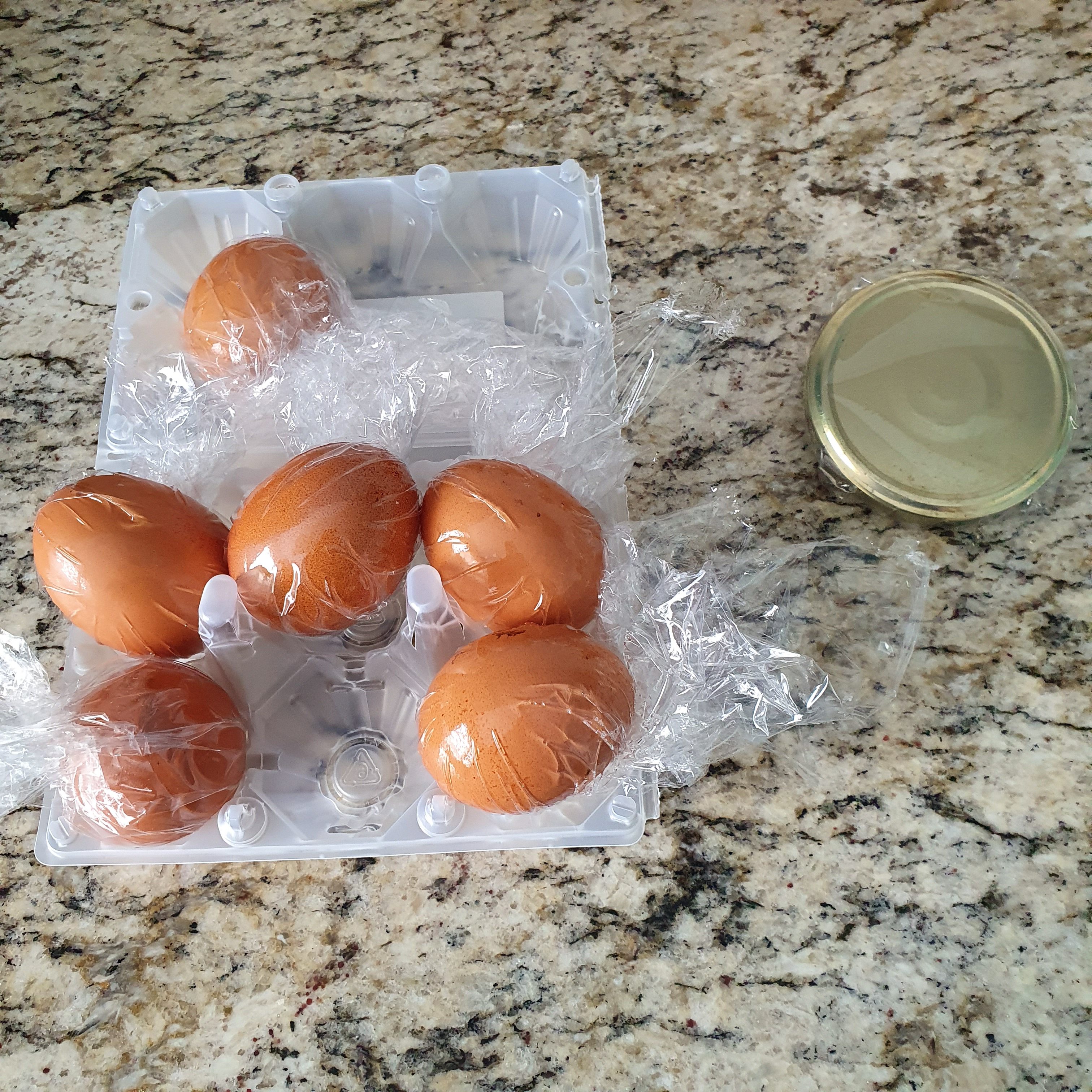
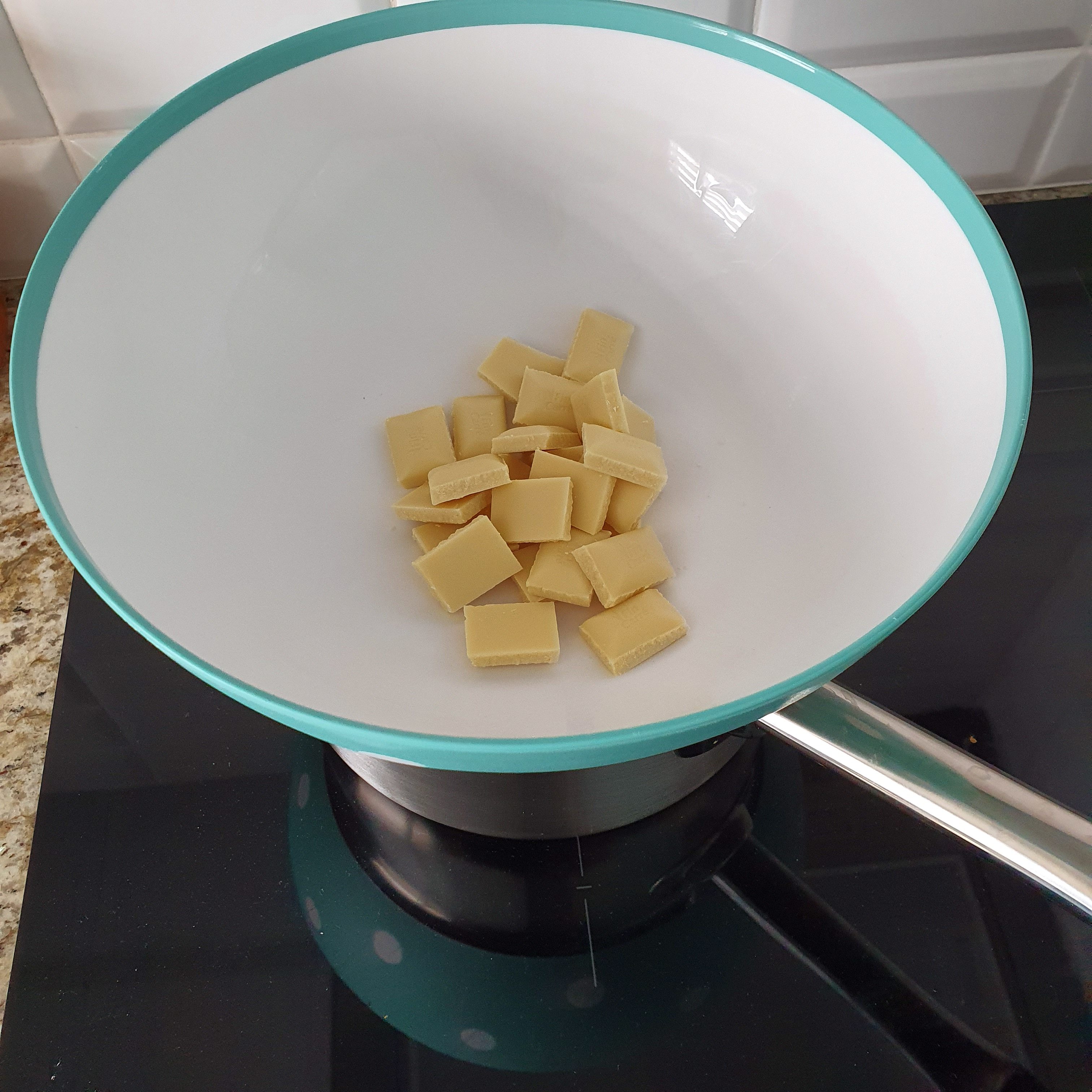
I decided to try some chocolate decorations that I watched recently. using foil, a jar cap and eggs to try to make a flower and a bar of white chocolate. The lid and eggs are wrapped in foil for fresh storage and then dipped in chocolate. In this case white. Allow to cool. I did poorly, but that’s because I can’t wait to chill the chocolate. next time it will be better. 🙂
The DR Congo has saddened me with all this violence that has been and still is in this country. I hope things change and people become kinder and happier. Hopefully it will be.
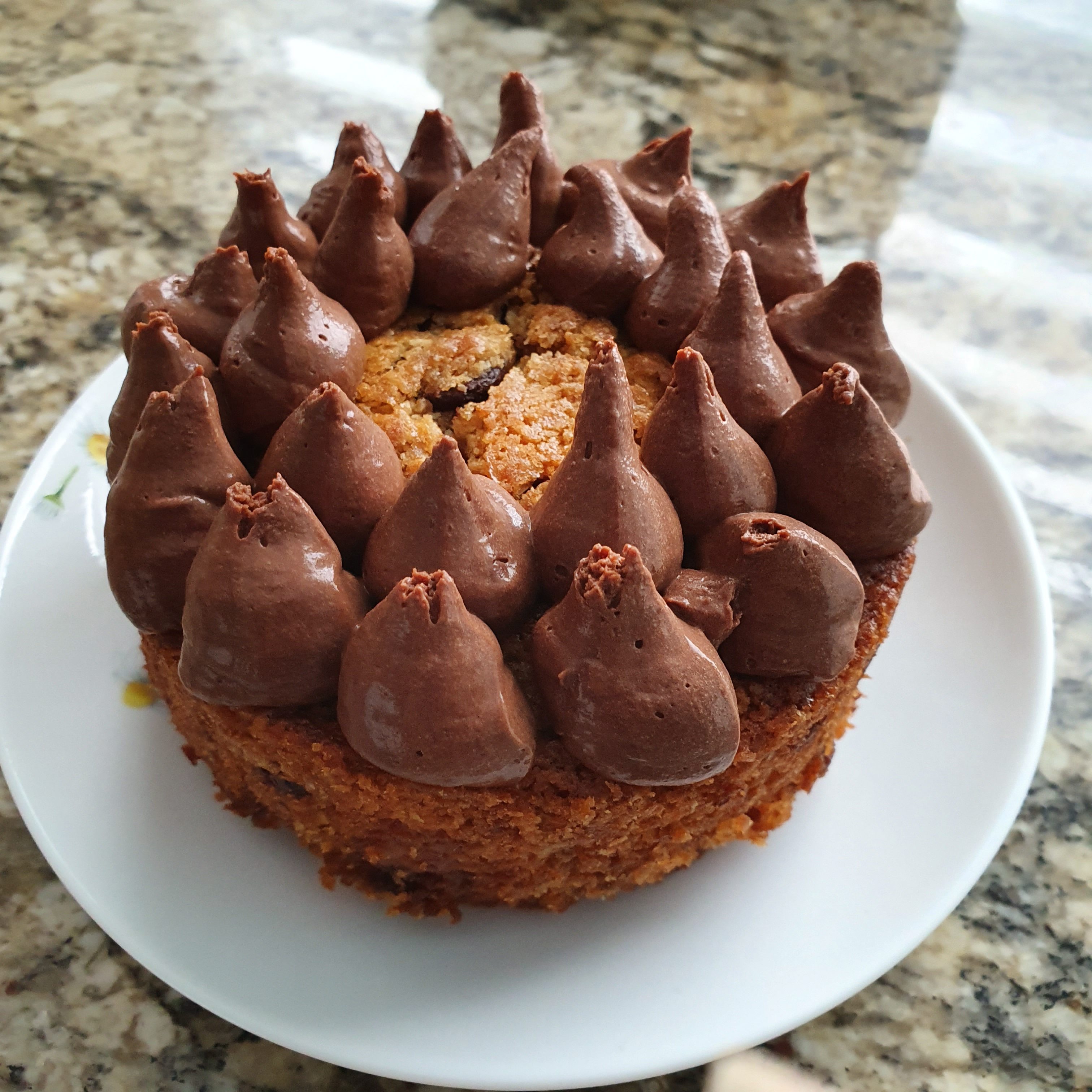
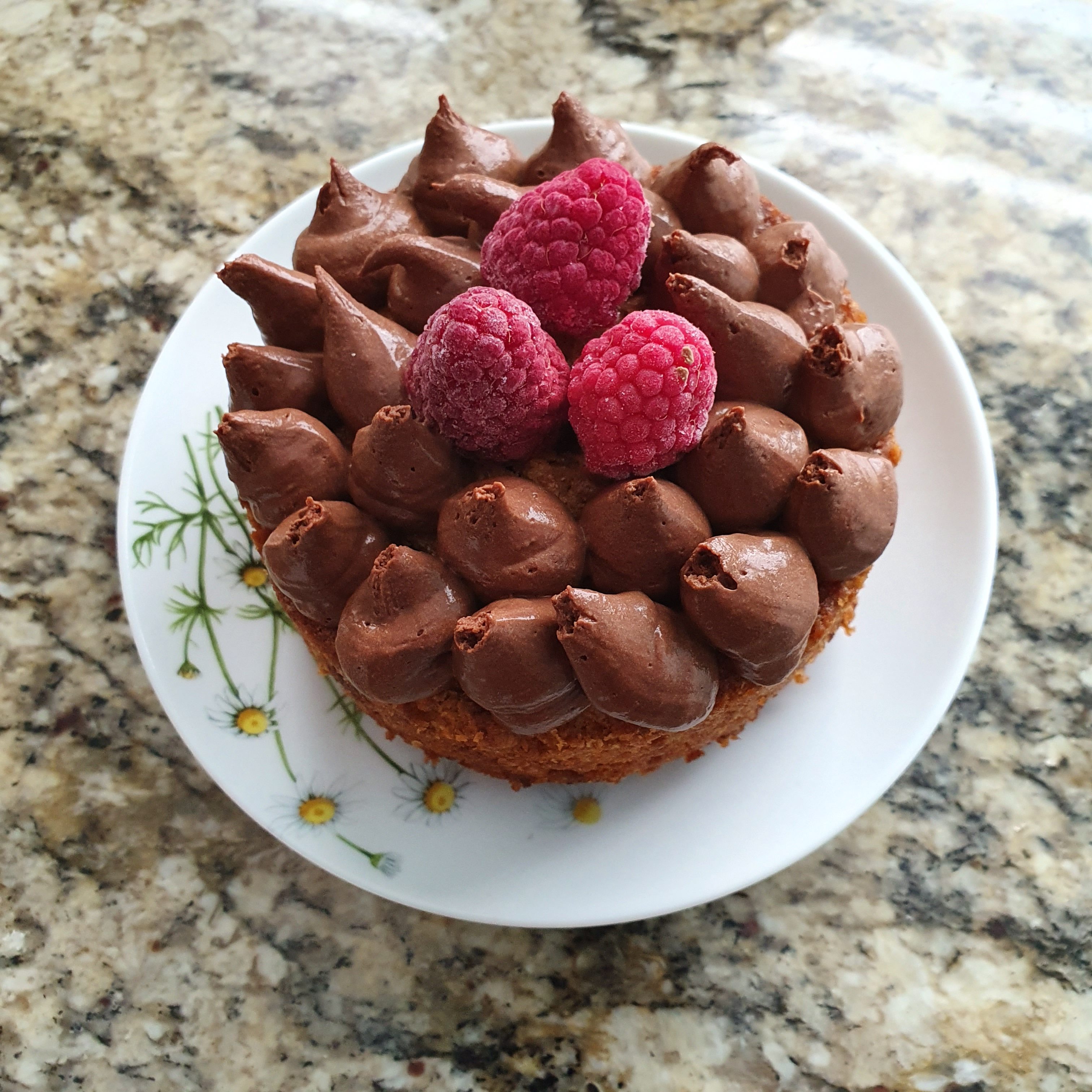
The cake is sweet and has a rich taste of brown sugar. It smells great and is very easy to make. Try to bring into your home something nice from Africa – aromas and taste. Imagine a local woman taking such a delicacy out of the stove and children jumping around it with a smile. I hope this Africa is there from my thoughts. Hopefully it will be.
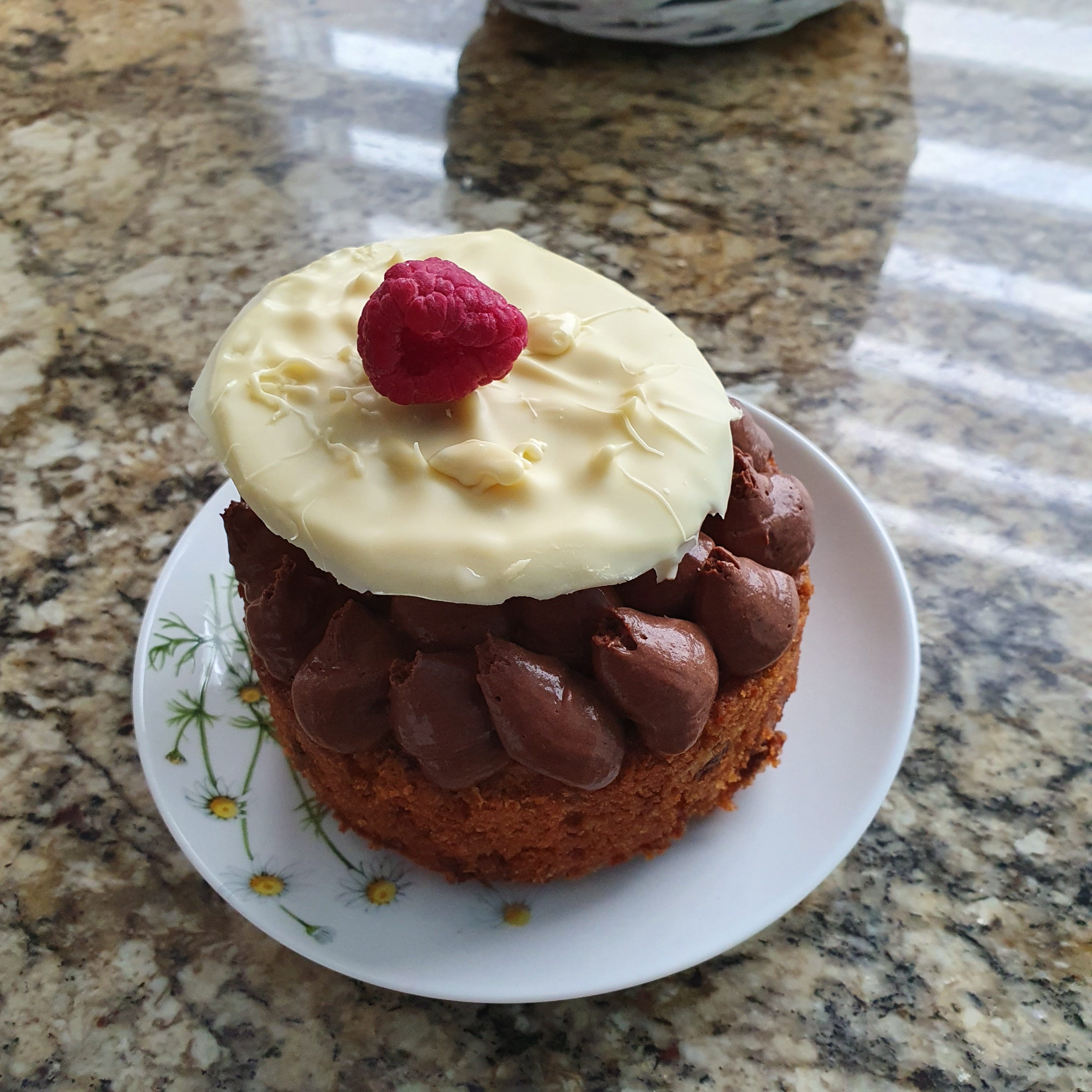
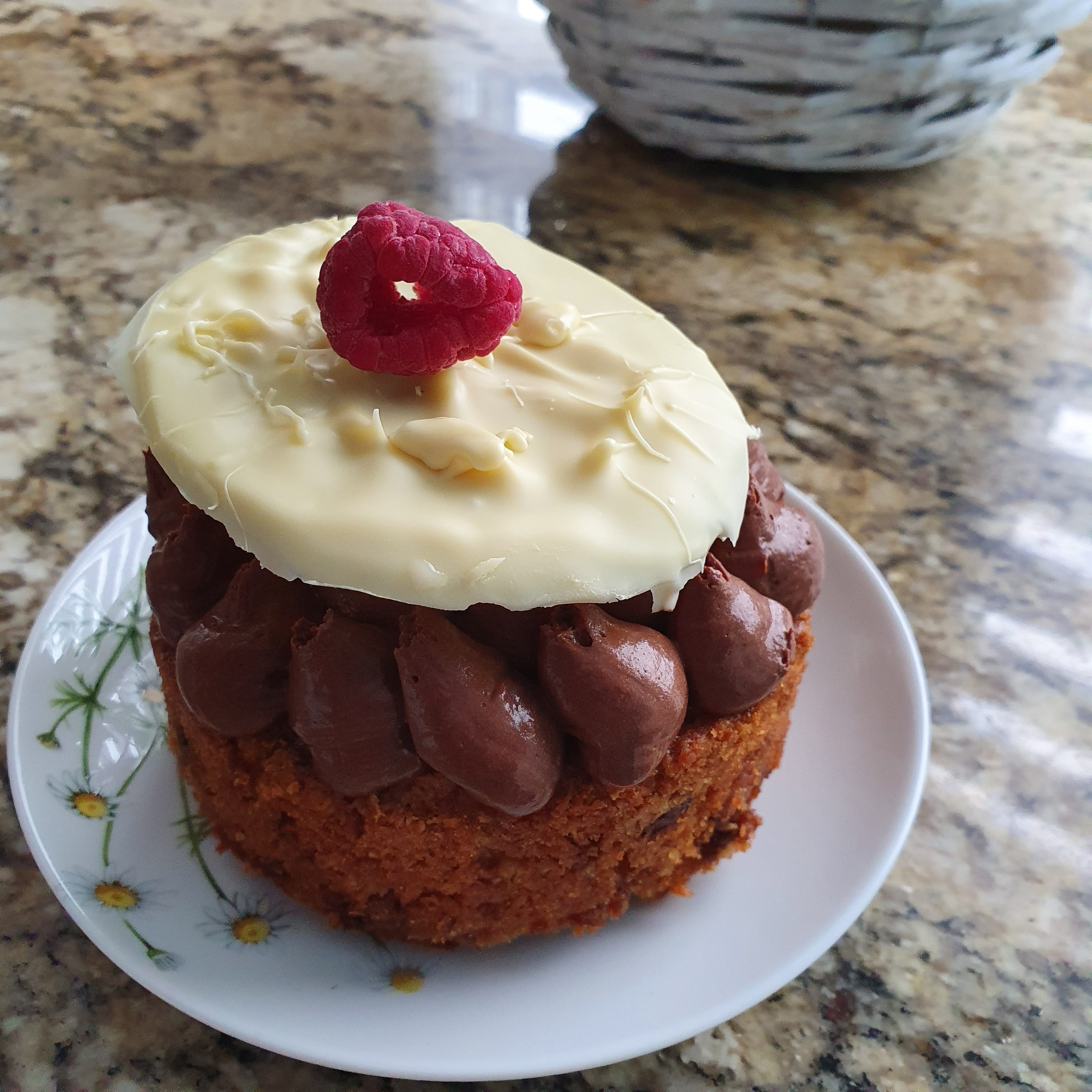
Next destination – Djibouti.