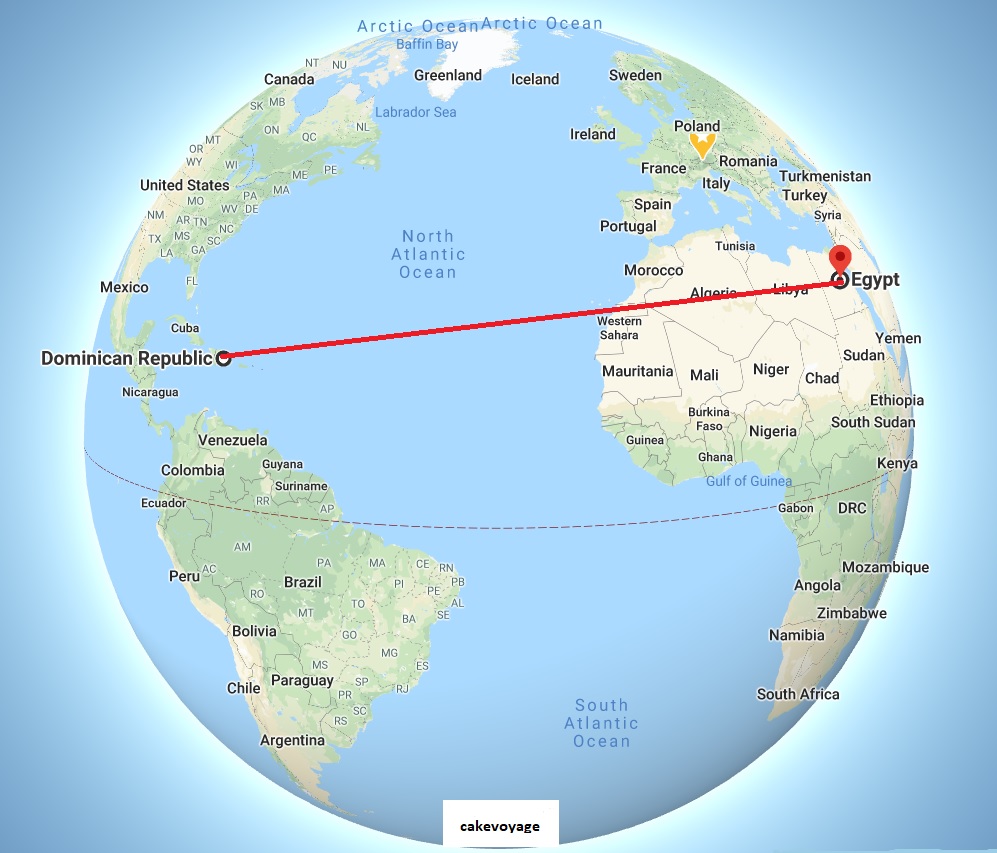

The Dominican Republic occupies two-thirds of the island of Espanola, the second largest of the Greater Antilles archipelago. When Christopher Columbus discovered this unique piece of land, he exclaimed that there was no more beautiful place in the world. Today the country is among the most attractive tourist destinations – endowed with eternal summer, amazing tropical nature, long sparkling white beaches and amazing coral reefs. In addition to all these features, there is a great tourist infrastructure and many hotels.
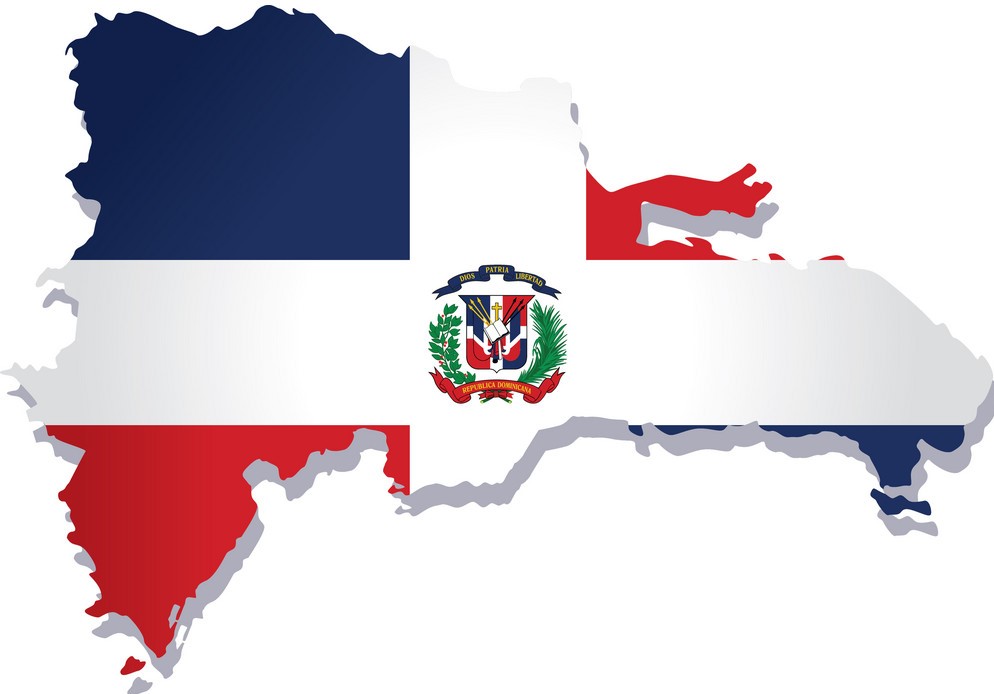
Dominican cuisine is a wonderful mix of Spanish, Latin American, African and Caribbean culinary tastes and traditions. The main spices used in local recipes are garlic, onion, coriander and oregano. Mainly present in the menu for tourists are fish and fresh seafood. But despite their rich variety, Dominicans prefer to eat goat or chicken because they are more affordable. The most popular national dish is “la Bandera” (flag) – a mixture of rice, meat, beans, eggplant (fruit and green baked bananas if desired). The ingredients of the dish are with the colors of the Dominican flag: white (rice), blue (eggplant) and red (red beans). But it is not called La Bandera, but because it is present at the Dominican table every day. Another traditional dish is “Comida Criolla” – stewed chicken with rice and beans. When Christopher Columbus discovered the island, he brought with him a part of Spanish cuisine. The world-famous Spanish Paella has become an integral part of the culinary life of every Dominican. The dish has found application in its own way in the local cuisine – it uses local rice criolla, and does not add the spice saffron, which gives it its typical color. Another typical Dominican dish is Sancocho soup. The broth is prepared from different types of meat (maybe fish) and fruits – coconut, mango, green banana puree. It can also be served for breakfast. A popular breakfast is the famous chimichuri sauce made from cereal (usually corn).
Dominican food is not spicy. It is nutritious. Its spiciness is achieved by combining different natural flavors. Its main ingredients are white, steamed rice, to which seafood or meat is added. Many dishes include coconuts. Their juice is used for drinking, and coconut milk is prepared from the soft part of the fruit. Dominicans do not sit at the table without rice. A favorite of the local food is cassava (tropical root plant), which is breaded in flour and eggs and seasoned with anise.
Dominican cuisine is also indebted to Creoles for its variety of gourmet desserts. Pinhonate is a real poem – a dessert made from milk and coconut. It is especially relevant on the eve of Valentine’s Day. An important place in the list of sweets is the well-known dulce de leche – an unusual caramel cream made from condensed milk. The list can be extended with Dominican pie, creme brulee and a range of sweet soft drinks and alcoholic cocktails. Typical drinks are fresh (from papaya, coconut milk, oranges, pineapples, etc.), beer, rum and pina colada. You all know about exotic cocktails… The most popular holiday drink suitable for Valentine’s Day is called a poncho. It is prepared from 10 cups of condensed milk, 1 cup of rum and 8 egg yolks. The milk and yolks are mixed and boiled in a water bath for 15 minutes. The mixture is cooled and rum is added to it. After “turning” the head of your loved one with a glass of poncho, you can take him to a romantic dinner at a favorite restaurant.
I decided to make Dominican sponge cake especially for you. Here are the necessary products:
For cake bases:
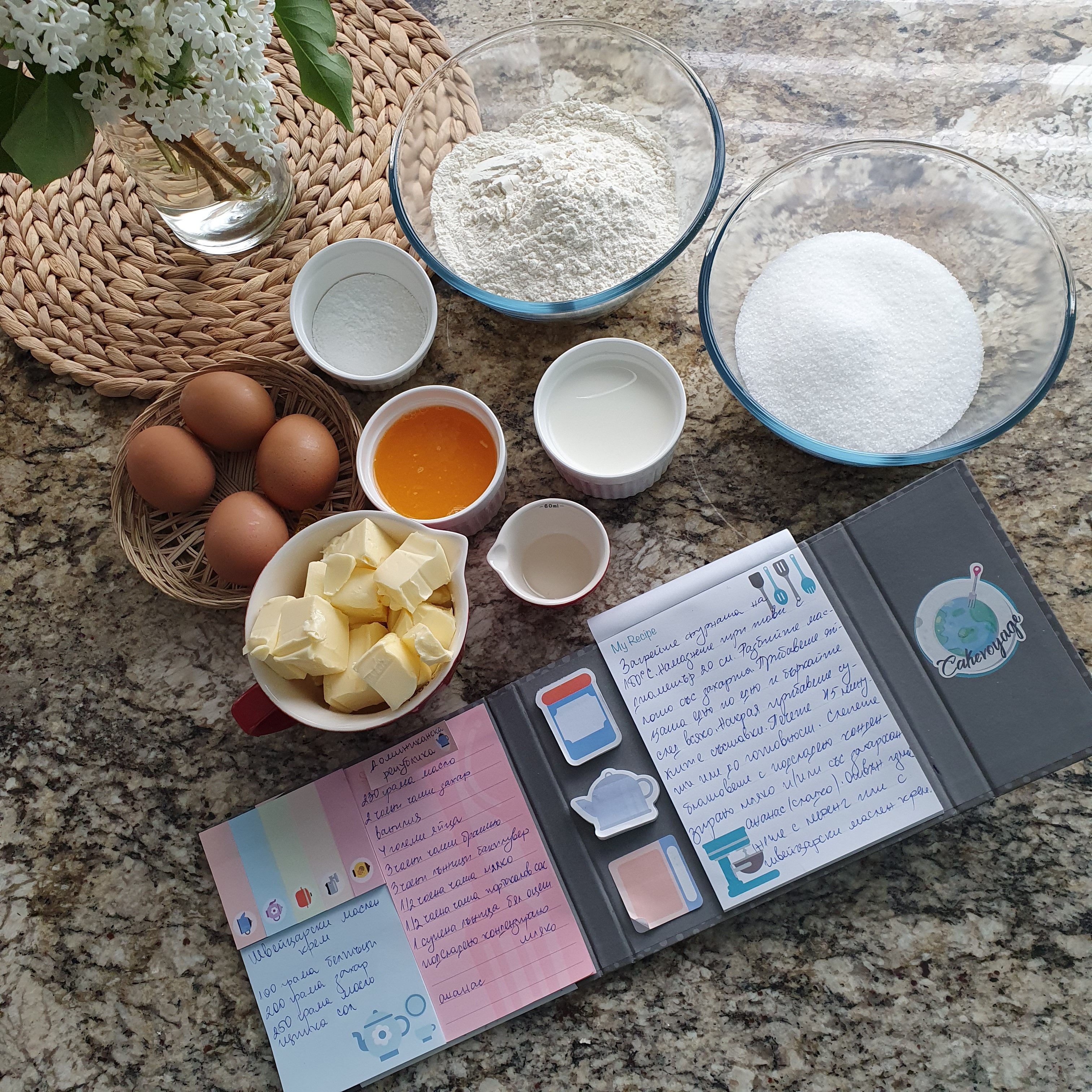
230 grams of butter
2 tea cups sugar
vanilla
4 large eggs
3 tea cups flour
3 teaspoons baking powder
1/2 tea cup fresh milk
1/2 tea cup orange juice
1 tablespoon white vinegar
For the filling:
Pineapple as jam or compressed compote on the stove
Dulce de Lecce
For the glaze: (Swiss butter cream)
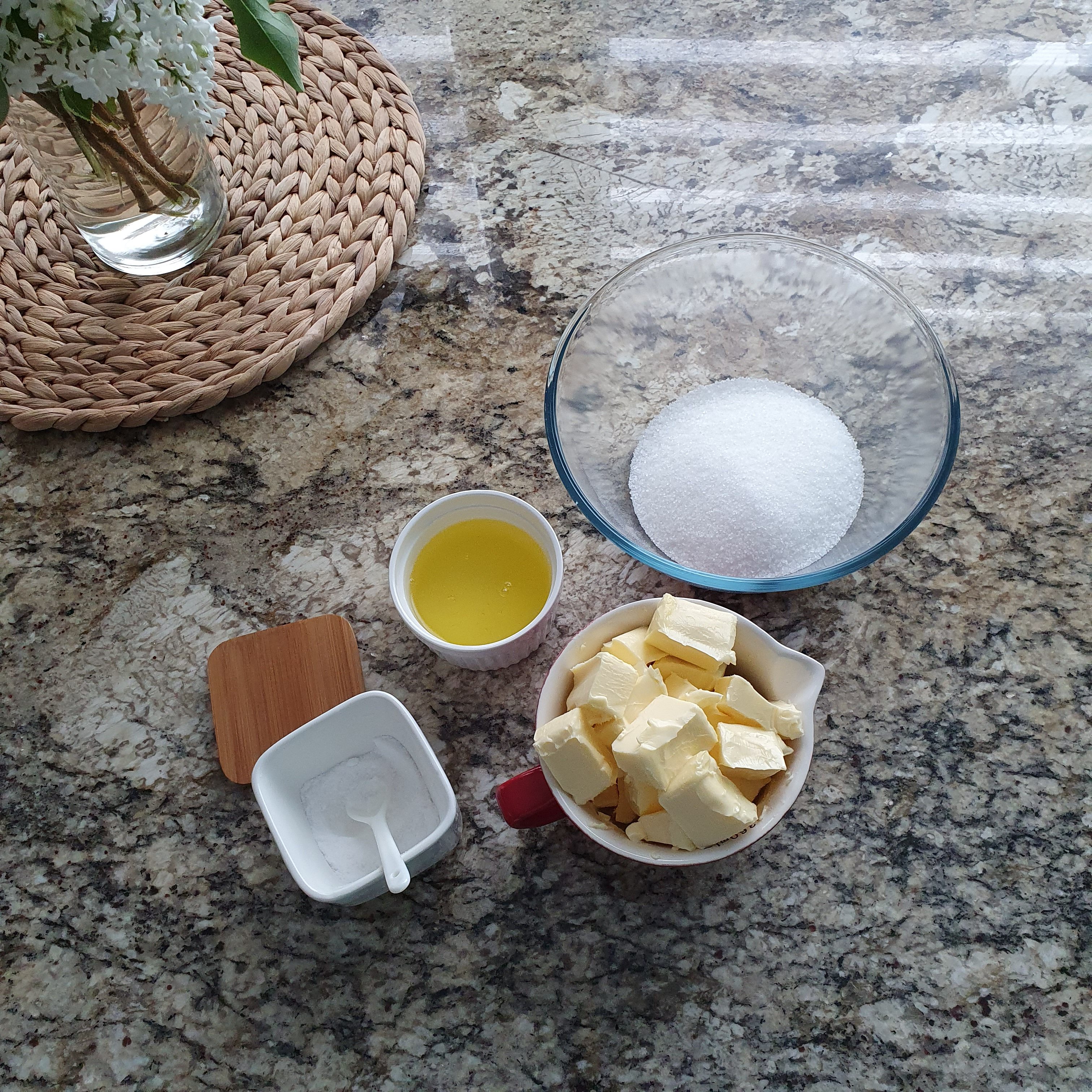
100 grams of egg whites
200 grams of sugar
250 grams of butter
pinch of salt
Steps of preparation:
Steps of preparation:
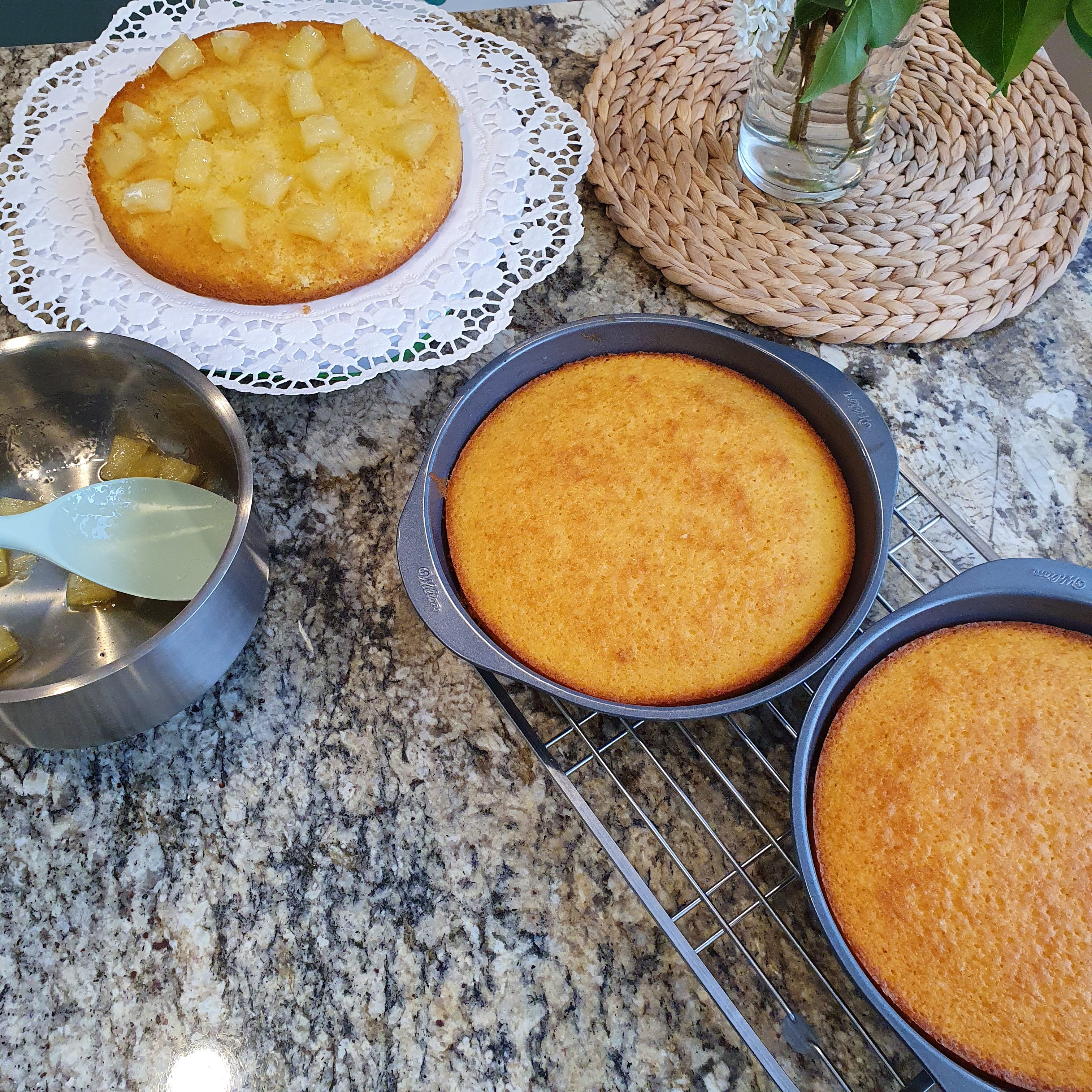
Preheat oven to 180 degrees. Grease 3 pans with a diameter of 20 cm with butter. Beat the butter at cream and add the sugar. Beat until smooth to a slow speed. Add the eggs one by one and after each beat until smooth. Mix the dry ingredients. Add the orange juice, milk and dry ingredients in portions, alternating liquid with dry ingredients.
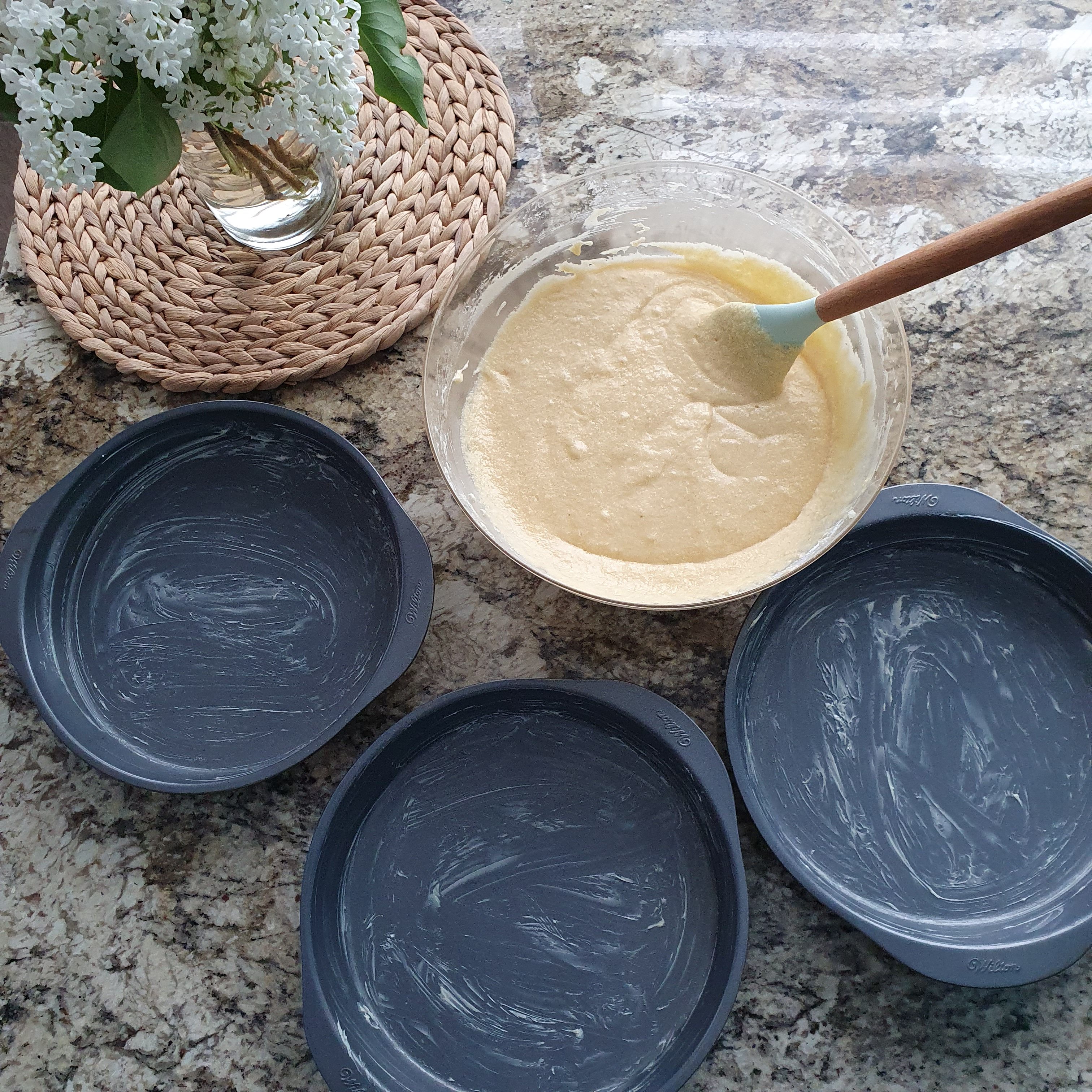
Distribute the mixture evenly in the three trays.
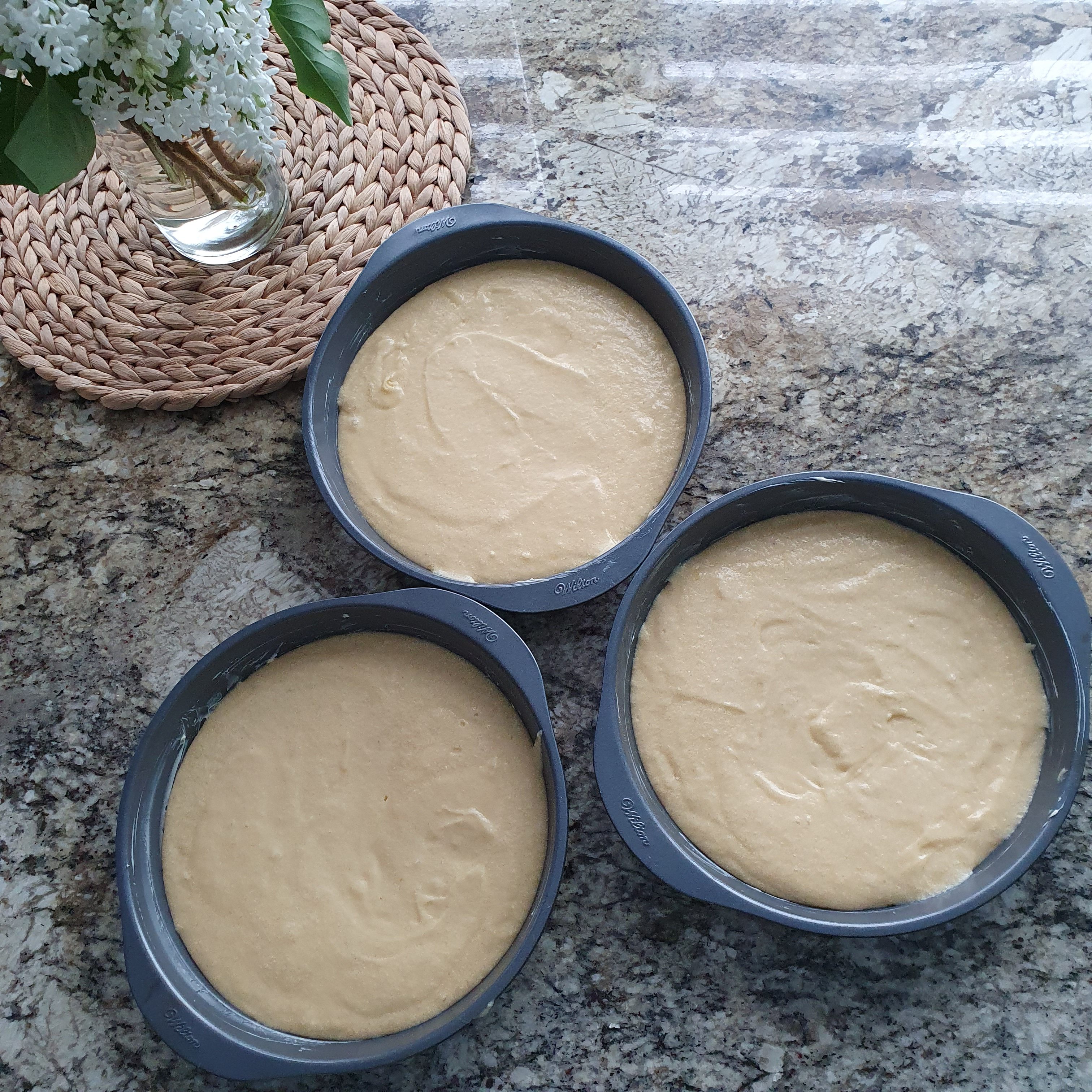
Bake for 45 minutes or until done.
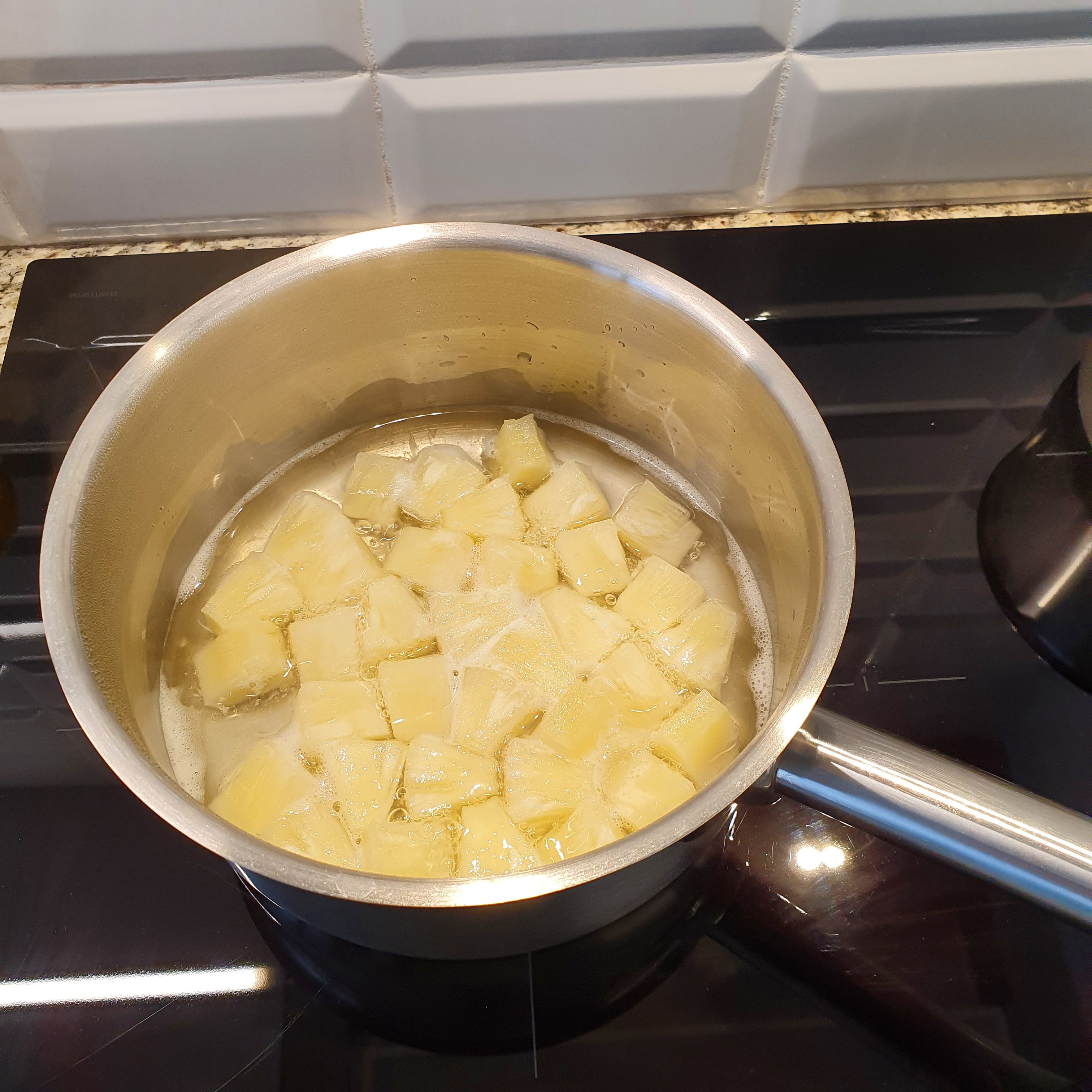
I decided to glue the cake bases with evaporated pineapple compote.
Meringue is used for the glaze in the original recipe. I decided to enrich it with butter and make Swiss butter cream. While the cake bases and pineapple sauce cool, I make cream.
Beat the egg whites lightly to a froth and add the sugar.
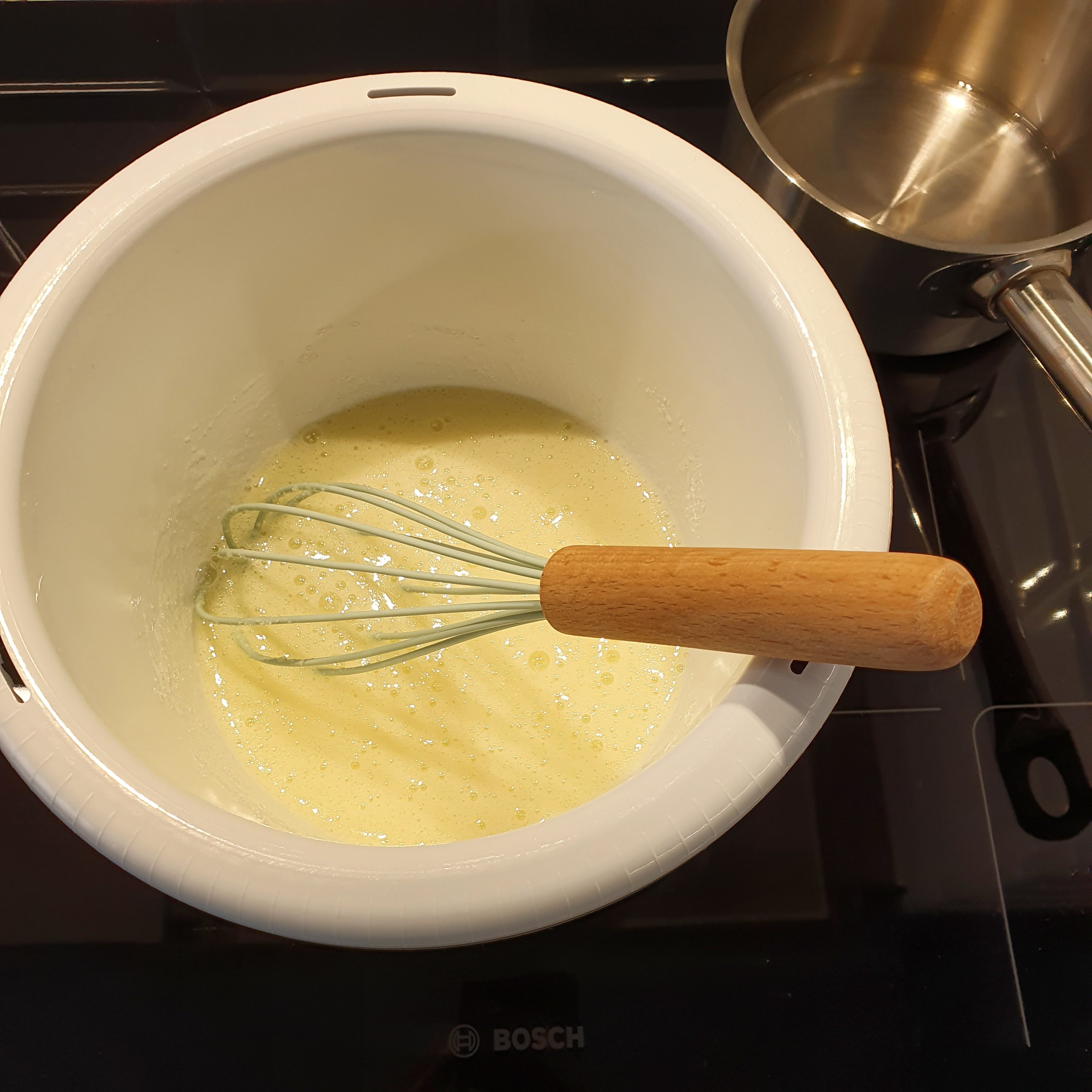
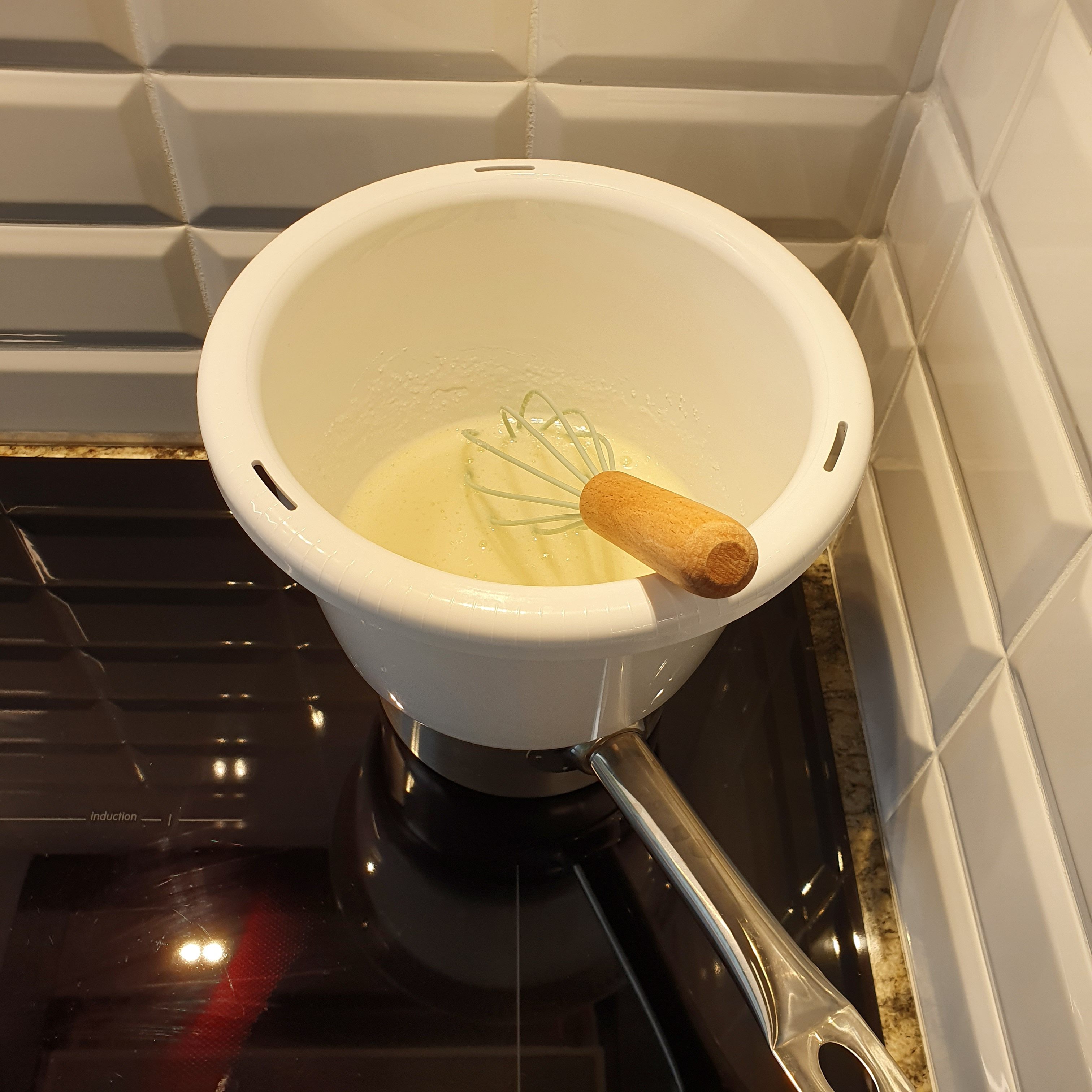
Beat lightly with a mixer and place in a water bath, stirring constantly. The water from the bowl should not touch the bowl with the egg whites, so as not to cook them on an omelet.
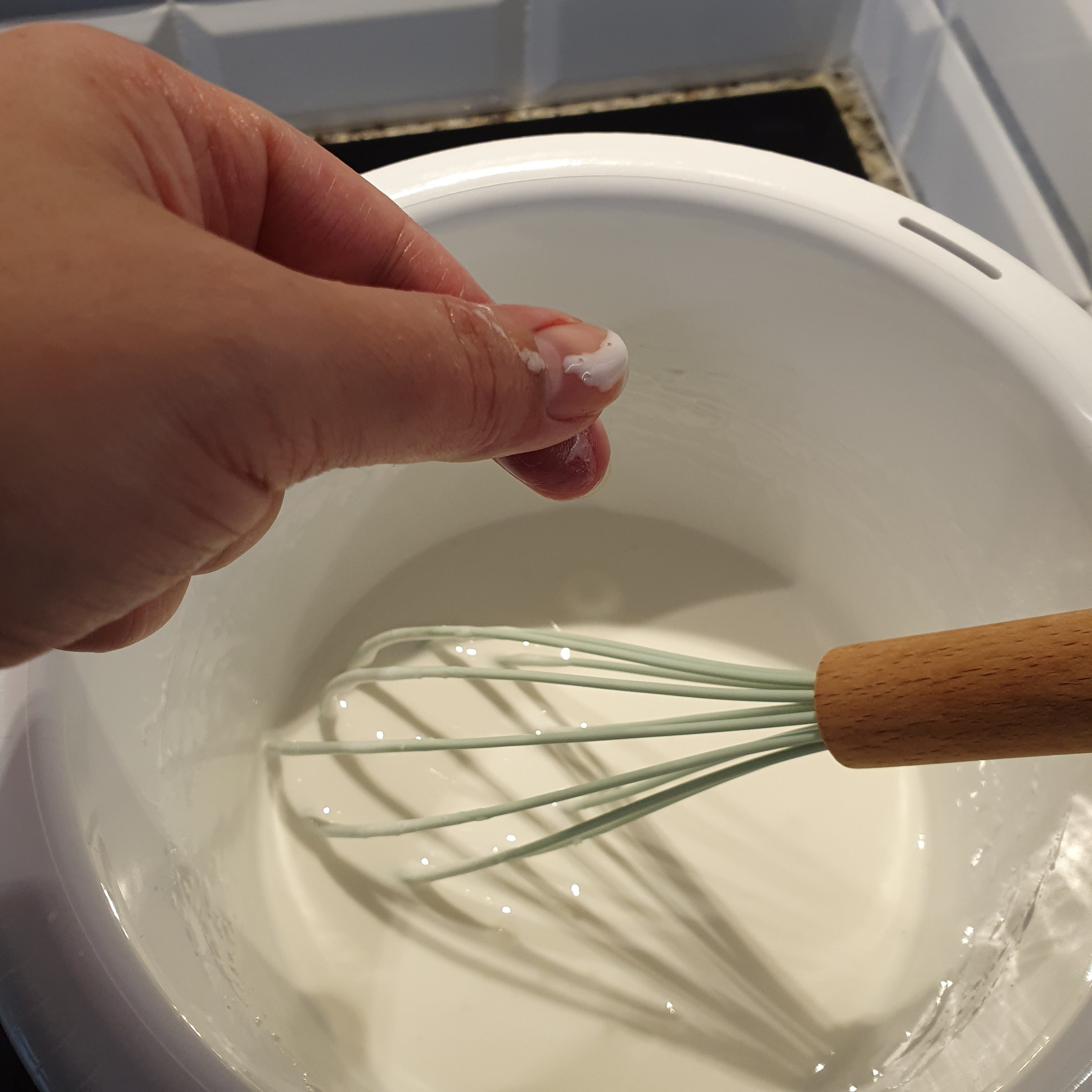
Beat until the sugar crystals are completely melted. You can check this by rubbing part of the mixture between your thumb and forefinger and not feeling the crystals.
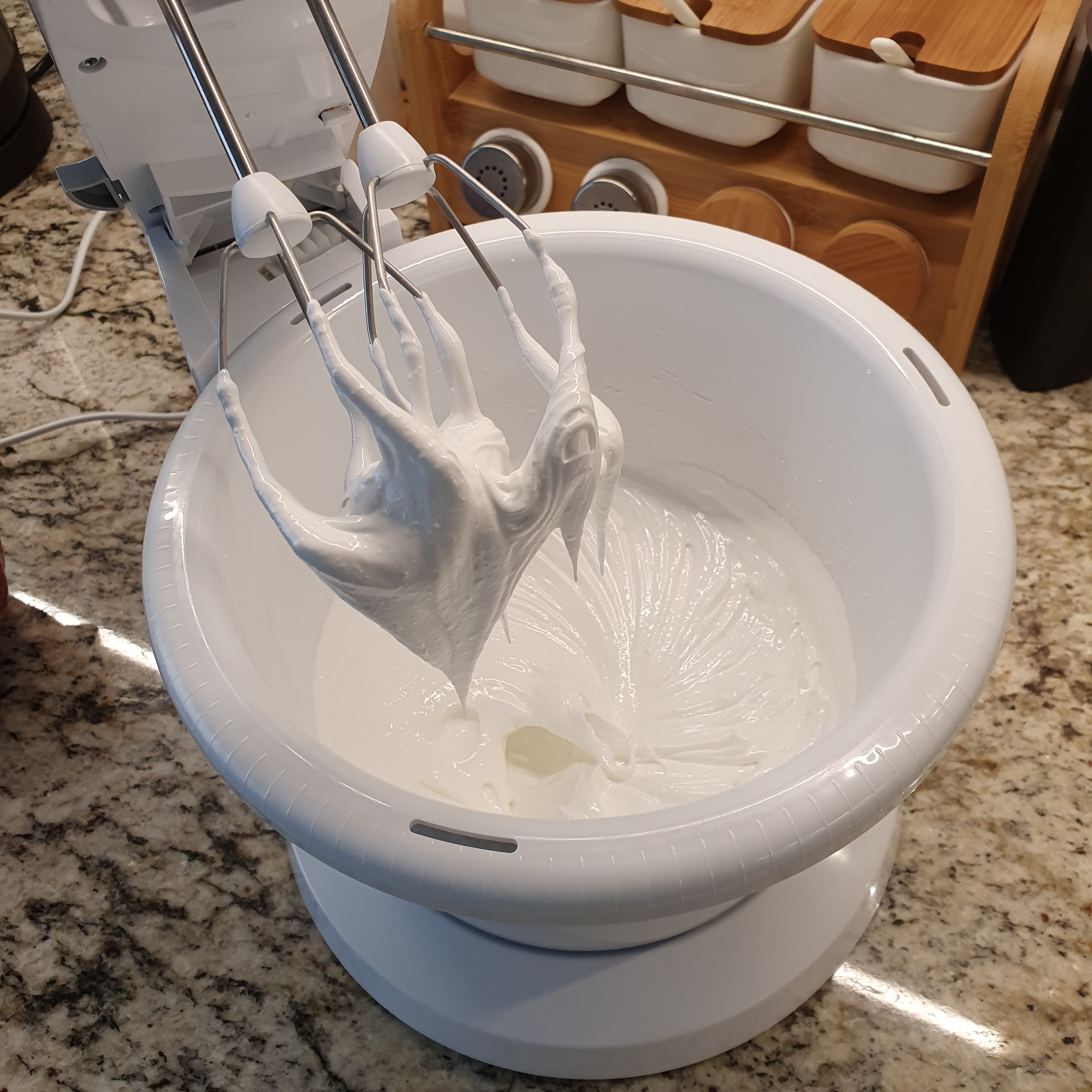
Remove from the heat and beat with a mixer at maximum speed until the mixture becomes thick and shiny. It takes about 10 minutes.
Start gradually adding the softened oil, reducing the speed of the mixer to low. Beat until all the oil is completely absorbed and a smooth and firm cream is obtained.
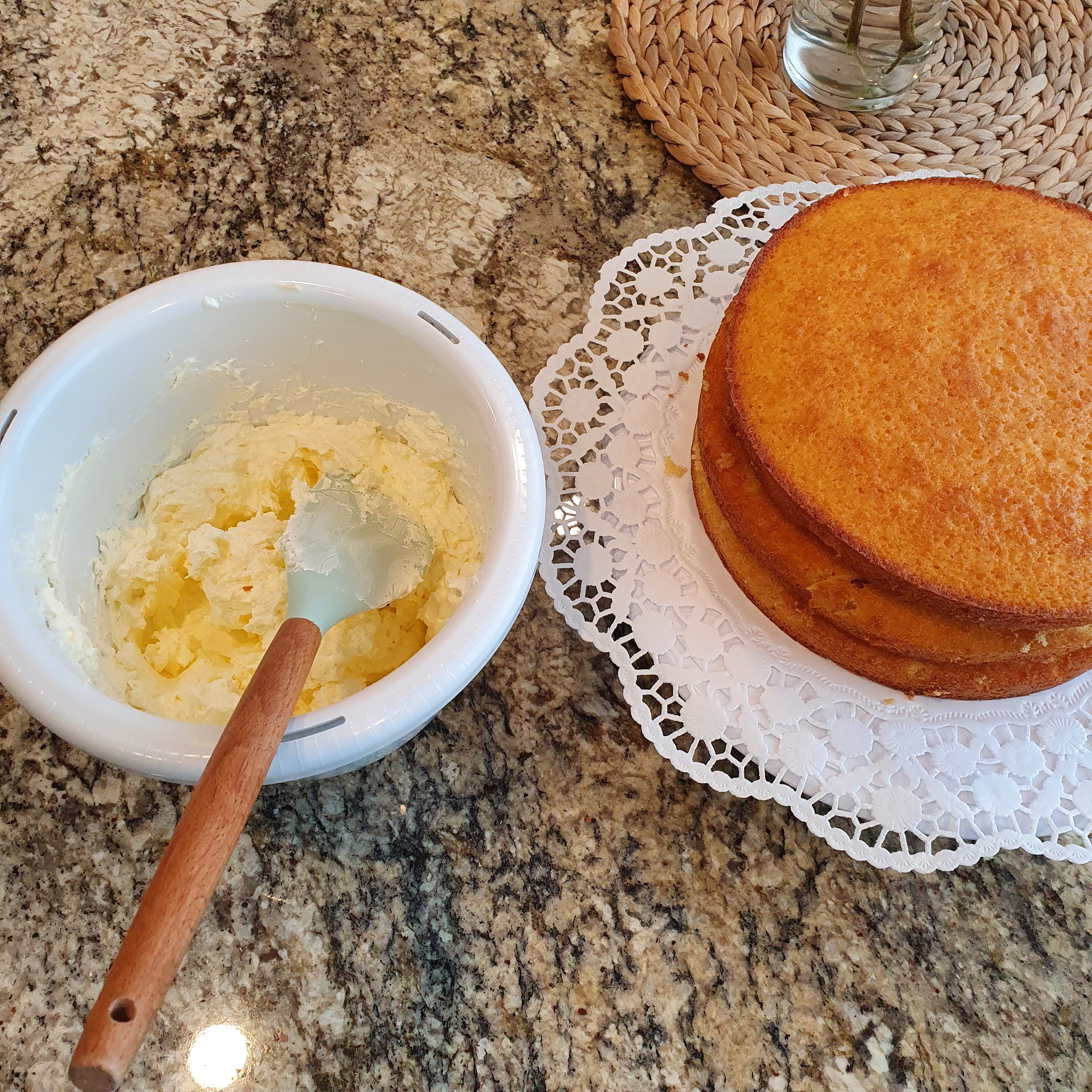
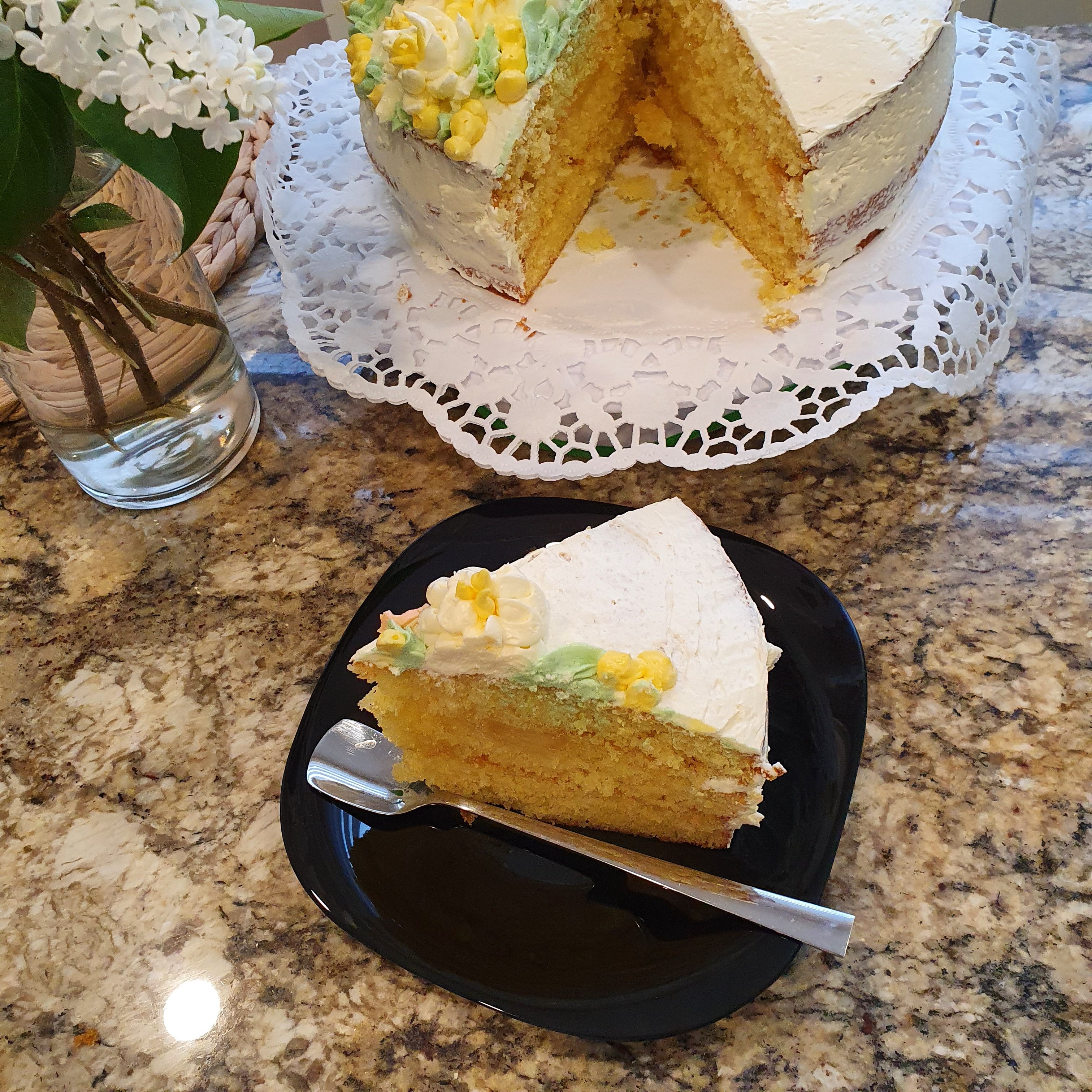
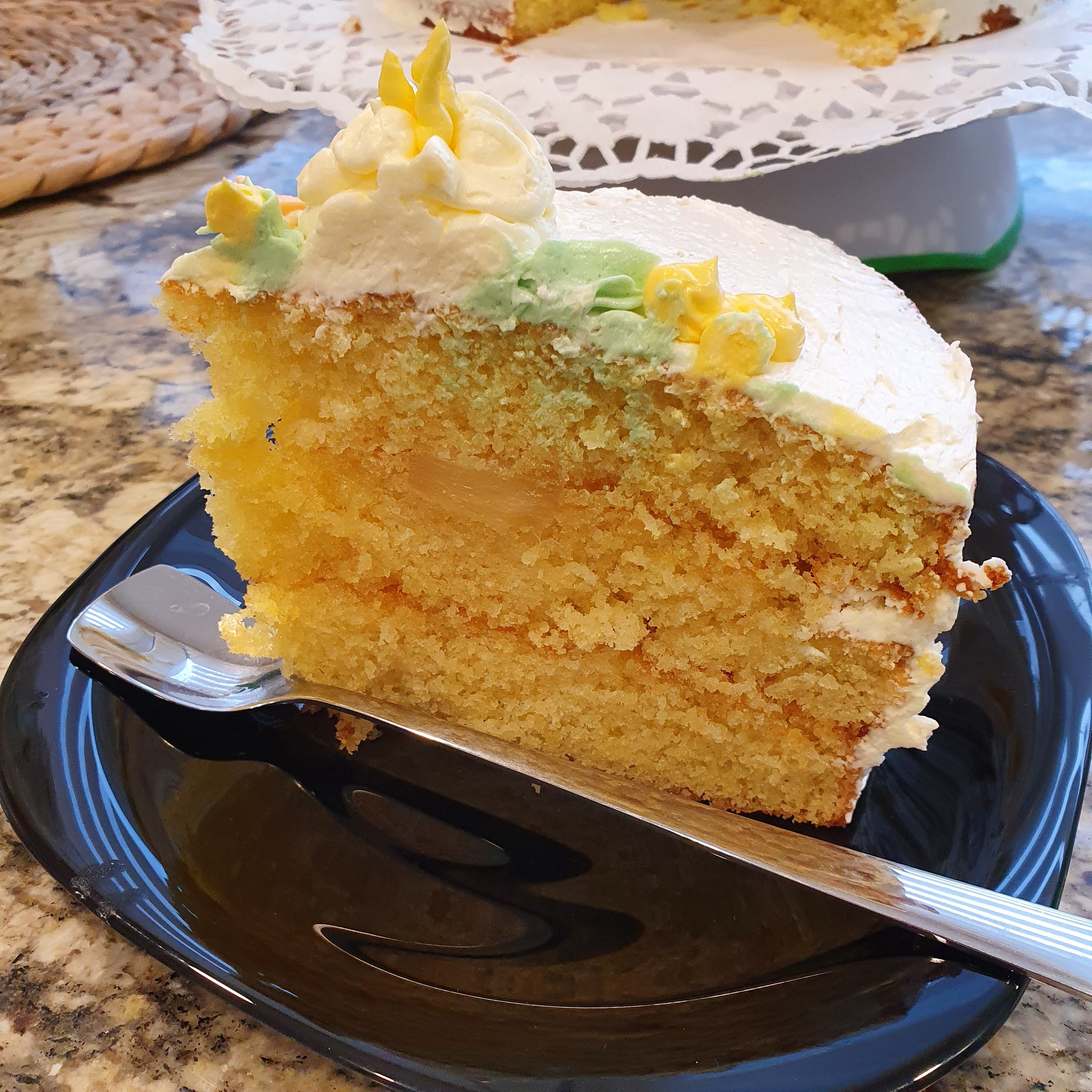
It’s time to assemble the cake. We alternate cake bases and pineapple.
Spread a piece of cream on top and sides of the cake and put cake to cool while we make the decoration.
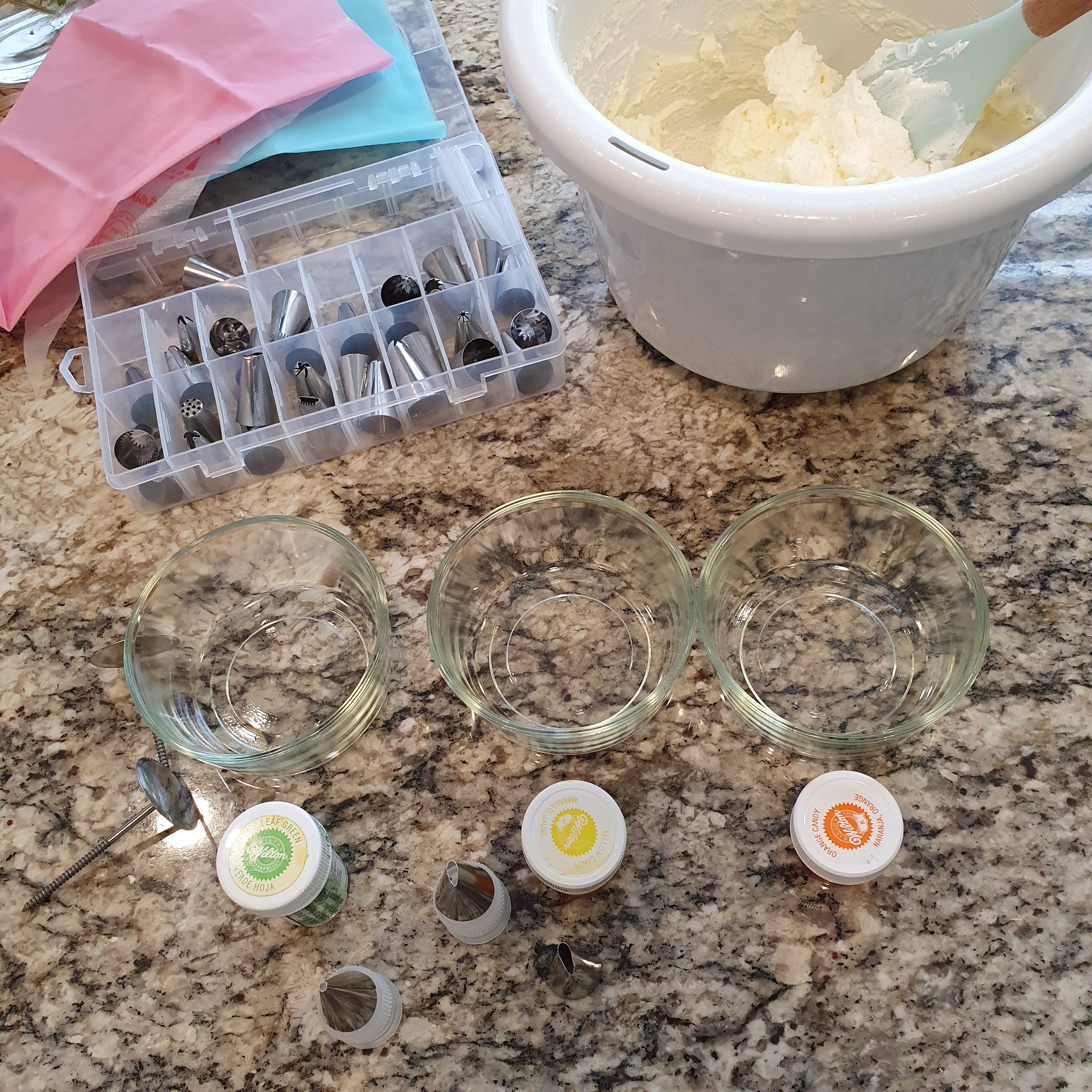
I’ve had a set of nozzles for pastries and pastry nails for a long time, but I hadn’t tried making flowers because I didn’t know which cream was best. Until I discovered the Swiss butter cream. I decided to use four colors – white, peach, yellow and green. I use gel paints for cakes.
I watched a lot of videos and it looked easy… Well it didn’t turn out very easy. 🙂 I still managed to make a few flowers. I will be better next time. In training is the truth 😉.
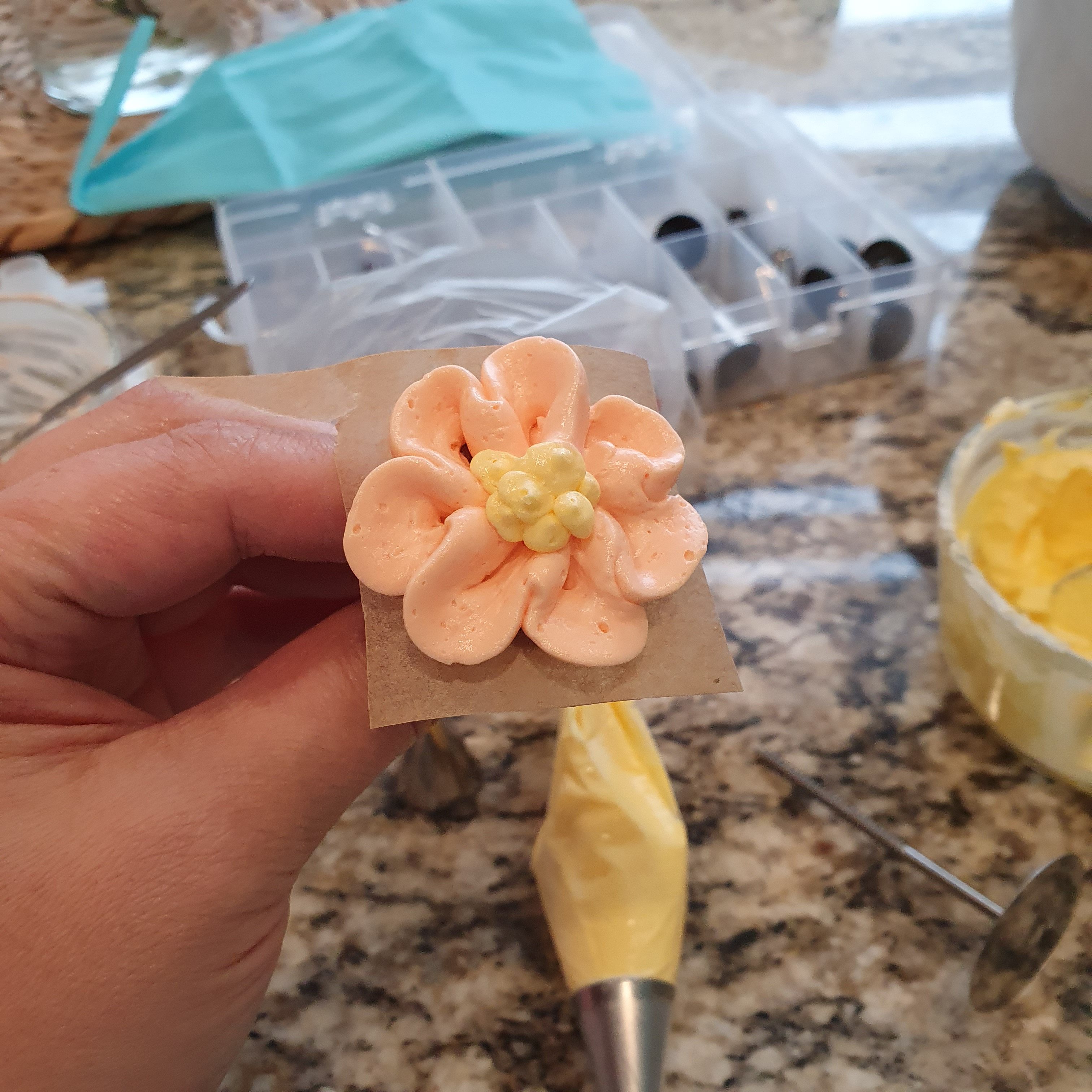
I cool the flowers briefly and arrange them on the cake.
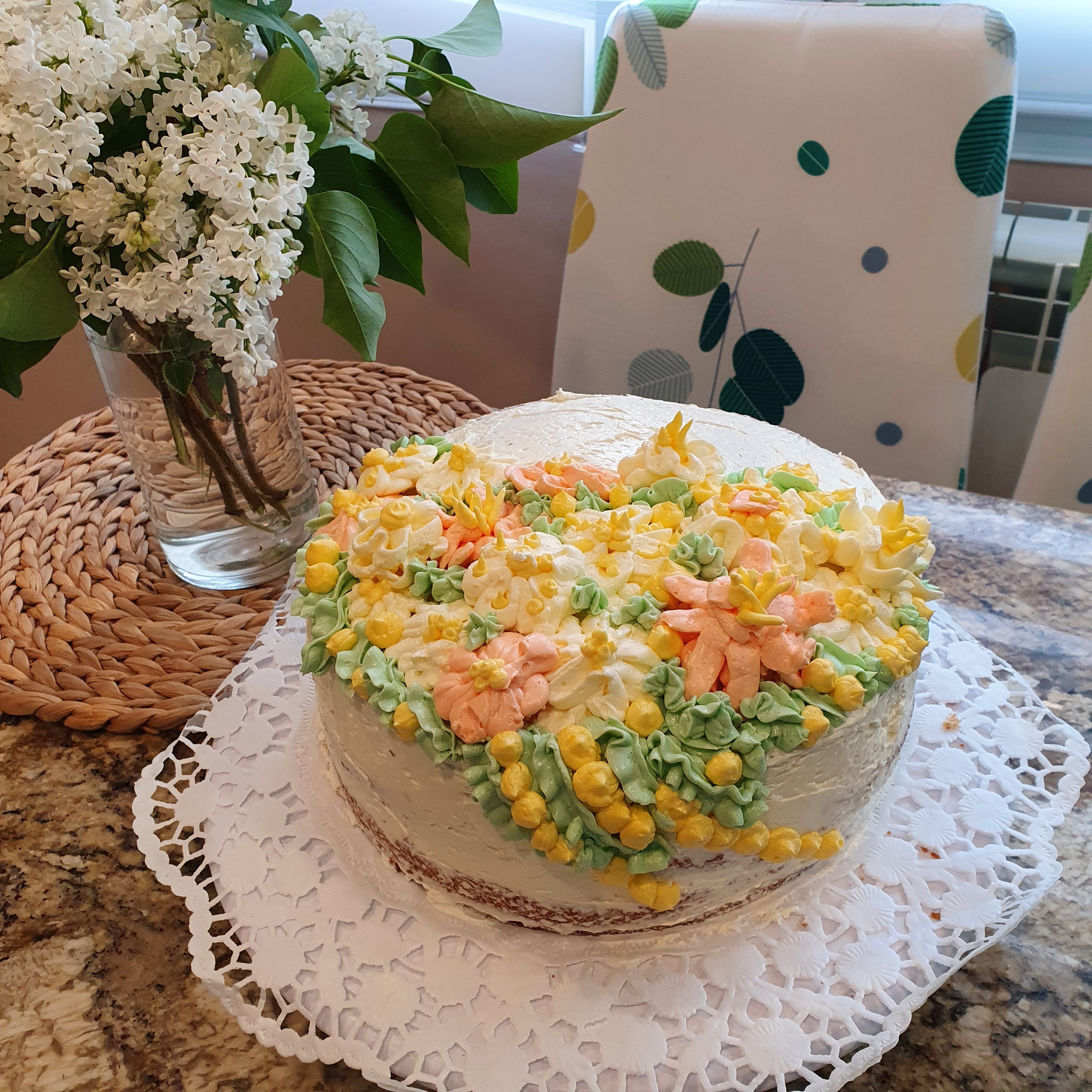
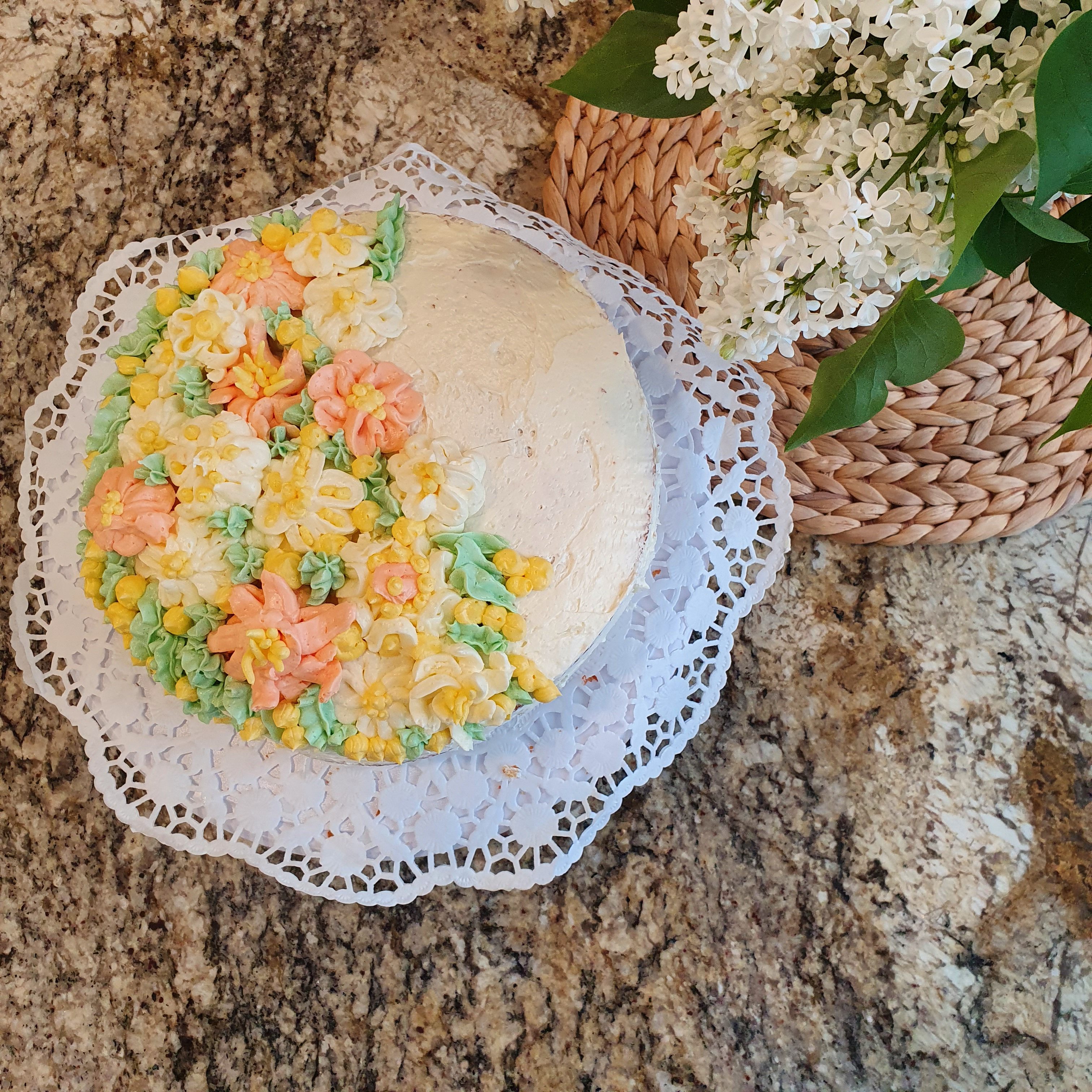
And with that, the cake is ready. It turned out juicy with a rich buttery taste. The testers said that the taste resembled milk with rice… and it really has similarities, although I do not know why this feeling occurs. 😀 But the cake is delicious and you can make it festive as long as it deals with decorations. For me personally, it’s fun and very enjoyable. You can decorate it to your liking. You can use only meringue to burn or not. 🙂 Confectionery is not an exact science at all. The creative approach is allowed and tolerated at max.
As for the country, I would go, but it slightly demotivates me that the Dominican Republic is a top destination in the Caribbean. I am looking for a calmer and wild beauty. But I will probably go one day. 😀
Next destination – Egypt.