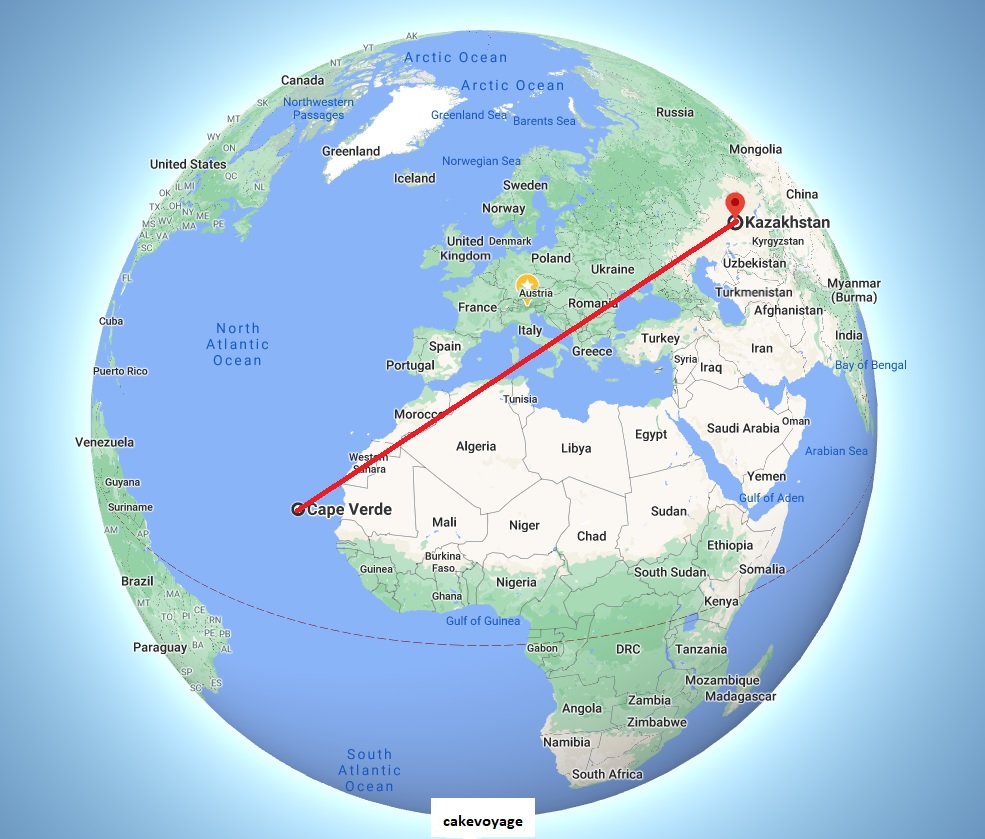

In the past – a strategic slave market. Currently – a strategic drug market. This is Cape Verde. A small, island African country. Admittedly, I hadn’t heard of this country before I had to write here about it. From the divine beaches of the main island of Sal, through the Martian landscapes and rocky mountains in the interior of Sal and the tropical valleys of Santo Antao, to the active volcano Pico do Fogu (2829 m), the ten large and five smaller islands offer spectacular mountain ranges, deserted beaches , several volcanic landscapes and it is the diversity that makes Cape Verde such an unusual and attractive destination. Many argue that isolation is a blessing, leaving these islands relatively intact because the crowds of tourists are still missing. Perhaps people who, like me, like to visit virgin places away from globalization need to put their agenda in order to visit this country relatively soon. Because, as we know, globalization is inevitable.
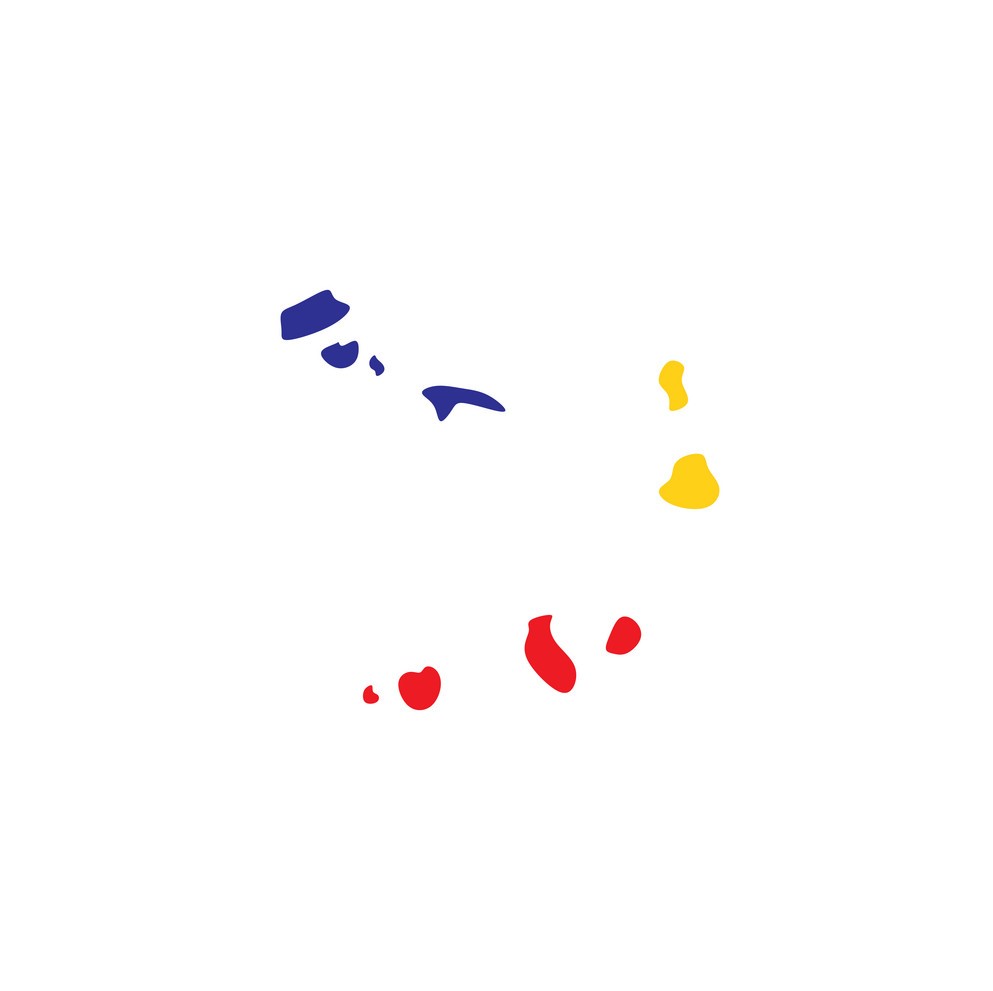
The population of the island consists of Creoles, who are descendants of Portuguese and Africans. The country has been a Portuguese colony for centuries, so the official language is still Portuguese. The name of the country translated from Portuguese means “Green Nose”. Cape Verde’s culture is strongly influenced by its unique music, such as the morna – a melancholic genre (similar to fado) that takes you back to the days of slavery, batuko – a funnier genre that attracts all dancing people and funana – an intriguing melody. which vibrates around the islands. The most famous artist of the archipelago is undoubtedly Cesaria Evora. She is called the “Barefoot Diva” because she always came on stage barefoot – a symbolic homage to the poor way of life of her compatriots in Cape Verde. She has five Grammy nominations and has won it twice, and has also been awarded the Order of the Legion of Honor (France). But arguably her most noble endeavor is the financing of primary education in Cape Verde. She never “takes herself seriously” and remains firmly on the ground until her death.
Cape Verde’s cuisine is a mixture of local traditions, Portuguese, Western European and West African cuisine. As expected, fish, lobsters and other seafood are essential in it due to the location of the island country. Corn, beans, cassava, rice, potatoes are the main ingredients in the dishes. The islands grow pineapples, bananas, potatoes, peanuts, tomatoes, beans, mangoes, sugar cane, coffee, papaya, guava and coconuts. A legacy from colonial times in cooking are olives, which continue to be imported from Portugal.
Cachupa is the most famous national dish. It is traditionally made with pork and chorizo, accompanied by beans, corn, cassava, onions, yams, green bananas, sweet potatoes, carrots, cabbage and pumpkin. There are several basic types: cachupa frita / cachupa guisada / cachupa refogada, which means fried kachupa, and cachupa rica, which contains more ingredients, and cachupa pobre is a simple kachupa. Feijoada is another very popular dish in Cape Verde, very similar to the dish of the same name in Portugal or Brazil. Contains beans and several types of pork. Cado de Peixe ou Caiderado is a fish dish with potatoes, pumpkin, carrots, vegetables and tomato paste. Buzio cabra is a stew made from sea snail Persististrombus latus with soy sauce. Couscous is one of the most popular side dishes in Cape Verde and is usually served here with molasses or honey and mare’s milk cheese.
There are not many desserts in Cape Verde. Bolinhos de mandioca com mel are small cassava balls with honey and are a traditional Cape Verde dessert. It is prepared by beating eggs with molasses. Then add water, aguardiente (Spanish vodka) and vegetable oil. Then sprinkle with cassava flour, form into balls and bake in the oven. Doce de Papaya is a papaya jelly. Bol de Cus-Cus is a sweet cake made with corn and sugar, usually served warm with butter and goat cheese. Queijo de Cabra com Doce de Popoia is a typical Cape Verde dessert, also served with pieces of goat cheese and papaya jam. Fogo is a coffee pudding.
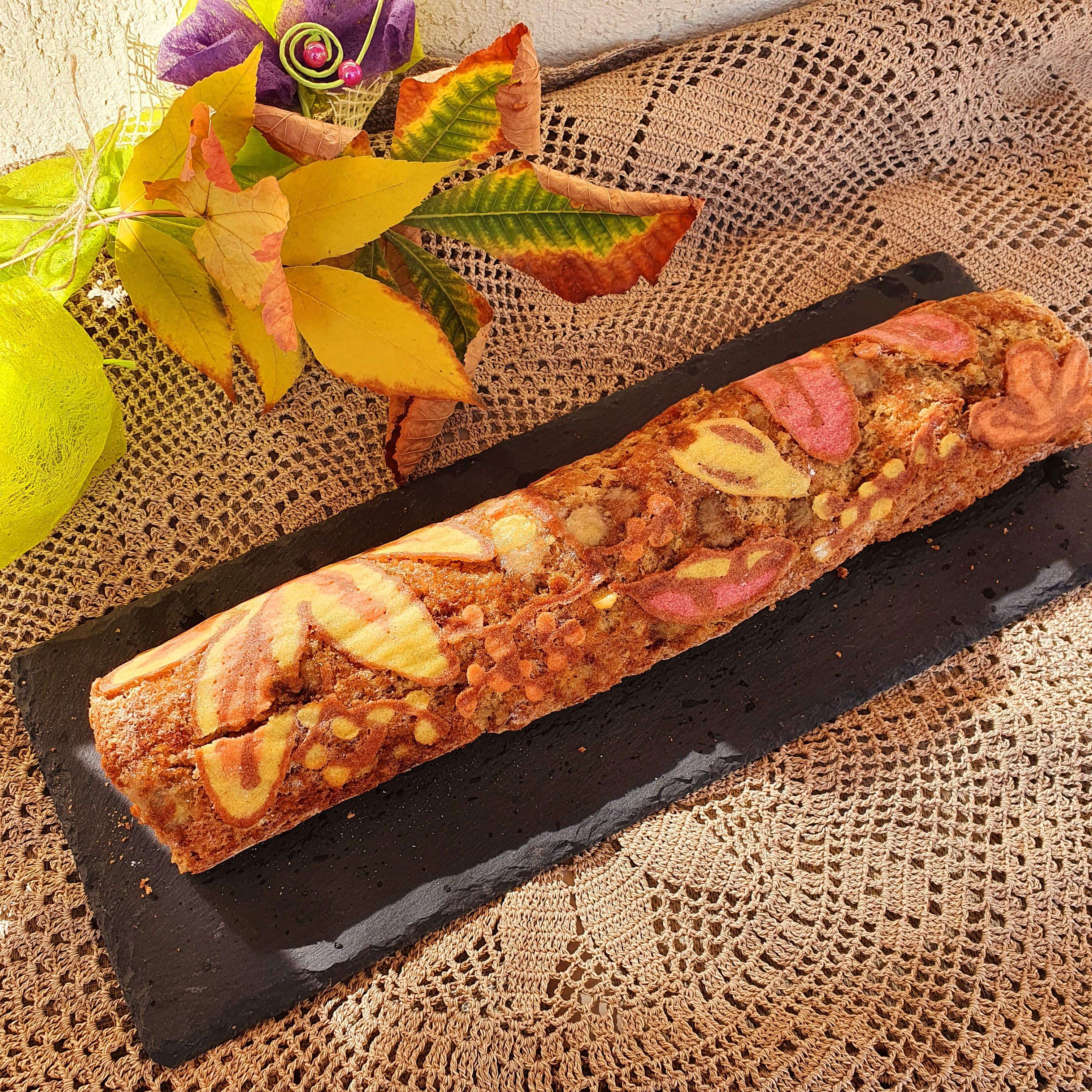
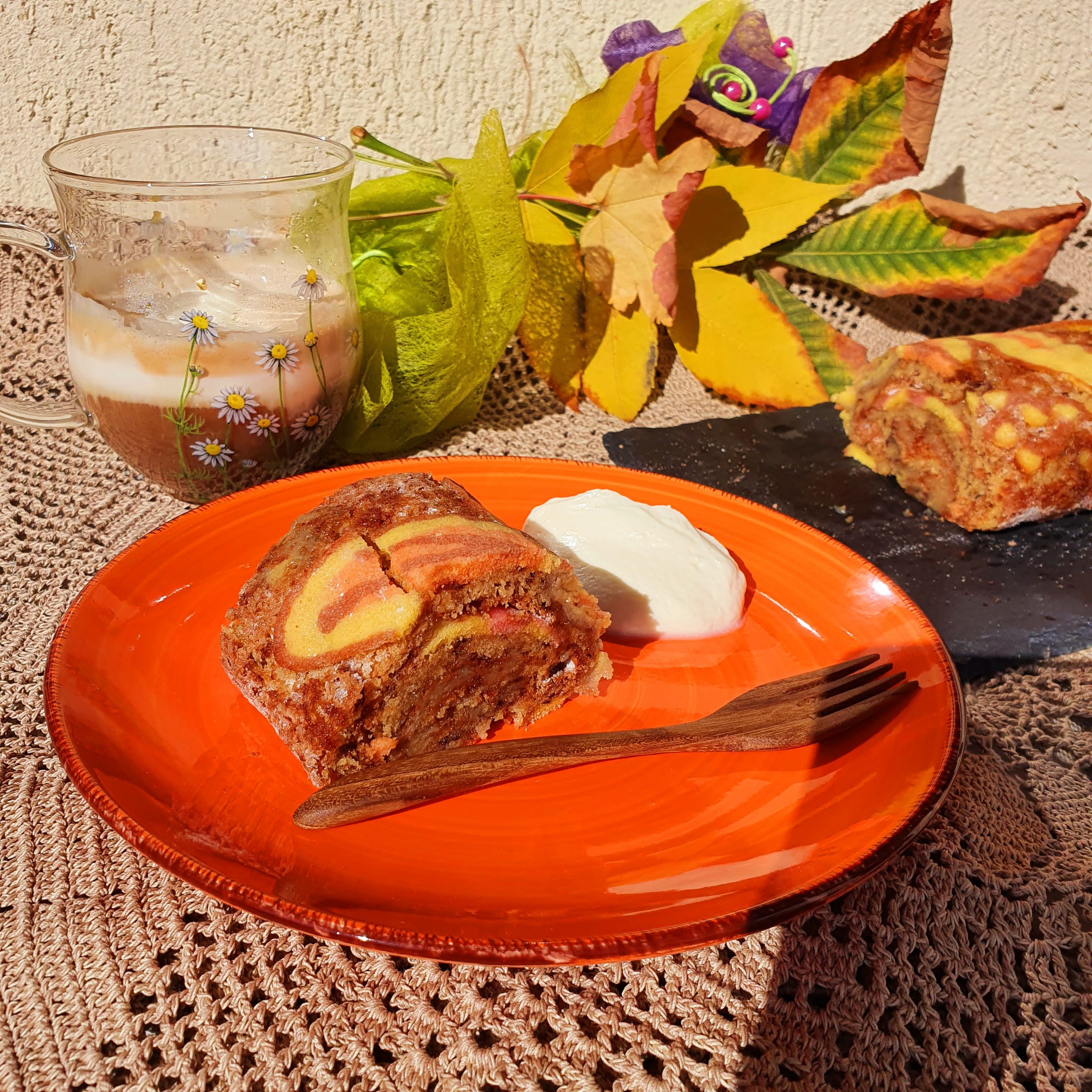
I have chosen to prepare “Torta com Doce de Goiaba” for you, but I think I should rename it “Torta com Doce de Banana” “. I had to replace guava with bananas in the recipe, because I couldn’t find guava in the shops in Sofia… So, since I had a banana jam, I decided that it was quite exotic to make the recipe with it. I had bought this marmalade from another island, Tenerife, and I still couldn’t think of using it. So now I’ve included it in the recipe and I’m not sorry – it turned out quite tasty. As a rule, I bring spices everywhere when I travel, but maybe I should start and bring some weird jams, canned food… In fact, I’ve never tried guava before and I have no idea what it tastes like.
Necessary products:
for the artistic layer:
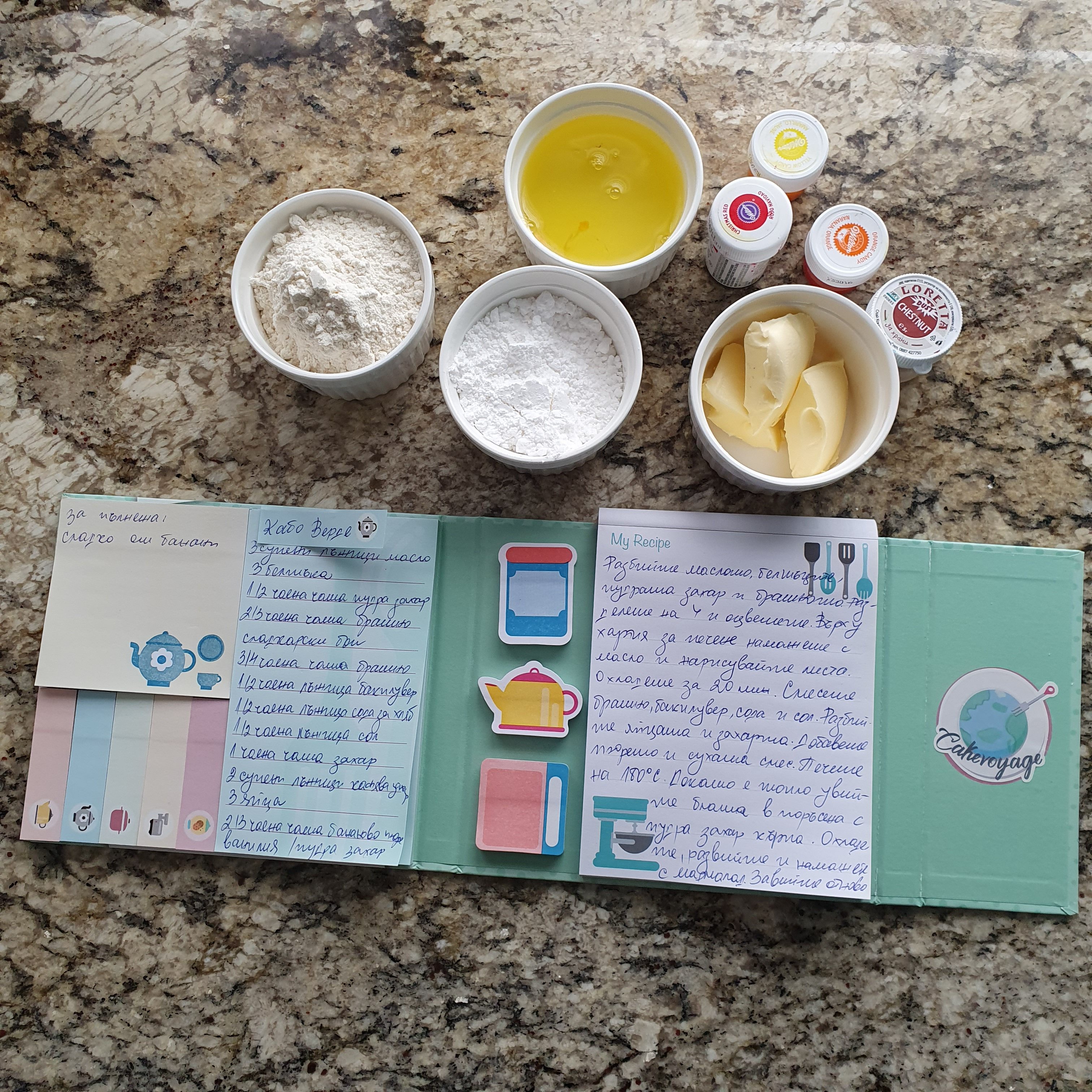
3 tablespoons butter
3 eggs white
1/2 tea cup powdered sugar
2/3 tea cup flour
confectionery paints
for cake base:
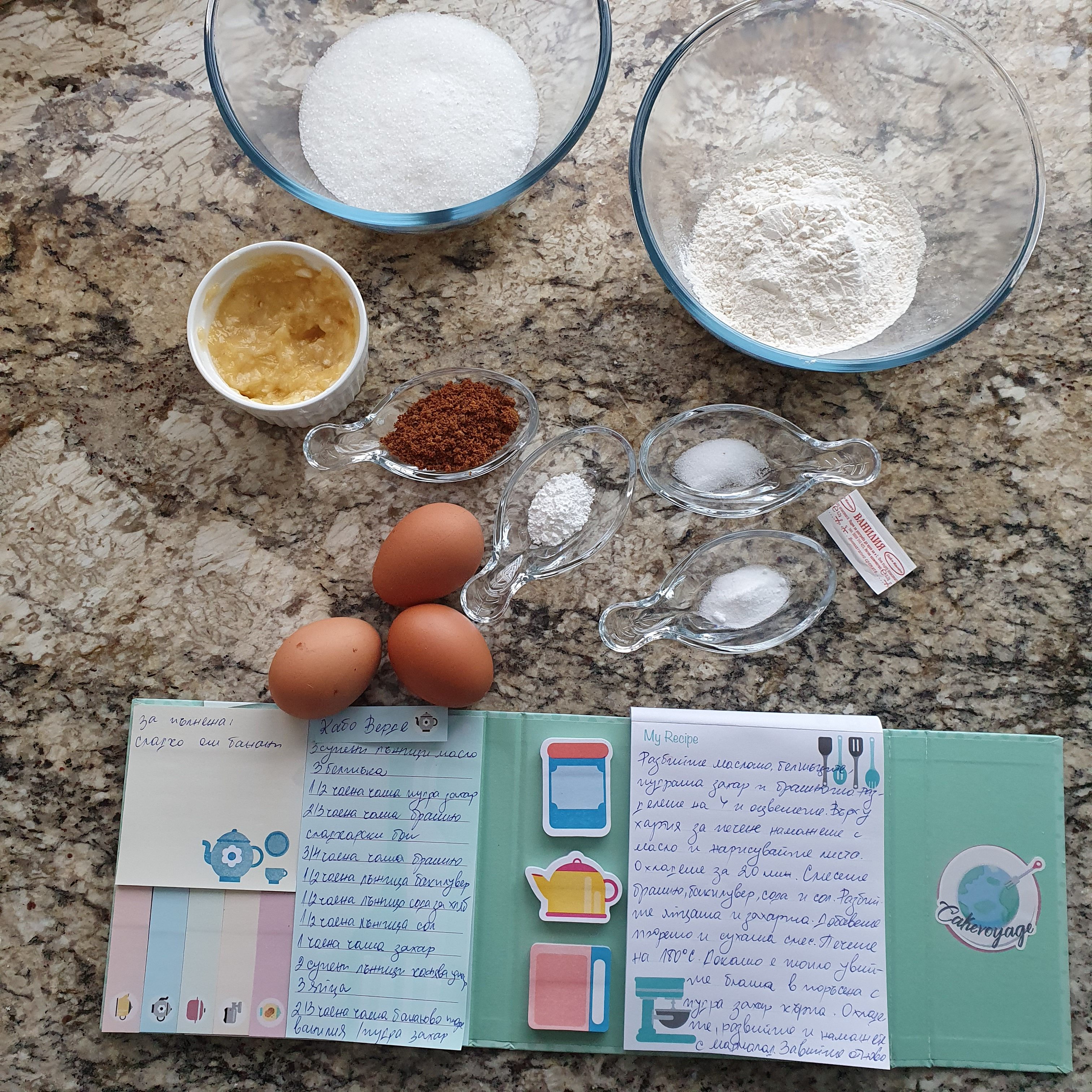
3/4 tea cup flour
1/2 teaspoon baking soda
1/2 teaspoon baking powder
1/2 teaspoon salt
1 tea cup white sugar
2 tablespoons brown sugar
3 eggs
2/3 tea cup of guava puree (in my case bananas)
vanilla
powdered sugar – sprinkle
guava jam (in my case bananas)
Steps of preparation:
Beat the butter. Add the egg whites and sugar and beat well. Finally add the flour and mix. Divide the mixture into 4 bowls and color with confectionery paint.
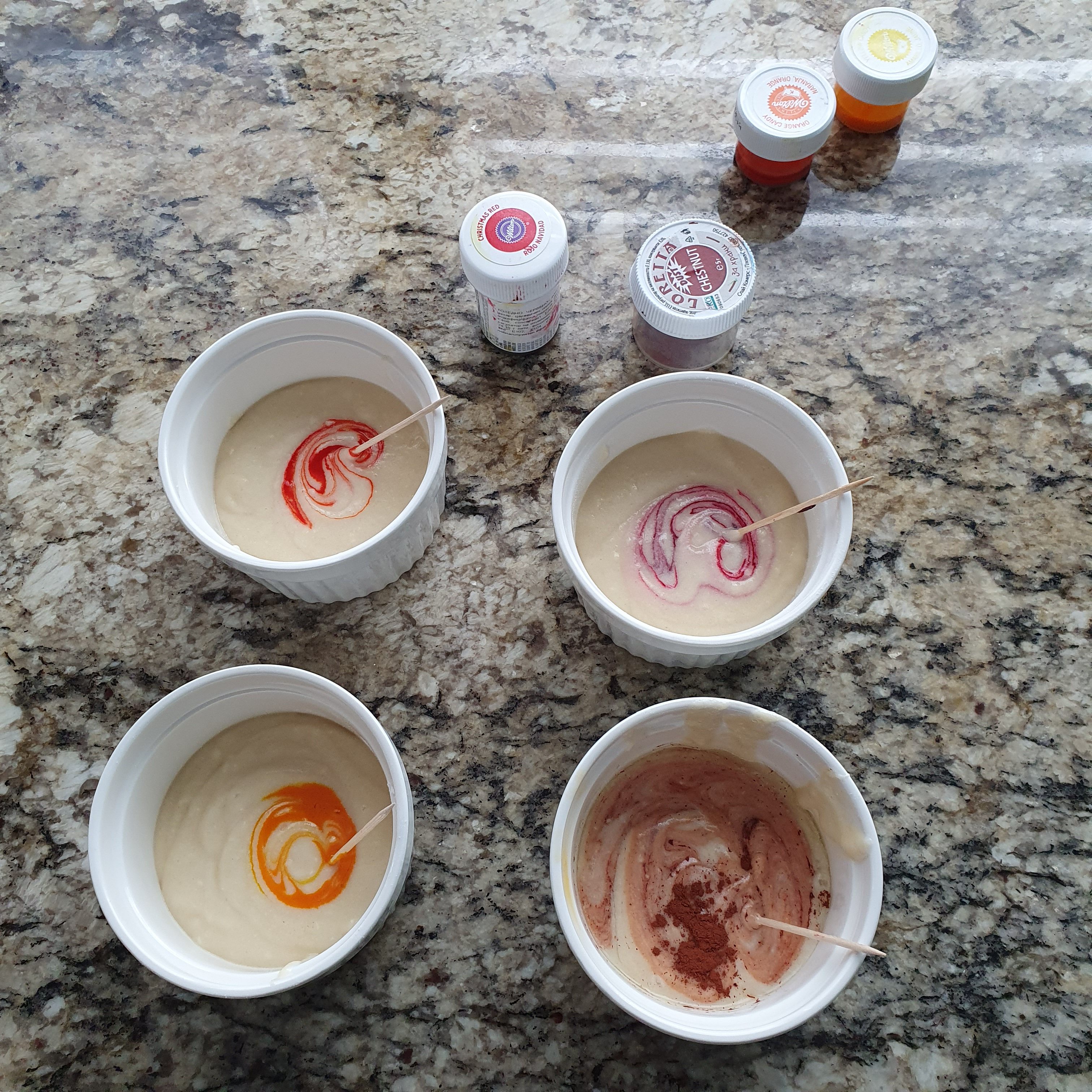
I chose autumn shades because I have an idea of what I will paint. 🙂
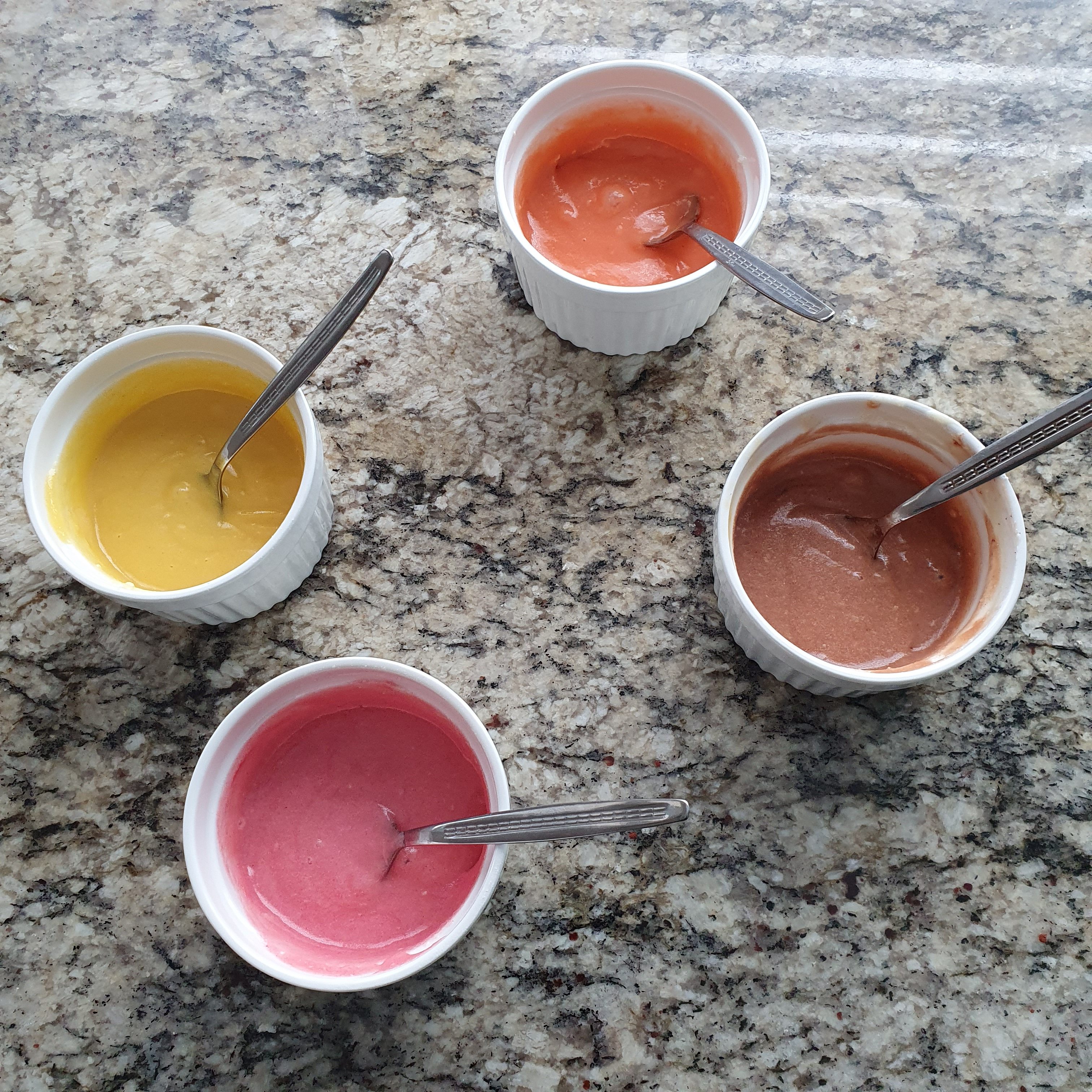
Line a rectangular tray measuring 38×25 cm with baking paper and grease with butter.
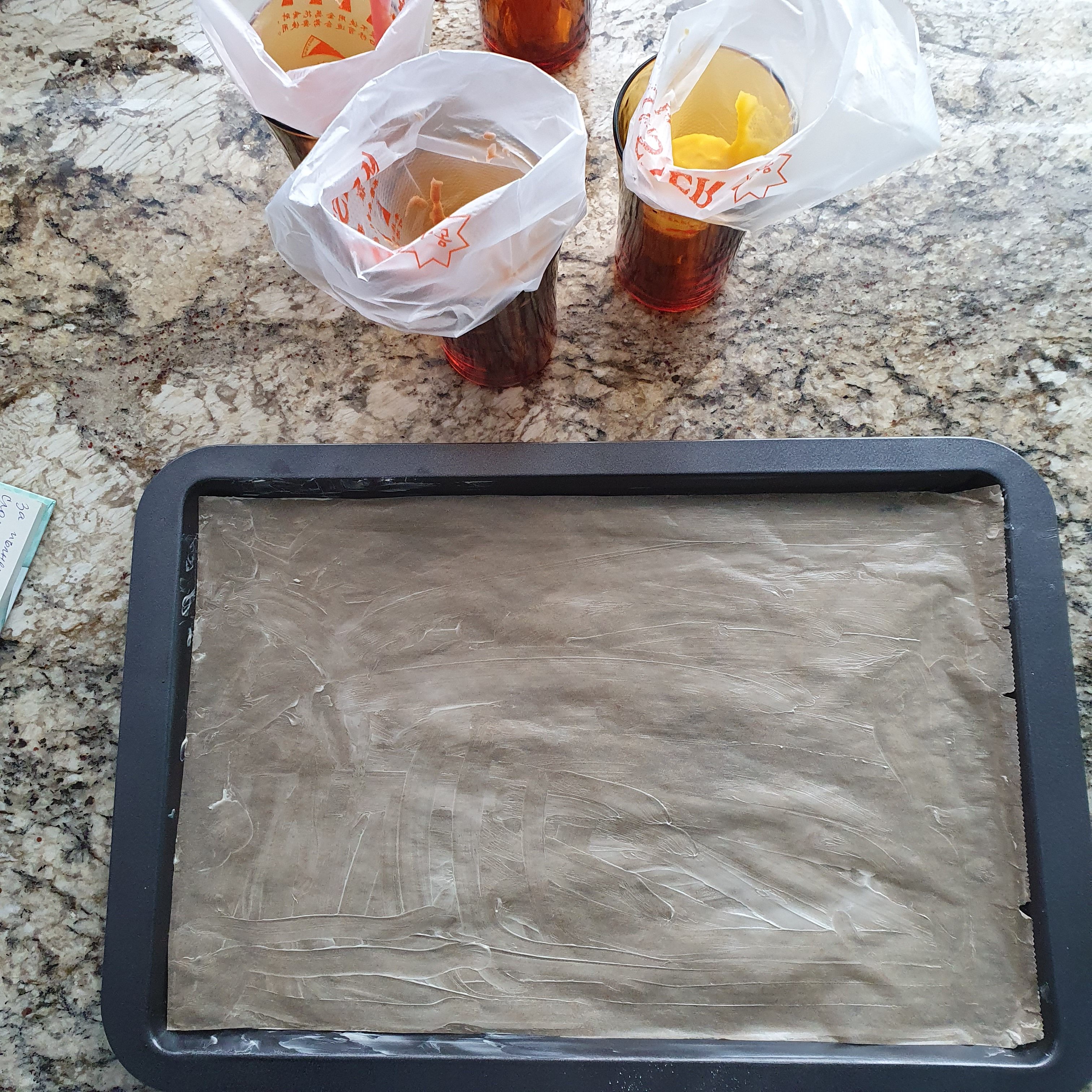
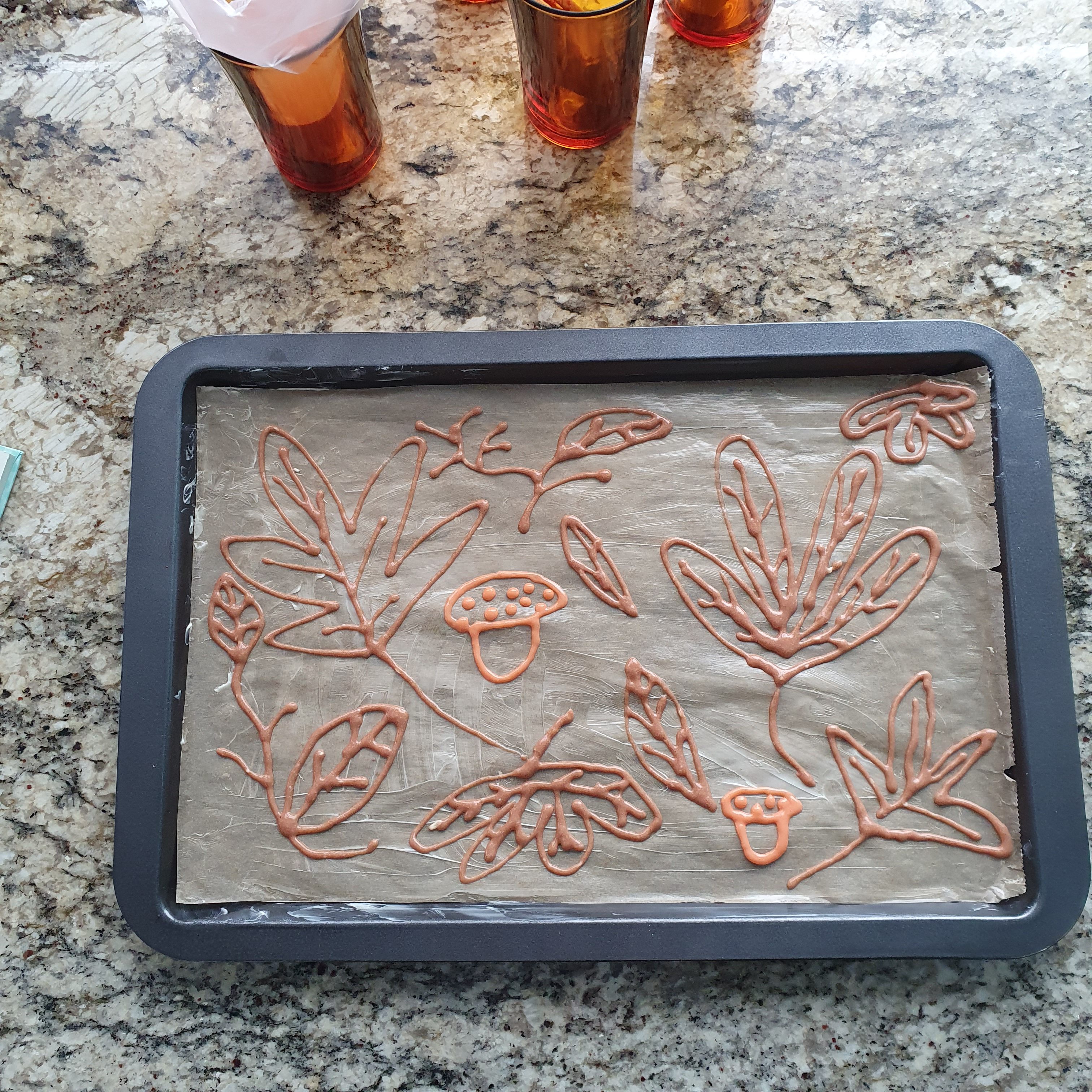
Fill 4 bags with different color mixture. I first drew the twigs and contours of the leaves and acorns. Leave the pan in the refrigerator for 20 minutes to cool.
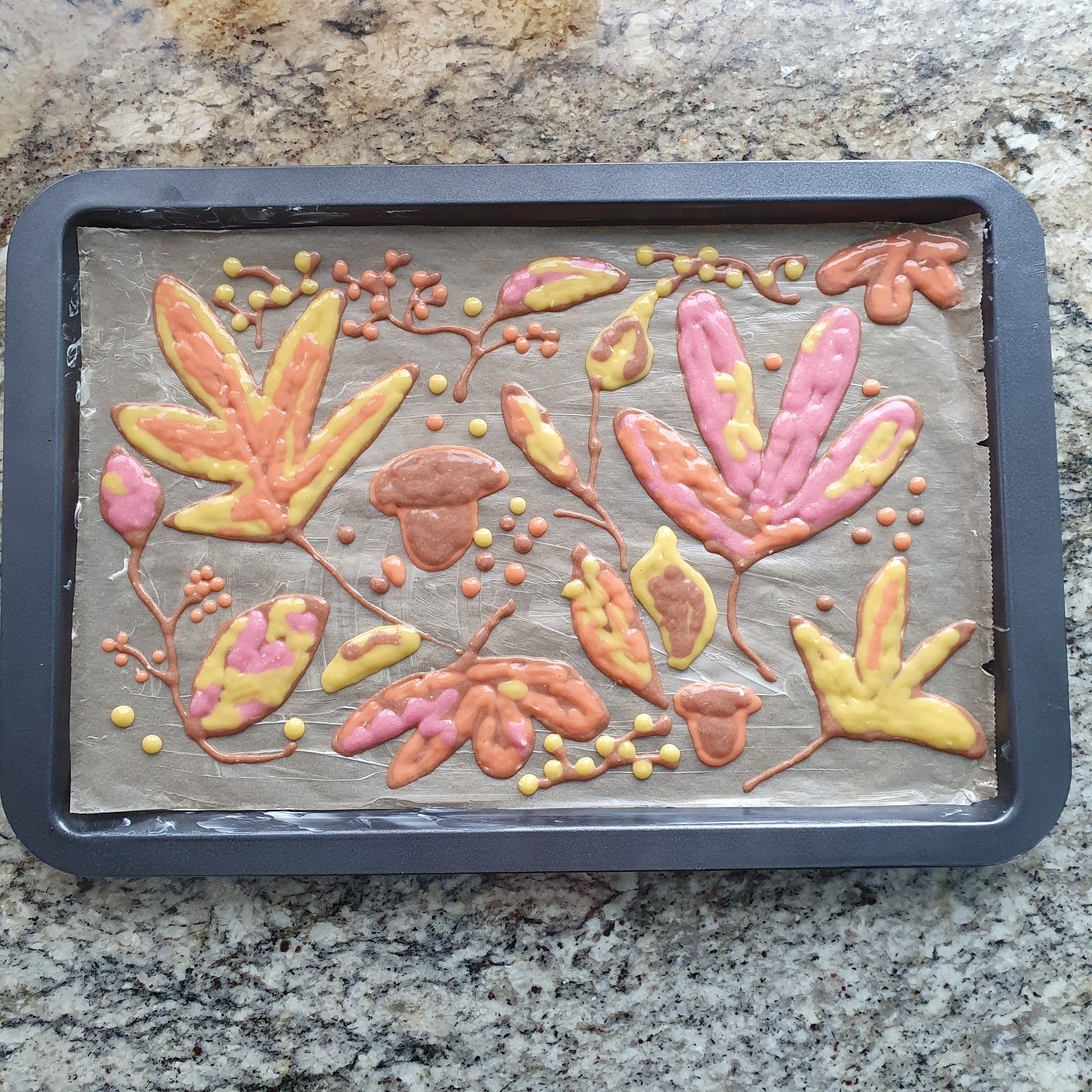
Remove from the refrigerator and fill the contours with the remaining color mixtures. Leave for another 20 minutes in the refrigerator.
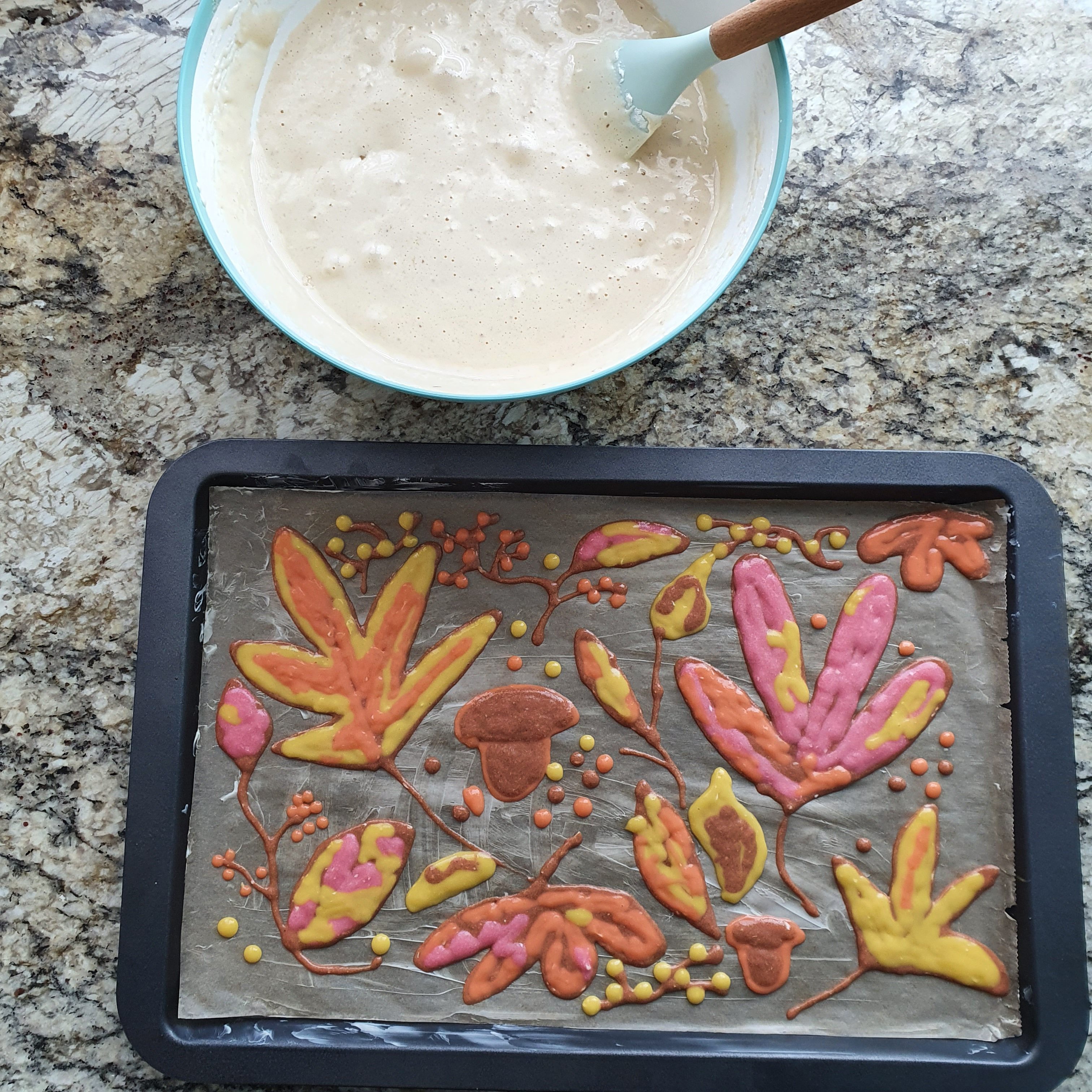
Meanwhile, make the cake base mixture. Mix in a bowl the dry ingredients – flour, baking powder, baking soda and salt. Beat the eggs with both types of sugar until white. Add the banana puree and finally the dry mix. Stir gently until homogeneous.
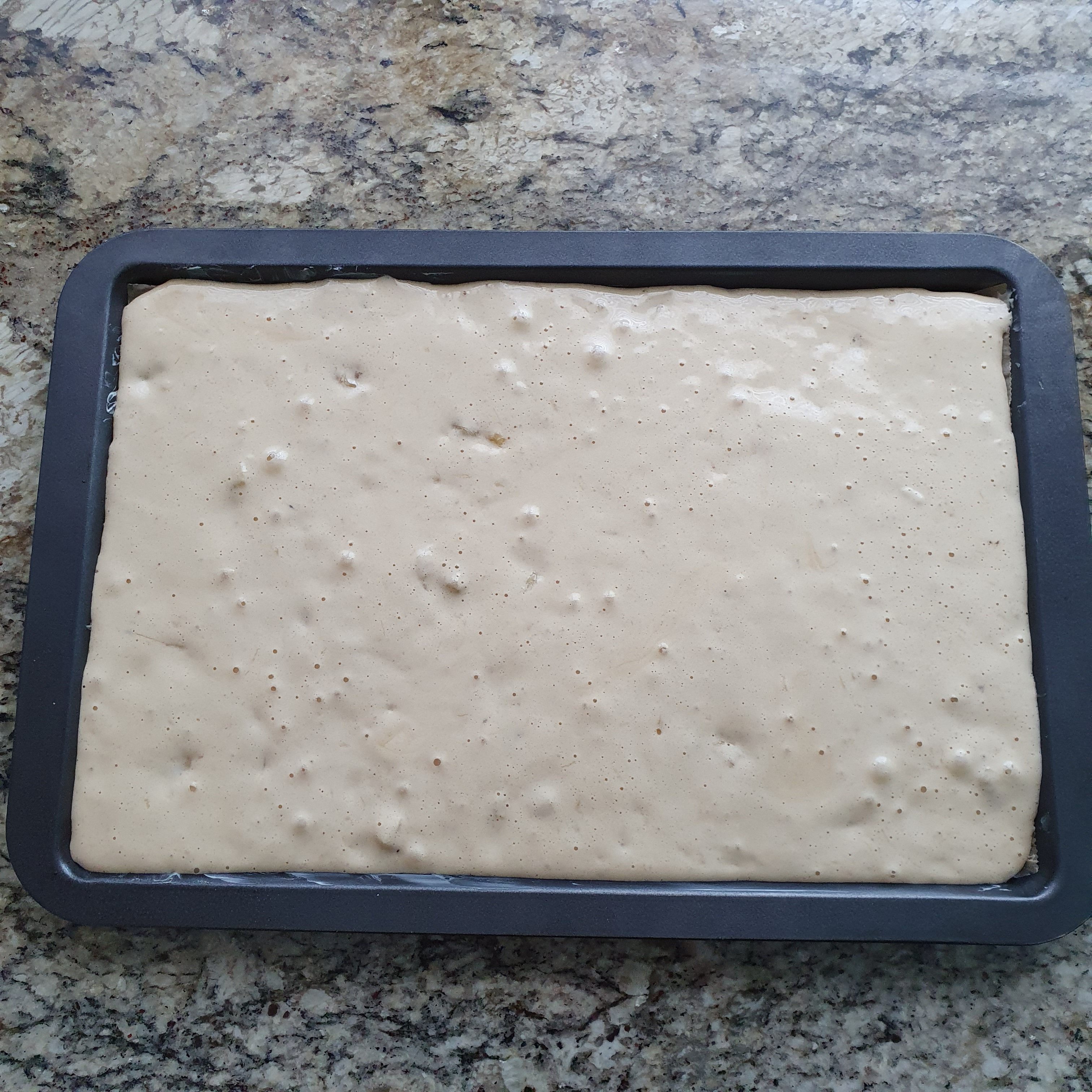
Pour the mixture over the drawing and carefully smooth with a spatula. Bake for about 20-25 minutes at 180 degrees or until done.
Once baked, you need to act quickly. Place a layer of baking paper on the tray and carefully turn the cake base over.
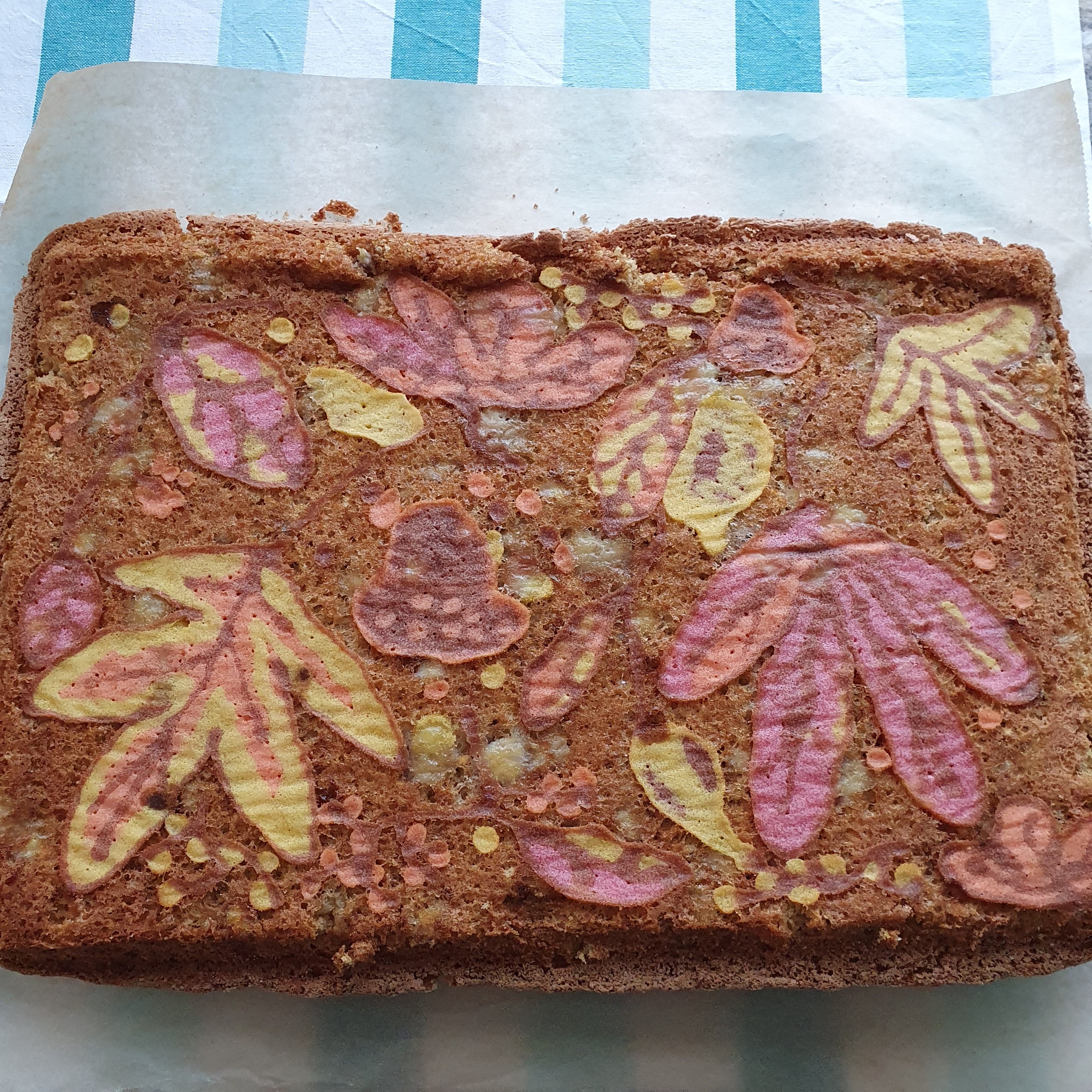
Lay a towel and sprinkle it with powdered sugar, sprinkle with powdered sugar and the painted side of the cake base.
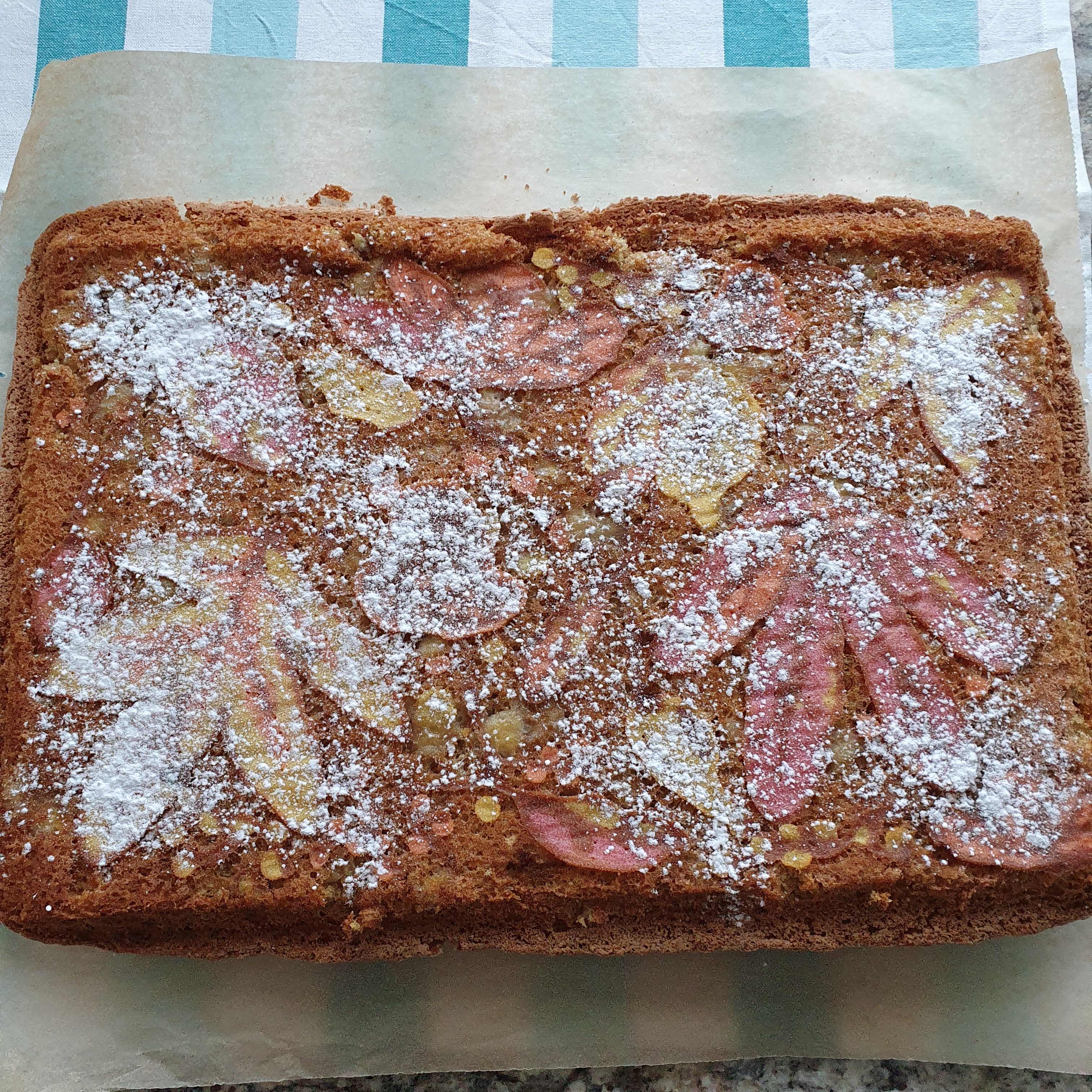
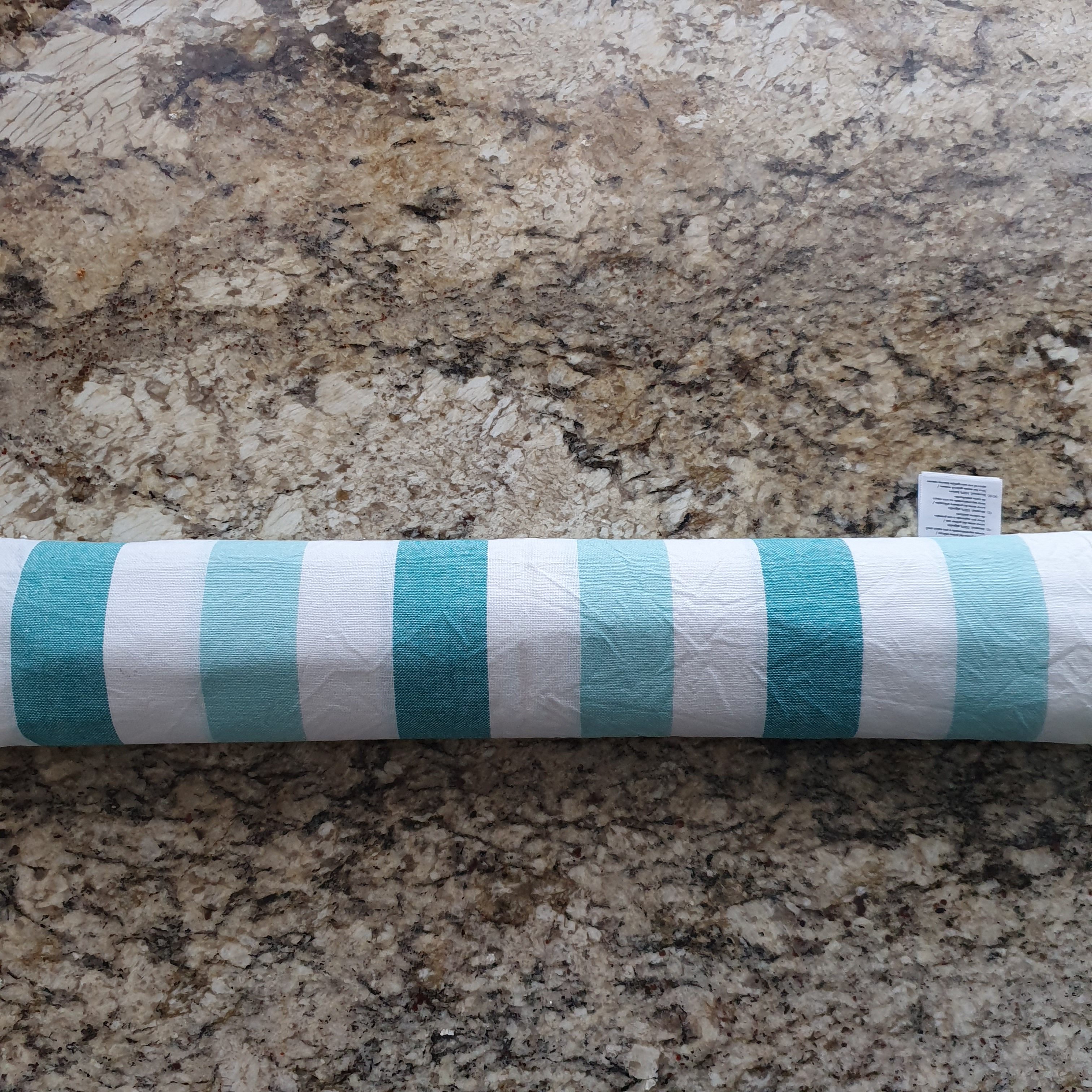
Put the cake base with the painted side down. Sprinkle with powdered sugar and the unpainted side and slowly roll the cake base with a towel.
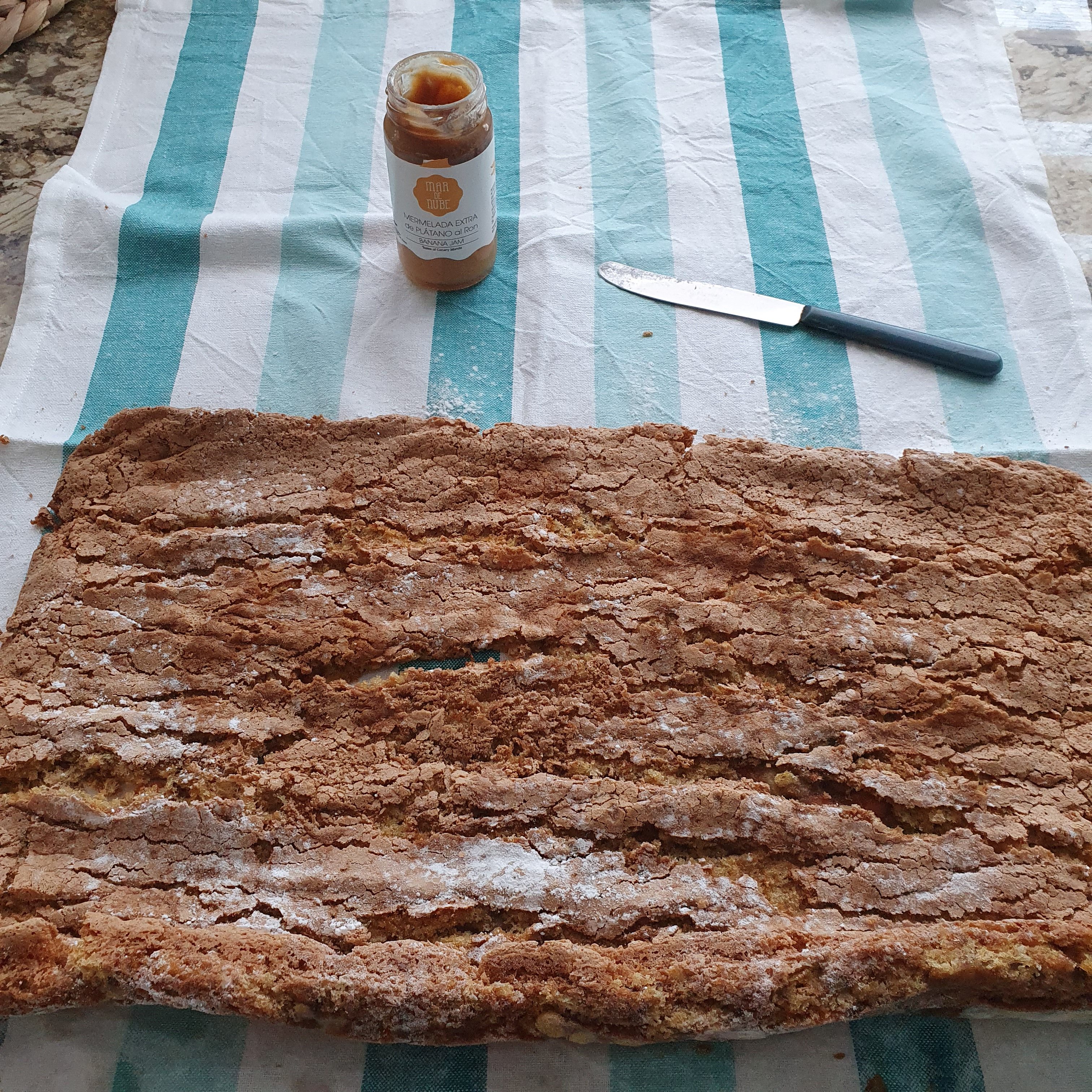
When cool, gently unroll the roll. You can help yourself with the blunt part of a knife if it is stuck somewhere. Spread with banana jam and roll again.
The cake roll turned out great in taste. It is both tender and fluffy, and there is some crunchiness of a kiss. If I had more jam than bananas, I would put it in, but even that amount was enough to make the roll juicy. You can also make a cream filling with cream cheese, cream, mascarpone… They will all fit the marsh as a taste. If you add Christmas spices – cinnamon, ginger and pumpkin puree instead of bananas, here’s a Christmas cake. For the first time I make a roll. There is still much to be desired for a perfect result, but I will definitely try again – and paint better and experiment with tastes. 🙂 It is not that difficult and with more experience much more could be achieved as a presentation. I made a mistake – I drew too large leaves at the end of the cake base. When I winded up it they broke slightly and this worsens the look, but next time I’ll know.
So much for Cape Verde. The islands that moved in my ToDo list (which is not very difficult in the meantime 😀). Because of nature, because of the food, because of its authenticity, because of the morna, because the world is so colorful and interesting that one life is not enough to feel and experience it.
Next destination – Kazakhstan.