
Nativity Island is the peak of an underwater mountain rising steeply to a central plateau that is mainly occupied by rainforest. Geologists believe that about 60 million years ago, the cone of an underwater volcano surfaced, forming a basin, on which a coral atoll then began to form. More than 20 million years ago, the atoll slowly sank and the limestone was deposited as the coral began to accumulate. Ten million years later this process stopped and the island began to emerge from the sea in a series of uplifts. Each of the island terraces was formed by fringing reef development and sea cliff erosion before being uplifted. The lagoon drains and the central plateau is formed. Its 80km coastline is dominated by an almost continuous sea cliff, but gives way to some shallow bays and a series of small and impossibly beautiful sand and coral beaches. The largest of these bays forms the only harbor on the island, Flying Fish Cove. The island is surrounded by a narrow fringing coral reef. There is virtually no coastal shelf and the sea descends to a depth of about 500 meters within 200 meters of the shore. 😮 They say that the Australian territory of Christmas Island is the Galapagos of the Indian Ocean. It’s natural beauty, dramatic coastline and incredible wildlife. Being able to sit under a waterfall washing away your life’s cares amidst a stunning rainforest landscape is simply magical. This is just one of the many great natural experiences that can be had on this very special and unique island.

The colonization of the island happened because of the discovered phosphate deposits in the 19th century. It is the story of two men, George Ross and John Murray, and their quest to reap the benefits of phosphate with an imported Chinese, Malaysian and Sikh workforce who often worked under appalling conditions. Great Britain conquered the island on behalf of Queen Victoria, but in 1946 it was placed under the jurisdiction of the Crown of Singapore. In 1958, Great Britain transferred sovereignty to Australia, and the Island became an Australian territory. During World War II, the island was occupied by the Japanese for its phosphate deposits.
In 1990, David Attenborough made a film on Christmas Island about the migration of red crabs. An estimated 40 to 50 million bright red land crabs live in shady spots across the island, and each year, with the first rains of the wet season, they begin their merry march across the island to the ocean to breed – swarming along roads, streams, rocks and beaches and look like red blankets. The migration (which can happen anytime between October and January) is the island’s biggest tourist attraction, but if your visit doesn’t coincide, rest assured you’ll still see crabs. Many of them. 🙂
The population includes many ethnic Chinese, a small number of European descent, and Malay workers recruited primarily from Malaysia, Singapore, and the Cocos (Keeling) Islands. Most of the island’s residents have traditionally been employees of the phosphate mining company (owned by the Australian government until 1987 and privately operated since 1990). The economy was long based almost entirely on phosphate mining, but this began to change in the early 1990s. With phosphate reserves almost depleted, efforts are being directed towards tourism development. A few crops are grown and fishing is developed, but most food is imported.
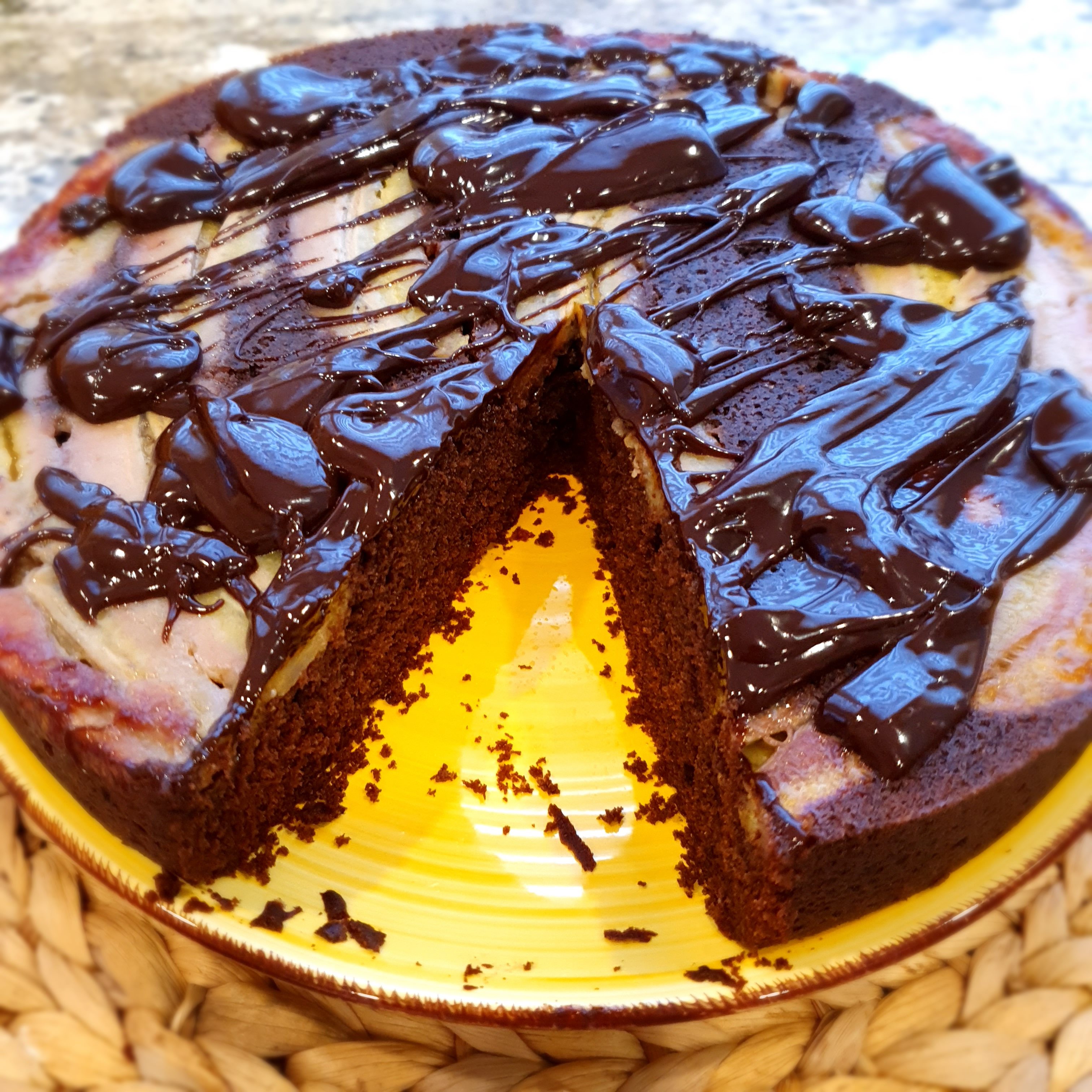
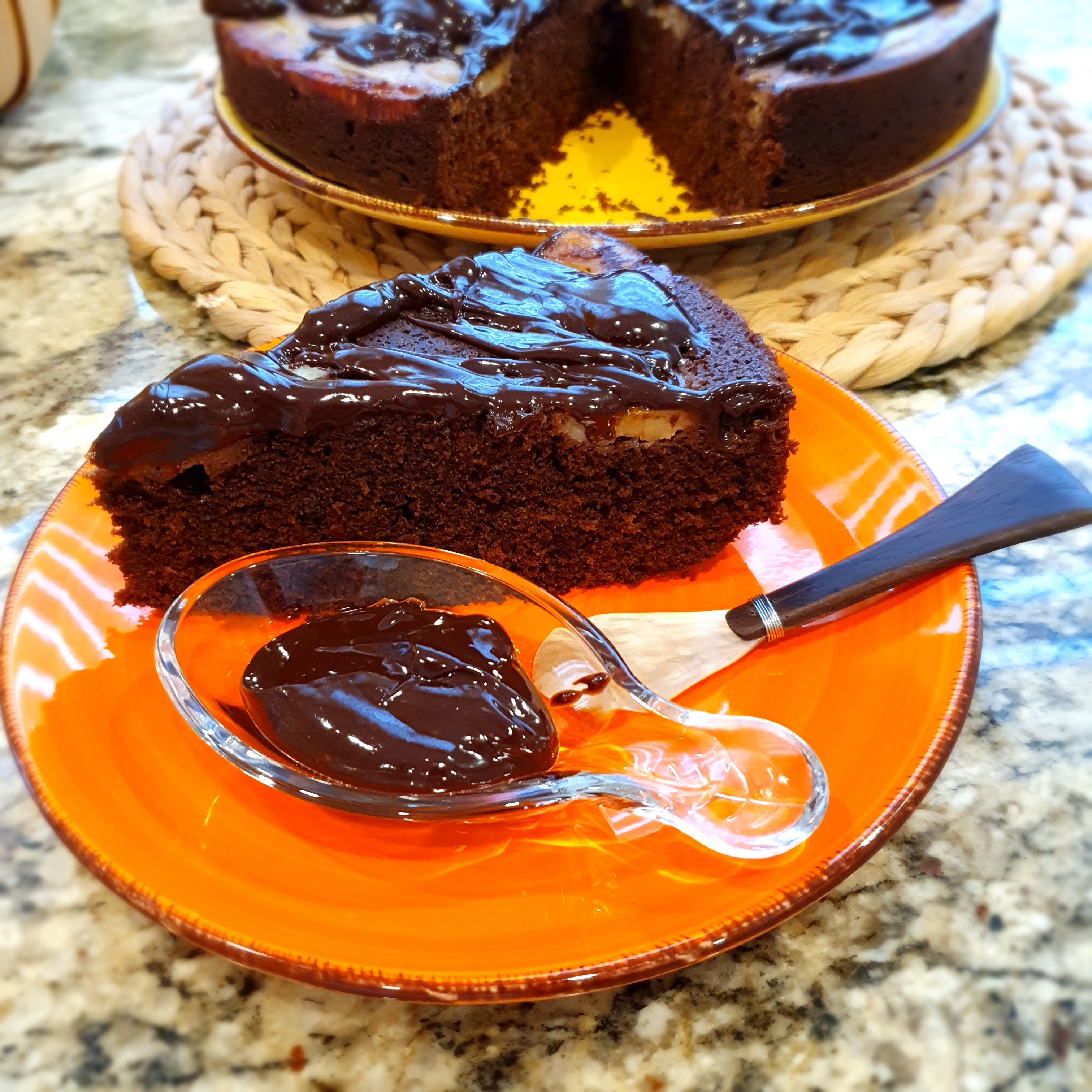
You understand yourself that with a population of 2000 on the island, we can’t talk about any culinary traditions, and looking for cake recipes is a bit funny. Therefore, I did not waste time in such a search, but I prepared for you an Australian cake – “Upside down banana chocolate cake”. Here are the necessary products:
for the base:
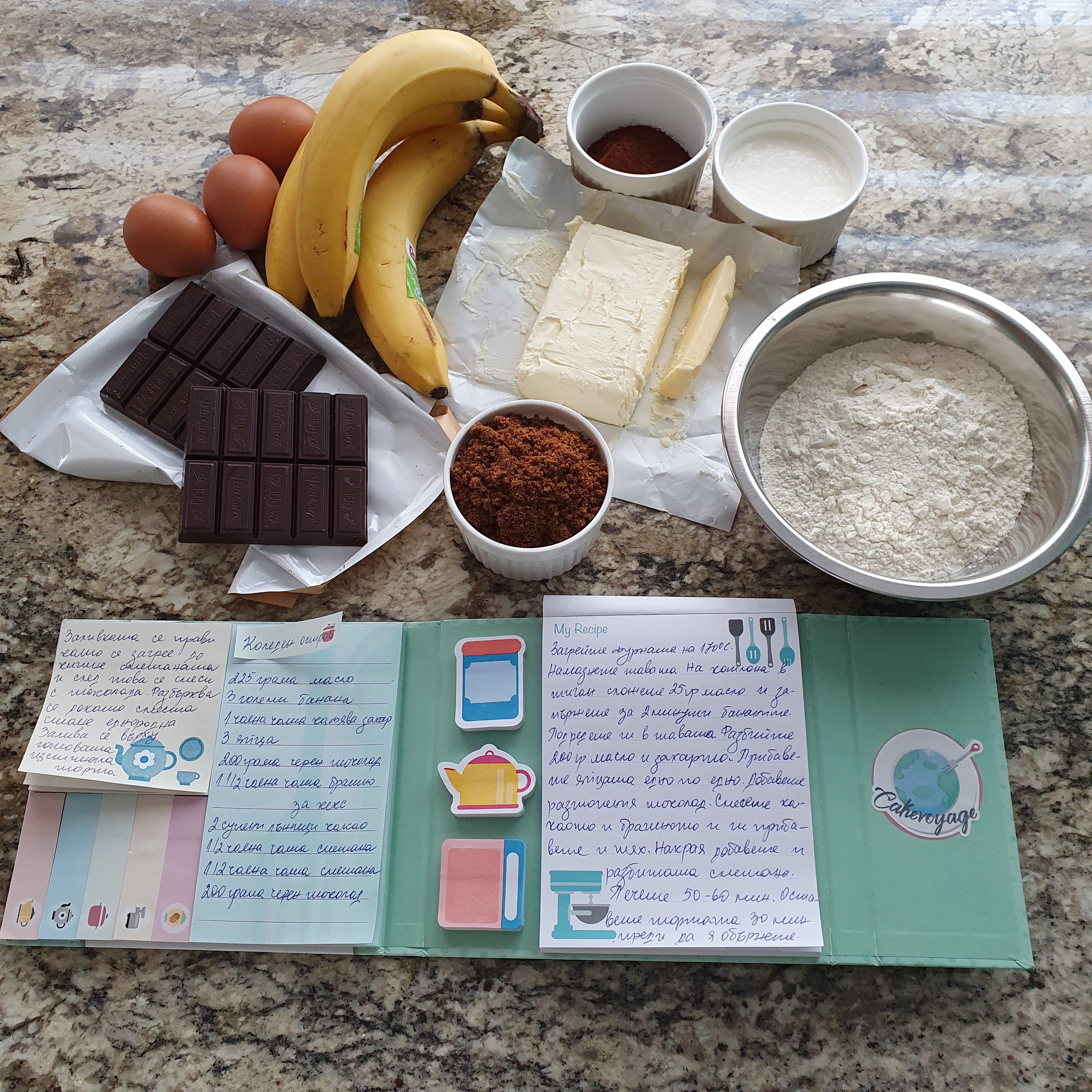
225 grams of butter
3 large bananas
1 tea cup of brown sugar
3 eggs
200 grams of dark chocolate
1 1/2 tea cups self-raising flour (for cake)
2 tablespoons of cocoa
1/2 tea cup cream
for the chocolate sauce:
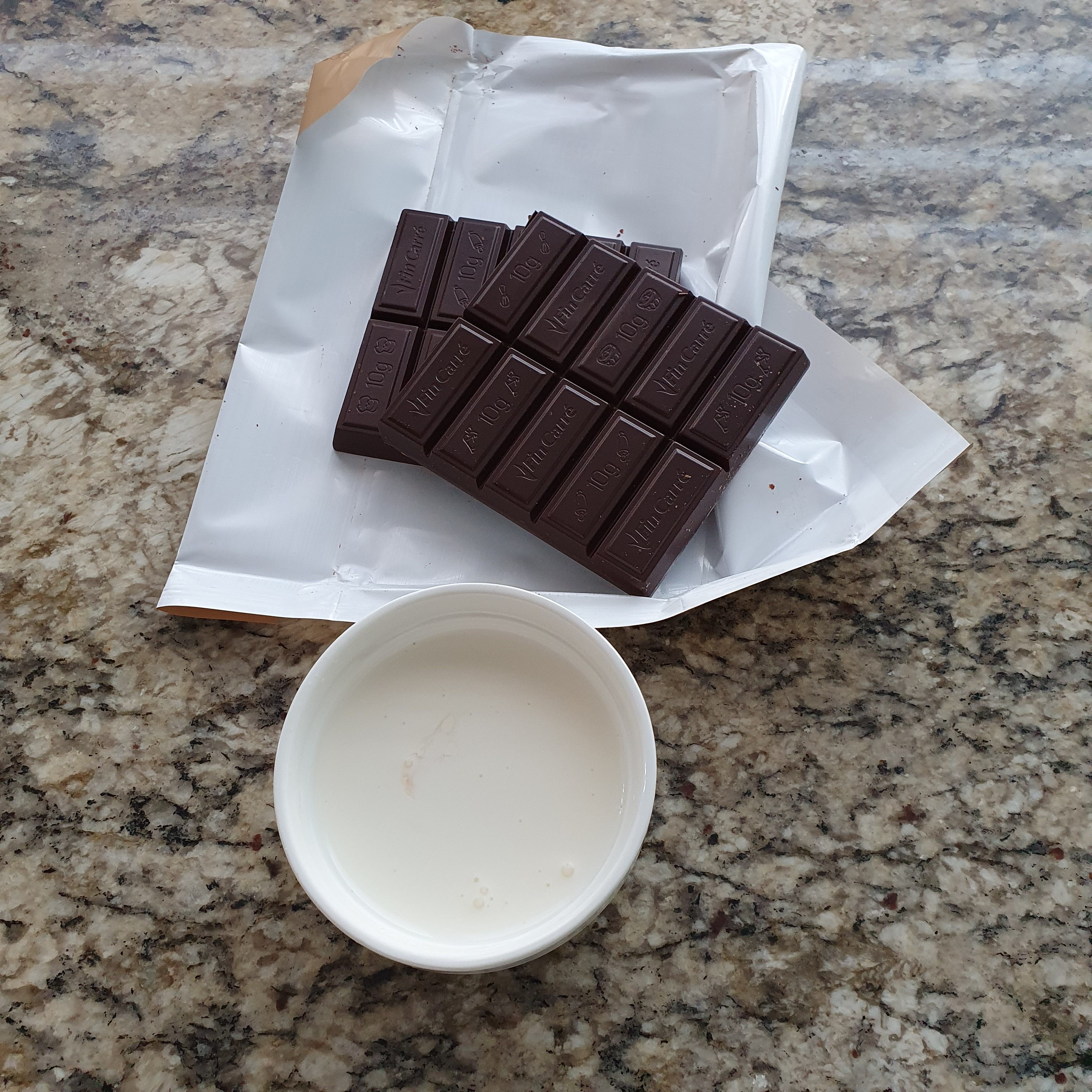
1/2 tea cup of cream
200 grams of dark chocolate
Steps of preparation:
Put 25 grams of butter in a pan. Cut the bananas in half lengthwise and place them in the pan.
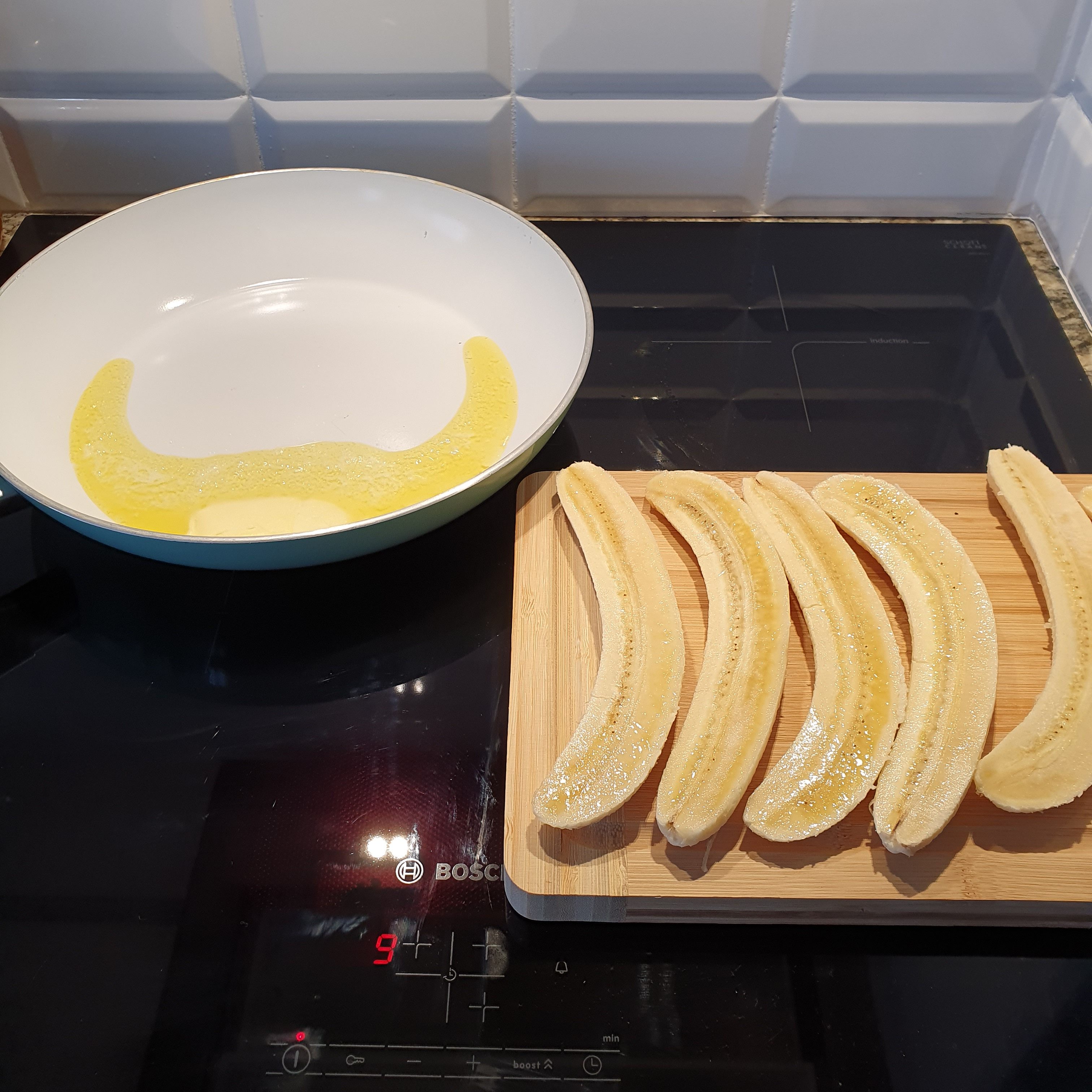
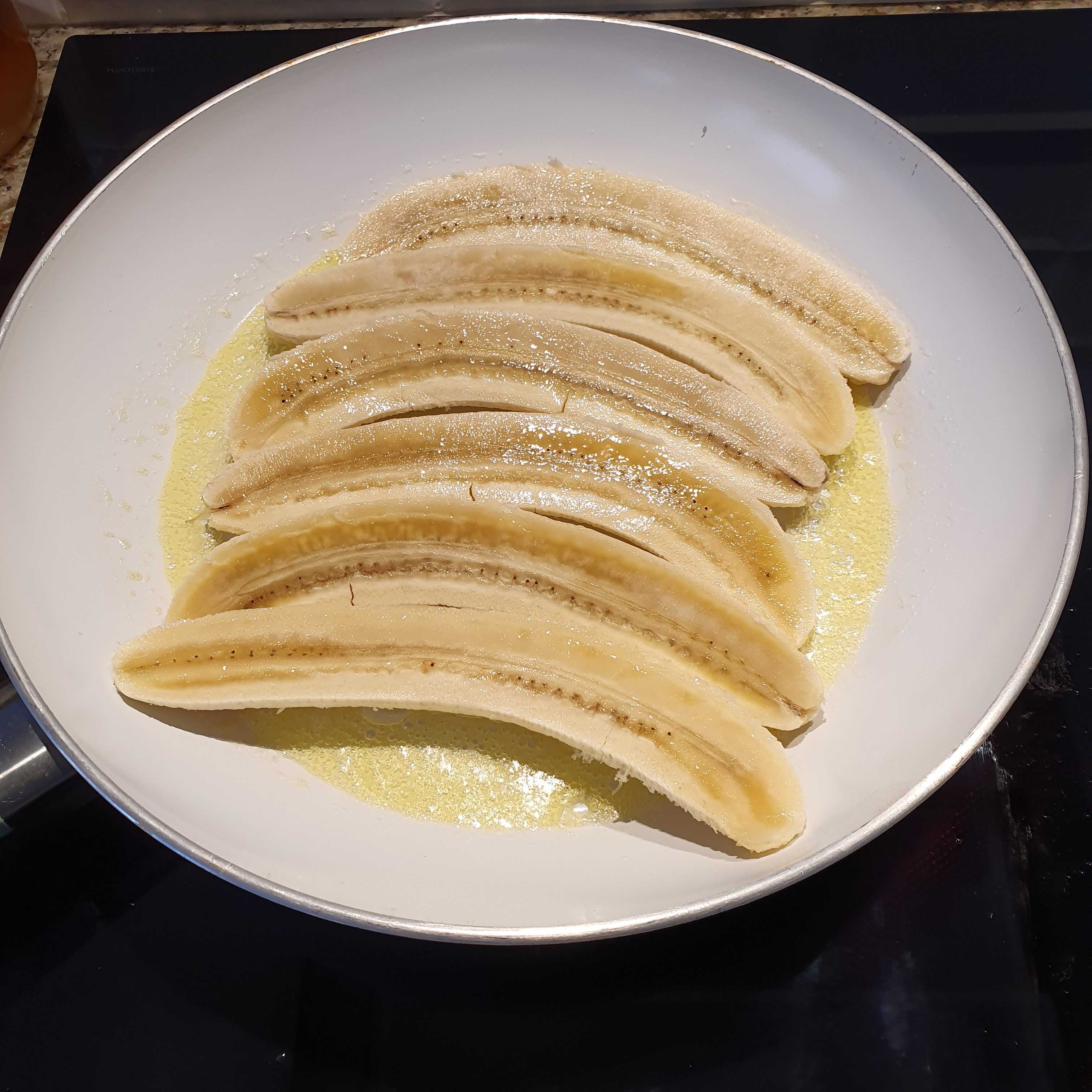
Fry on one side for 1 minute, then flip and let the slices fry for 30 seconds. Don’t overdo it or they will fall apart.
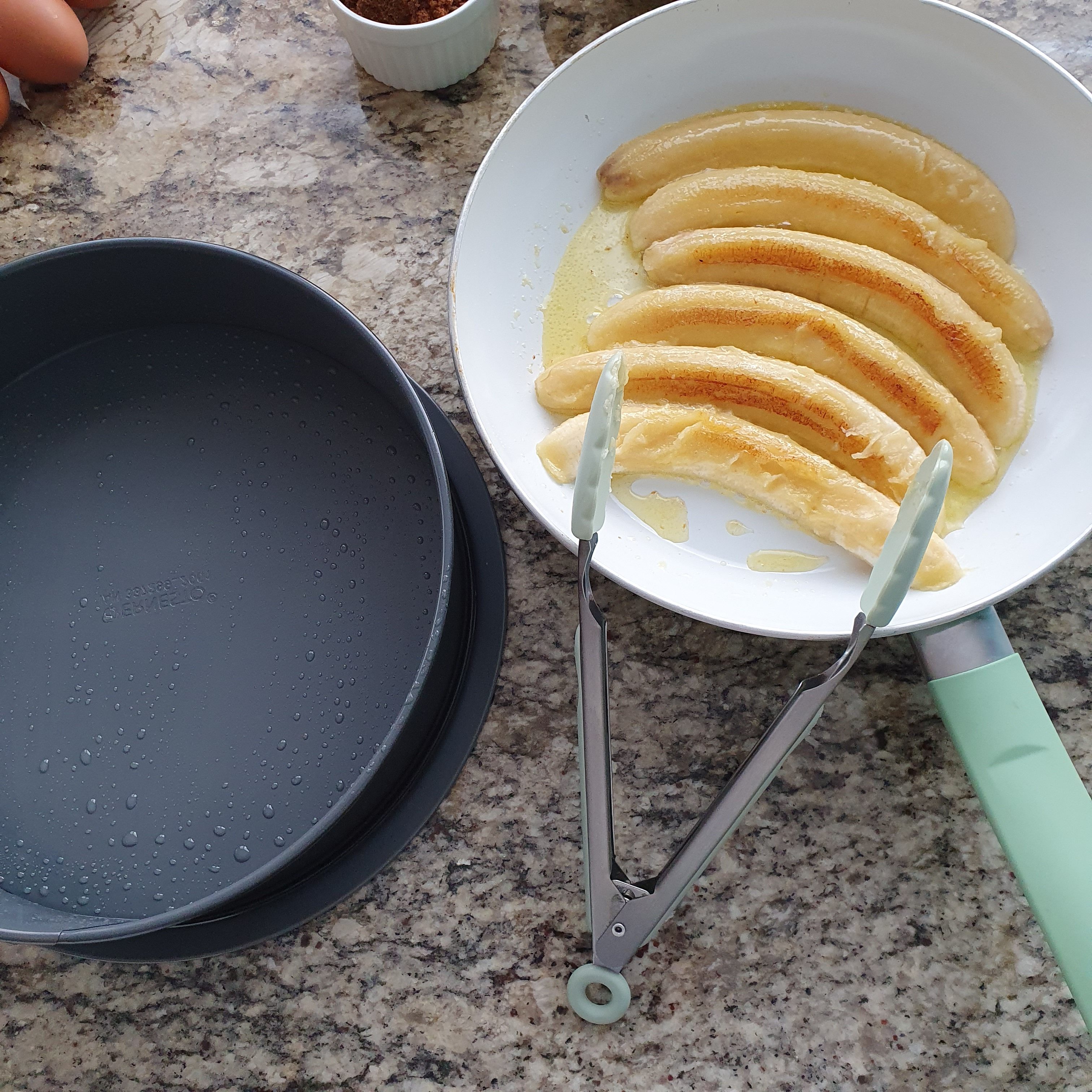
Heat the oven to 170 degrees. Grease a 22 cm diameter pan and arrange the bananas. Beat the butter with the brown sugar. Add the eggs one at a time. Separately mix the cocoa with the flour. Beat the cream and melt the chocolate in a water bath.
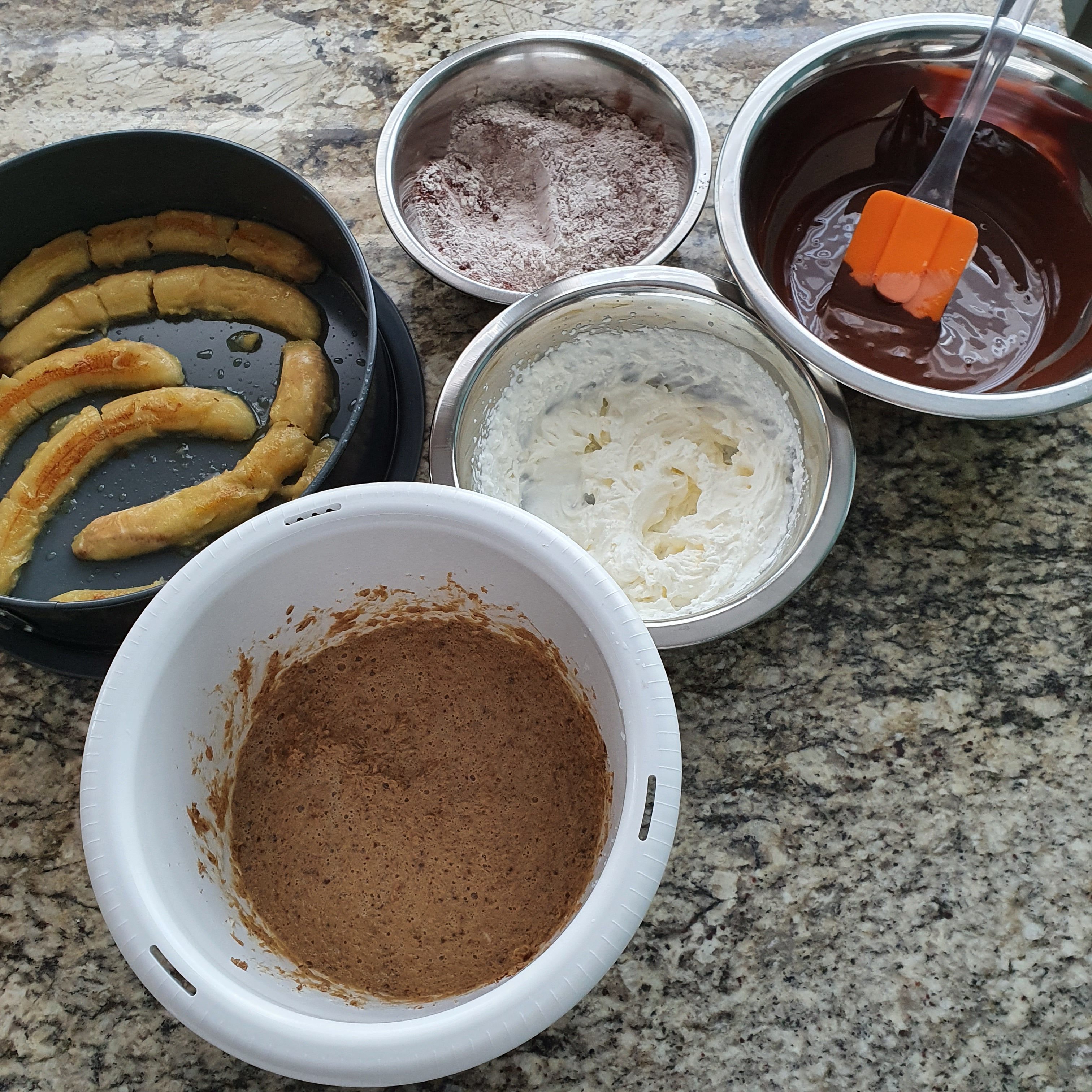
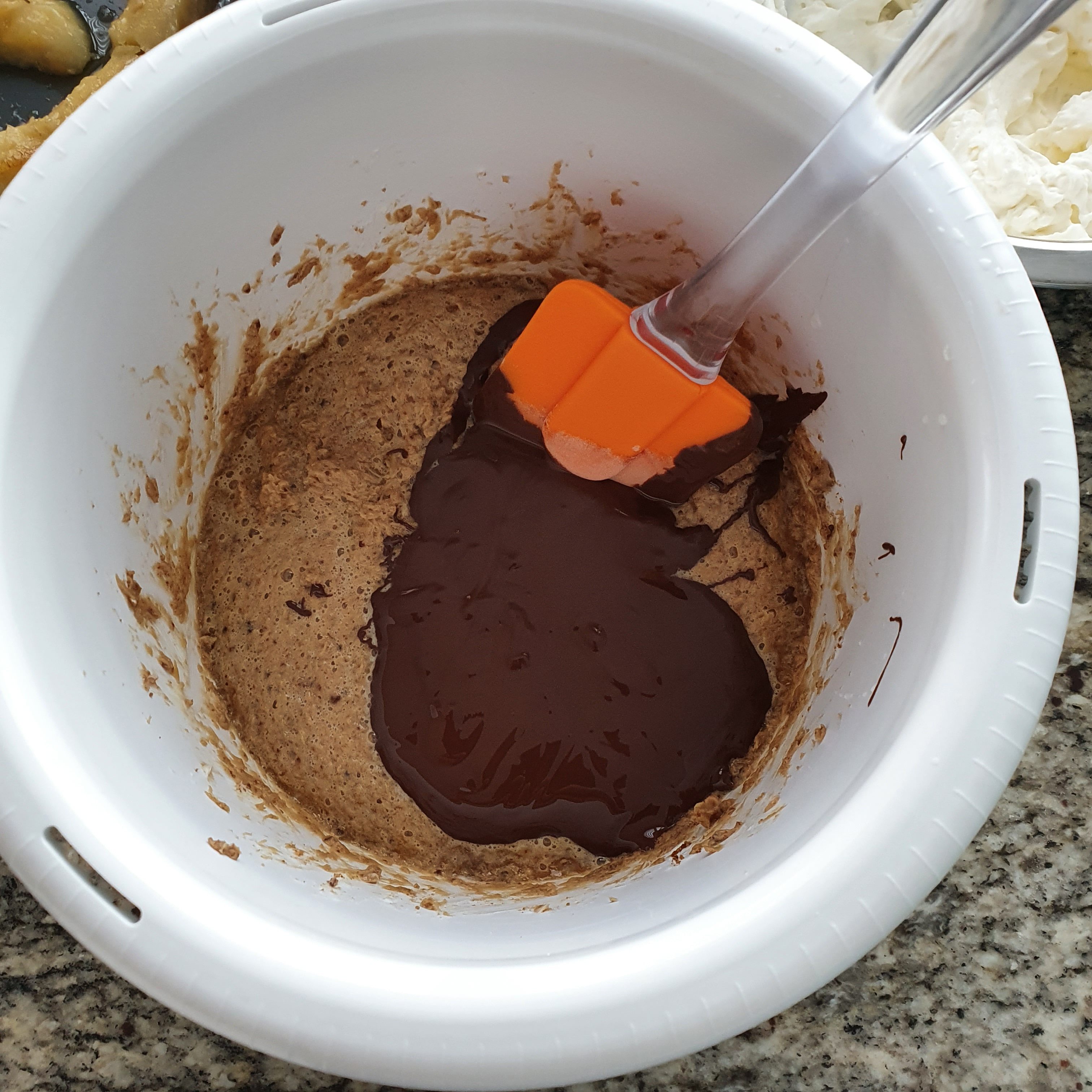
Add the melted chocolate to the mixture first.
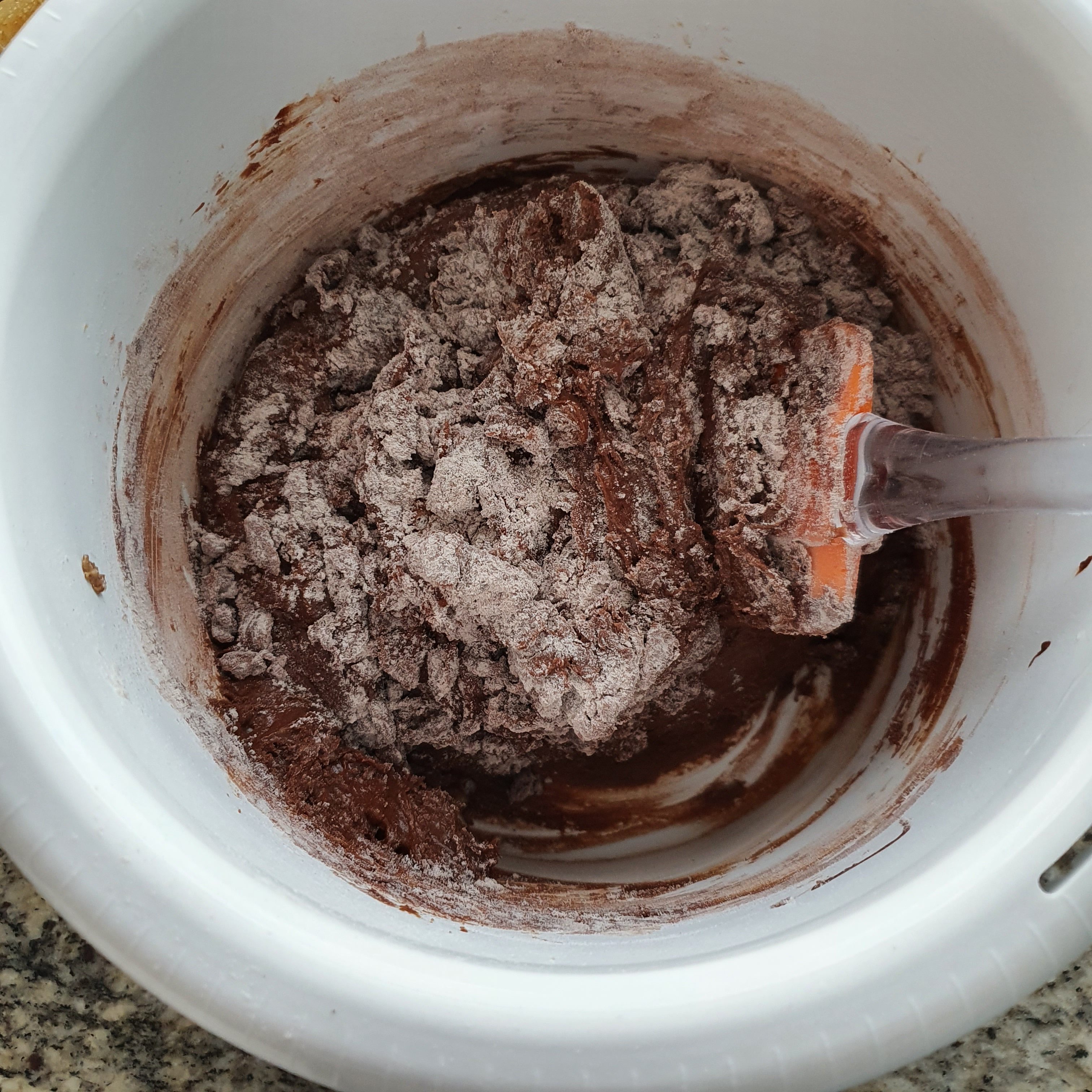
Then the flour mixture.
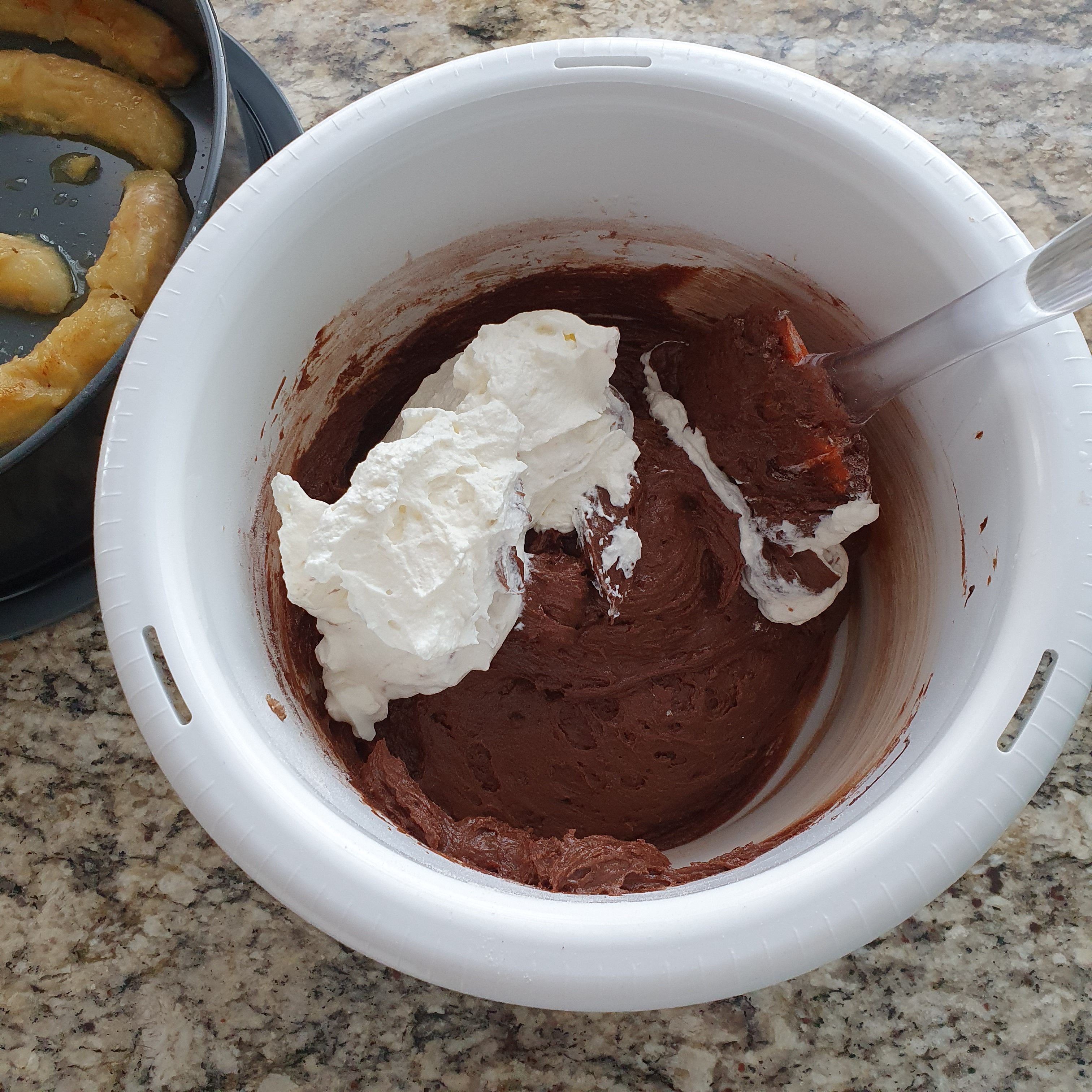
Finally, carefully add the cream and mix until smooth.
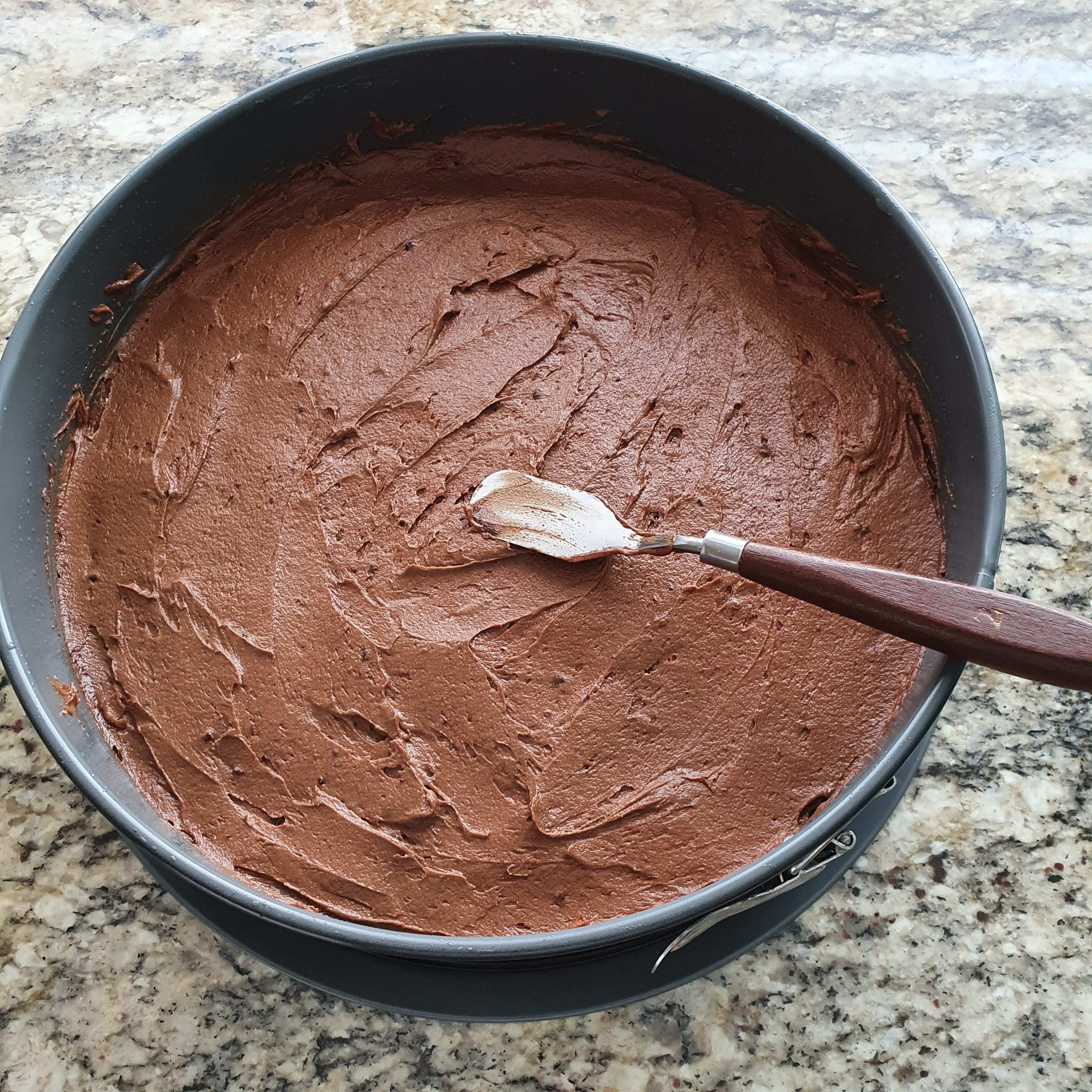
Pour over the bananas and smooth. I was gifted a set of arts and crafts spatulas that do a great job in baking. 🙂
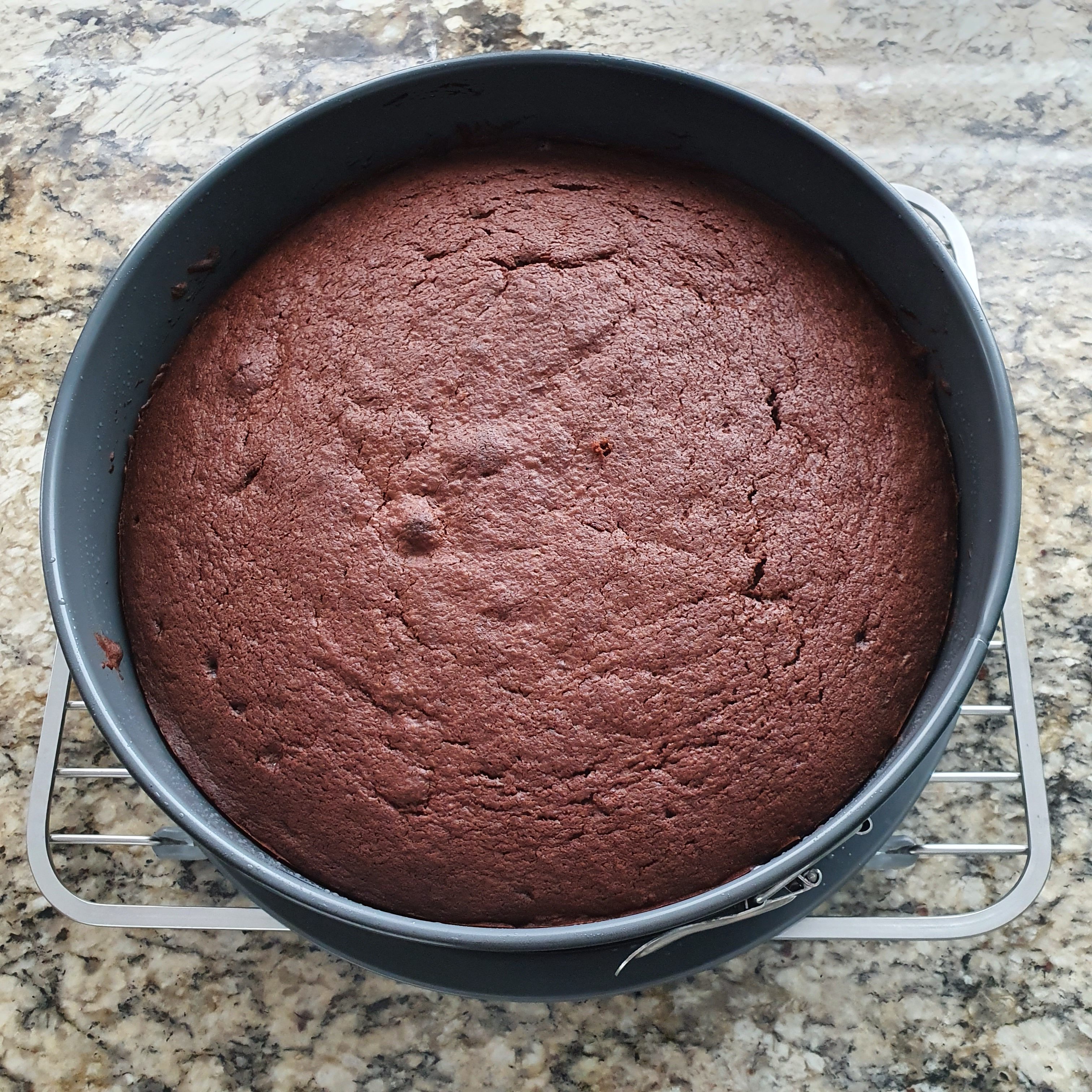
Bake for about 50 minutes or until done. Remove the tray from the oven and leave it for at least 30 minutes before doing the next step.
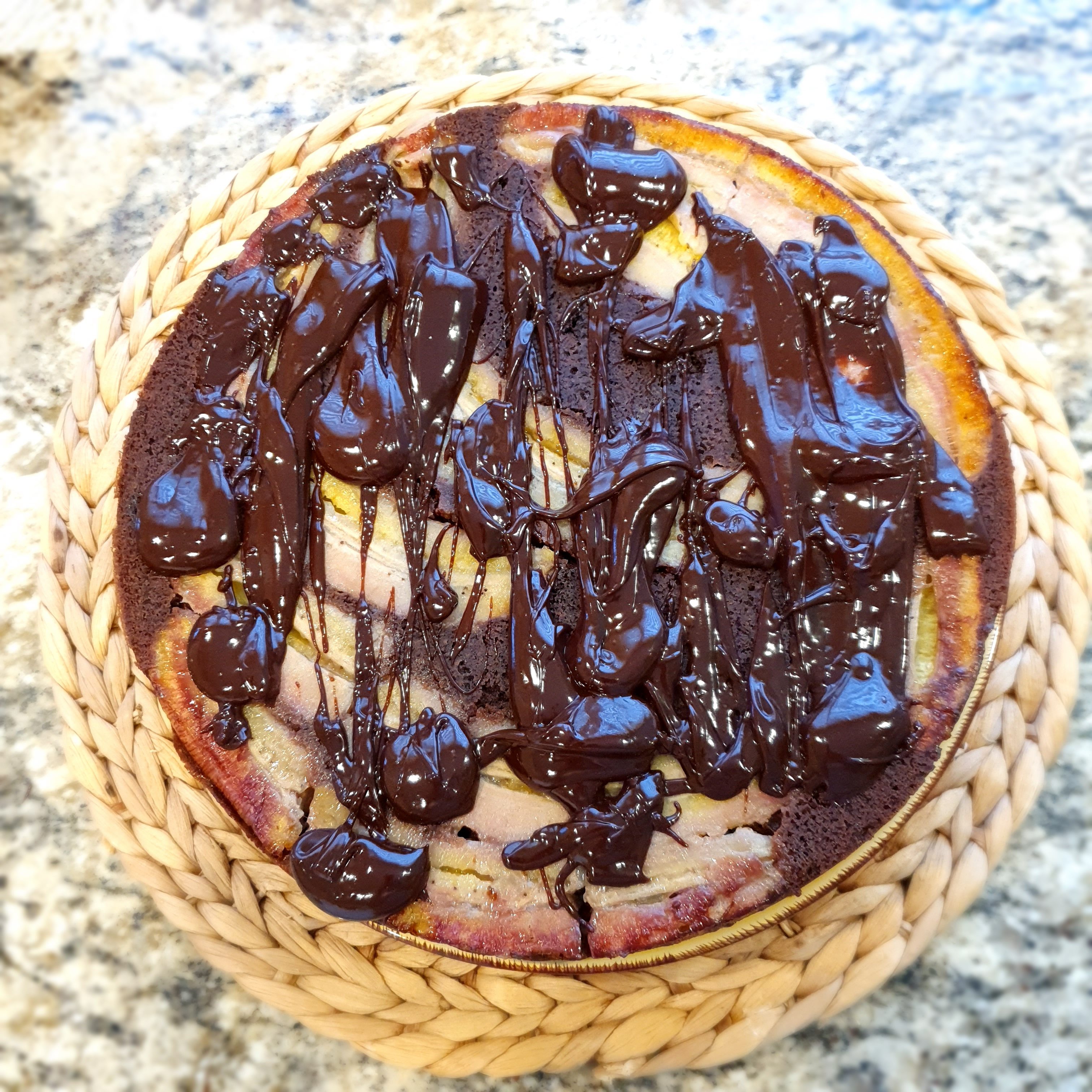
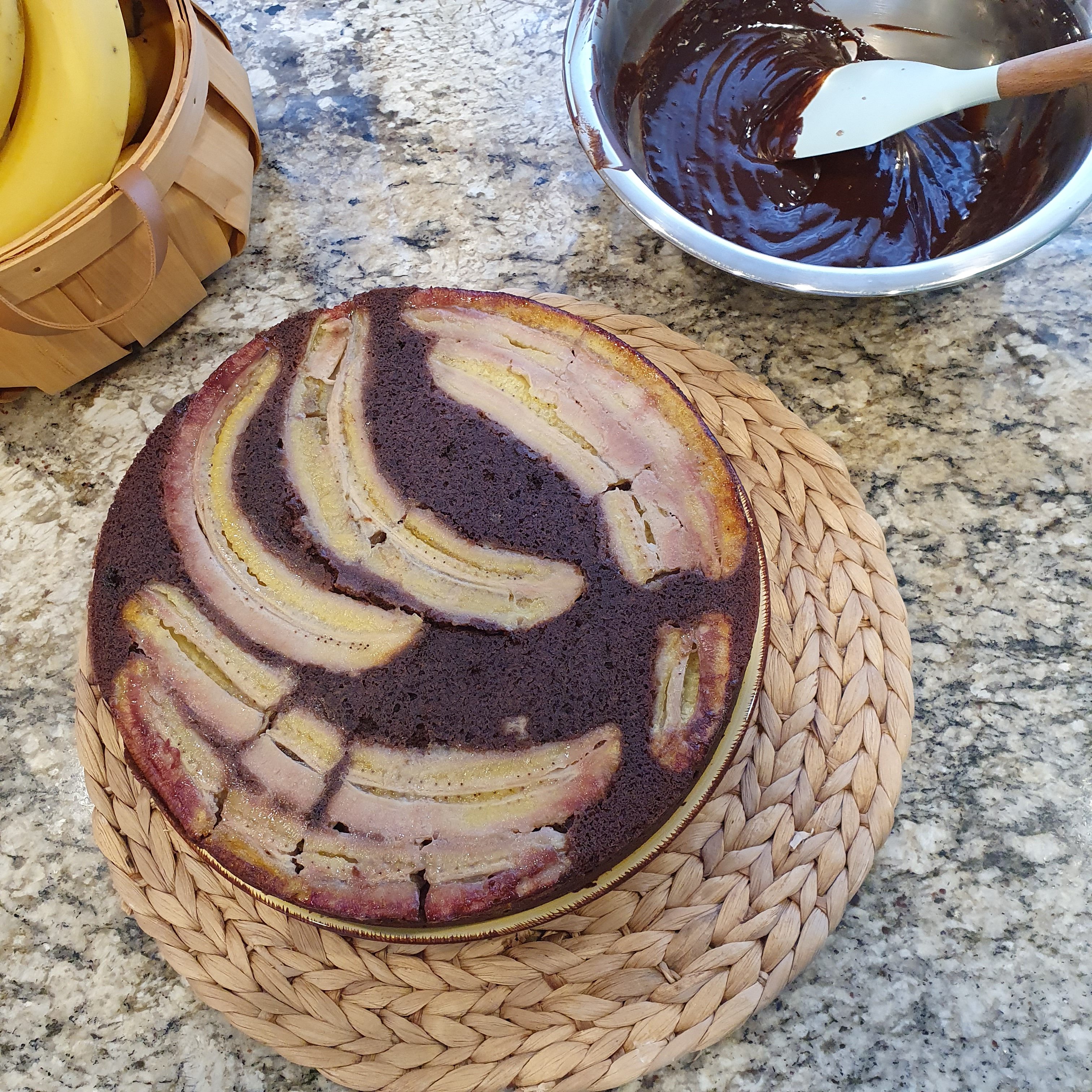
Turn the cake onto a serving plate. Make the chocolate sauce by putting the cream on the stove to boil and pouring it over the chocolate. Blend until smooth and sprinkle loosely over the bananas.
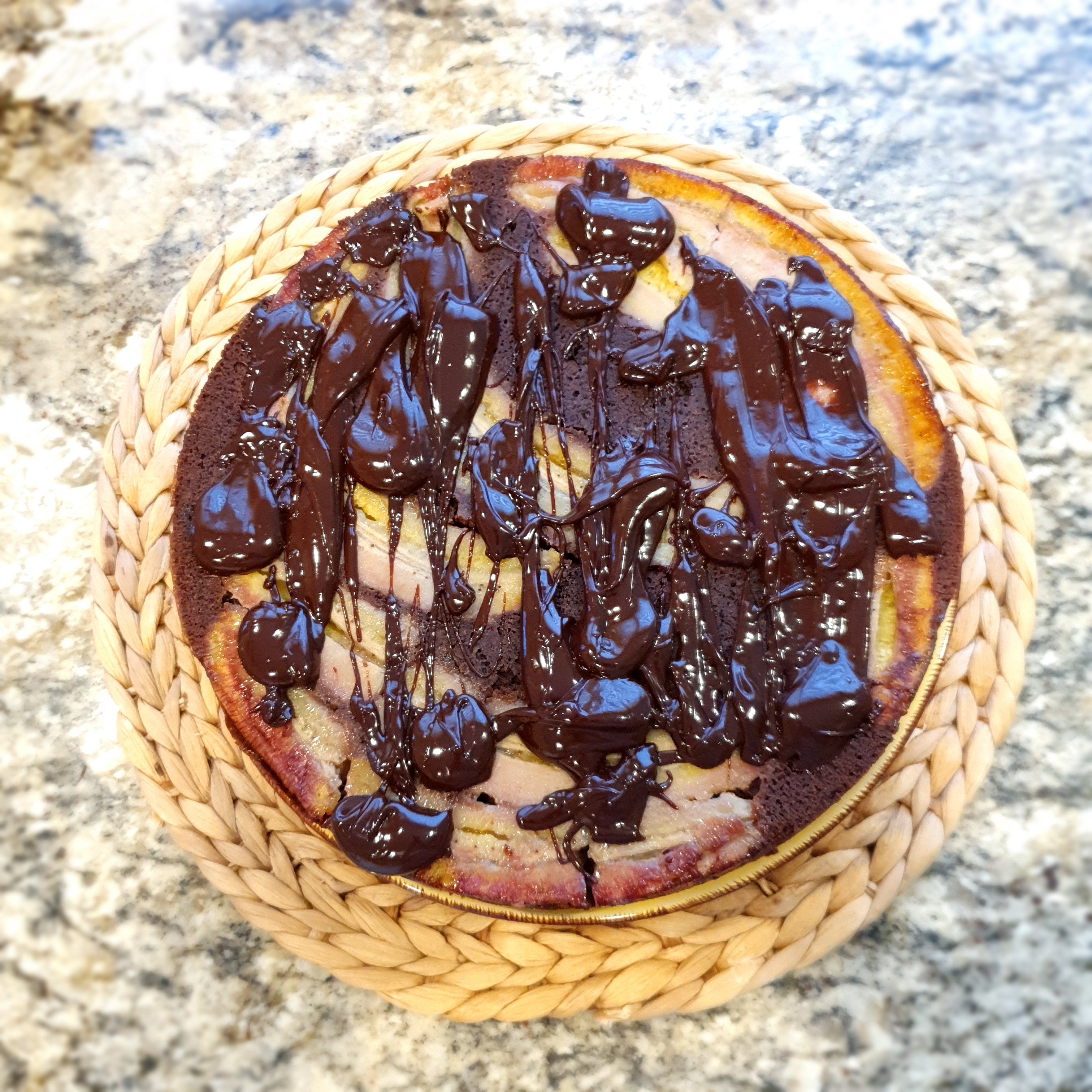
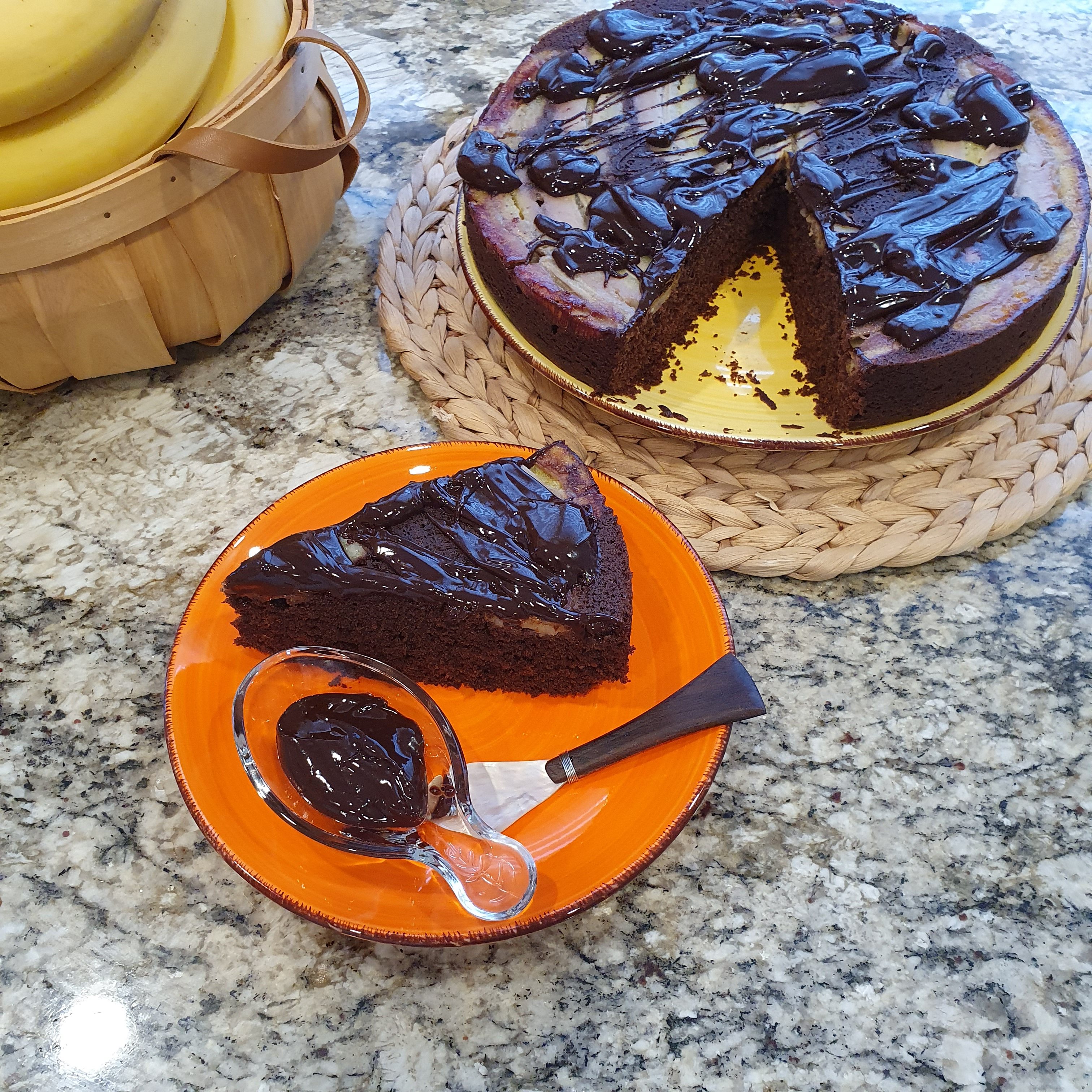
Yesterday and today are two nice holidays – Antonov’s day and Athanasov’s day. May all namesakes be alive and well. May they be very happy. Last night we all treated ourselves to this Aussie treat for our namesake at home. Rich chocolate flavor but generally a slightly dry cake. I would change the topping to be more creamy and thinner so that it soaks into the marshmallows. Try it yourself.
Next destination – Colombia.

