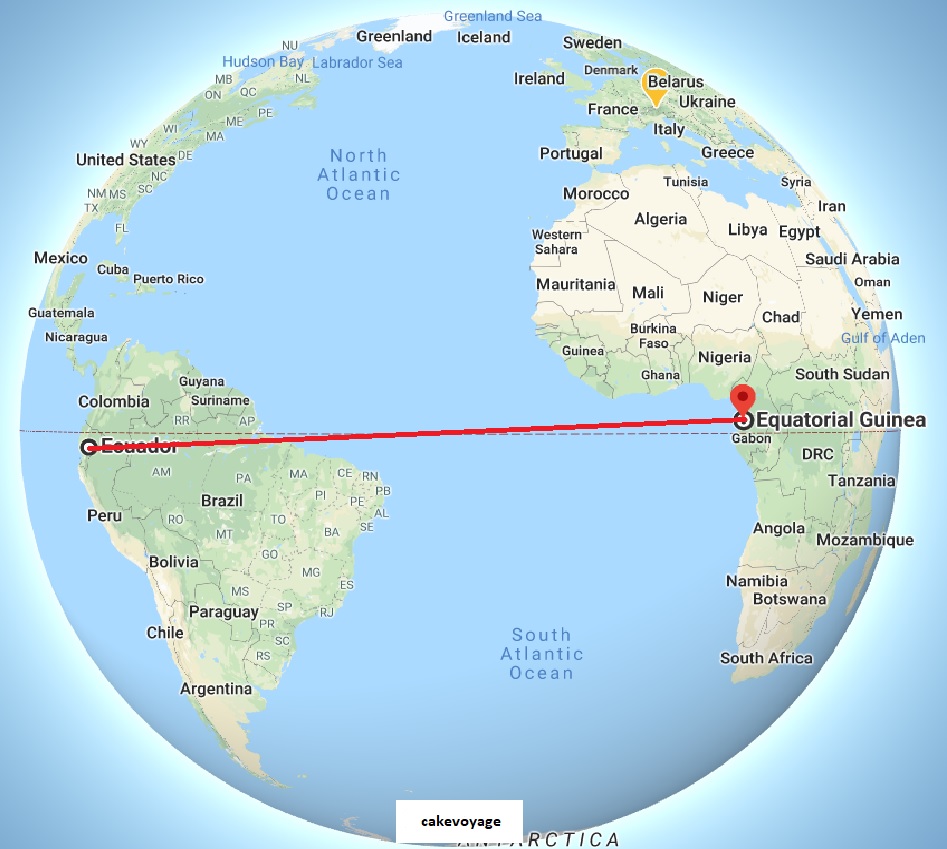
If you are a fan of bananas (like me 🙂), you have probably heard of Ecuador – the main supplier of this fruit in the world. It is located in South America and includes the world-famous Galapagos Islands with its stunning fauna and beauty. They are about 1000 km from the mainland.
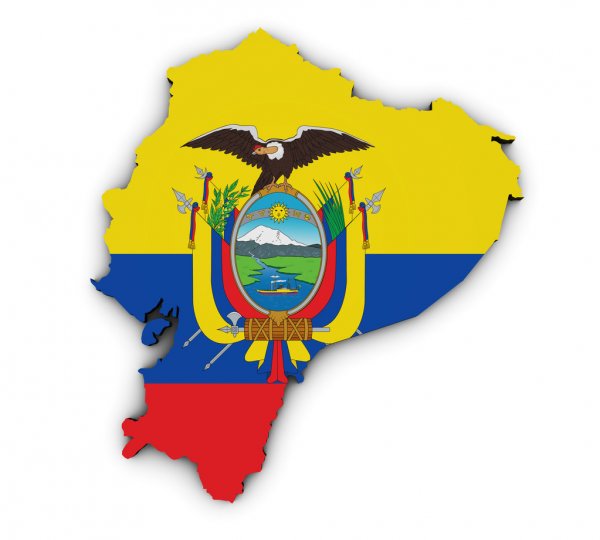
The name of the country speaks for itself. The main attraction in Ecuador is the Mitad del Mundo or in other words – the monument of the zero parallel. This landmark is located 300 meters from the equator. And while scientists continue to argue about the exact location of the covenant line, local authorities are in every way enticing tourists to visit both the official and alternative points. Ecuador is home to the world’s highest active volcano, Cotopaxi. The most important eruption (but not the most powerful) of Cotopaxi occurred in 1532 and coincided with the appearance of the Spanish conquistadors in Ecuador. This event strongly influenced the local Indian tribes. Even the Incas considered the Spaniards to be messengers of the gods, and this is one of the explanations why they did not initially offer any resistance. The territory of the country is one of the most seismically active zones in the world. At least two earthquakes with a magnitude of more than 4 on the Richter scale occur in a year. If you count the ones that happen underwater, they reach several tens a day! In Ecuador, you can be sentenced to up to 8 years in prison for drug trafficking, but that doesn’t stop you from growing coca plantations and even making coca honey. 😮
If you decide to try Ecuadorian cuisine, you should visit Quito. In the central market of the city there are many stalls selling ready-made food, which is traditional such as empanadas and lokro de papa – Ecuadorian potato soup. You must also try tres leches, which is a very tasty local dessert. I have already prepared it for you for Albania. 😉 The local cuisine is very diverse due to the areas with different altitudes. In the mountains you can find pork, chicken, beef and kui – guinea pig meat. Meat is served with foods rich in carbohydrates, such as rice, corn and potatoes. A common dish on the street in the upper mountains is the tornado – this is a roasted whole piglet served with potatoes. Among the many Ecuadorian dishes you can find patakones – unripe plantain, fried in butter, then mashed and fried again, lyapingachos – potato cakes or seko de chivo – goat stew. For residents of mountainous areas in Ecuador, the most common food is guinea pig. In the southern mountainous areas the food is a little different. There they prepare soup with green bananas, roasted pork.
The great variety of fresh fruits can be found in the lower regions of the country. People along the coast eat more fish, while mountain people eat meat, potatoes, rice and white porridge. Among the dishes typical of the coastal area, you can find Ceviche, which is made in different ways, but its basis is seafood – fish, shrimp, etc., which is marinated in lemon juice and practically cooked that way. . I ate ceviche in Peru (they think they made it up there) and I don’t like it to tell you. They put too much coriander and the fish becomes bad to eat. See, seafood is more bearable. But this is not one of the dishes I like. In Ecuador, they also make bread marinated in lemon juice. The most popular dish on the beach is ensebolyado, consisting of large pieces of marinated fish, onions and a variety of spices. Plantain and peanuts are included in many of the dishes along the coast. The menu is usually two-course. First are the soups, which can be Aguado – a rare soup, usually with meat, or caldo de leche, which is a vegetable soup with cream. Then there are dishes that include rice or fish with menestra – lentil stew, or vegetable salad. Patacones are fried green bread rolls with cheese that are popular as a complement to coastal food. Some of the most typical dishes in the coastal area are ceviche, pan-de-almodon, corviche, encobollado, empanadas, and in the mountain area are – hormado, fritada, humaitas, tamale, llapingachos, lomo saltado, churrasco.
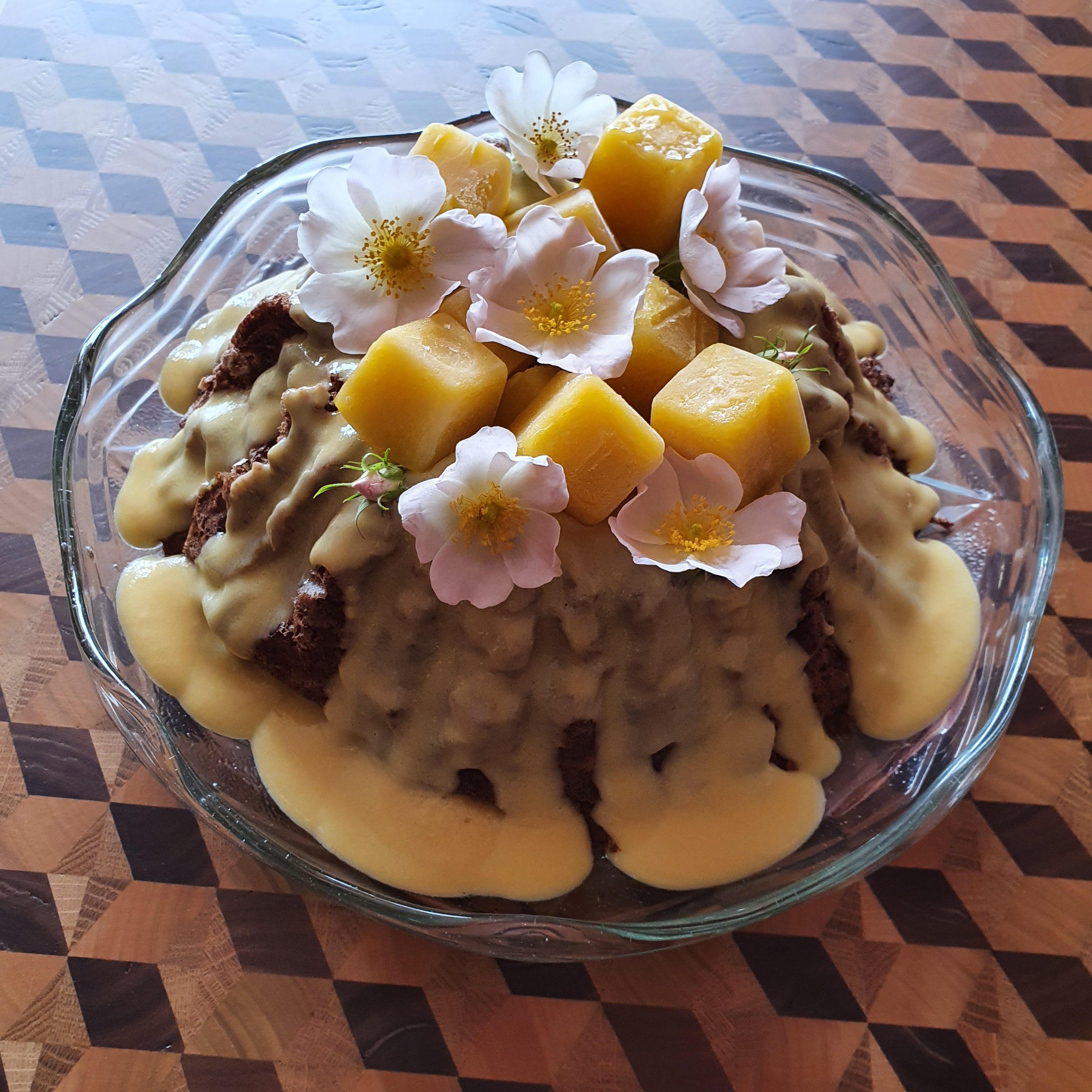
Although I read that desserts and coffee are popular in Ecuador, it was difficult for me to find a cake for this destination. I succeeded, but I had to modify the recipe in several places due to the lack of ingredients. I think I still managed to catch the taste of Ecuador chocolate sponge cake, coconut custard and passion fruit. I didn’t find the last ingredient and maybe I should have replaced it in the name with mango, but… anyway. I’ll write you the original recipe, noting the products I actually used as substitutes. Here they are:
For cake base:
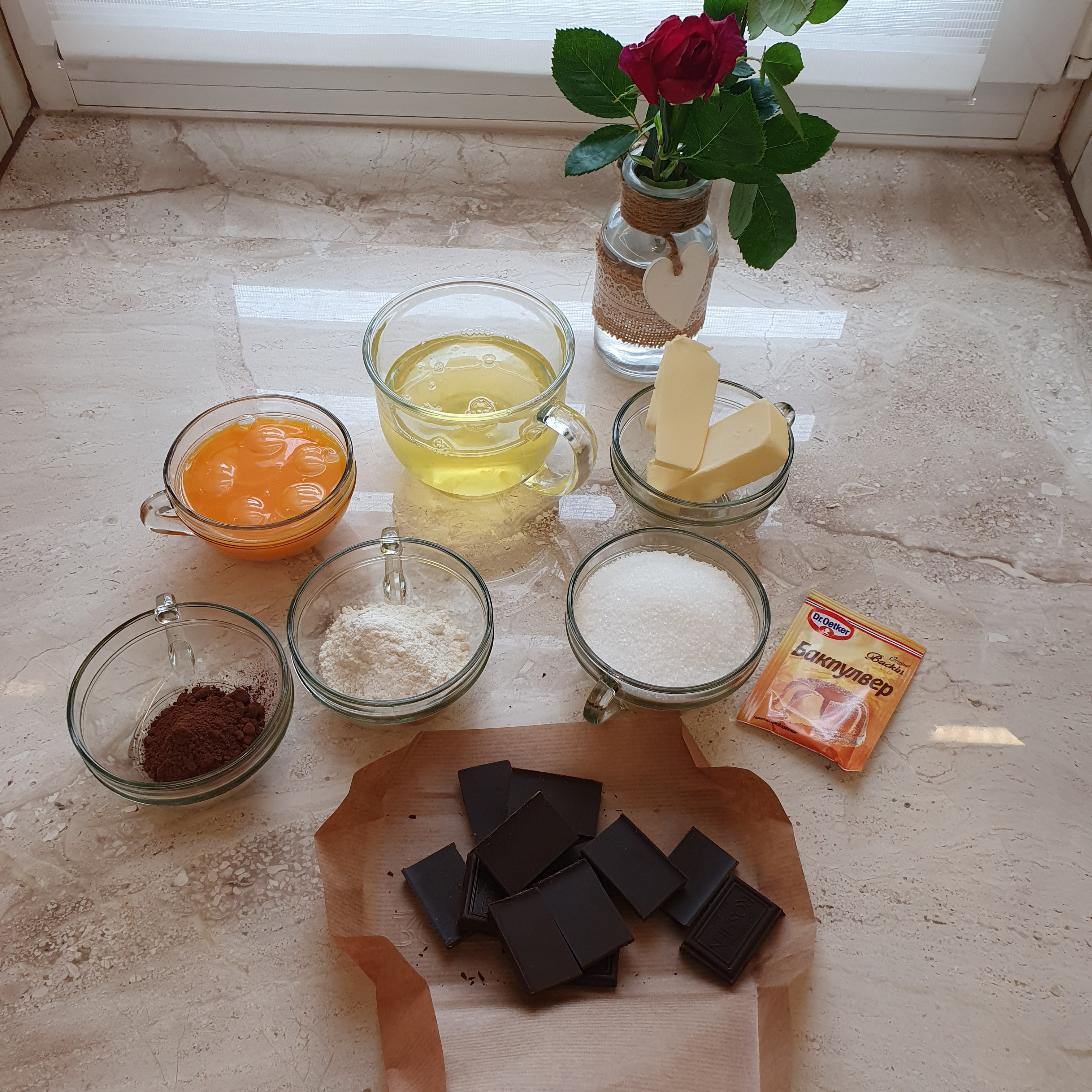
160 grams of egg yolks
250 grams of egg whites
160 grams of sugar
40 grams of flour
10 grams of cocoa
60 grams of butter
100 grams of dark Ecuadorian chocolate (70% cocoa)
1 baking powder (missing in the original recipe)
For the sauce:
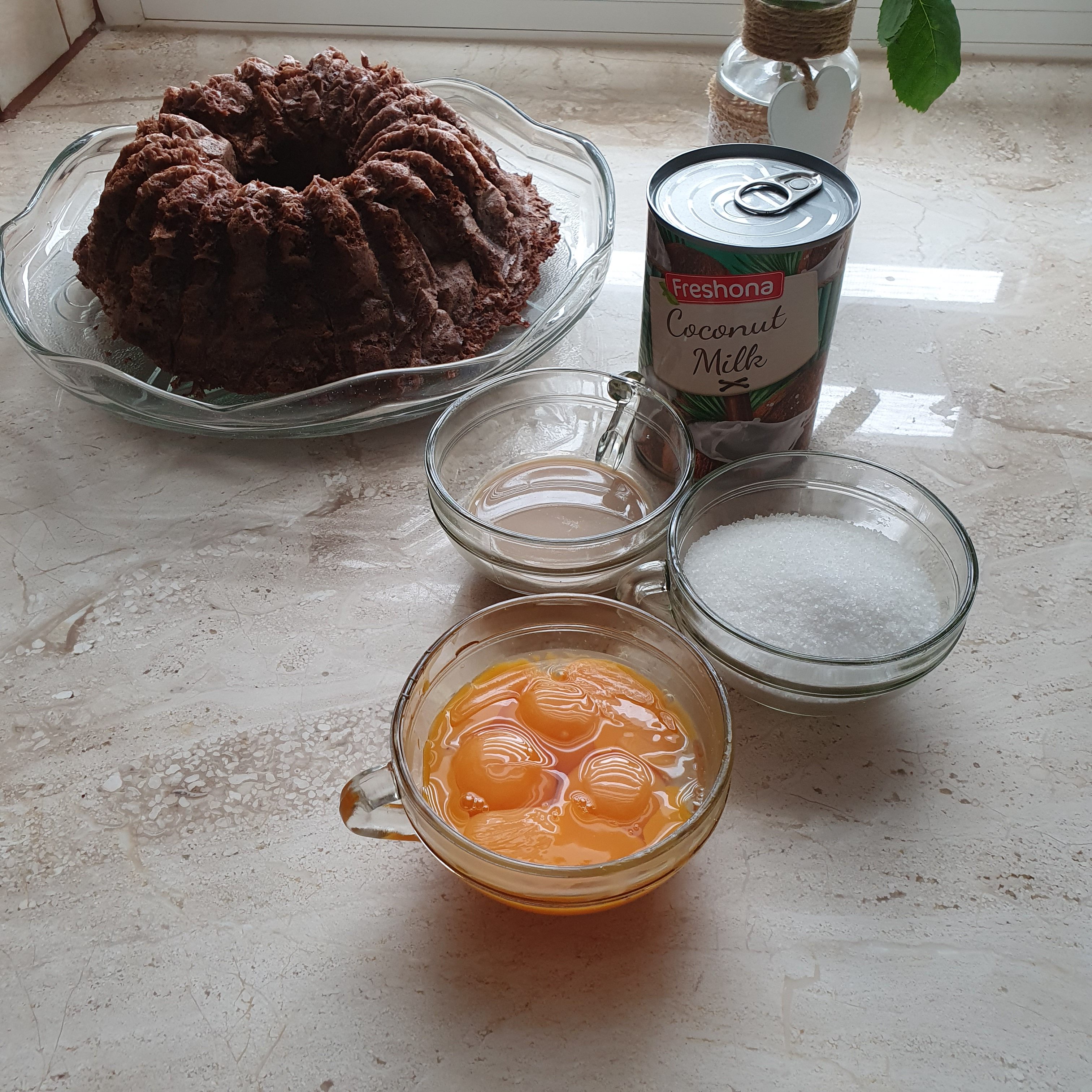
1/2 liter of coconut milk
6 egg yolks
125 grams of sugar
2 shots (40 ml) malibu liqueur / maybe rum / I used Baileys liqueur (I didn’t have anything else on hand)
For the fruit spheres (cubes in my case):
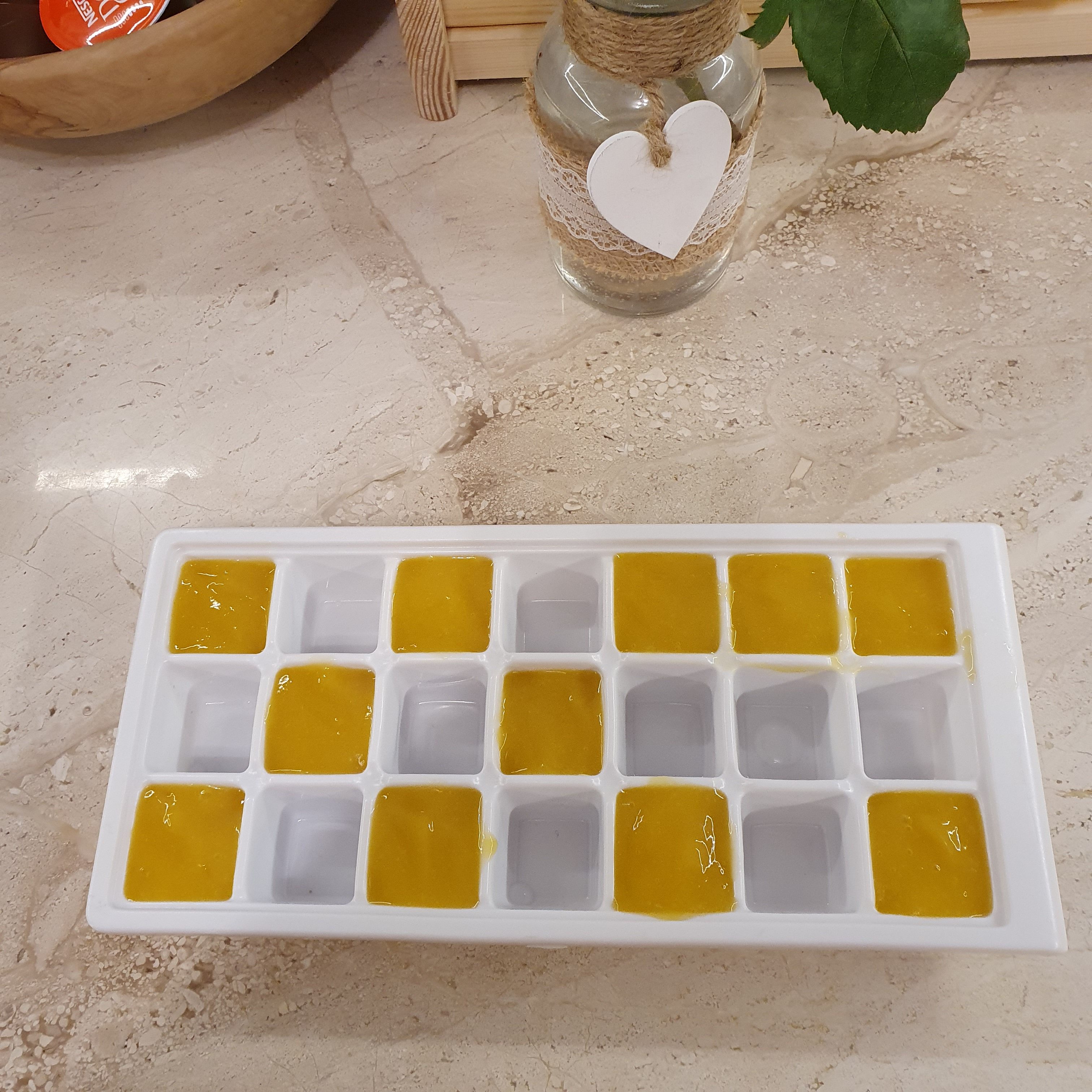
300 grams of passion fruit puree / I used canned mango
30 grams of sodium citrate / without it
30 grams of sugar cane juice / without it
1 liter of mineral water / without it
10 grams pH Kit / without it
3 grams of alginate / without it
120 grams of sugar syrup / I used canned juice
10 grams of calcium chloride / without it
edible flowers
Steps of preparation:
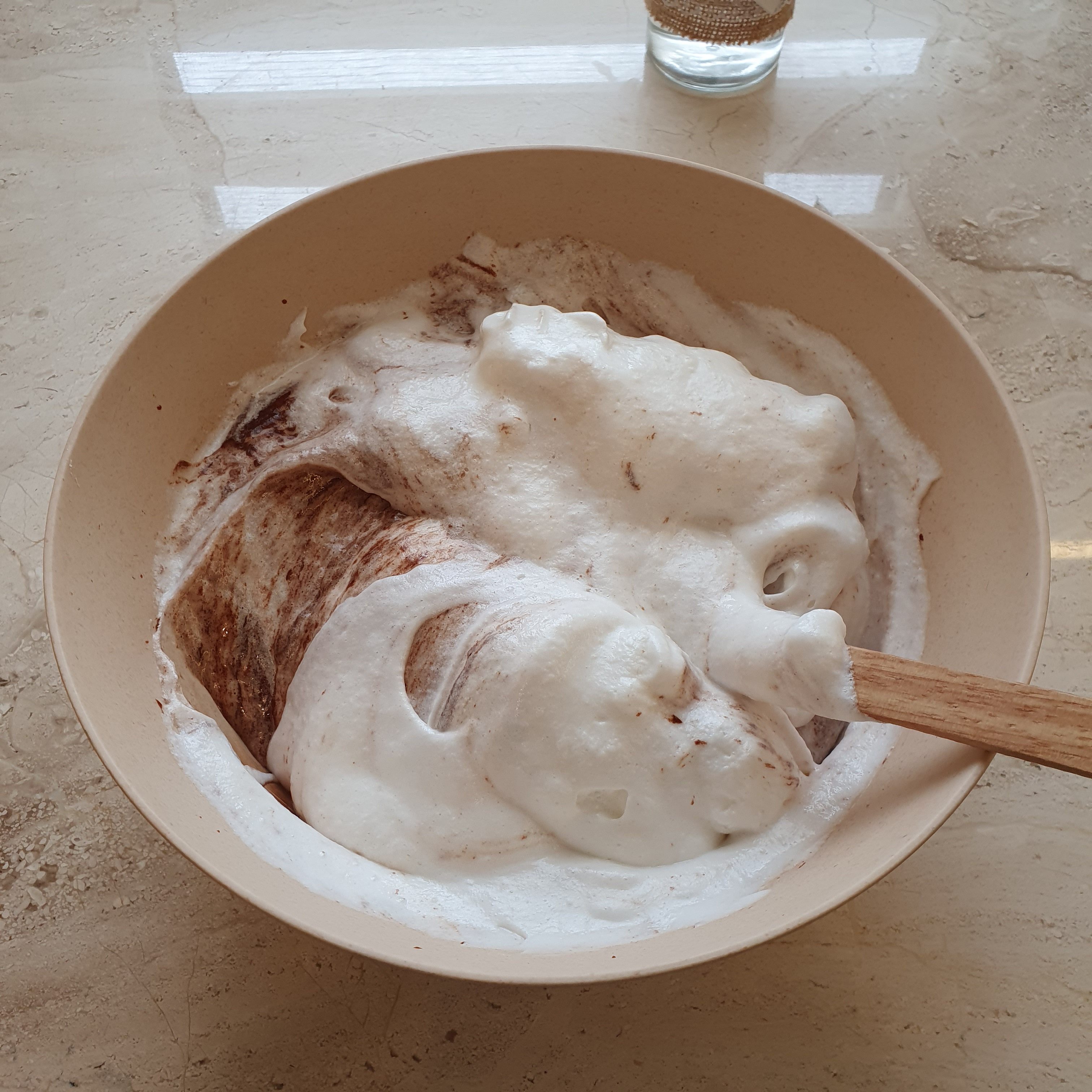
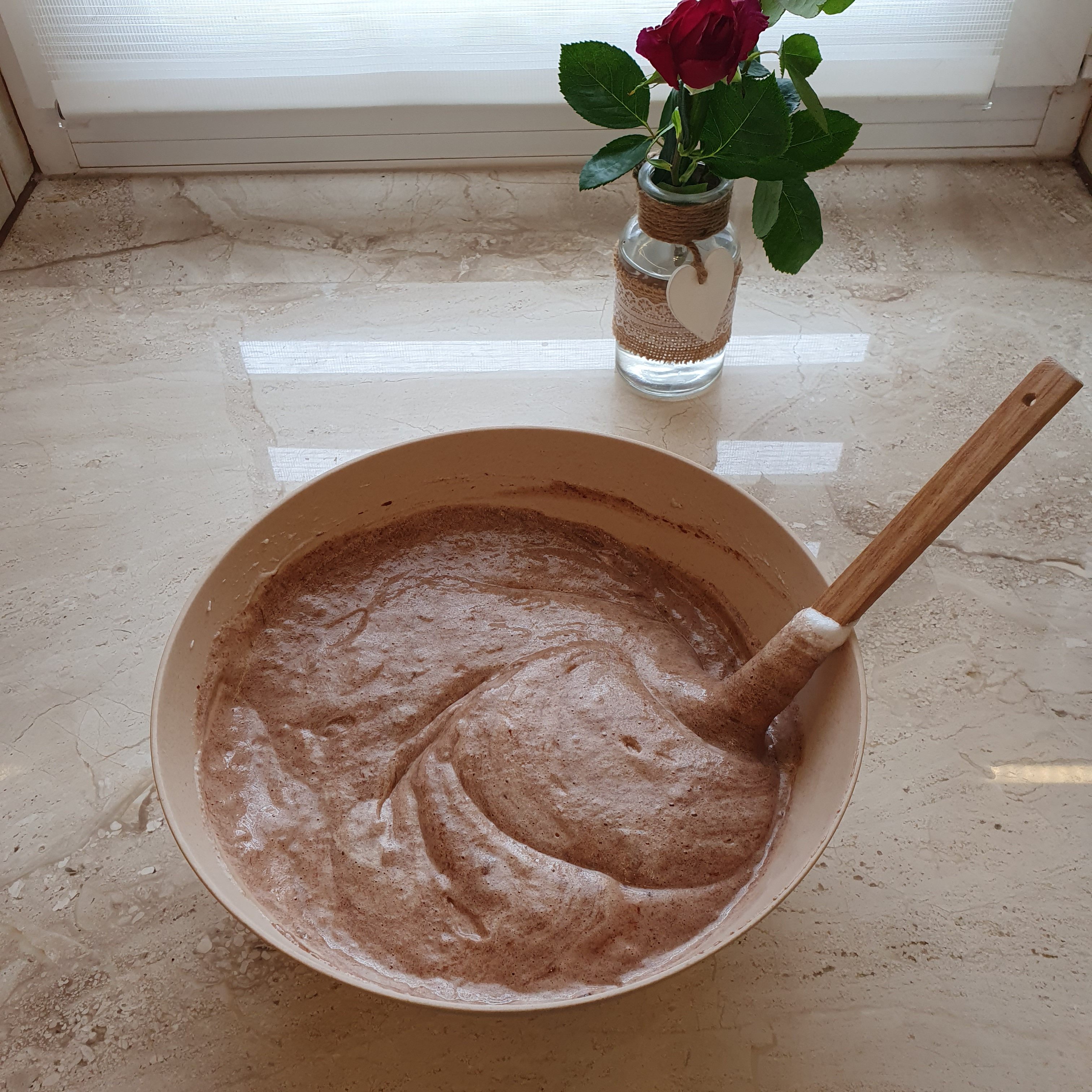
Melt the butter and chocolate in the microwave or on a low heat. When slightly cooled, add the yolks and beat for about 5 minutes with a mixer. Separately, beat the egg whites and sugar until soft peaks. Mix the flour and cocoa and add it to the chocolate mixture.
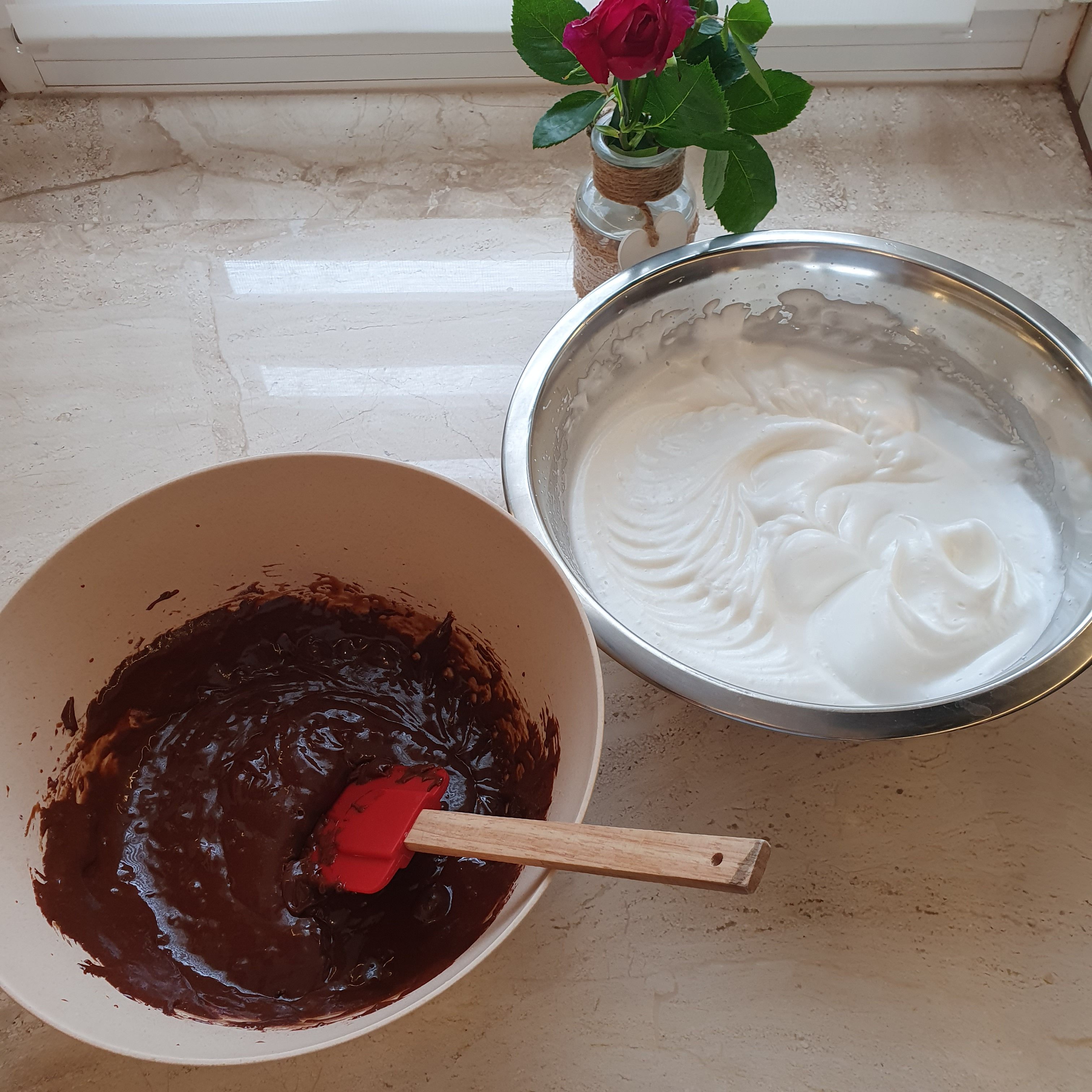
Since I changed the way the cake base were prepared because it required me to have a siphon to put carbon dioxide in the mixture before baking, I decided to make up for the lack by adding a baking powder along with the flour to the mixture. Finally, add the whipped egg whites in portions and slowly stir the mixture from the bottom up until everything is homogeneous. If you have a siphon, you should put the mixture in the refrigerator for about 3 hours before baking. For others like me it is not necessary.
The recipe says to bake in the microwave at maximum power for about 55-60 seconds. This is provided that you divide the mixture into several small cakes. If you bake it like me, the whole thing requires baking for about 10 minutes in the microwave at maximum power. Keep in mind that the pastry rises a lot. Therefore, you must carefully consider the baking dish in which you bake. Not like me. 🙂 Until the end, I was trembling if it would flow everywhere in the oven. 😀
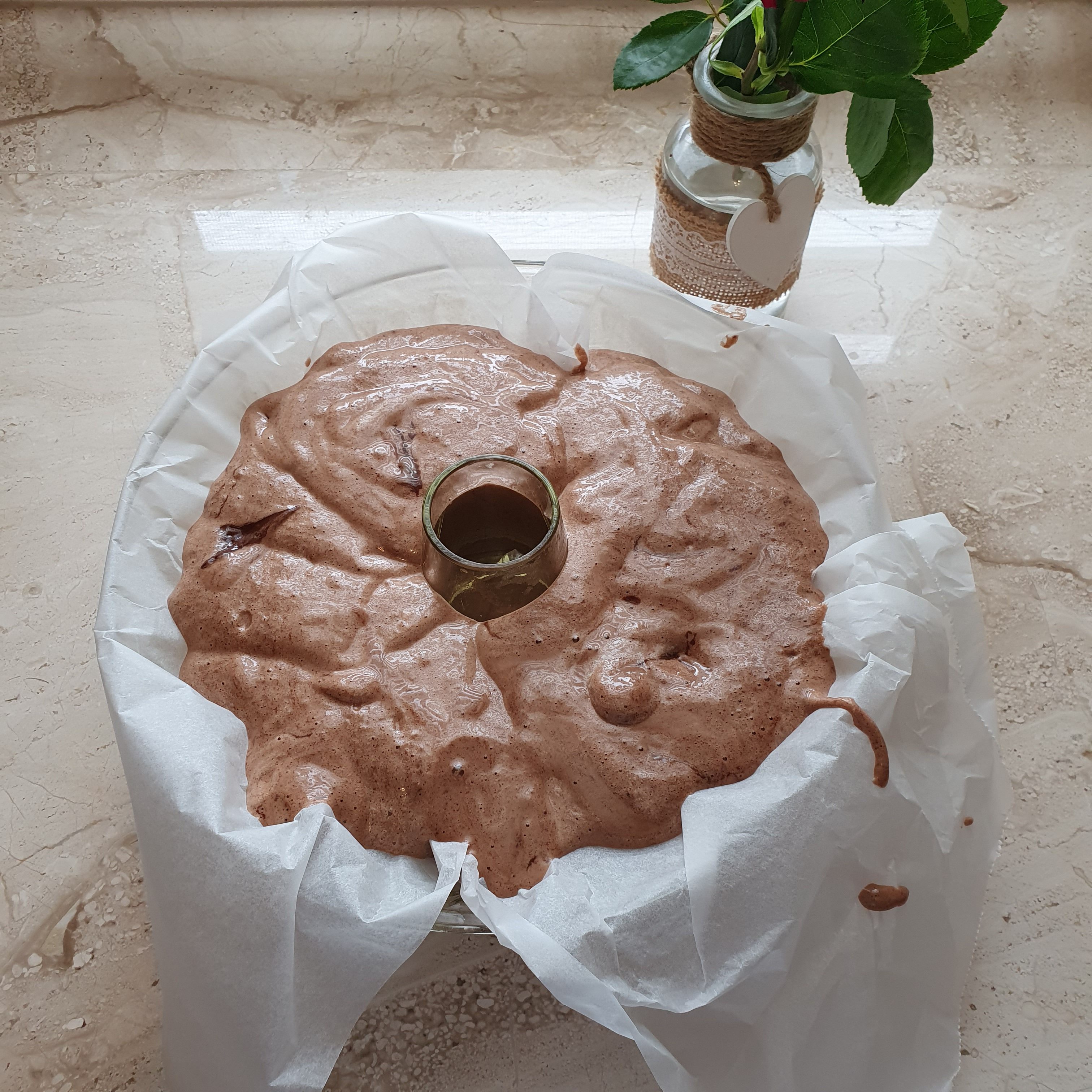
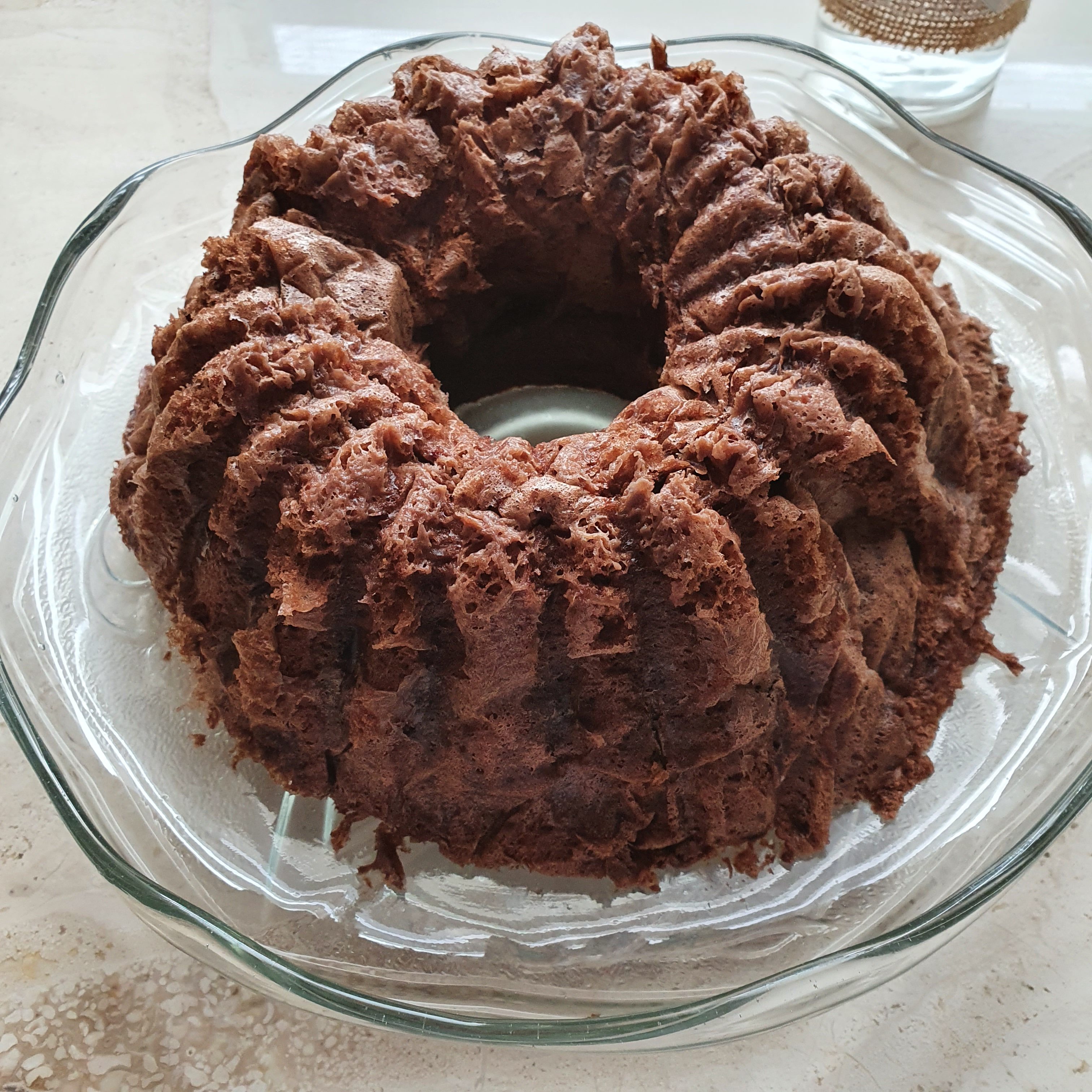
Remove the cake and allow to cool.
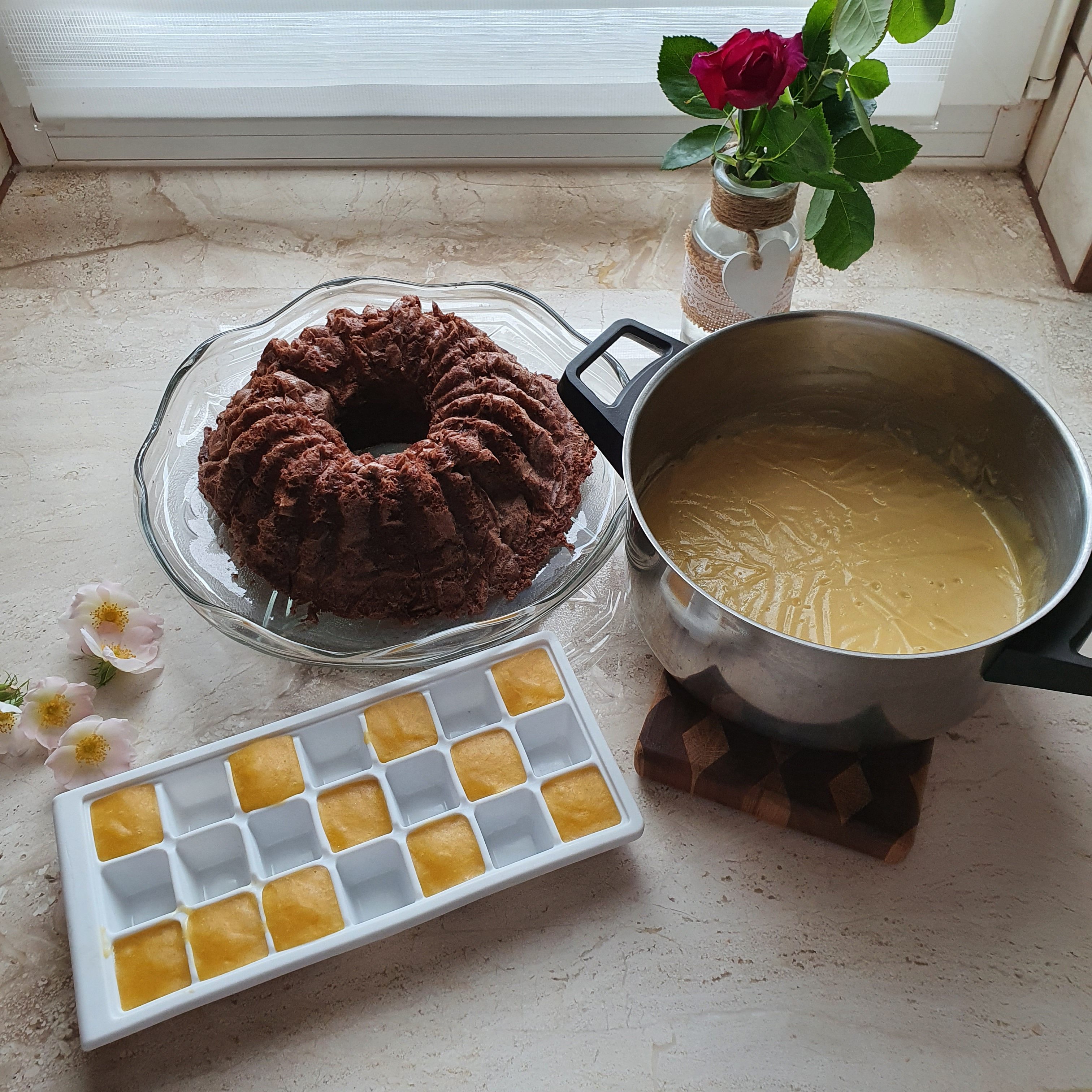
The only ingredient I followed almost 100% was the cake sauce. 🙂 I mixed everything in a small saucepan and boiled it until it thickened on a low heat, stirring constantly. Allow to cool slightly before serving.
As for the fruit spheres, when I read the recipe I thought it was like being in a chemistry class. And it’s a kind of molecular cuisine. I couldn’t get all the ingredients because I’m not in Sofia and I don’t have a pastry shop nearby. From what I read about the ingredients on the Internet are not something who knows what, but they are not in ordinary supermarkets after all.
The original recipe says to puree the fruit in a mixer along with pH kit, sugar cane juice, syrup and sodium citrate. Stir well to prevent lumps. Separately mix calcium chloride in a liter of water; let stand overnight. Using a measuring spoon, place the mashed fruit mixture in the alginate bath. Leave there for about 2 minutes. Remove from the bath and clean the sphere by rinsing with mineral water. Drain on a kitchen roll, decorate the cake and serve.
It sounds interesting and I will definitely try this technique, but for now I limited myself to pureing the canned mango with a blender, pouring it into an ice cube tray and freezing it the night before.
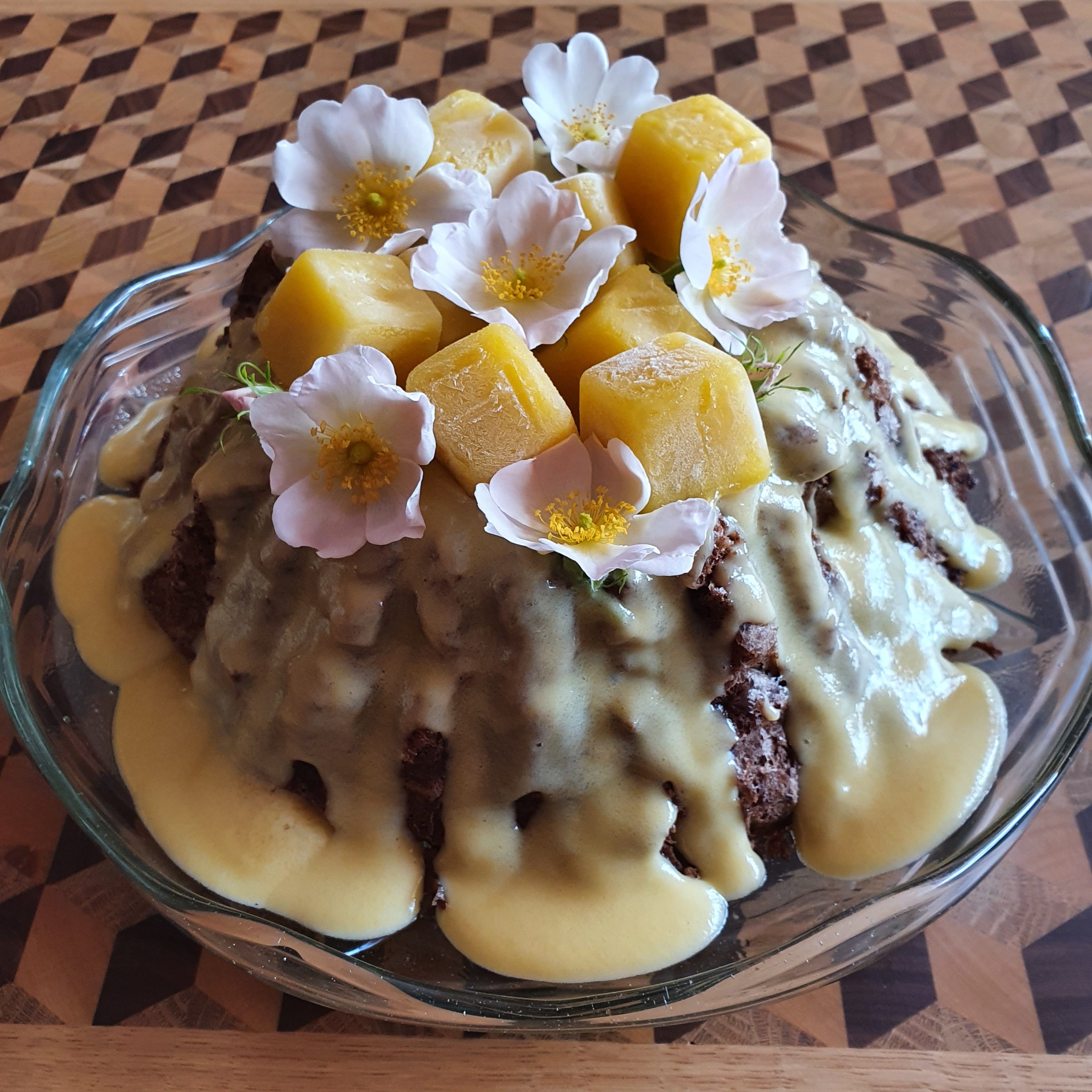
The dessert is easy to assemble – pour the sauce on and around the cake. Arrange the fruit cubes / spheres around and decorate with edible flowers. In my case with rosehip flowers that have now bloomed beautifully. It is.
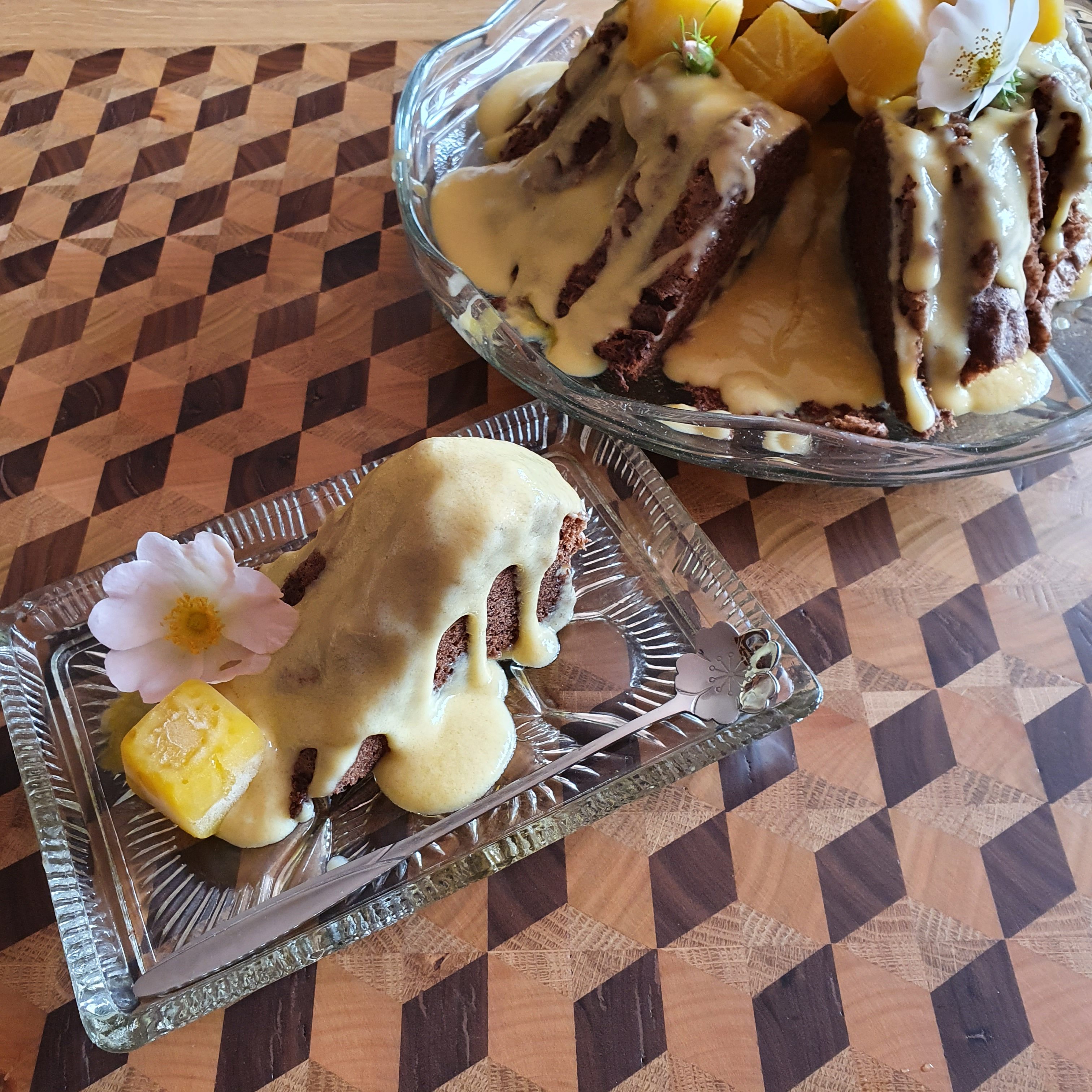
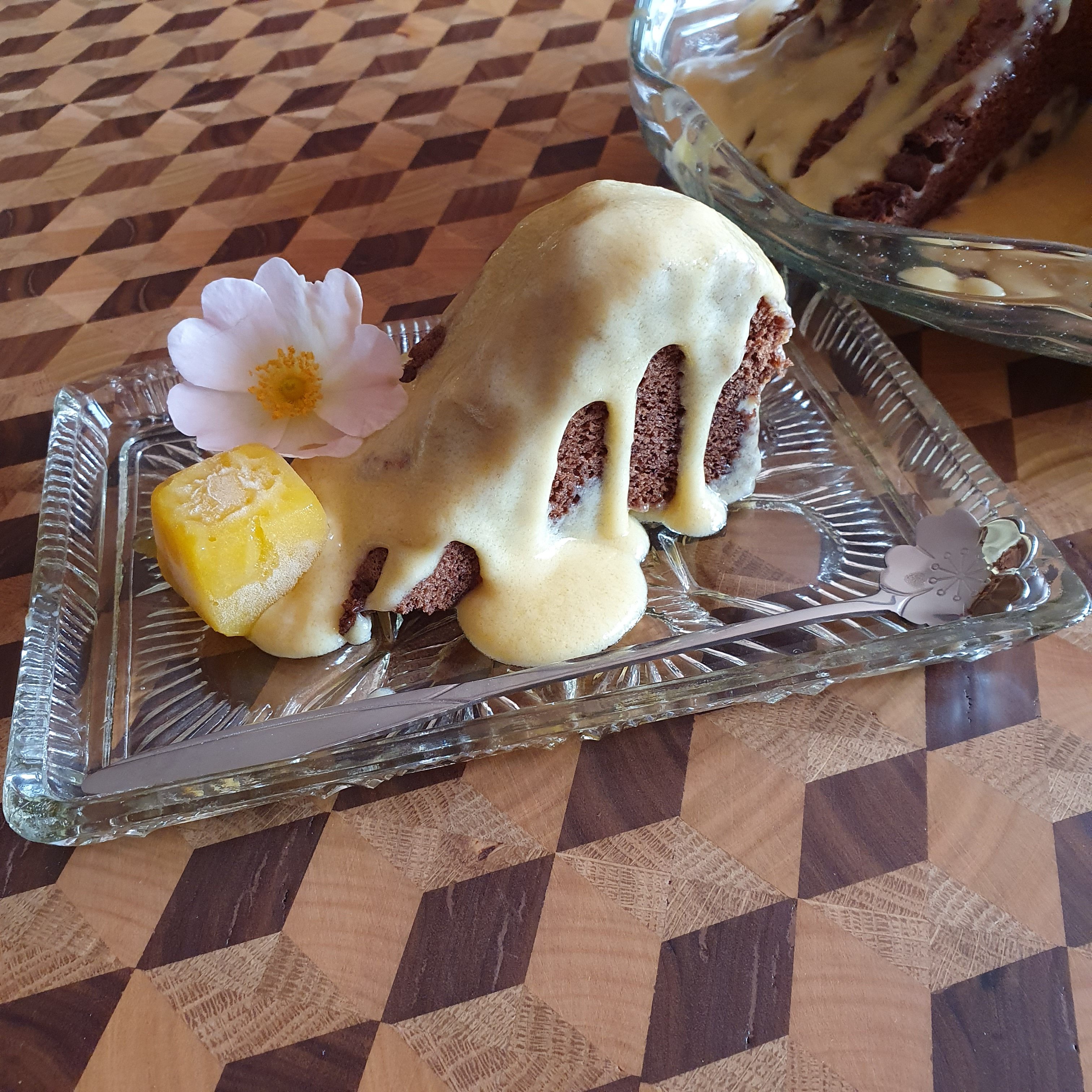
According to my recipe it is fast, easy and tasty. The original is slower and a little harder, but I guess it’s also tasty. I served it slightly warm and it was a good hit.
I haven’t been to Ecuador, but the Galapagos Islands are on my ToDo list. I don’t know when, but I know I’ll go. 🙂 I have tried much of Ecuador’s food in Peru. It would be interesting for me to make a comparison between the two kitchens. I guess it will be something like comparing Bulgarian and Serbian kebabs. 🙂 After all, Ecuador and Peru are neighbors, it sounds logical to have similar cuisine. That was from me for today. Try this delicious recipe, make your loved ones happy and smile in the May sun. ♥
Next destination – Equatorial Guinea.