

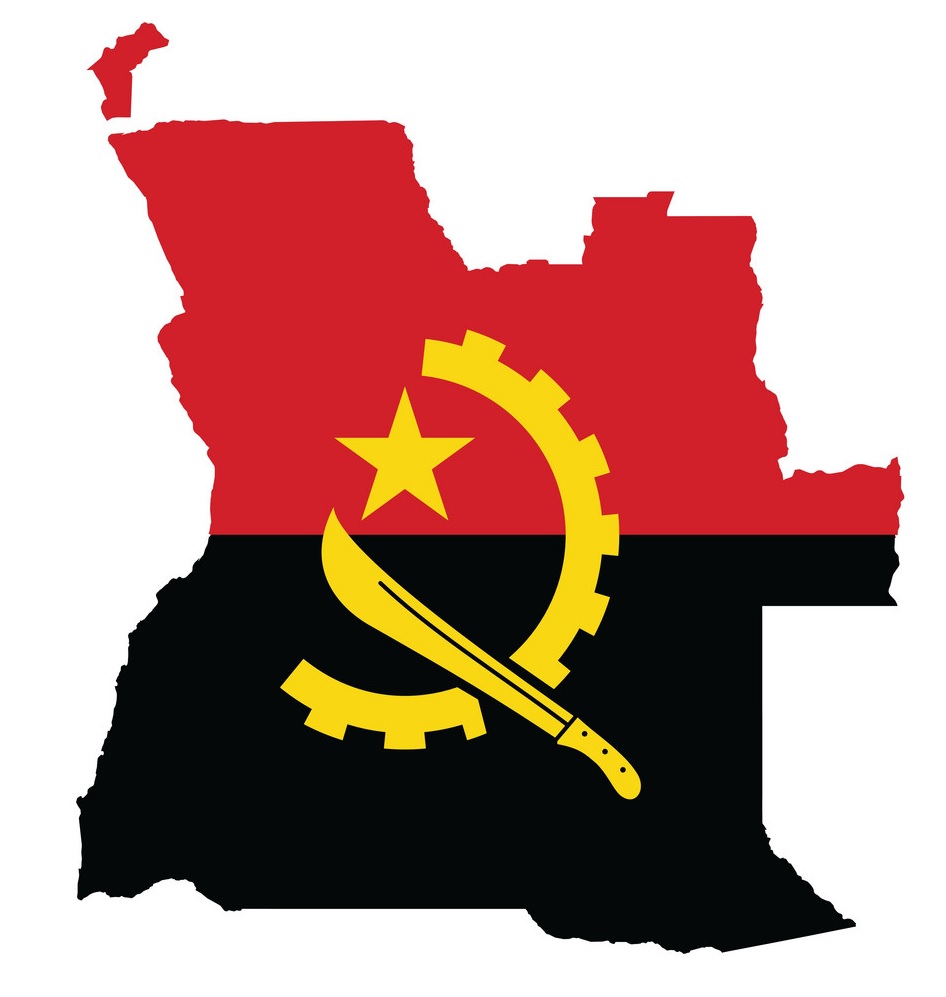
This week we are back in Africa. This time in Angola. A typical African state with a colonial spirit. In the Portuguese case. In the 15th century, first the Portuguese reached the coast of these lands. Almost a century later, the first European settlement is being built near Luanda’s present-day capital. The city was used as the main port in the slave trade. Being on the more easily accessible west coast of Africa, Angola has been one of the most sacrificial places in the slave trade before it is banned. In the year I was born (1975), the country was declared independent.
Nothing that is in Africa, Angola has great water wealth. Only the southern and coastal parts are a desert. The coastline is covered with golden and orange sand, but the coast is considered to be risky to swim because of the great waves and dangerous ocean currents that occur around the coast. Almost the entire country is in plateaus and mountains. Lowlands almost there is no. Animals are numerous and varied because of the presence of food and water.
For the past twenty years, the population of Angola has almost doubled and is now about 19 million people. The official religion is Christianity, and Angola is the only country in the world where it is forbidden to preach Islam. Angolans are speaking in Portuguese.The population is largely dark, Europeans are only 2% and are mostly Portuguese.
The culture of Angola is a combination of the traditions and customs of the locals with a strong influence from Portugal. This is most felt in the culinary industry. Many of the dishes that local residents consume are prepared in ways typical of Portugal It is mainly seafood because the coast is extremely rich in fish, mussels, crabs, shrimps. Like in all African countries, here is eat goat meat. Chicken is also widely used. In Angola lives the fly tsetse and due to this fact, livestock farming is poorly developed. Hence the consumption of pork, sheep, and veal is very low. In the kitchen of Angola, there are often beans, peas, and rice. In the country grows and consume bananas, papaya, coconuts, and many other tropical fruits. The most popular vegetables are potatoes, sweet potatoes, tomatoes, radishes, onions, and garlicIn some meals, manioc leaves are also added. Palm oil is generally used in cooking, as it is most common here. Angolans often add different types of spicy hot sauces of garlic, peppers and more to dishes.
Some of the foods that it says are good to try are Chikuanga (a bread made from manioc flour), Mariscos cozidos com gindungo (seafood, most commonly a variety of crustaceans cooked in sea water and served with rice and aromatic spicy sauce of butter and chilli peppers), Doce de ginguba (traditional peanut jam) and Camarao Grelhado Piri Piri (a delicious roasted shrimp or chicken pieces with pepper).
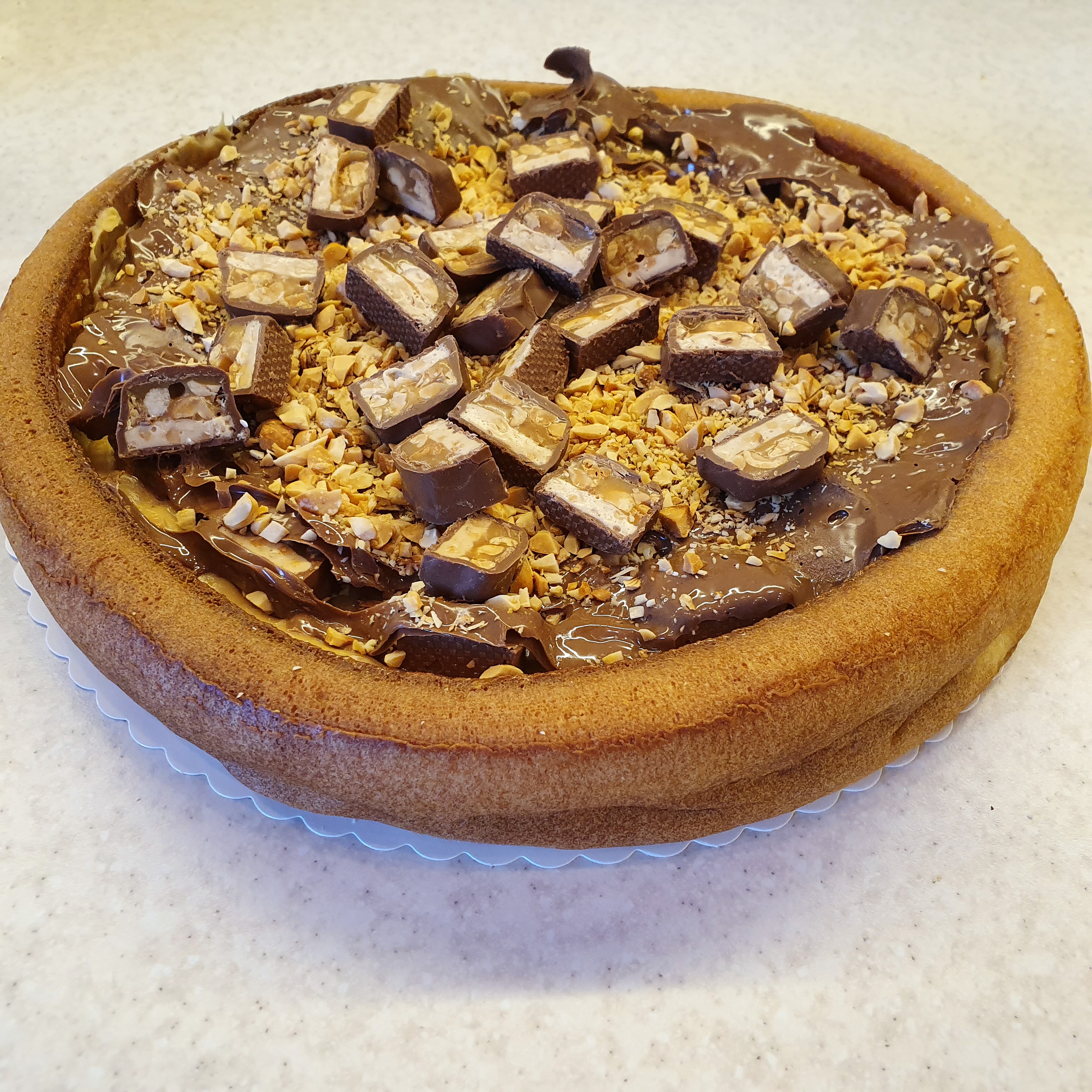
For a cake from this country I chose to make “Bolo de Guinguba”. I have no idea how to translate, but it’s a peanut cake. For the first time since I wrote in this blog, I have to make a cake twice because of a failure. But that’s part of the way. The first recipe I chose for the cake with her reading sounded odd, but I decided to try. But … did not work out. Or I was wrong in the preparation, or the ingredients were not well invented. But my cake was disappointing. At least I find it so. Those who tried did not think so, but I decided I could not put it on the blog after I did not like her enough. That’s why I came over and I came across this recipe, which is what I expect.
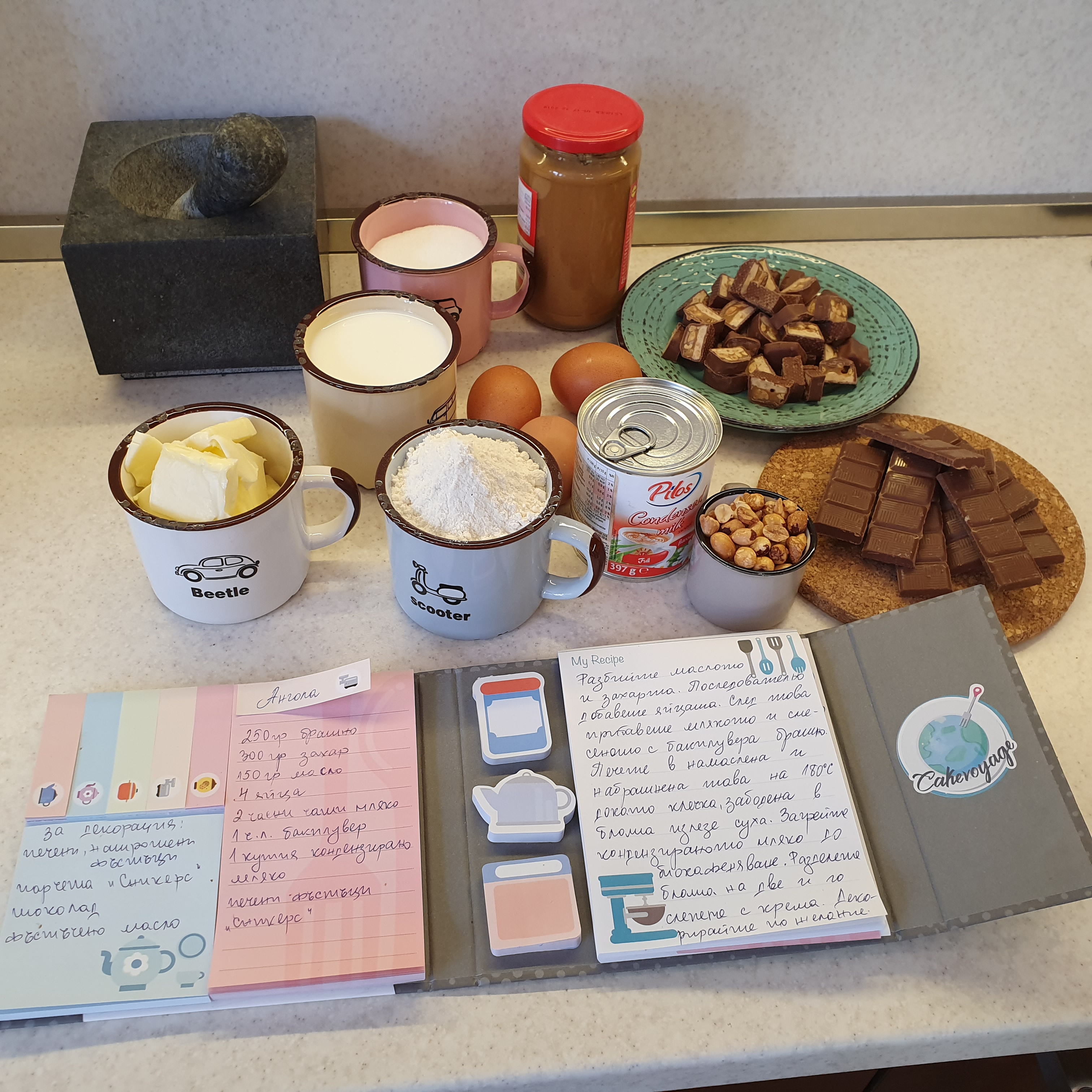
For the cake:
250 g of wheat flour
300 grams of sugar
150 grams of butter
4 eggs
2 tea cups (coffee) milk
1 teaspoon baking powder
1 box of condensed milk
roasted peanuts
peanut butter
Steps of preparation:
Beat the sugar with the oil very well.
Then add the eggs (at room temperature) and whisk.
Finally, add the milk and flour (the flour mixed with the baking powder) and break well.
Pour the dough into a greased and roasted pan and bake at medium temperature.
When it is baked, remove the cake from the oven, let it cool down and it separate from the tray walls.

Meanwhile, heat the condensed milk in a hotplate and stir until it becomes brown. (Be careful not to caramelize).
You can divide the swamps into two and smear with cream of condensed milk and peanut butter. You can smear the cake just on top of the cream as I did. Yours view. Finally, finish with decoration of baked and crushed peanuts. You can add chocolate, Snickers or whatever is born in your imagination and would suit the dessert.

We touched on a small portion of Angola’s culinary traditions.
Next destination – Andorra.


Thank you ever so for you blog article.Thanks Again. Fantastic.