
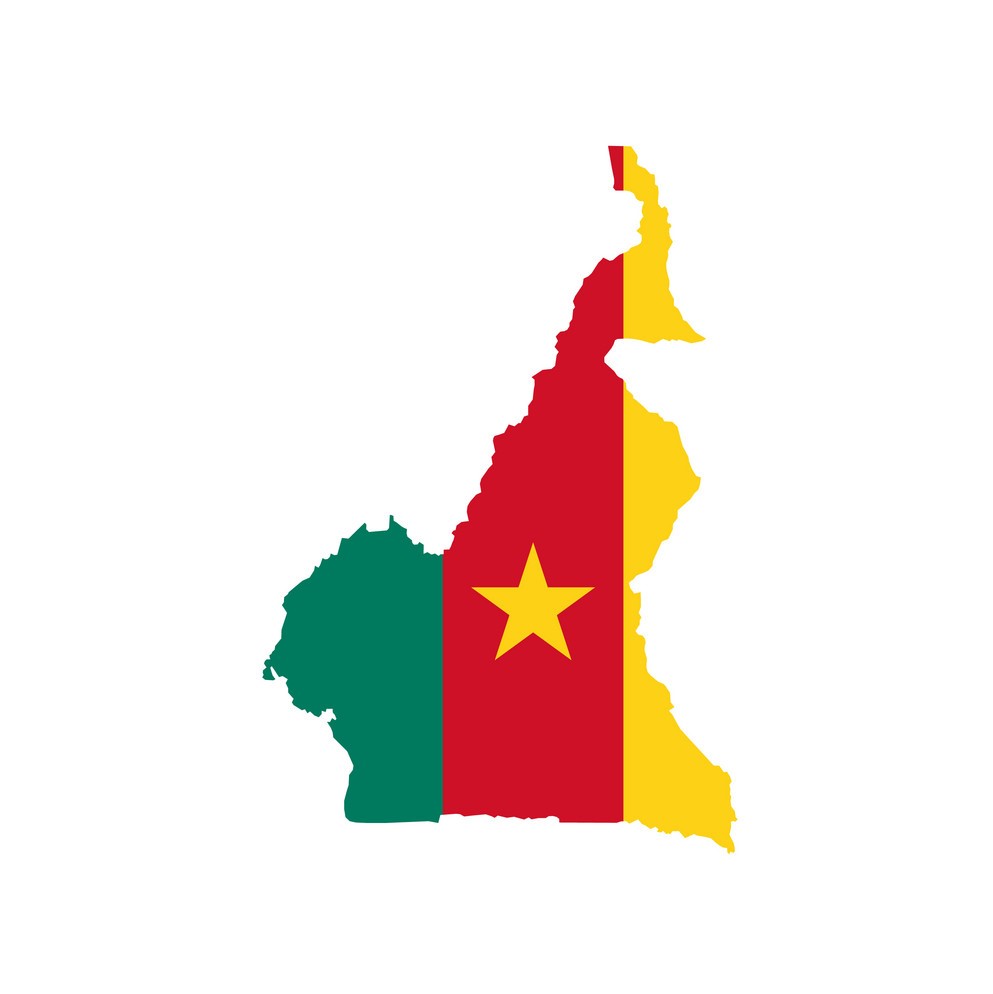
Cameroon is one of the most blessed countries in Africa, and is often called the “African miniature” because it contains the diversity of the whole of Africa within its borders. In the country alternates between sandy deserts and beautiful beaches, dense jungles and vast mountains. The diverse terrain, cultural diversity and modernity make Cameroon a favorite destination for travel enthusiasts. They say that if you have not been to Cameroon, you have not been to Africa. 🙂 If you are looking for some of the best beaches in Africa, then Kribi in the south and Limbe in the southwest are two of the best beaches. If you are looking for authentic traditions, you should visit the pygmies of Baca, which inhabit the southern tropical forests of Cameroon and live almost in the same way since Paleolithic times. Tourists can meet Baka and learn about their cultural traditions, as well as their knowledge of medicine during organized tours.
Although there are between 250 and 300 ethnic groups in the country, the cuisine is identical for all of them. It is also one of the most diverse in Africa, as the country is located at the crossroads of the continent and also has a strong French influence, a legacy of the colonial era. The main products of the table are corn, millet, cassava, apples, potatoes, rice, beans, peanuts and various vegetables such as eggplant, tomatoes, okra and others. Fish is the main source of protein for most people. Poultry and meat are too expensive products. Game meat is sometimes eaten, and the most popular is the giant rat. 😮 There is also a thriving black market for meat from endangered animals such as chimpanzees and gorillas. Insects are eaten in some parts of Cameroon. Especially in forested areas. I would definitely become a vegetarian if I had to eat there for a long time…
Of the spices, Njangsa is especially popular – a round, golden seed that is quite popular in Côte d’Ivoire. Its taste is strong and reminiscent of peanuts. This is the oilseed of the fruit tree Ricinodendron heudelotii, which grows in the rainforests of West and Central Africa. Other names for nyangsa: Munguella in Angola, essessang in Cameroon, bofeko in Zaire, wama in Ghana, okhuen in Nigeria, kishongo in Uganda, Akpi (akpi) in Côte d’Ivoire, and djansang, essang, ezezang and njasang. Another local spice is Pebe (Pébé). It is called “fake nutmeg” and has a sour and spicy taste. This is one of the spices present in the Cameroonian mbongo mixture. Extremely popular in Cameroon’s cuisine is the use of bouillon cubes. In African dishes, its use has become so ubiquitous that it is now considered a must in most recipes, just as you would use a pinch of salt or a spoonful of butter. It has been more than a hundred years since this little cube appeared in Africa. Invented in 1886 by the Swiss Julius Maggi, the bouillon cube was created not only to revive the taste of tasteless soups, but also to save time in the kitchen.
Poulet DG is a typical holiday dish in Cameroon. This is chicken stewed with various vegetables (potatoes, tomatoes, carrots, peppers, green beans) and herbs. Pule DG dates back to the 1980s and comes from the Bamileke region in western Cameroon. The name of the dish speaks for itself. General manager of chickens (Poulet Directeur Général) in French. Why CEO? Everything is very simple – this dish was served only to distinguished guests, the richest people, at business or political dinners. In fact, at that time only the elite would have the means to pay for it. Now the ingredients have become more accessible to the people of Cameroon, so everyone loves to eat it. The recipe for Pule DG is simple, but requires several exotic ingredients that are quite difficult to find in our country, for example. First, the red palm oil, which has a specific aroma and, of course, a bright red color that turns orange when heated. In second place plantain. It is less sweet than the classic banana and is used in many African, Asian and Pacific dishes, replacing starchy products known in our country (such as potatoes). Third, these are the seeds of njangsa and pebe (pèbè).
Another popular dish is Kwacoco / kwa-coco. It is grated taro root vegetables mixed with spinach, smoked fish, red oil and other spices. All this is wrapped in banana leaves and steamed. Kwakoko in combination with mbanga soup is very popular among various ethnic groups in Cameroon, especially among the people of Bakvery.
Njama Njama is a vegetable stew made from cranberry leaves (Huckleberry) with onions, tomatoes and a cube of broth. A traditional Cameroonian dish eaten with fufu. Kondreh are green bananas stewed with herbs and spices, usually served with goat meat. Soya / Brochettes are Cameroonian kebabs made from chicken, beef or goat meat on a barbecue. Sangah is a porridge made from a mixture of corn and cassava leaves with palm oil. Ndole (ndolé) is a spicy stew made from chopped vegetables stewed with meat, shrimp, pork skin and peanut butter. Koki is a dish of papuda (black-eyed pea, so named because of the dark spot of light brown beans) and red palm oil.
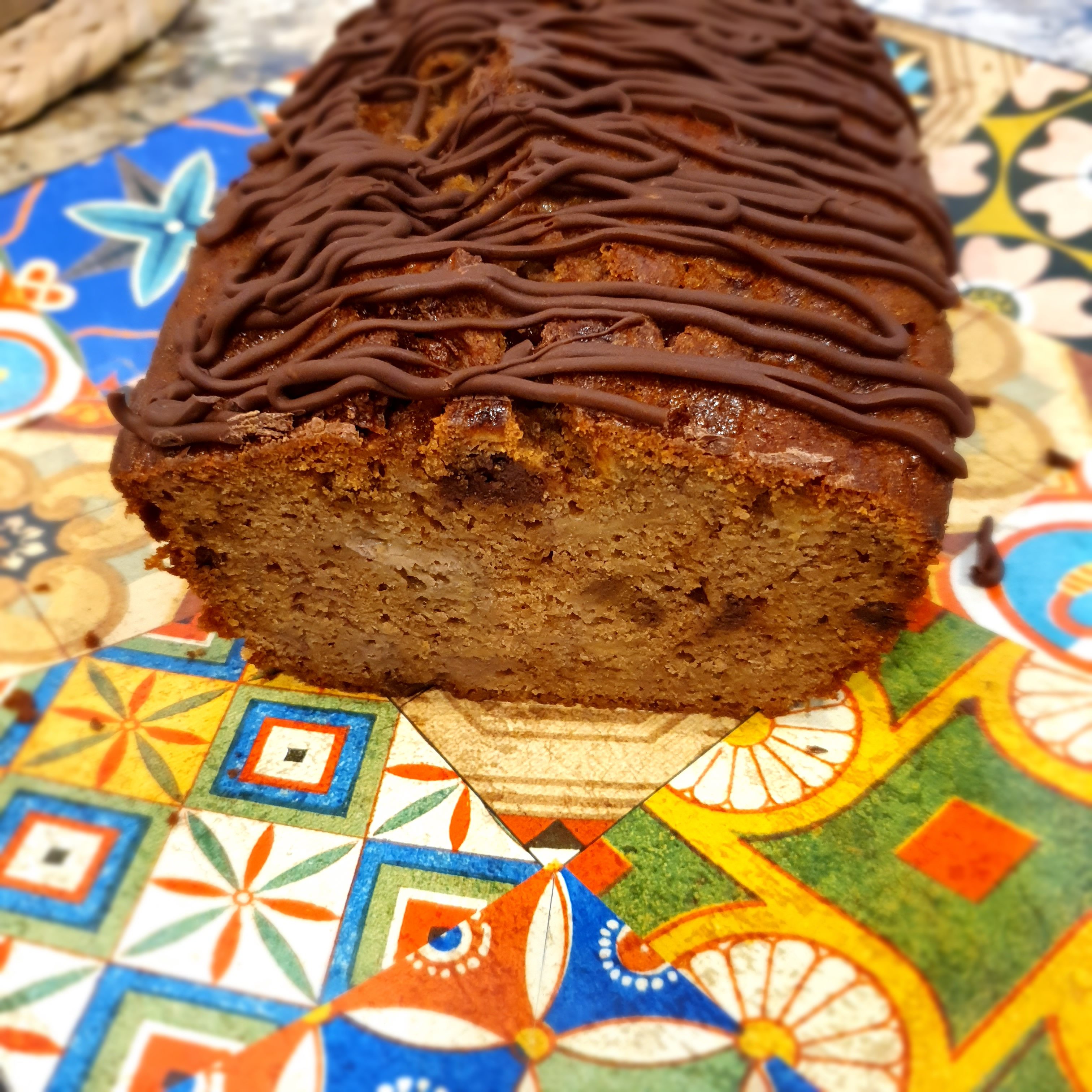
As my regular readers already know, there are no cakes in Africa. For Cameroon, I found a recipe for banana cake, which for me is better known as banana bread. I know it’s not a real cake, but it’s delicious 🙂. And here are the products needed for it:
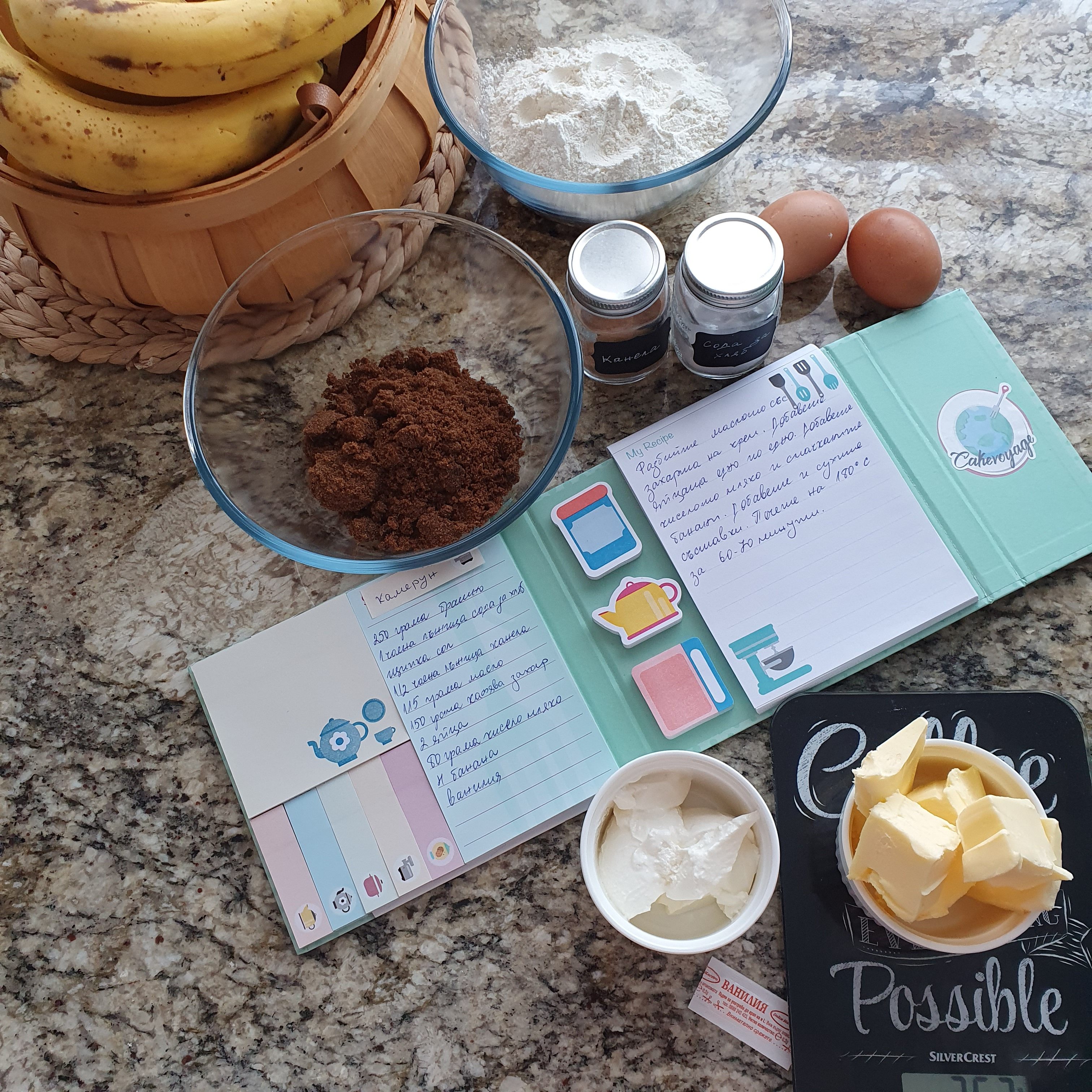
250 grams of flour
1 teaspoon baking soda
pinch of salt
1/2 teaspoon cinnamon
115 grams of butter
150 grams of brown sugar
2 eggs
80 grams of yogurt
4 bananas
vanilla
Steps of preparation:
Beat the butter with the sugar until creamy. Beating brown sugar is a little harder because it is moist and forms lumps. It is good to crush them before adding it to the butter. hen add the eggs one at a time, beating each one until smooth. Then add the yogurt and mashed bananas. I personally do not mash them, I just mash them with a fork so that slightly larger pieces remain. This gives them more taste. Sift the flour into a bowl and mix it with the other dry ingredients. Add them to the rest of the mixture and mix with a spatula until the mixture is homogeneous. Do not overdo the stirring and do not do it vigorously.
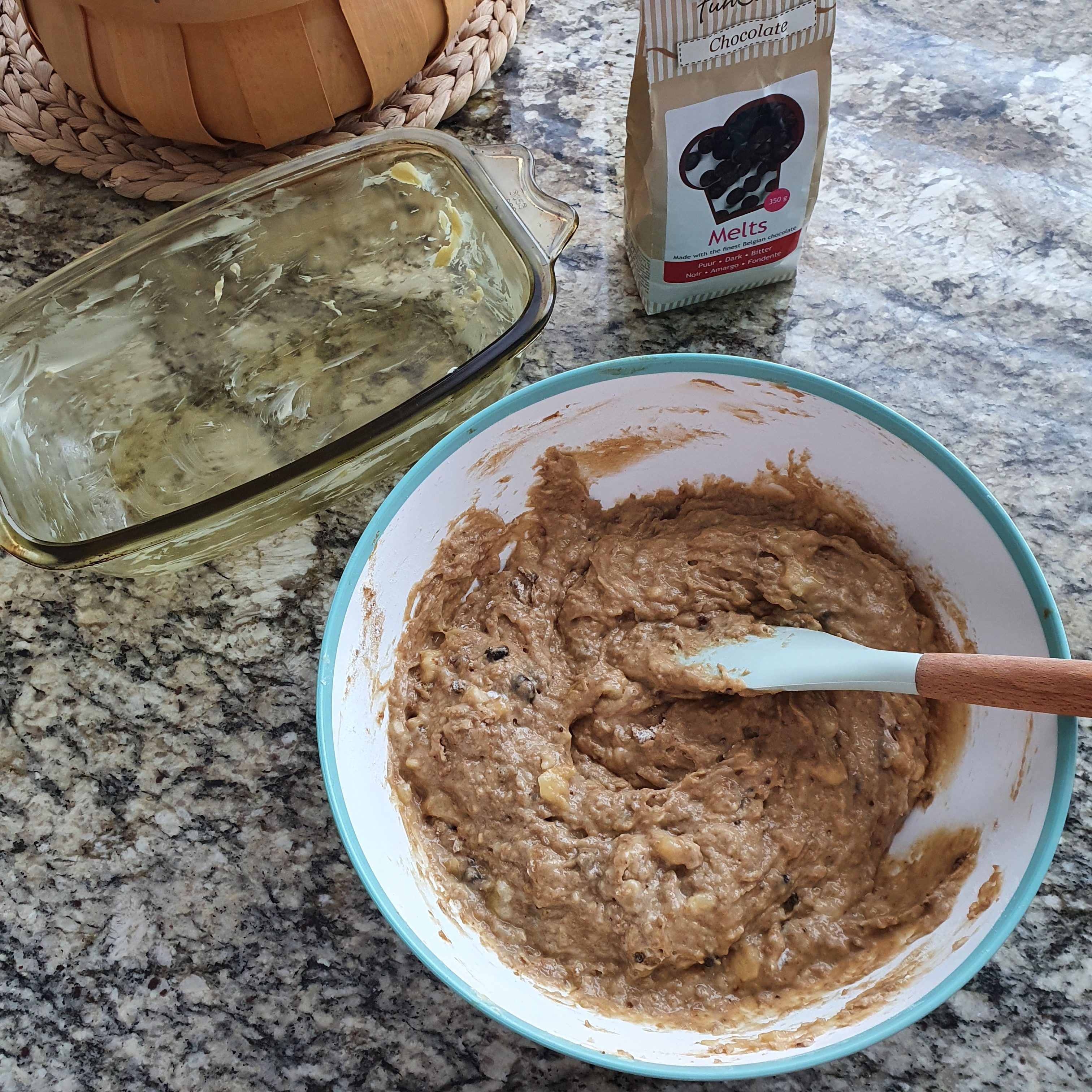
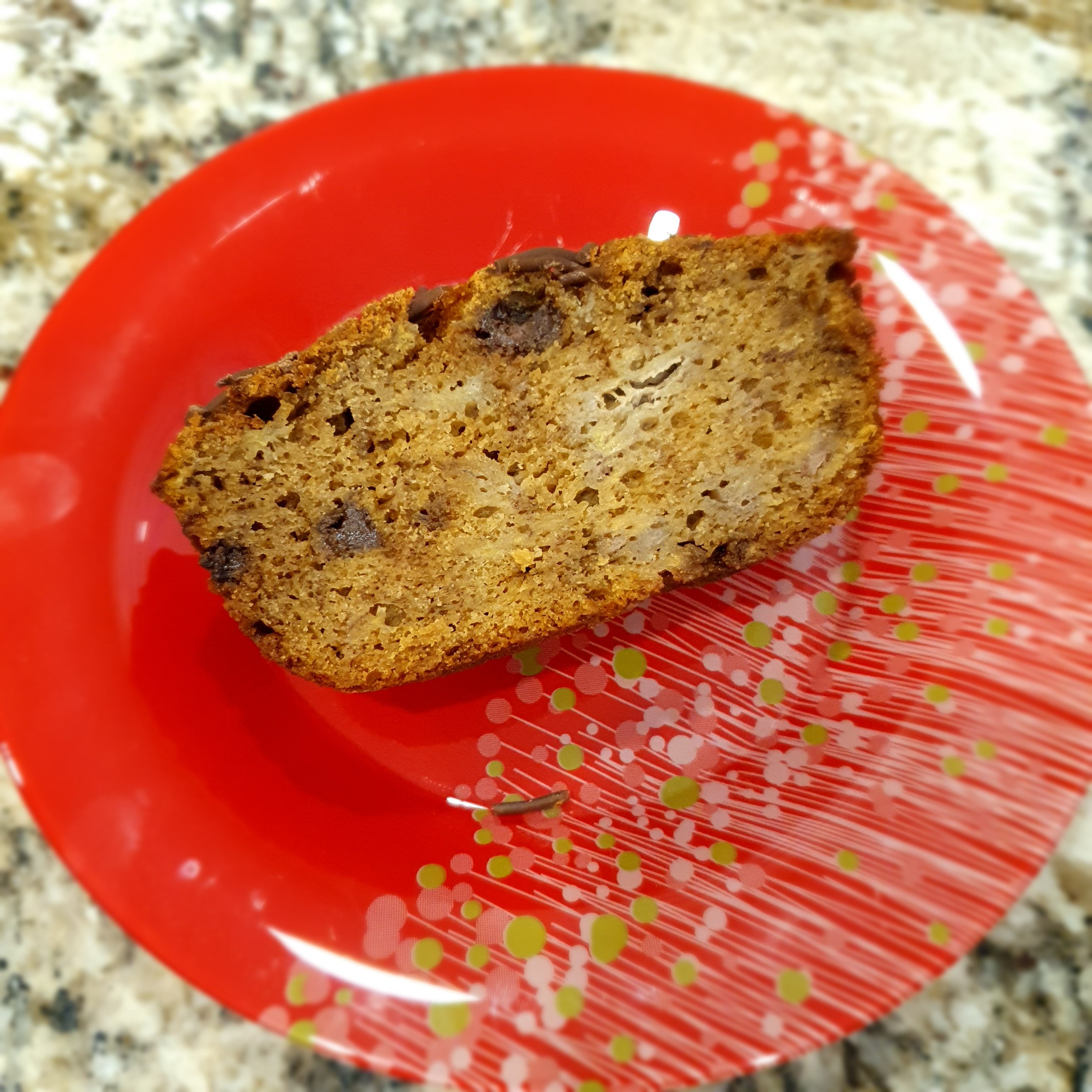
Grease a rectangular pan with vegetable oil or butter. I prefer butter. Pour the mixture. When I told my son what the cake for Cameroon was, he told me that banana bread goes perfectly with chocolate. So I decided to add my improvisation to the recipe and added a few drops of dark chocolate to the mixture. That’s for luxury. 🙂
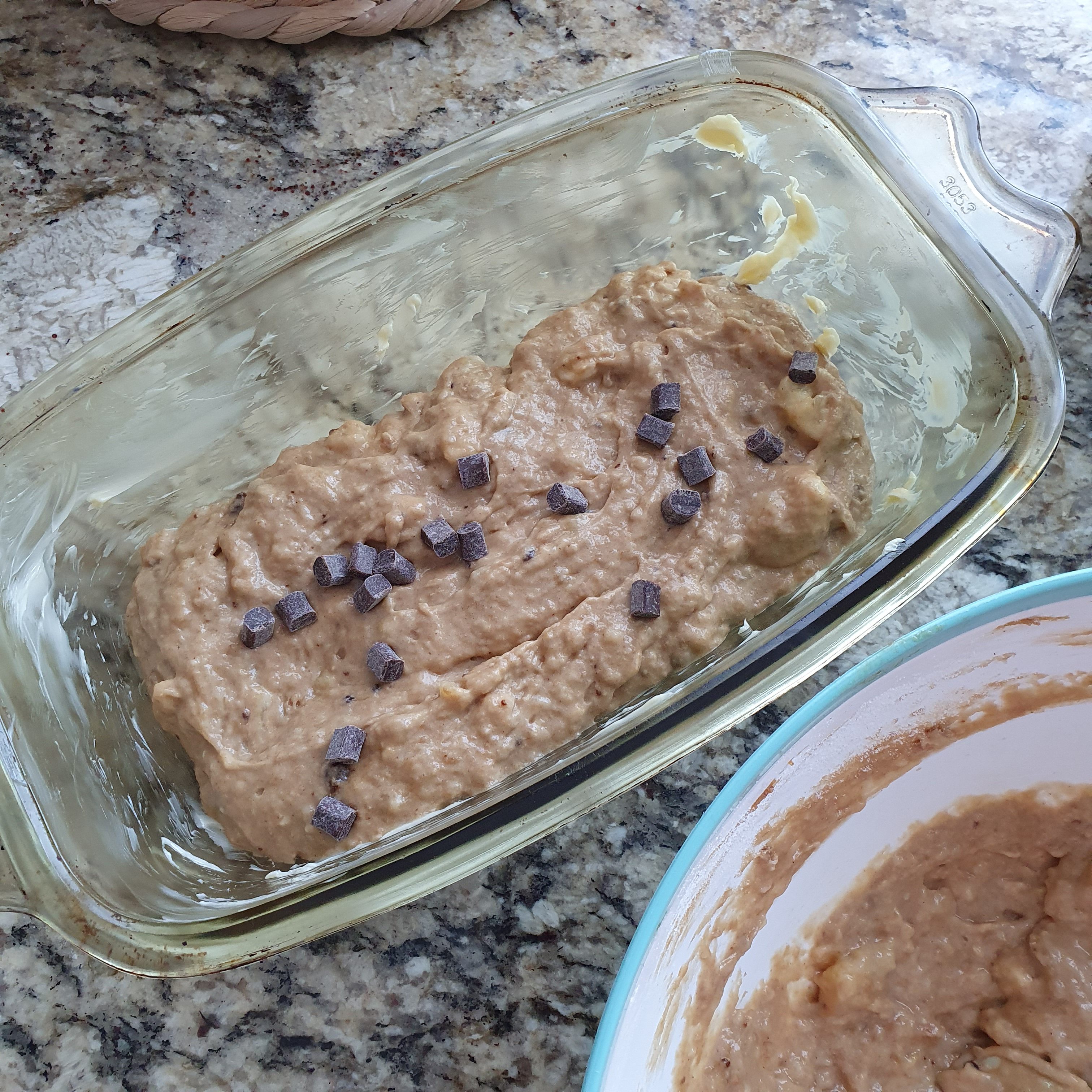
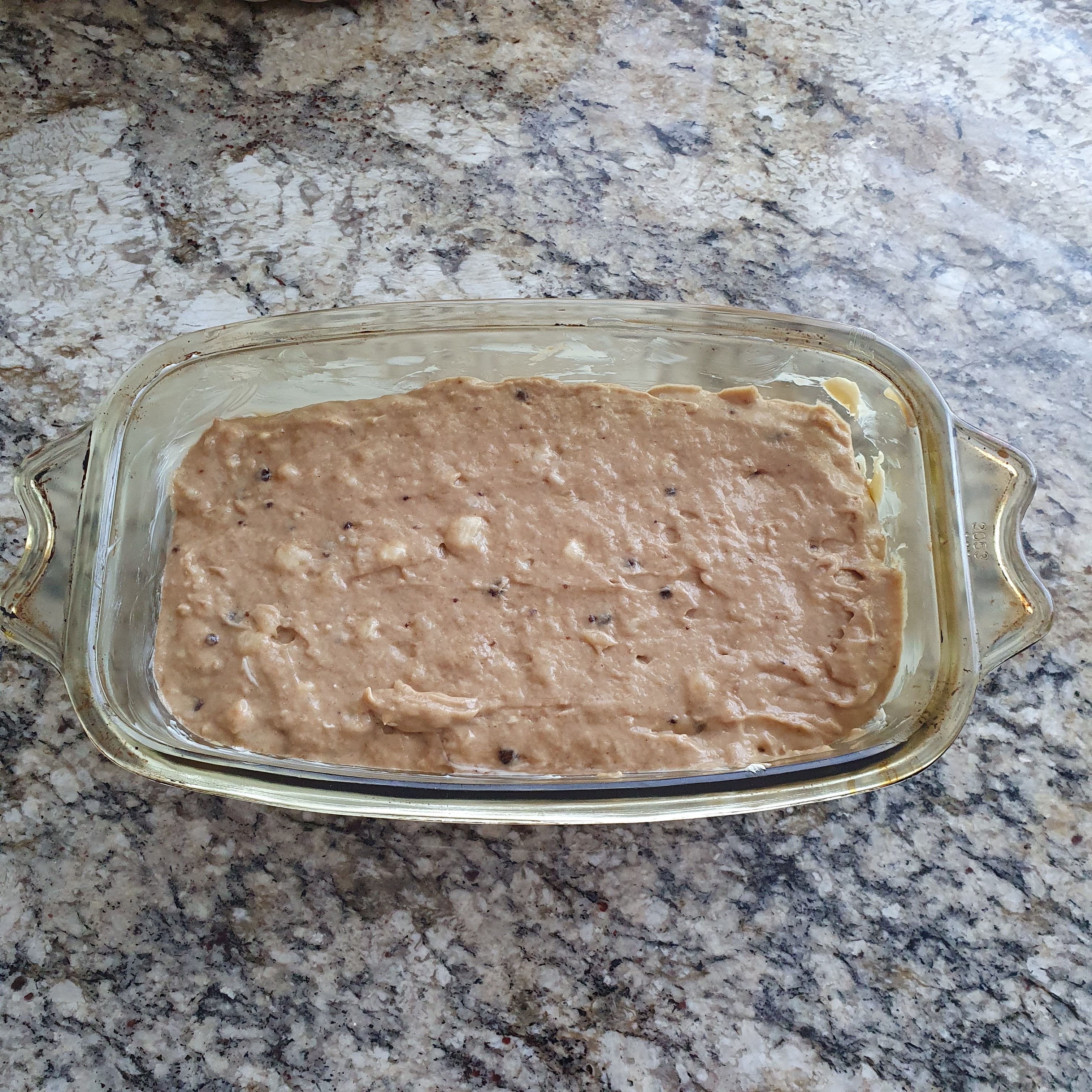
Bake at 180 degrees for 60-70 minutes or until a wooden skewer stuck in the middle comes out dry.
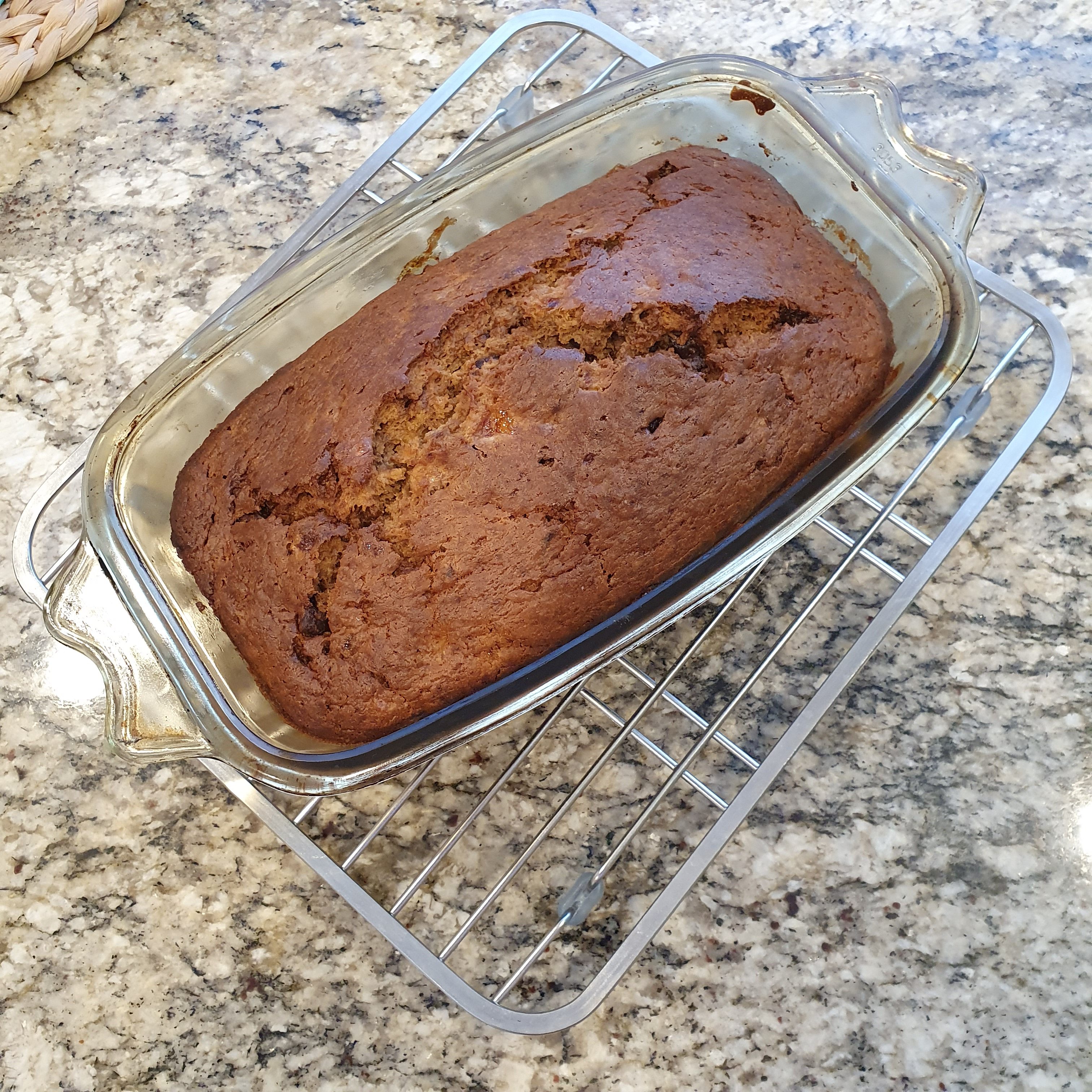
Allow to cool and then remove the banana bread from the pan. I also added some melted chocolate on top. As Winnie the Pooh said, “The more, the better.” 🙂
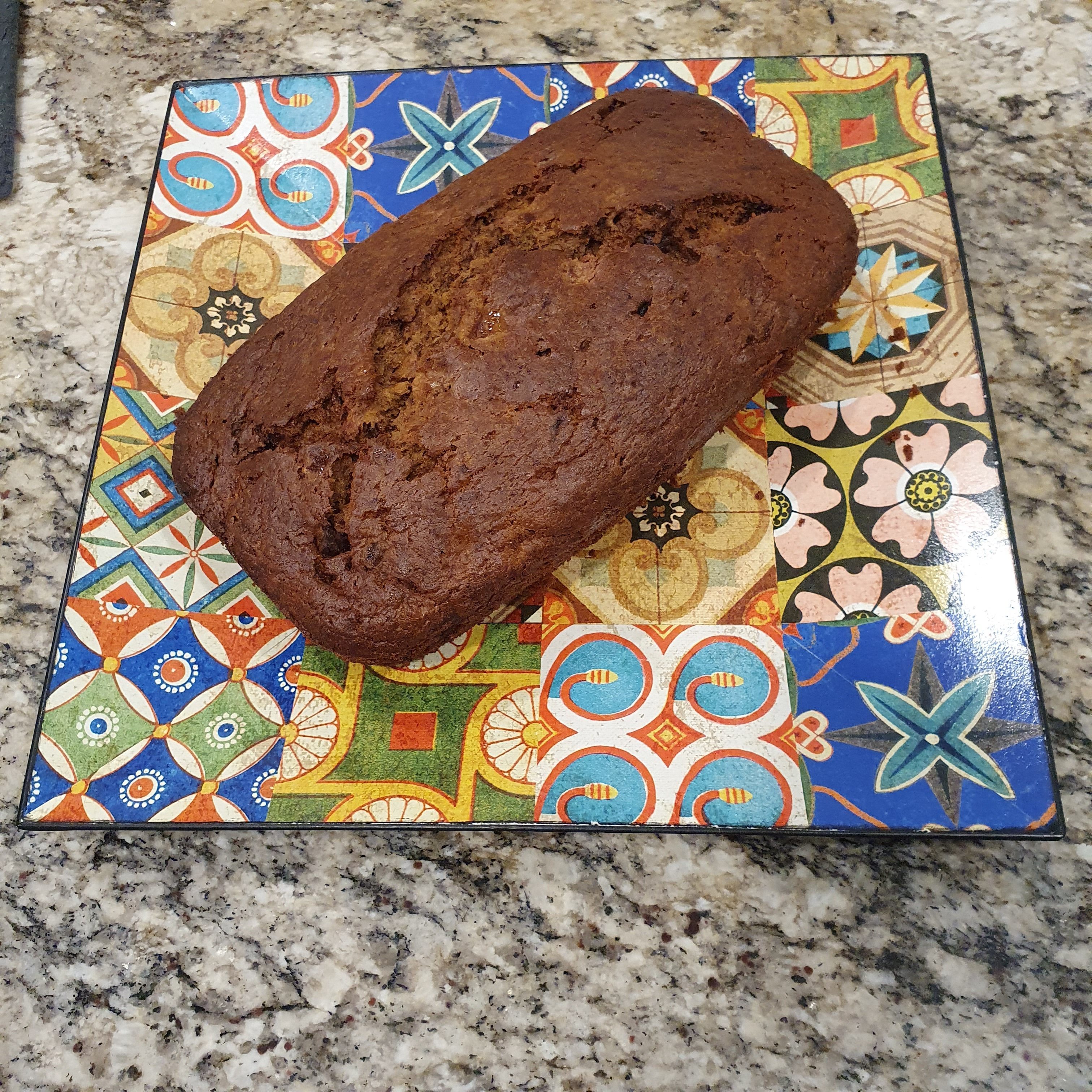

Enjoy this unpretentious delicacy with your coffee or tea. Do it for your loved ones. It is most delicious when aged for at least a day in a closed container so that the aromas and flavors can mix best. Enjoy!
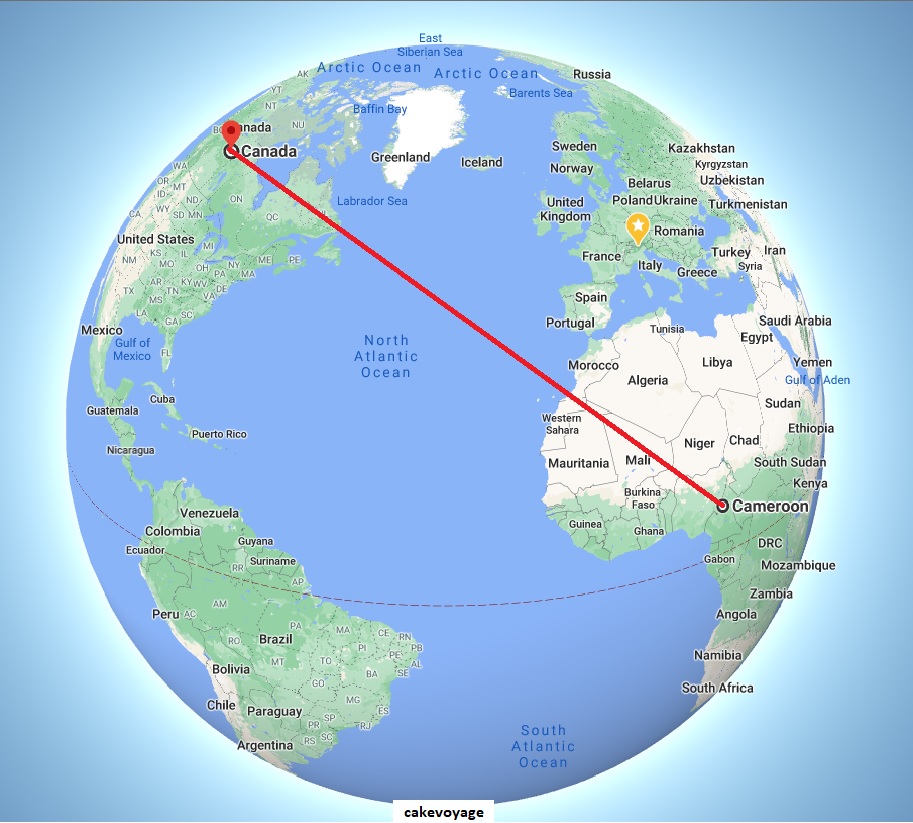
Next destination – Canada.

Thanks for the article post.Thanks Again. Fantastic.